- BIST10011,722-2.89%
- USD49.42+0.06%
- EUR55.41+0.20%
- GOLD4,178.40+0.20%
- INTEREST37.00%-1.00
- BITCOIN81,293-1.02%
- October 16, 202612°
- BIST10011,722-2.89%
- USD49.42+0.06%
- EUR55.41+0.20%
- GOLD4,178.40+0.20%
- INTEREST37.00%-1.00
- BITCOIN81,293-1.02%
- October 16, 202612°
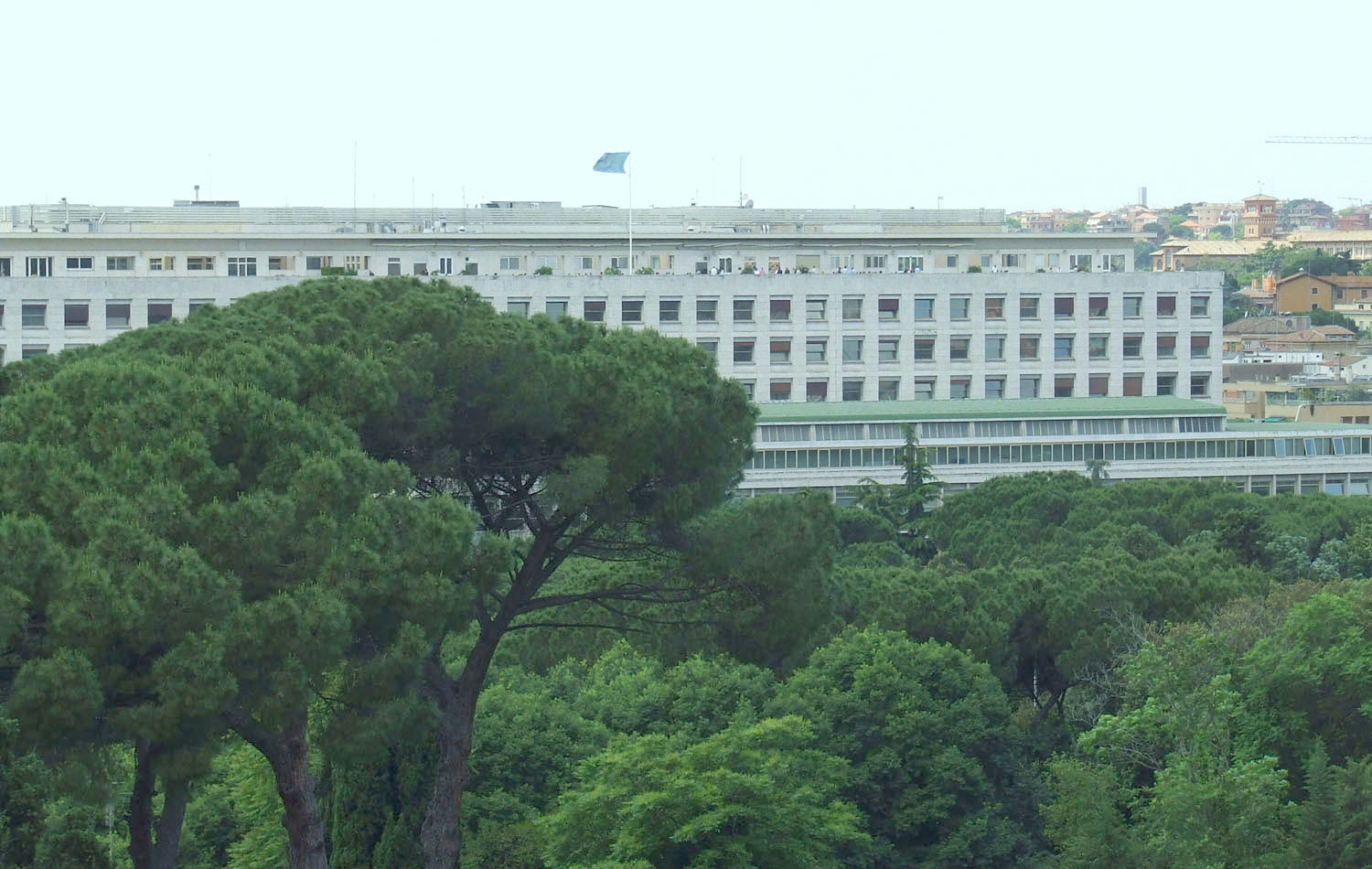
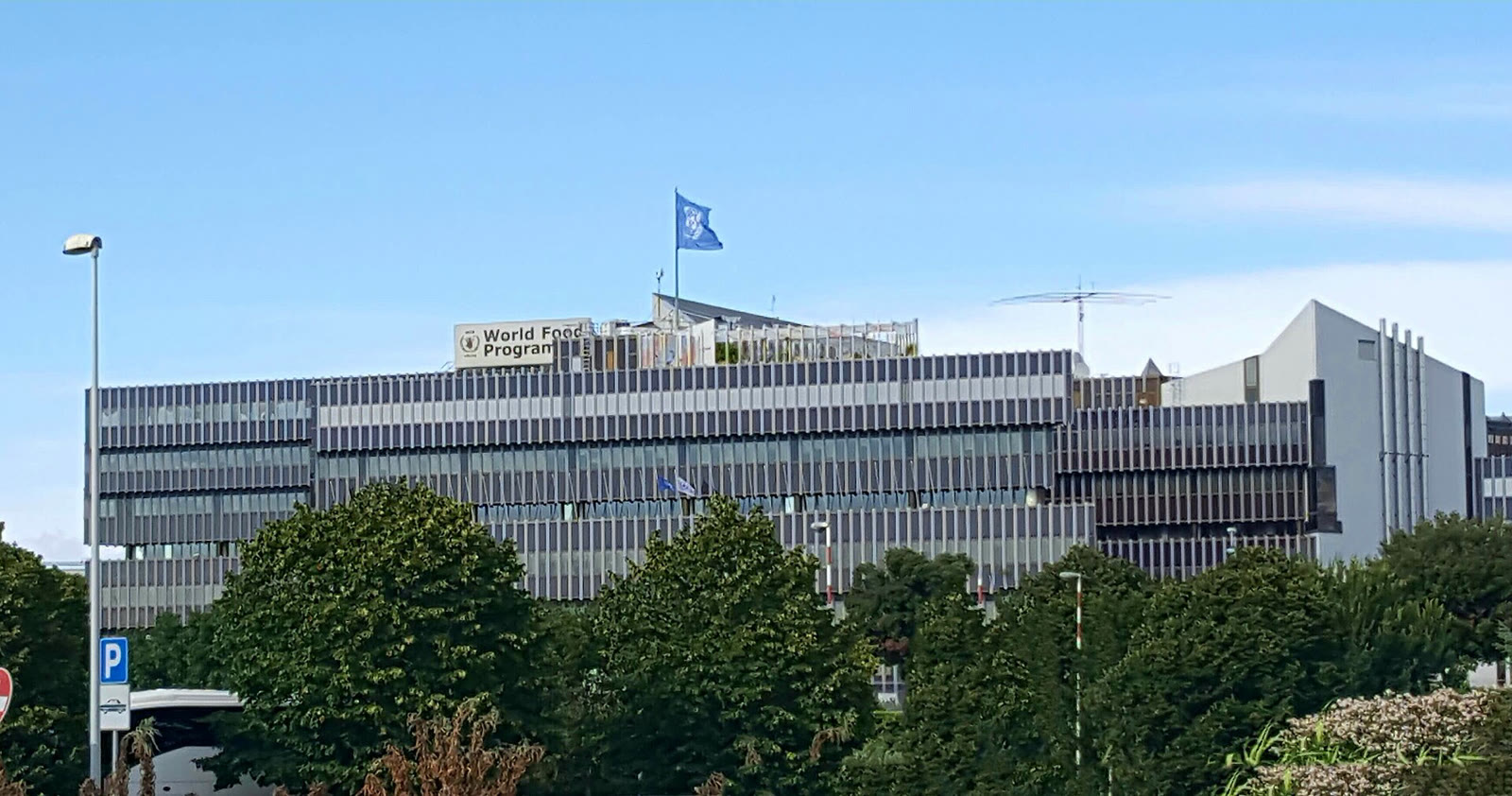
In Rome, Alimov says Western sanctions have complicated Russia’s UN payments
Russian Deputy Foreign Minister Aleksandr Alimov said Western sanctions had made it more difficult to make payments to programs within the United Nations system and to international organizations. Alimov said Moscow was continuing its mandatory and voluntary contributions to the UN budget, as well as payments to the FAO and the World Food Programme, through different financial mechanisms.


Stay Updated with RuskiGazeta
Subscribe to be informed about special news, developments and announcements. We will keep you informed.
By signing up, you agree to our Privacy Policy