- BIST10010,760-3.63%
- USD49.86+0.15%
- EUR55.82+0.52%
- GOLD3,898.90-3.29%
- INTEREST36.00%-1.00
- BITCOIN77,495+0.38%
- November 1, 202614°
- BIST10010,760-3.63%
- USD49.86+0.15%
- EUR55.82+0.52%
- GOLD3,898.90-3.29%
- INTEREST36.00%-1.00
- BITCOIN77,495+0.38%
- November 1, 202614°
Europe's closed doors drive Russian tourists to Vyborg
The number of visitors to Vyborg, Russia, rose from 1.3 million in 2022 to 1.9 million in 2025. Despite tensions on the Finnish border, hotel bookings for winter holidays also increased by 22 percent from the previous year.


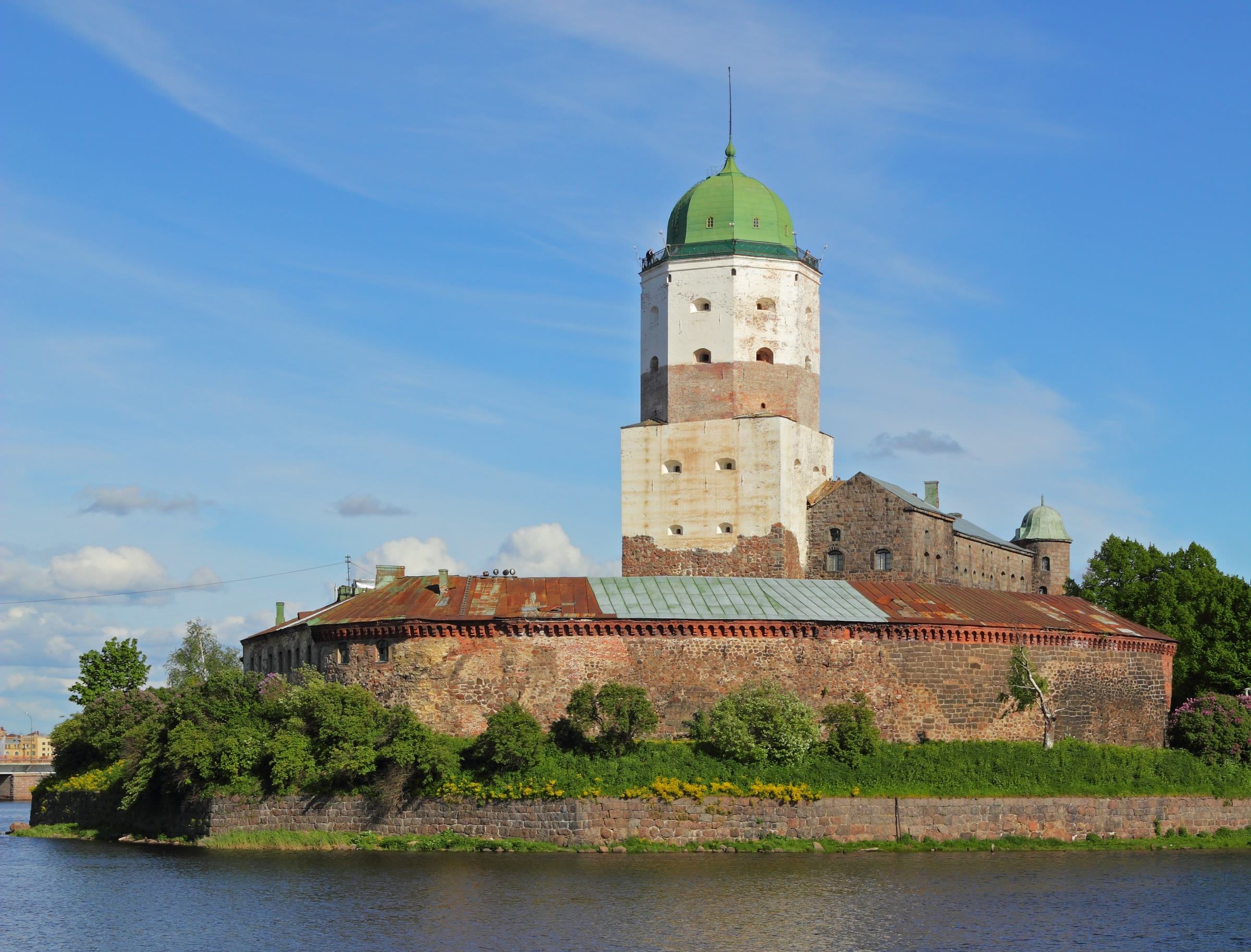
As travel to Europe has become more difficult, Vyborg in northwestern Russia has emerged as a popular destination for tourists seeking a Western atmosphere without leaving the country. Known for its Swedish-built castle, English-style landscaped park and medieval walls, the city saw visitor numbers rise from 1.3 million in 2022 to 1.9 million in 2025.
The local administration expects the figure to reach 2.1 million in 2026. Hotel bookings during the winter holiday period also increased by 22 percent compared with the same period a year earlier.
A European atmosphere within Russia
Vyborg hosts events featuring jousting tournaments, fairs and medieval-themed food. These events attract visitors who want to experience a European Christmas atmosphere without leaving Russia.
The tourism boom is continuing under the shadow of the war in Ukraine and tensions between Russia and NATO member Finland. The Finnish border is about 30 kilometers from Vyborg.
A military recruitment notice a few streets from the train station features images of soldiers from the Soviet era alongside Russian forces fighting in Ukraine. A young barista working in the city said mobile internet is occasionally cut off during drone attacks, but daily life otherwise continues normally.
From Sweden to Finland and then the Soviet era
Vyborg's history bears the marks of different rulers over the centuries. Swedish crusaders founded the city as a fortress on the Gulf of Finland in 1293. Captured by the forces of Peter the Great in 1710 during the Great Northern War, Vyborg became part of the autonomous Grand Duchy of Finland within the Russian Empire in 1812.
After Finland declared independence in 1917, the city remained within Finnish territory and became the country's second-largest city after Helsinki. After the Winter War began in 1939, Finland ceded Vyborg to the Soviet Union in 1940.
Finnish forces recaptured Vyborg in 1941, when Finland fought alongside Nazi Germany against the Soviet Union. Soviet forces retook the city in 1944. Vyborg's Finnish population was evacuated from the region and forced to leave their homes permanently.
Russia's official historical narrative often downplays the Soviet Union's invasion of Finland. A guide leading a group of students said Finland had handed the city to Russia and argued that valuable works in the museums had been taken away.
Finnish heritage on Vyborg's streets
Vyborg's Finnish past remains visible on the city's streets. A faded advertisement for the Finnish company Uuttaus Oy remains on the brick wall of a former factory. The city library, designed by Finnish architect Alvar Aalto and considered one of the symbols of 1930s Nordic functionalism, was restored in 2013 through a joint effort by Russian and Finnish experts.
The library's local history section contains books published jointly in Russian and Finnish. The old cemetery contains the graves of Finnish soldiers, while some shops continue to sell Finnish glassware, ceramics and other antiques brought to Russia after the sanctions.
Until a few years ago, it was common to encounter Finnish speakers in Vyborg. Tourist boats operating from Finland's city of Lappeenranta enabled Finns from Vyborg to visit the land of their ancestors. Some Finns also crossed the border to buy fuel, which was more expensive in their country.
Anna, a Vyborg resident, said that before 2022 they took day trips by bus from St. Petersburg to Finland to buy fish and other products. Anna said visas were not difficult to obtain at the time and that Finns welcomed Russian visitors warmly.
Another resident, Maria, said Lappeenranta was home to many Finnish-Russian families and that Finnish-registered vehicles were once a common sight in Vyborg. Maria's family bought land near Vyborg shortly before the war began. She said she had expected her father to travel to Finland to buy croissants for her mother, but the war began.
The border closed and daily ties were severed
Today, Russians make up most of the tourists in Vyborg. Among foreign visitors, Chinese tourists arriving from St. Petersburg for day trips are the most prominent group. Finnish glassware, ceramics and other antiques nevertheless remain available in the city.
Anna said she met a Finn who had come to Vyborg in the summer to research his family's roots. After having a beer, the visitor waited for a bus and went to look for his family's former home.
Finland joined NATO in 2023 after the invasion of Ukraine. Helsinki later closed its land borders with Russia following an increase in migrant crossings, for which it held Moscow responsible. Restrictions on Russian tourists further reduced travel between the two countries.
Tensions continued with drones reaching Finland and NATO exercises taking place. In March and April, four Ukrainian drones believed to be targeting Russia veered off course and crashed in Finland. A drone alert in May temporarily halted flights at Helsinki Airport.
That same month, the Northern Star exercise was held in Finland's Kainuu region, involving more than 5,000 troops from seven NATO countries. Finland also held the Karelian Sword exercise. In September, authorities announced that construction of 200 kilometers of fencing along parts of the Russian border had been completed.
Finnish officials also announced this month that suspicious unauthorized entries had been detected at the homes of several members of parliament, prompting a new security debate. The authorities did not publicly identify those responsible or disclose a possible motive.
Anna said she hoped relations would improve again in the future and that the border would once more become a place for reciprocal trade. Maria said visits to family and friends in Finland, shopping and everyday contacts had ended since the war began.
Stay Updated with RuskiGazeta
Subscribe to be informed about special news, developments and announcements. We will keep you informed.
By signing up, you agree to our Privacy Policy