- BIST10011,722-2.89%
- USD49.42+0.06%
- EUR55.41+0.20%
- GOLD4,182.10+0.29%
- INTEREST37.00%-1.00
- BITCOIN81,408-0.88%
- October 16, 202612°
- BIST10011,722-2.89%
- USD49.42+0.06%
- EUR55.41+0.20%
- GOLD4,182.10+0.29%
- INTEREST37.00%-1.00
- BITCOIN81,408-0.88%
- October 16, 202612°
At least 25 people died in bear attacks in Russia in 2026
At least 25 people have died in Russia since the beginning of 2026 as bears approached residential areas, tourist facilities and other places with large numbers of people. After attacks were recorded in at least 13 federal regions, heightened alert measures were introduced in some areas, while new measures to manage the bear population are being considered.


Authorities have increased security measures as bears approach human settlements in various regions of Russia, while at least 25 people have died in attacks since the beginning of 2026. Bear attacks on people were recorded in at least 13 federal regions from August through early October.
The affected areas include the Novgorod, Vologda, Tomsk, Kemerovo, Irkutsk and Amur regions; the republics of Altai, Tuva and Buryatia; the Krasnoyarsk, Kamchatka and Zabaykalsky regions; and the Chukotka Autonomous Region.
Security measures increased in Siberia and the Far East
Seven people died in bear attacks in the Krasnoyarsk region in August and September. As of October 8, 2026, 898 animals had been hunted as part of efforts to regulate the bear population in the region. The regional administration announced that a payment of 36,500 rubles would be made for each bear posing a threat.
At least 123 reports of bears being seen in and around populated areas in Krasnoyarsk have been received since the beginning of September. The region is home to approximately 26,600 brown bears, while bear numbers in some districts have increased 2.5-fold in recent years.
In the Irkutsk region, the emergency call system received 461 reports of bear sightings between September 28 and October 4. The presence of bears in the reported areas was confirmed in 193 of those cases. The region has been under a heightened alert regime since mid-September; as of October 1, 342 bears had been hunted, with the number expected to reach 542 by the end of the year.
About 15 to 20 bear reports are received in Buryatia every day. Population-control measures have been carried out for 397 bears in the region to date. A payment of 15,000 rubles is planned for the hunting of a bear posing a threat to human life and health, while 6,000 rubles will be paid for bears hunted as part of amateur or recreational hunting.
In the Zabaykalsky region, 15,000 rubles is also paid for hunting bears that pose a threat. More than 100 reports of wild animals being seen had been received by early October, 35 of them directly within populated areas. The region has been under a heightened alert regime since September 29.
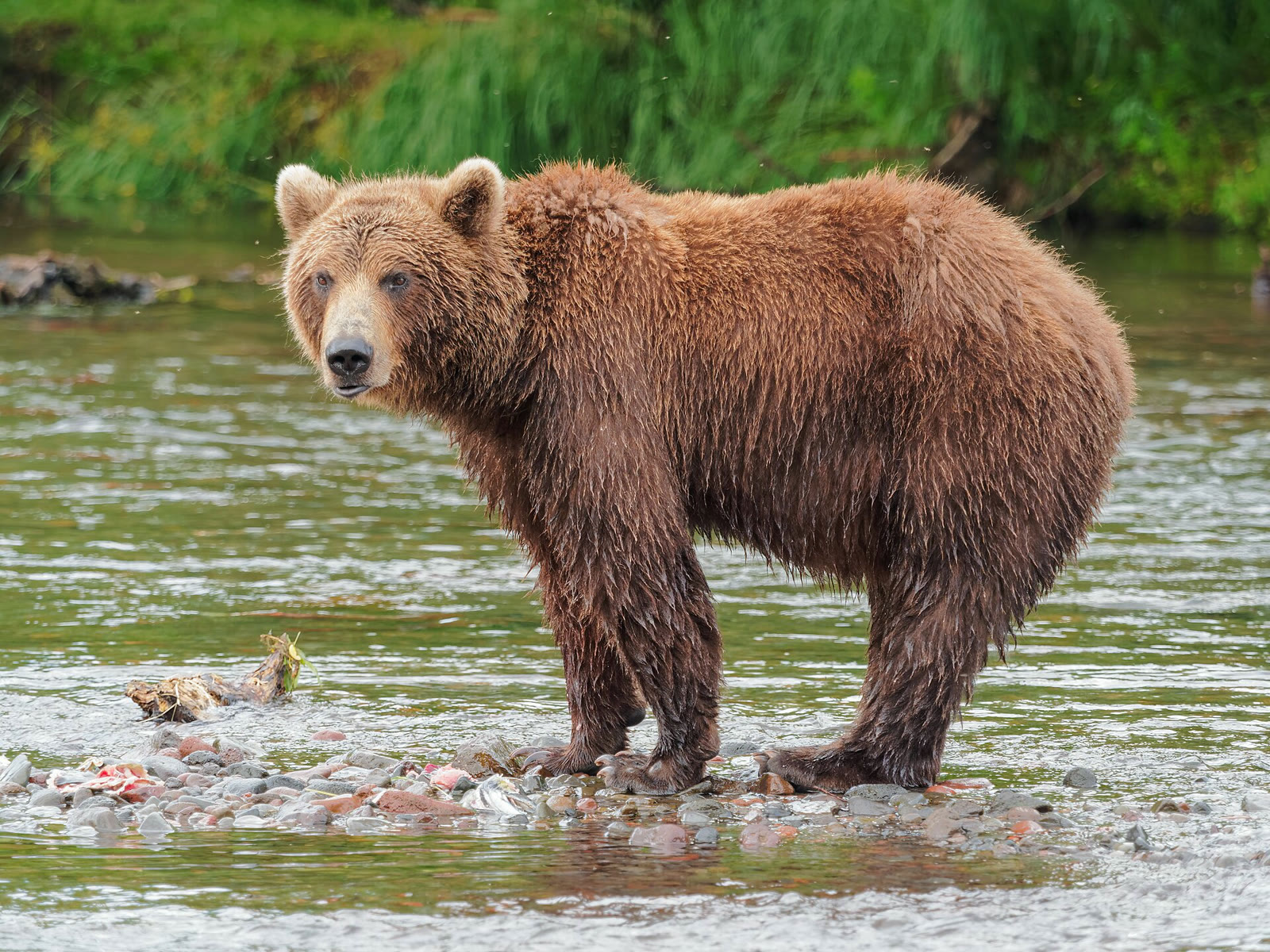
Bears entering cities and towns have also affected daily life. After a bear was seen in the city of Zakamensk in Buryatia, two schools and a technical college switched to remote learning. Movement restrictions were imposed at night in Baykalsk in the Irkutsk region, public events were limited in the Tomsk region, and a running event was canceled in Sakhalin.
Attacks causing deaths in several regions
A 29-year-old woman from Novosibirsk was attacked by a bear at a tourist facility in the village of Artybash in the Altai Republic. The woman was dragged from her tent into the forest at night and died from severe injuries.
On September 22, a bear attacked a tourist group from Moscow camping on the banks of the Bolshoy Yenisei River in the Republic of Tuva. A man approximately 60 years old was seriously injured and taken by medical aircraft to a hospital in Kyzyl. The injured tourist died two days later.
Two separate attacks in the Irkutsk region resulted in the deaths of two people at the beginning of October. On October 2, a bear attacked a 71-year-old man near the mouth of the Ilim River. Two days later, a bear entered a residential trailer at an enterprise approximately 300 kilometers from the settlement of Magistralny and attacked an employee inside. Both victims died at the scene.
In the village of Verkhny Kebezh in the Krasnoyarsk region, a 66-year-old woman died in a bear attack in the yard of a private home on the night of September 16. The animal fled after the incident, and hunters were asked to help locate it.
Brown bear population has increased 2.3-fold since 1990
According to data from Russia’s Natural Resources Ministry, the country’s brown bear population reached 307,900 in 2026. The population, which stood at approximately 130,000 in 1990, has increased more than 2.3-fold over 36 years.
The Krasnoyarsk region has the largest brown bear population. Khabarovsk ranks second with 26,200 bears, followed by Kamchatka with 24,500 and the Irkutsk region with 22,400. Yakutia has 18,800 bears, the Amur region has 13,300, and the Tomsk region has 11,200.
The government plans to identify regions requiring additional funding and prepare a decision to transfer the necessary allocations from the federal budget. Legal amendments that would allow regional administrations to regulate the bear population more quickly are also being considered.
Removing the brown bear from the list of species subject to quotas is also under consideration. Authorities also plan to increase inspections of food waste and landfills near populated areas and tourist facilities.
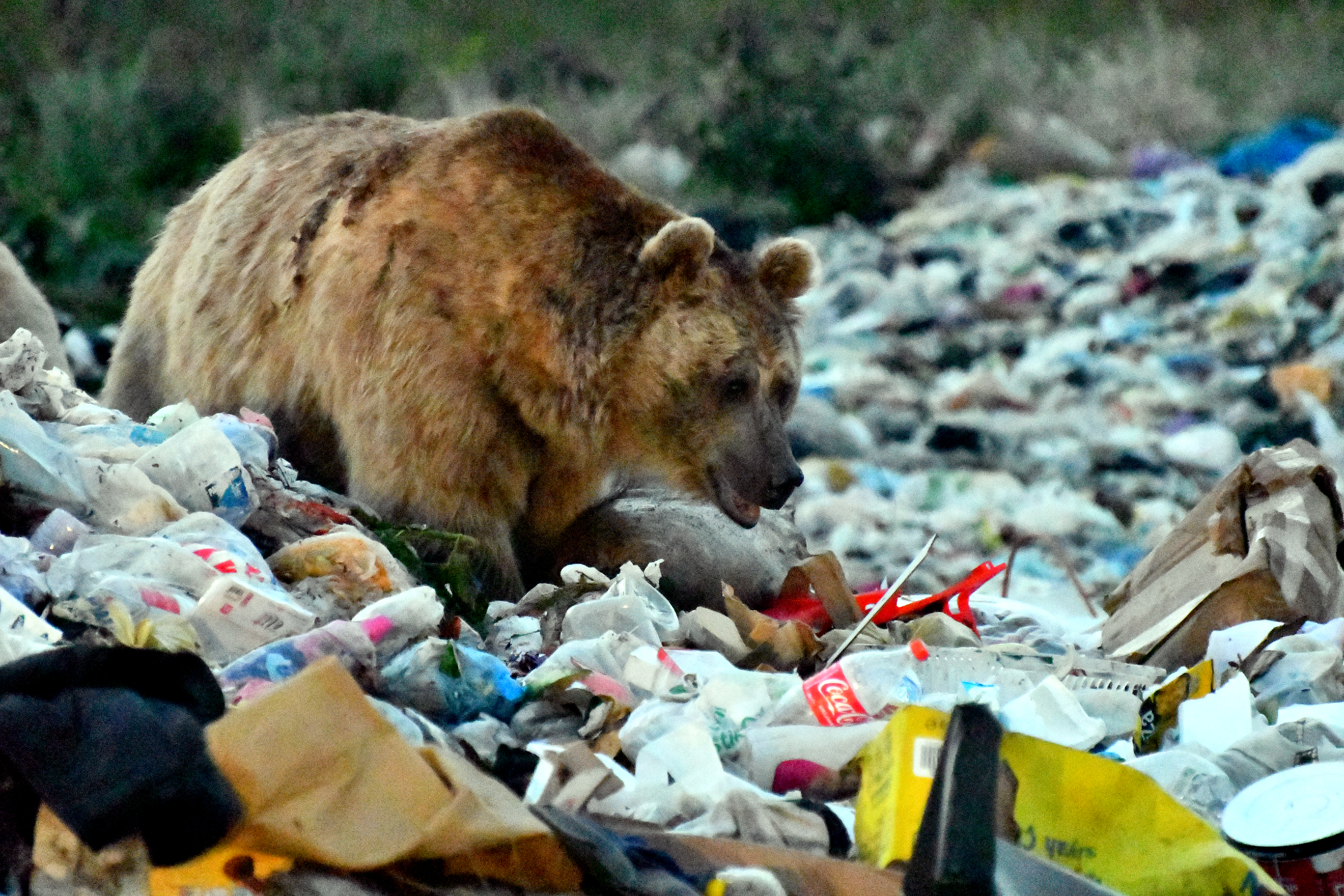
The Natural Resources Ministry says 2026 cannot yet be described as a record year for bear attacks. Ministry data shows that about 20 to 30 bear attacks have been recorded in Russia each year in recent years. The figure was 19 in 2024 and 34 in 2025. The highest number was recorded in 2014, with 166 attacks.
Experts point to food sources and human activity
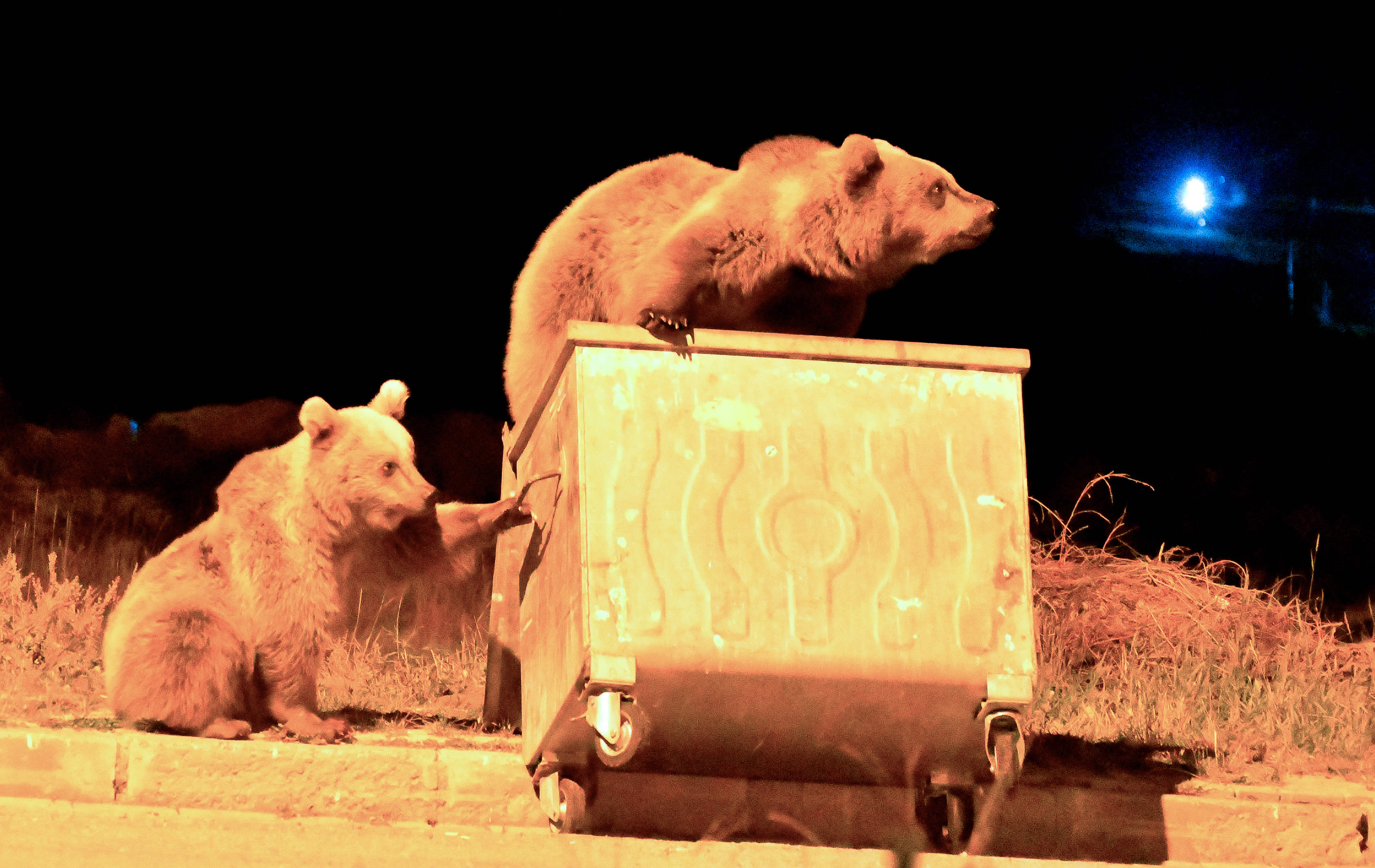
Experts do not attribute bears’ movement toward populated areas solely to an increase in their numbers. Open waste containers, unauthorized dumps and food left at tourist camps also draw bears into areas where people are present.
Bears becoming accustomed to finding food near people can cause them to lose their natural wariness. Tatyana Primak, a scientist at a research institute in Kamchatka, said bear behavior could not be explained by a single pattern.
Primak said the increase in conflicts between people and brown bears in Kamchatka over the past five to eight years had been driven by the growing human presence in natural areas, the expansion of tourism infrastructure, poaching and river tourism.
Primak also stressed that an increase in conflicts between people and bears did not mean that bear attacks had risen at the same rate. She said 51 bear attacks had been recorded in Kamchatka from 2011 through June 2026. Twenty-five people died and 31 were injured in these incidents. Approximately 94% of the attacks occurred in natural areas away from populated settlements.
Safety advice for encounters with bears
Experts and rescue teams recommend moving through forested areas in groups whenever possible. People are advised to make their presence known by talking and making noise, to remain on designated routes and to stay away from animal trails.
Keeping food and waste away from tents is also recommended. If a bear is encountered, people should remain calm, avoid approaching it and not try to run away.
Experts advise people not to look directly at the animal, shout, wave their arms or throw objects at it. If a bear approaches, people should avoid sudden movements and slowly back away.
Fluffed-up fur, erect ears and a fixed stare may indicate that the animal is aggressive. However, these signs do not always mean an attack is inevitable, so caution is necessary during an encounter.
Stay Updated with RuskiGazeta
Subscribe to be informed about special news, developments and announcements. We will keep you informed.
By signing up, you agree to our Privacy Policy