Russia’s Ambassador to Germany Sergey Nechayev said relations between the two countries had reached a point that would have been unthinkable even to him several years ago. Nechayev argued that the Berlin government had comprehensively dismantled the ties built between Russia and Germany over centuries and that diplomatic relations risked being completely severed.
Nechayev described Germany’s closure of Russia’s Consulate General in Bonn and the expulsion of Russian House employees in Berlin as a “freezing point” in bilateral relations. Nechayev said the decision was based on accusations linked to a malfunctioning unmanned aerial vehicle found at Leipzig Airport, and argued that political, diplomatic and moral boundaries had disappeared after the development.
Berlin embassy faces heavier consular workload
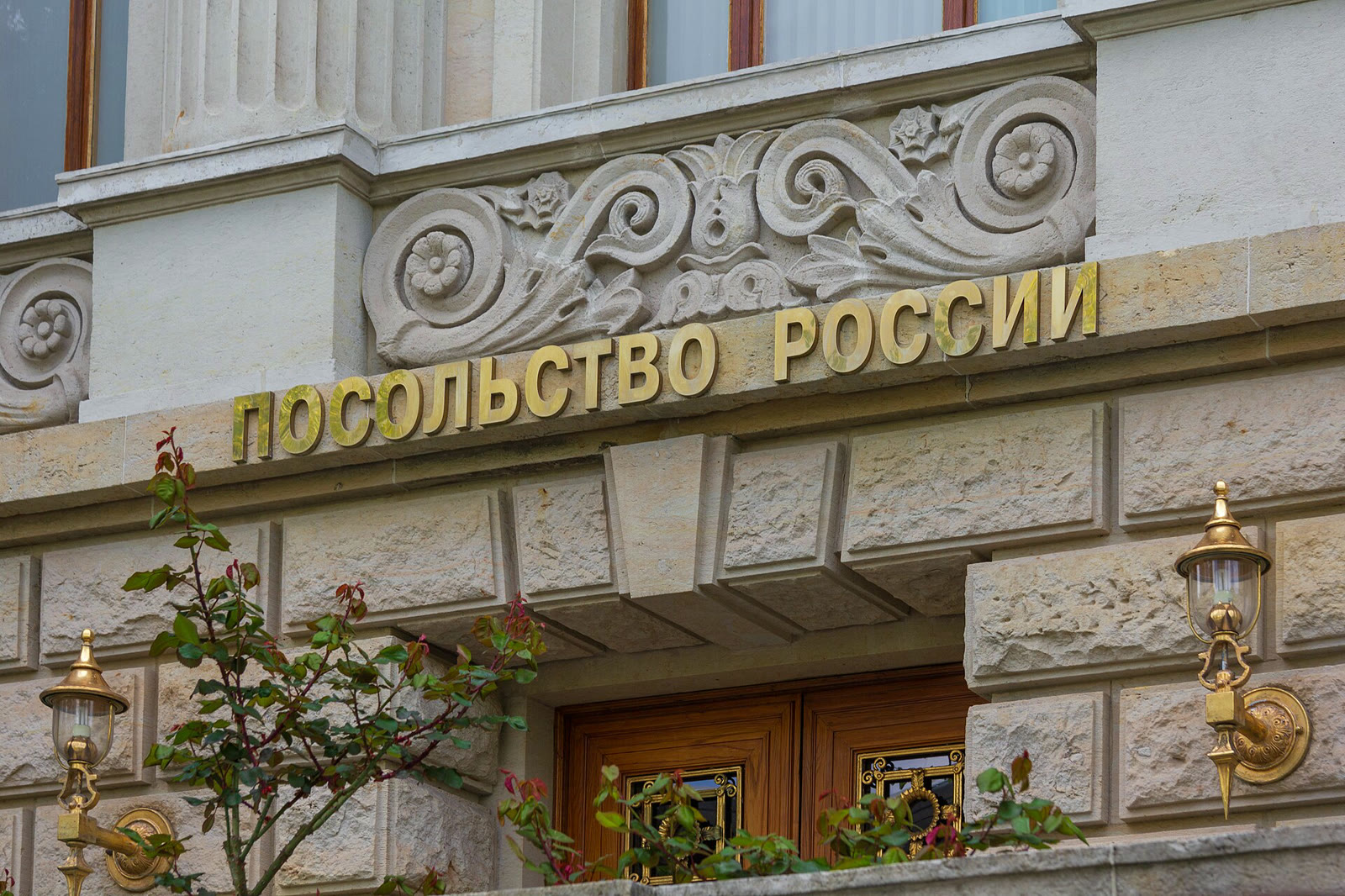
Nechayev said Russia’s embassy in Berlin was the country’s only remaining official representation in Germany. The ambassador said Russian citizens living in Cologne, Munich and Frankfurt would have to travel to Berlin for passport and power-of-attorney procedures because of the closure of the Bonn Consulate General, making access to consular services more difficult for hundreds of thousands of people.
Nechayev said Germany had not allowed employees of the closed consulate general to join the embassy and had ordered them to leave the country immediately. He said the workload of the consular section in Berlin had multiplied. Nechayev explained that teams had been reorganized to maintain services, mobile consular sessions had been expanded and work was also being carried out on weekends.
The Russian ambassador said the embassy was not responsible only for consular procedures. Nechayev said the embassy’s responsibilities also included protecting other Russian-owned properties and maintaining life-support systems, in addition to the five consulates general that had previously operated in Germany.
Nechayev: Russia’s return is not far away
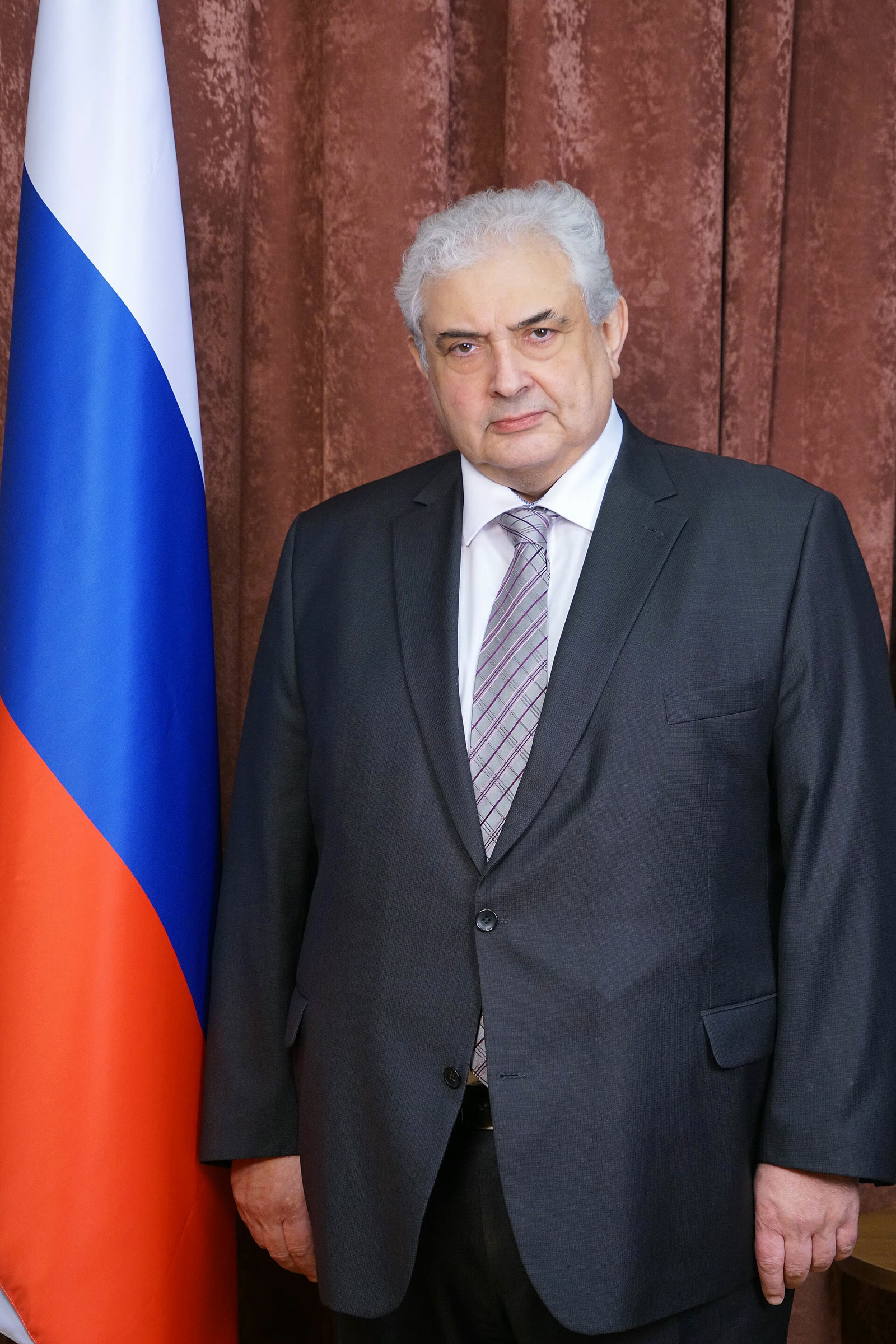
Commenting on his words, “We will return here,” spoken at the closing ceremony of the Bonn Consulate General, Nechayev argued that the time when Russia’s consular presence in Germany would be restored was not far away. The ambassador said history was cyclical and that close, mutually beneficial political, economic and social relations with Russia were important for Germany’s security and prosperity.
Nechayev argued that Germans’ desire to go to war with Russia had ended in disaster throughout history. He said some German and European politicians needed to remember the fundamental lessons of history, and claimed that ordinary citizens in Germany remembered those lessons better than politicians did.
German public opinion and Europe’s defence spending
Referring to street demonstrations in Germany calling for relations with Russia to be preserved, Nechayev said they had no problem with the German people. The ambassador claimed that most German citizens believed the country should move away from confrontational and militaristic rhetoric, normalize relations with Russia and restore constructive dialogue.
Nechayev argued that the policies of some political and economic circles in Europe were receiving decreasing support from the public. He said German citizens did not want their economies, industries and social sectors to suffer. He added that these views were reflected not only in street demonstrations but also in elections.
Nechayev said the trend toward rearmament in Europe was concerning for Moscow. He argued that it was based on contradictory assessments by some European countries that Russia was preparing to attack NATO while also approaching a strategic defeat. Nechayev claimed that taxpayers might not be pleased with rising defence spending and the billions of euros used to provide military support to Ukraine, and argued that these policies were deepening social and economic problems.
State elections and war memorials
Nechayev said he did not want to characterize the results of the state elections held in Germany directly, adding that the elections represented citizens’ response to government policies. He said some political trends in the country were clearly visible.
Nechayev said one of the few areas where constructive dialogue between Russia and Germany continued was military memorials and war cemeteries. He expressed concern that Russian diplomats were not being invited to commemorative events and that calls were being made to reassess some memorials.
Nechayev criticized efforts to prevent the display of symbols of the Soviet victory at Soviet military memorials and cemeteries, to exclude Russian representatives from commemorative events and to reinterpret certain parts of the history of the Second World War. He said Russia opposed these trends at the political, military-historical, communications and intersocietal levels.
The Russian ambassador said Russian community organizations, civil initiatives, antifascist activists, memorial organizations and some local politicians in Germany were trying to preserve the memory of Soviet soldiers. Nechayev also expressed satisfaction with cooperation with the German War Graves Commission on the maintenance and preservation of Soviet military cemeteries.