- BIST10010,760-3.63%
- USD49.86+0.15%
- EUR55.82+0.52%
- GOLD3,898.90-3.29%
- INTEREST36.00%-1.00
- BITCOIN77,373+0.22%
- November 1, 202614°
- BIST10010,760-3.63%
- USD49.86+0.15%
- EUR55.82+0.52%
- GOLD3,898.90-3.29%
- INTEREST36.00%-1.00
- BITCOIN77,373+0.22%
- November 1, 202614°
Russia expected to extend diesel export ban to meet US supply deal
Russia is expected to extend its export ban until the end of the year and allow some companies to ship under quotas to meet the terms of its new diesel supply agreement with the United States. Raising the quotas to 2 million tons in November would allow any surplus created by the recovery in refinery production to be directed to foreign markets.


The new diesel supply agreement signed with the United States provides for Russia to maintain its export ban until the end of the year while allowing some companies to ship under quotas.
Two people familiar with the talks said the agreement took shape after a phone call earlier this month between Russian President Vladimir Putin and US President Donald Trump. The Russia-Ukraine energy ceasefire announced alongside the agreement cleared the way for Russia to increase fuel production.
November quota to rise to 2 million tons
Under the current ban, the Russian government allows limited exports through a quota system. The quota set for November is planned to rise to 2 million tons, four times the October level. This volume is equivalent to approximately 500,000 barrels per day.
Shipments based on existing intergovernmental agreements will also continue. In October, some refineries were exempted from the export ban, and those companies were allocated a total quota of 500,000 tons.
New government decree expected
The diesel export ban currently in force is expected to expire on October 31. A new decree expected to be issued at the beginning of November is expected to expand the range of refineries allowed to export and set new limits.

If the quotas are exhausted quickly, the government could consider raising the amount again. Russia’s Energy Ministry did not respond to a request for comment.
Rising refinery capacity increases export pressure
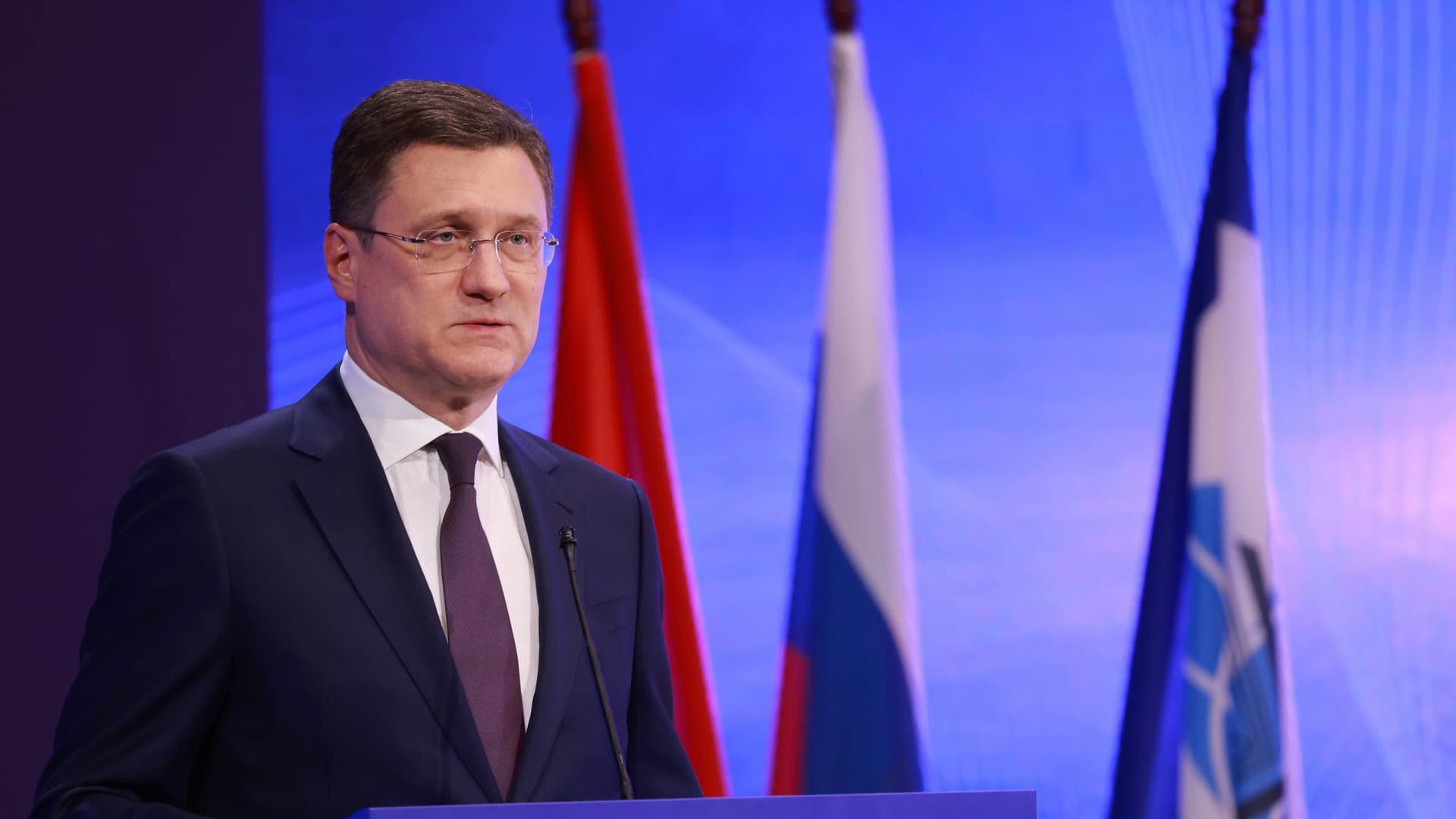
Deputy Prime Minister Alexander Novak announced on Tuesday that three tankers carrying Russian diesel to foreign markets had departed. Novak said a fourth tanker would leave on October 28 and that Russian refineries had rapidly recovered after completing maintenance work.
Refinery capacity utilization rose 25% at the end of October compared with the beginning of the month after drone attacks on the facilities declined. Fuel shortages earlier in the year led the government to continue closely regulating exports of petroleum products.
Russia’s nominal diesel production is approximately 40% higher than domestic consumption. New export channels are needed to limit the surplus that could emerge as refineries return to normal operating levels.
Stay Updated with RuskiGazeta
Subscribe to be informed about special news, developments and announcements. We will keep you informed.
By signing up, you agree to our Privacy Policy