New restrictions on fuel sales in Orenburg Region came into effect after unmanned aerial vehicle attacks disrupted shipments of fuel and lubricants. Regional Governor Yevgeny Solntsev announced that delivery logistics would be changed and fuel supplies would continue under a new system.
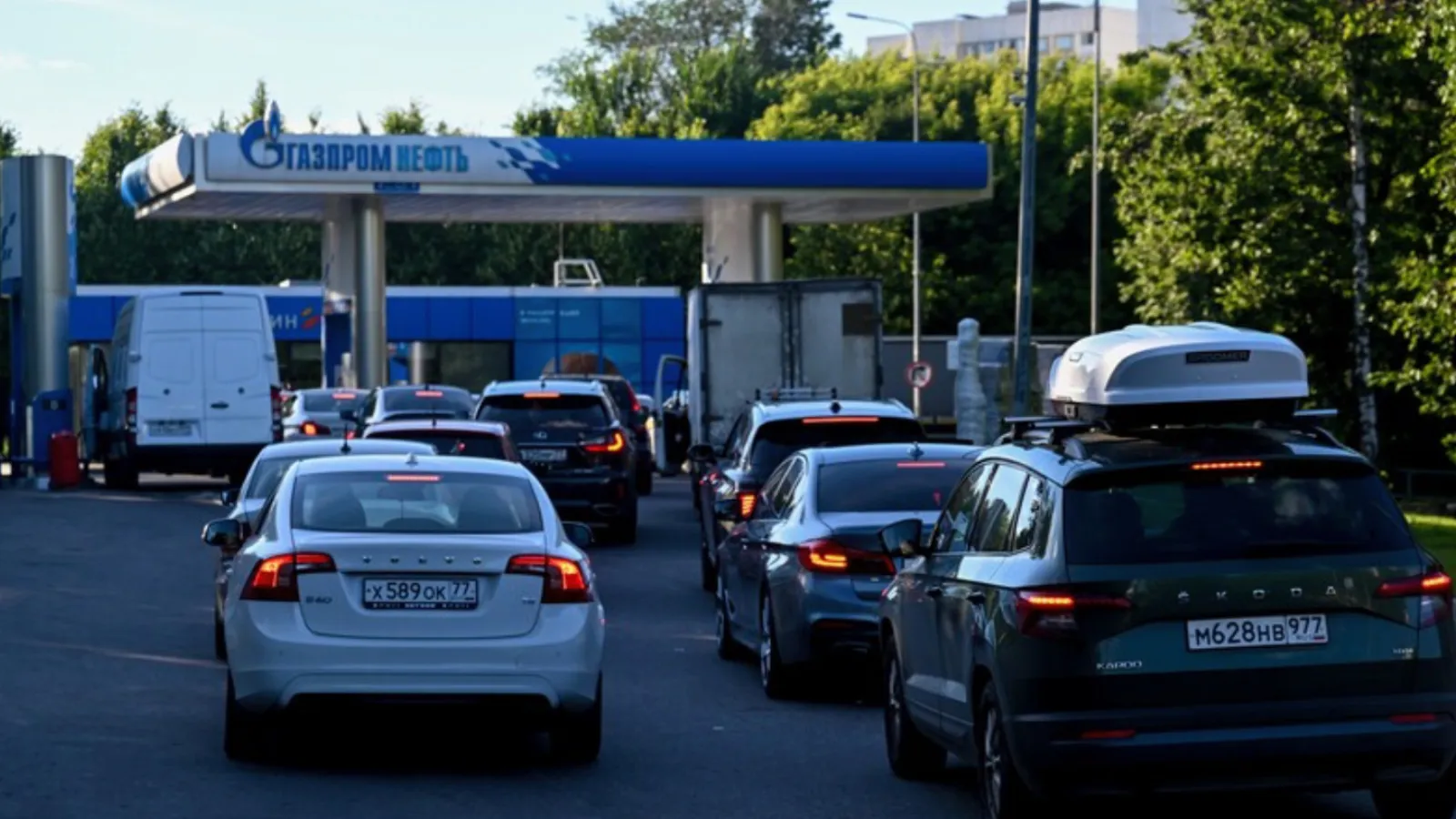
By decision of the regional operations center, restrictions were imposed on fuel sales to individuals and legal entities. The measures took effect at all fuel stations across the region from 12:00 p.m. on August 12.

Fuel purchases tied to license plate system
On August 12, fuel will be sold to vehicles whose license plates end in an even number, while on August 13 it will be sold to vehicles whose plates end in an odd number. The daily system will continue in this order.
Purchasing fuel in canisters has been banned, while gasoline sales have been limited to a minimum of 15 and a maximum of 30 litres per person. Diesel sales will be capped at 60 litres at stations in populated areas and at 200 litres at stations on intermunicipal, regional and federal highways.
Emergency services given fuel priority
Solntsev said the regulation aims to ensure that healthcare services, firefighters, security forces and public transportation can continue operating at their current level. Ministry of Internal Affairs personnel and volunteers will coordinate the measures at fuel stations.
The governor said the situation with fuel supplies would be resolved shortly. Solntsev also announced that agreements had been reached with other regions for fuel supplies and that cooperation with Russian Railways had been strengthened.
UAV incidents reported in Orenburg on August 10 and 11
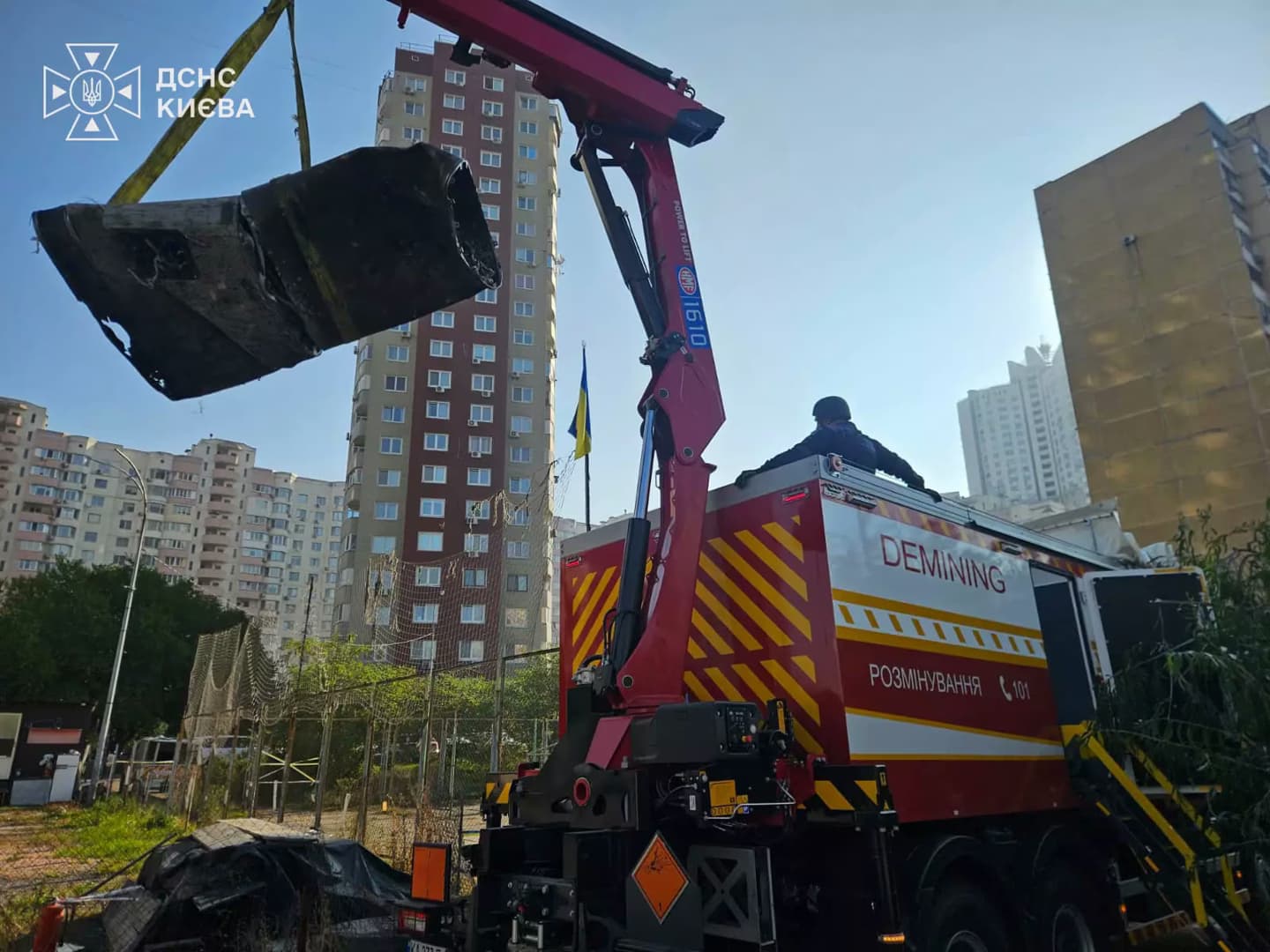
Russia’s Defense Ministry said that unmanned aerial vehicles had been shot down over Orenburg Region on August 10 but did not disclose how many were downed. On August 11, a fire broke out at an industrial facility in the region following a UAV attack.
Fuel sales restrictions had previously been imposed in various Russian regions after attacks on refineries caused disruptions to fuel supplies. During that period, sales of lower-grade gasoline were permitted, while limits were also placed on the amount of fuel each person could purchase.