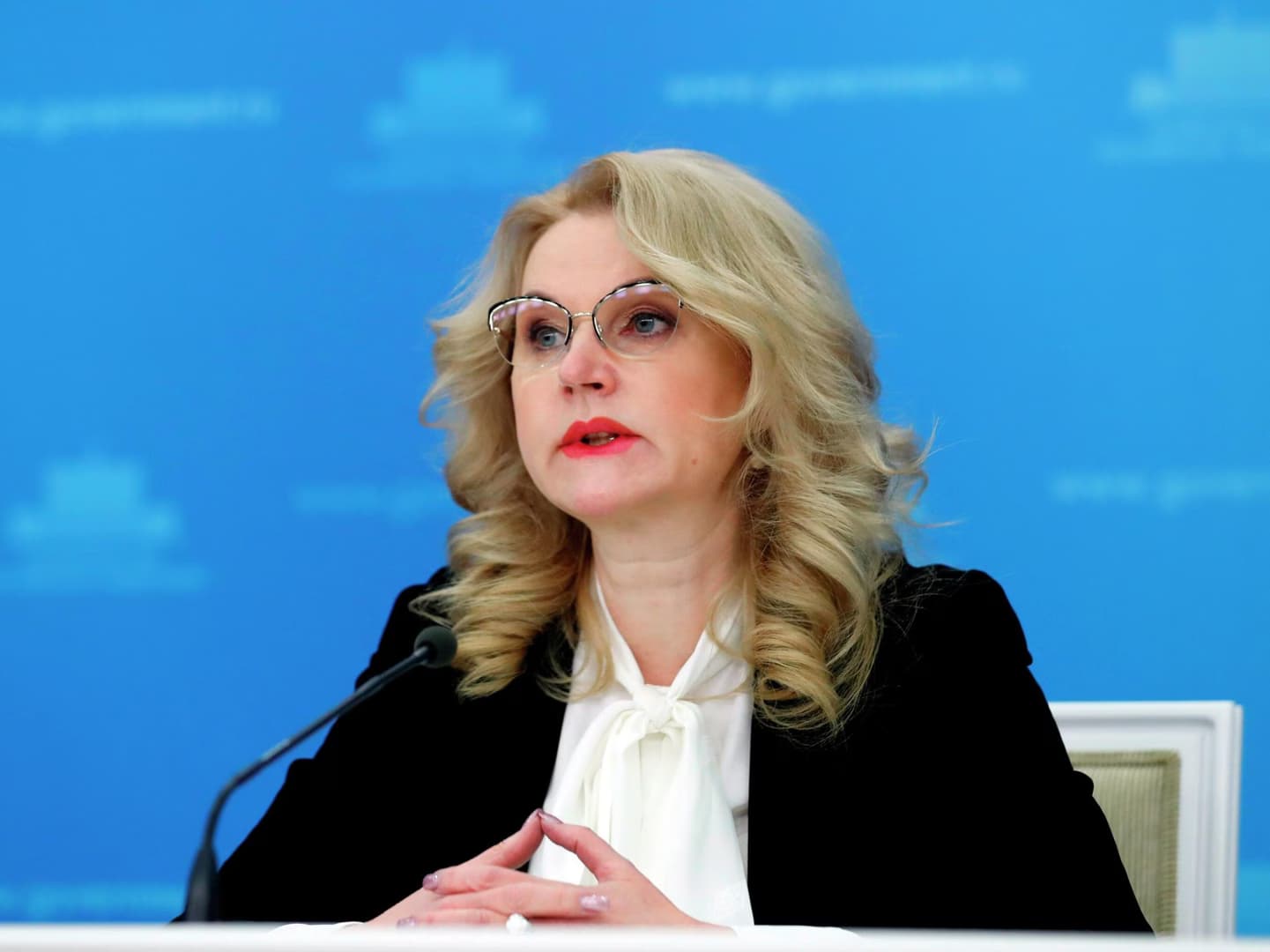
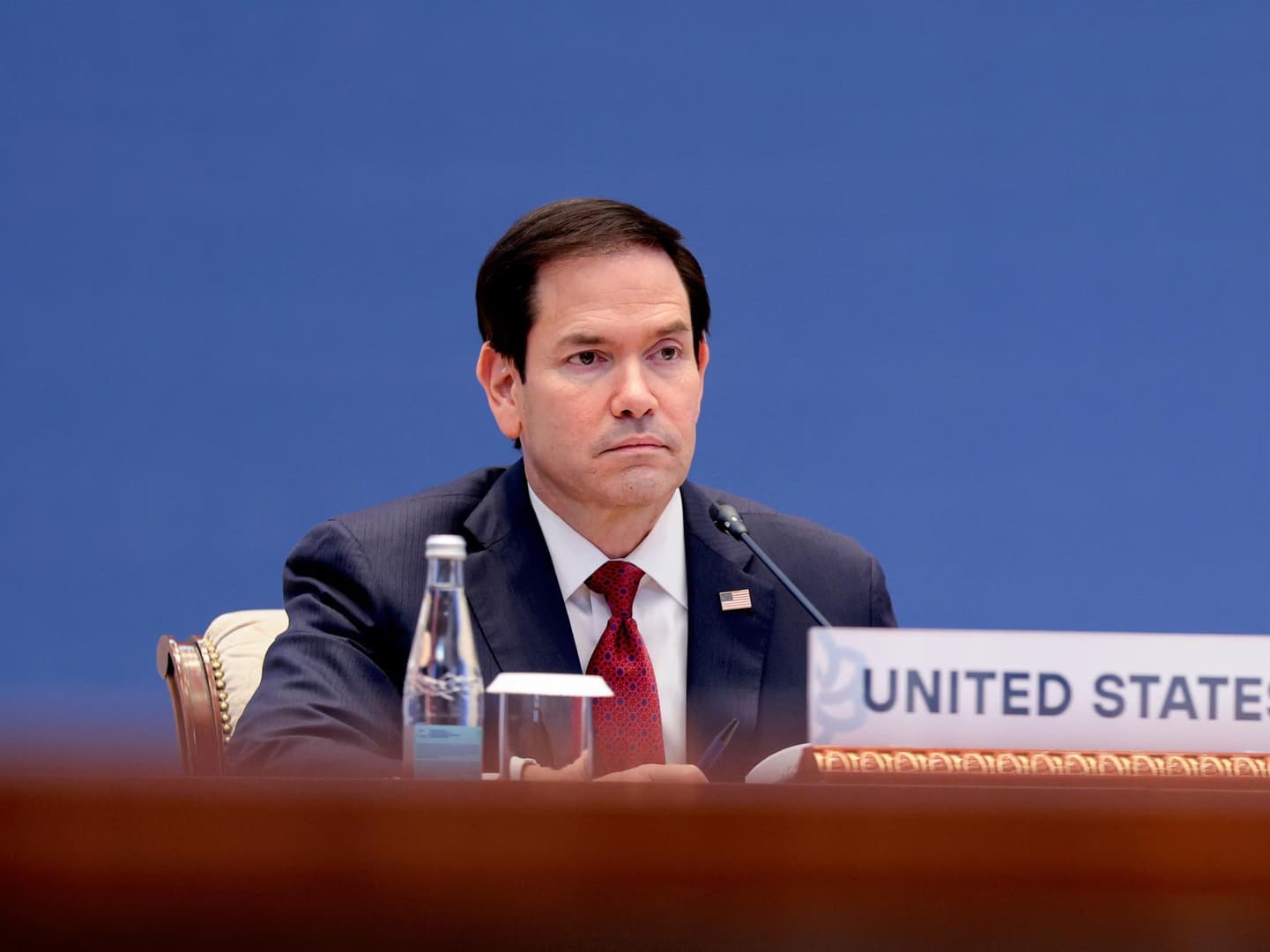
Amid diplomatic tensions between Russia and Japan following Vladimir Putin’s visit to Iturup Island in the Kuril Islands, Russian Foreign Minister Sergey Lavrov criticized Tokyo’s comments. Lavrov described Japan’s view that the Russian president’s visit to a region Russia considers its territory was unacceptable as “crossing the limits of diplomatic courtesy.”
Lavrov made the remarks at a press conference in Moscow following his bilateral meeting with Ghanaian Foreign Minister Samuel Okudzeto Ablakwa.
Moscow recalls the UN Charter
Pointing out that Japan is a member of the United Nations, Lavrov said the country had fully accepted the principles of the UN Charter when it joined the organization. The Russian minister questioned whether Japan had read the charter, particularly Article 107, before signing it.
Article 107 of the UN Charter allows the Allied states that prevailed in World War II to take measures against countries that were enemies during the war without the authorization of the United Nations. Lavrov said Japan was initially defined as an enemy state in the UN Charter and had expressed regret over its military policies before joining the organization.
Russia and Japan summon each other’s ambassadors
After Japan’s Foreign Ministry summoned Russia’s ambassador to Tokyo, Russia’s Foreign Ministry also summoned Japan’s ambassador to Moscow.
Lavrov said they had been informed that the Japanese ambassador was not in Moscow and had fallen ill, but added that the ambassador should come to the Russian Foreign Ministry regardless.
Lavrov also said that the Japanese ambassador had previously brought a delegation of Japanese businesspeople in Russia to the country without informing the Russian Foreign Ministry in advance.
Iturup visit prompts Tokyo protest
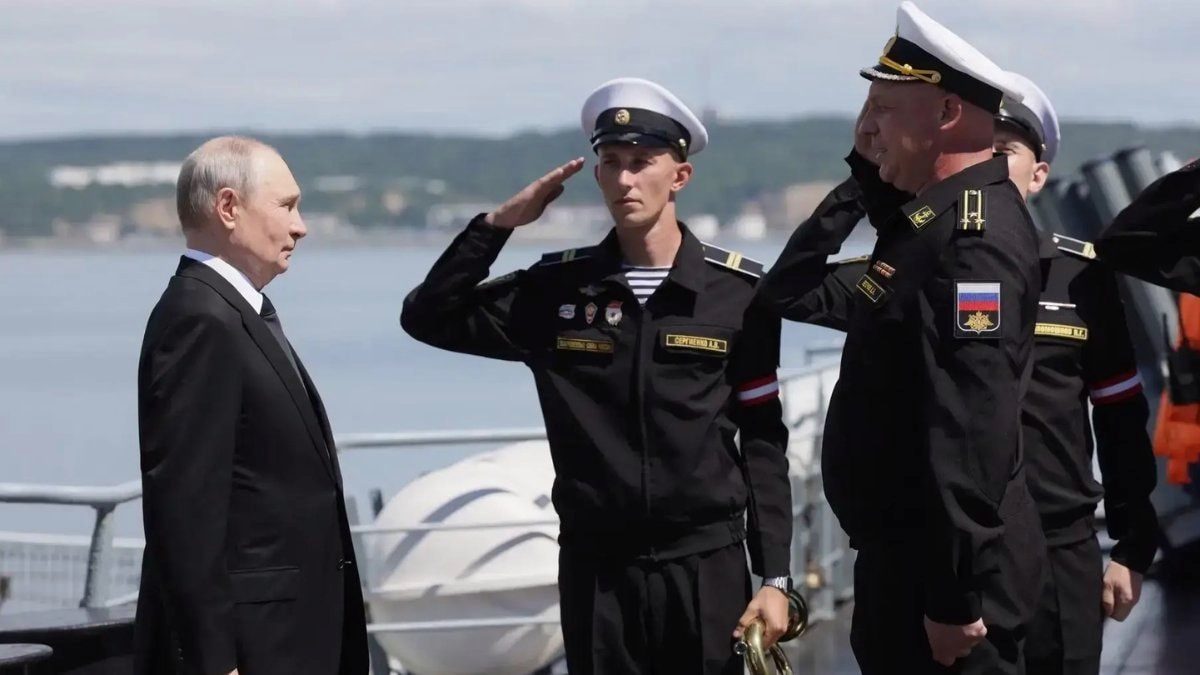
On Thursday, Vladimir Putin visited Iturup Island, part of the Kuril Islands over which Tokyo and Moscow have a sovereignty dispute. Japan issued a “strong protest” after the visit.
Iturup Island, which is part of the Sakhalin region, is located in the southern Kuril Islands. The islands were under Japanese sovereignty until the end of World War II before coming under the control of the former Soviet Union in 1945.