- BIST10011,583-1.18%
- USD49.45+0.05%
- EUR55.62+0.37%
- GOLD4,188.70+0.18%
- INTEREST37.00%-1.00
- BITCOIN82,187+0.21%
- October 19, 202617°
- BIST10011,583-1.18%
- USD49.45+0.05%
- EUR55.62+0.37%
- GOLD4,188.70+0.18%
- INTEREST37.00%-1.00
- BITCOIN82,187+0.21%
- October 19, 202617°
Rubio in Samarkand says the U.S. is ready to mediate in Ukraine
U.S. Secretary of State Marco Rubio said in Samarkand, Uzbekistan, that the United States is ready to mediate in Ukraine. Rubio said Russia and Ukraine should make ending the war their priority and warned that the conflict could spread to other countries.
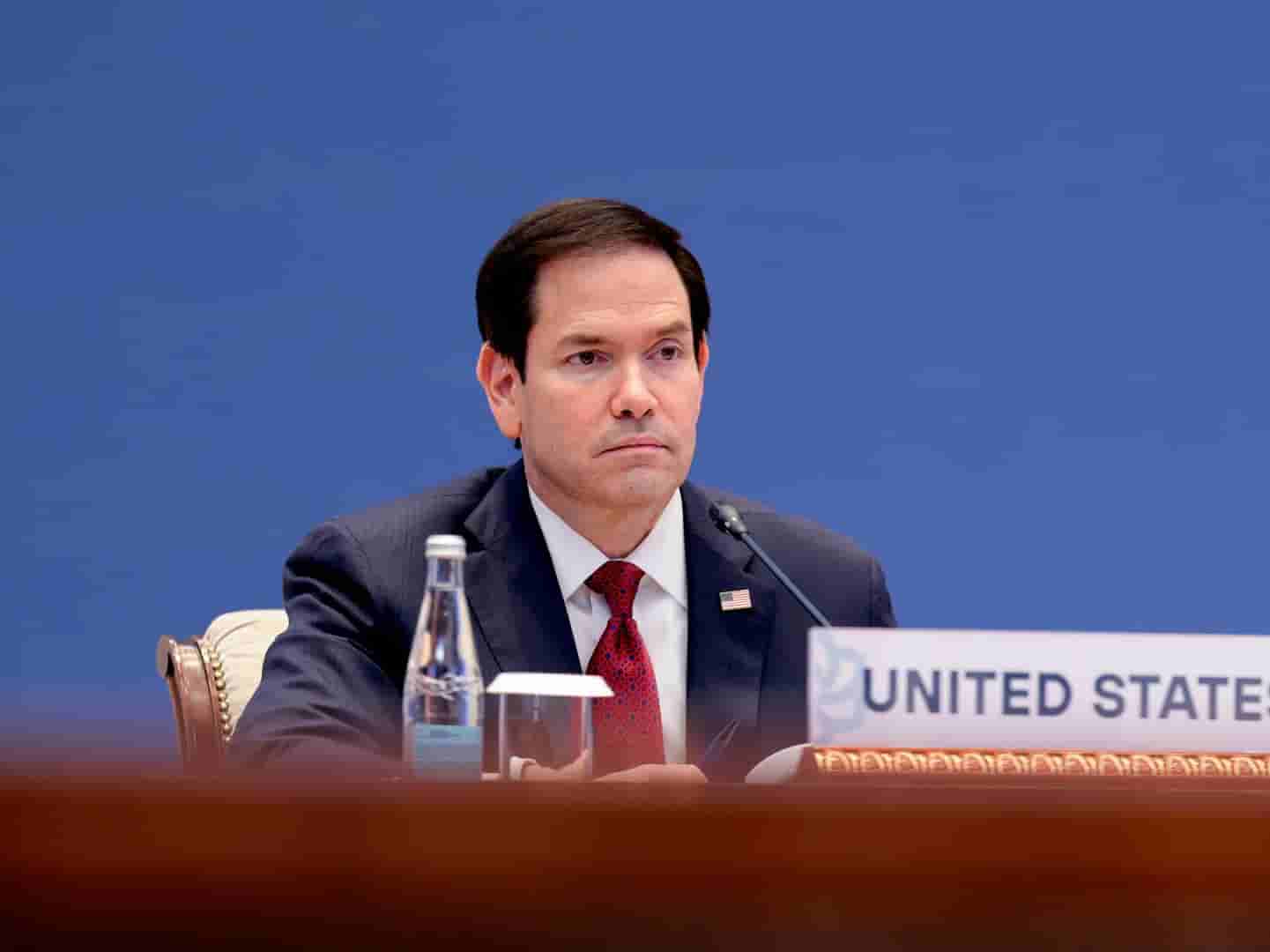
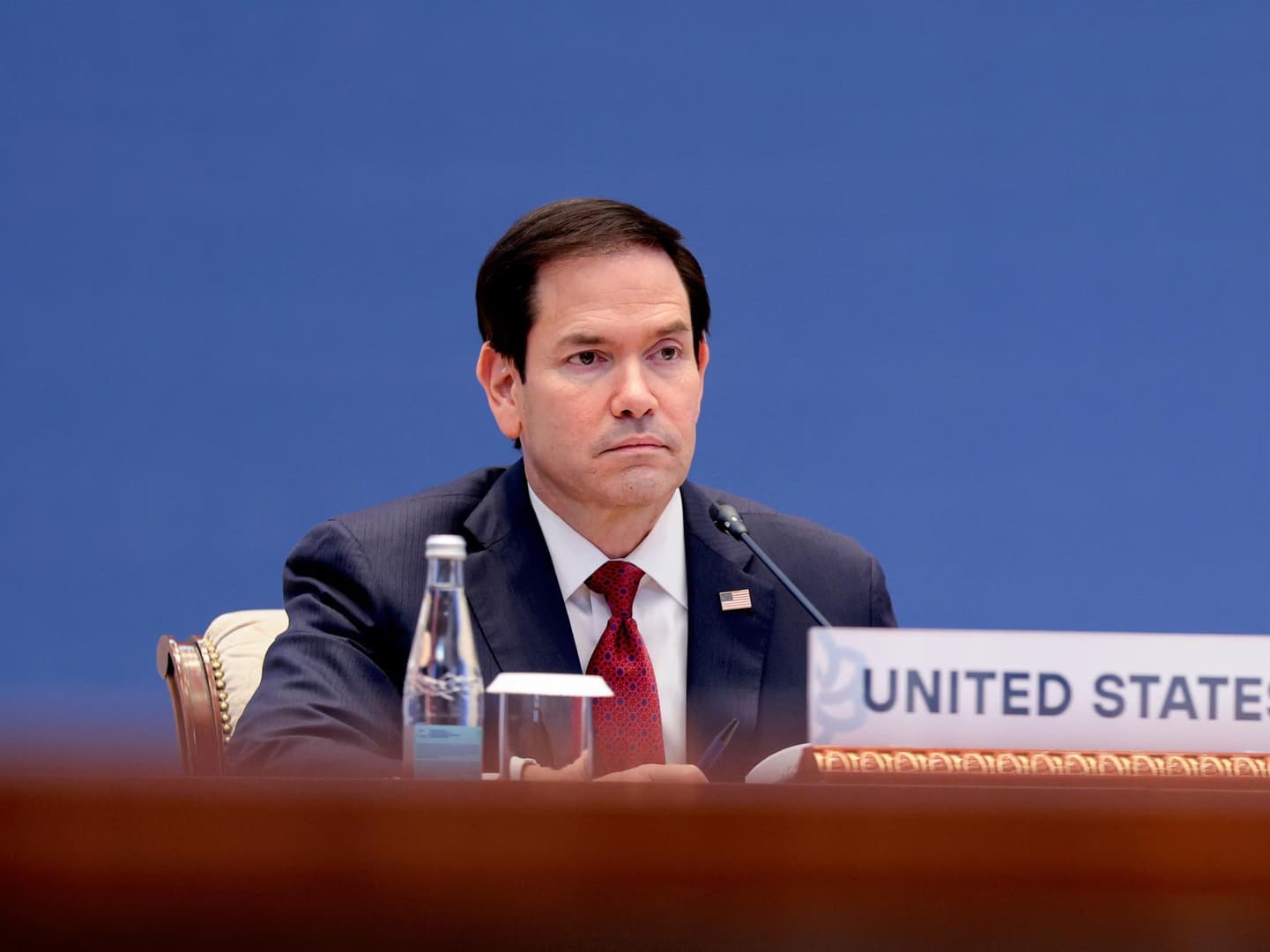
U.S. Secretary of State Marco Rubio said it would be difficult to resolve the conflict in Ukraine through negotiations. Nevertheless, Rubio said the United States was ready to assume a mediating role if a suitable opportunity arose.
Rubio said Washington had the capability and preparation needed to contribute to talks aimed at ending the war. He said he believed the conflict would ultimately end through negotiations.
Washington sets conditions for mediation
Rubio emphasized that conducting the talks necessary for a solution would not be easy. He said the United States could mediate the process of ending the war only when suitable conditions emerged.
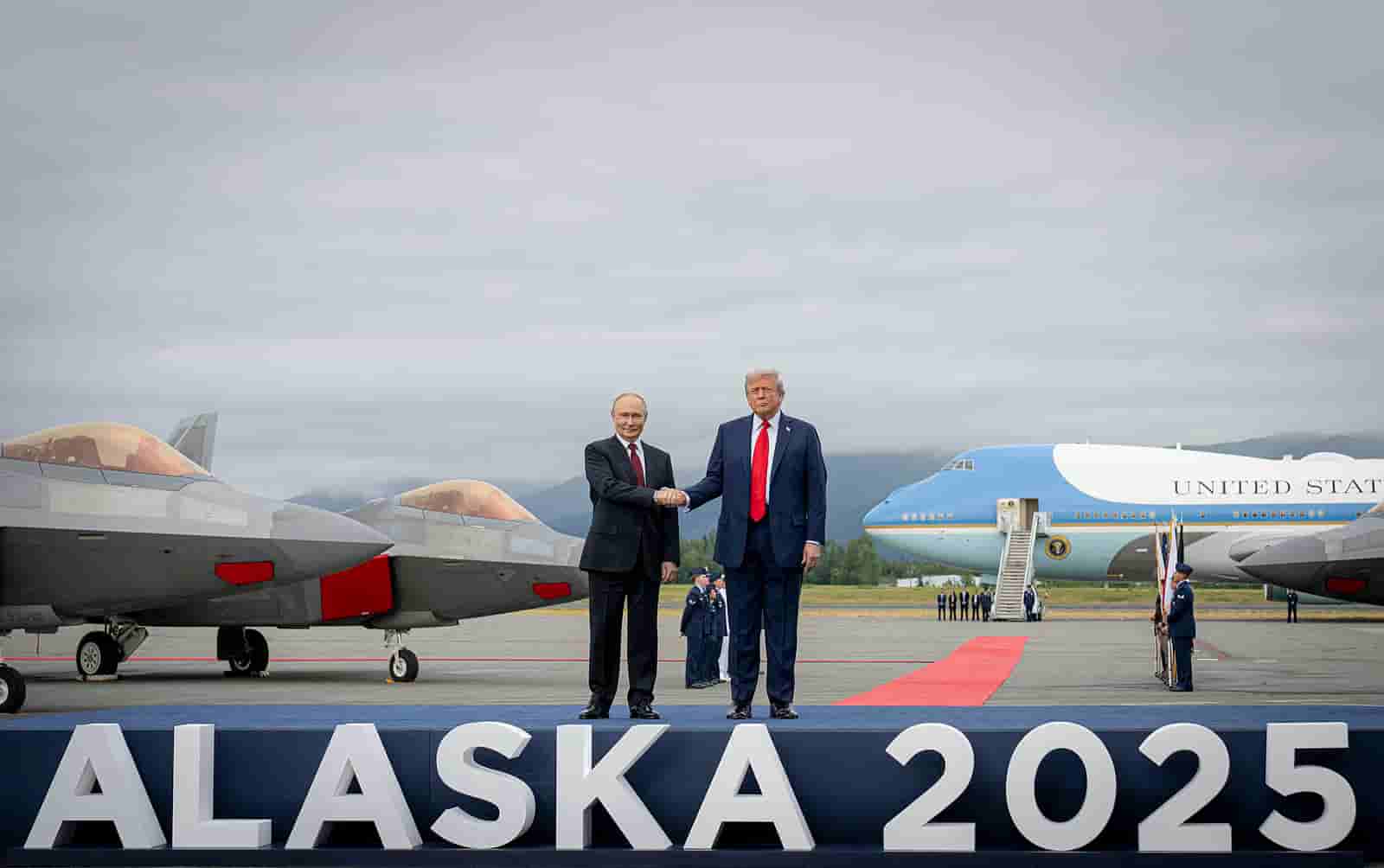
Russian President Vladimir Putin had previously said they wanted the fighting in Ukraine to end as soon as possible through a peaceful solution. Putin argued that Moscow was ready for negotiations but did not see the same willingness from the administration in Kyiv.
Trump criticizes Zelenskyy
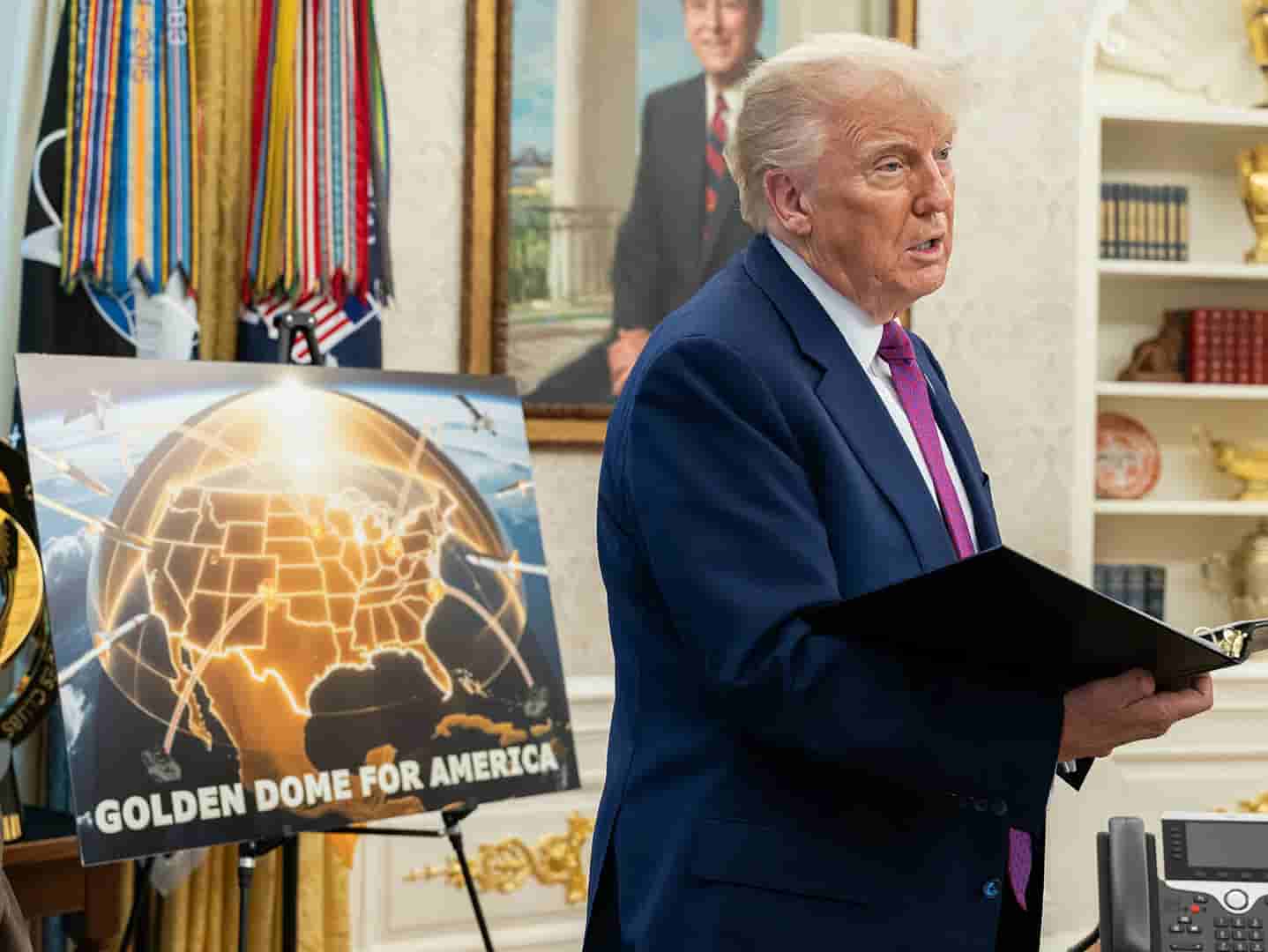
U.S. President Donald Trump had previously voiced his frustration that Vladimir Zelenskyy was not ready for peace agreements. Trump suggested that Zelenskyy might never have sought a solution and said Ukraine needed a new leader who could reach an agreement with Russia.
Risk of the war spreading
Speaking to journalists in Samarkand, Rubio said Russia and Ukraine should make ending the war their priority. Saying that no positive outcome would come from the conflict continuing, Rubio warned that the war could spread to other countries through scenarios such as drones losing their course because of electronic warfare and heading toward neighboring countries, or an unsuccessful sabotage attempt turning into a new crisis.
Rubio spoke in a way that confirmed contacts were continuing over a possible trilateral summit at which the leaders of the United States, Russia and China would discuss the war in Ukraine, but said he did not know whether the meeting had been finalized.
C5+1 talks in Samarkand
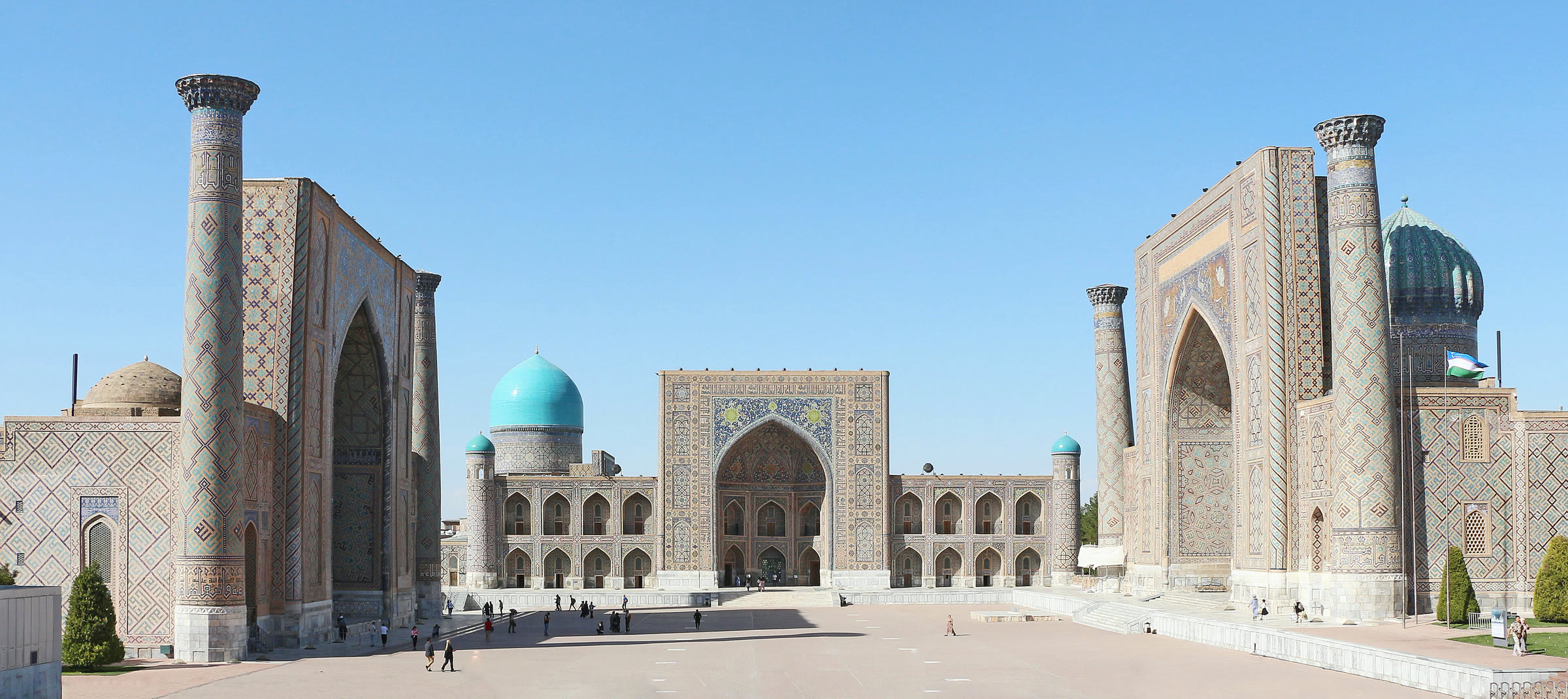
Rubio, who arrived in Samarkand on Sunday night, met with senior officials under the C5+1 format, which brings together the United States and Uzbekistan, Kazakhstan, Kyrgyzstan, Tajikistan and Turkmenistan. U.S. President Donald Trump hosted the leaders of the C5 countries at the White House last November.
Source: RIA Novosti
Have a story, event or announcement of your own?Send us your news on WhatsApp
Spotted an error in this story?Report it on WhatsApp
Share on all social platforms
Sponsored Ads
Featured Listings
Loading featured properties...
Stay Updated with RuskiGazeta
Subscribe to be informed about special news, developments and announcements. We will keep you informed.
By signing up, you agree to our Privacy Policy