- BIST10011,722-2.89%
- USD49.42+0.06%
- EUR55.41+0.20%
- GOLD4,178.40+0.20%
- INTEREST37.00%-1.00
- BITCOIN81,293-1.02%
- October 16, 202612°
- BIST10011,722-2.89%
- USD49.42+0.06%
- EUR55.41+0.20%
- GOLD4,178.40+0.20%
- INTEREST37.00%-1.00
- BITCOIN81,293-1.02%
- October 16, 202612°
Russian feminists expand aid networks under wartime pressure
Growing repression after the war began in Ukraine has pushed feminist activists in Russia’s Chelyabinsk region away from public actions and toward direct aid and reading-club activities. The activists support access to abortion, survivors of domestic violence, people experiencing homelessness and migrants while seeking new alliances with non-feminist women and men.


After the war began in Ukraine, feminist activists in Russia changed the way they work under pressure created by the Kremlin’s traditional-values rhetoric and wartime censorship laws. In the Chelyabinsk region, a feminist community previously known for street actions now conducts most of its activities through a feminist reading club and a direct-aid network.
An activist from Chelyabinsk who uses the name Oksana for security reasons said she believed the future of Russian women would continue to worsen. At the same time, Oksana said she found the search for solidarity and independence among the women around her hopeful, noting that some men had been killed while others had become physically or psychologically disabled. She said women had begun questioning the idea that they should live dependent solely on the presence of a man.
From public activities to direct aid
Repression targeting opposition activities has pushed women’s rights advocates toward less visible and more practical forms of assistance. While some women’s rights groups have closed because of insufficient funding or official pressure, some activists in the country continue their work.
An activist who spoke under the pseudonym Marta said the feminist community had taken on a significant share of the state’s social functions. Marta said activists were moving away from online work toward in-person activities because women’s needs went beyond information and also included financial, medical and transportation assistance.
These aid activities include helping women access safe abortions, as well as supporting survivors of domestic and reproductive-rights-based violence, refugees, migrants and women experiencing homelessness. Activists also help transport women to another region so they can access abortion services.
Regional restrictions on access to abortion
In Russia, the right to abortion is being gradually restricted through government decrees, ministerial instructions and regional regulations. According to a recent study by the Feminist Anti-War Resistance group, regulations criminalizing verbal pressure on a woman not to terminate a pregnancy or exploiting her financial dependence have taken effect in at least 32 regions since 2023.
According to statistics published by the Russian Orthodox Church, abortions have been banned at private clinics in at least 19 regions. In another 25 regions, the procedure can be performed at only 40 percent of private healthcare facilities.

An activist from Siberia who spoke under the name Arina said the new restrictions had affected her personal decisions. Arina said she had decided not to become involved with men because she feared she would have no options in the event of an unexpected pregnancy.
Concerns about new restrictions in the State Duma
The Moscow Patriarchate’s campaign to move toward a nationwide abortion ban is receiving support from conservative business circles and some lawmakers. Natalia Moskvitina, who had long headed the pro-life movement Women’s Life, was elected to the State Duma in September to represent the northern Vologda region.
Moskvitina’s election took place amid widespread allegations of irregularities. The Russian Women’s Initiatives Alliance also organized a widely publicized campaign calling on United Russia to withdraw Moskvitina’s candidacy.
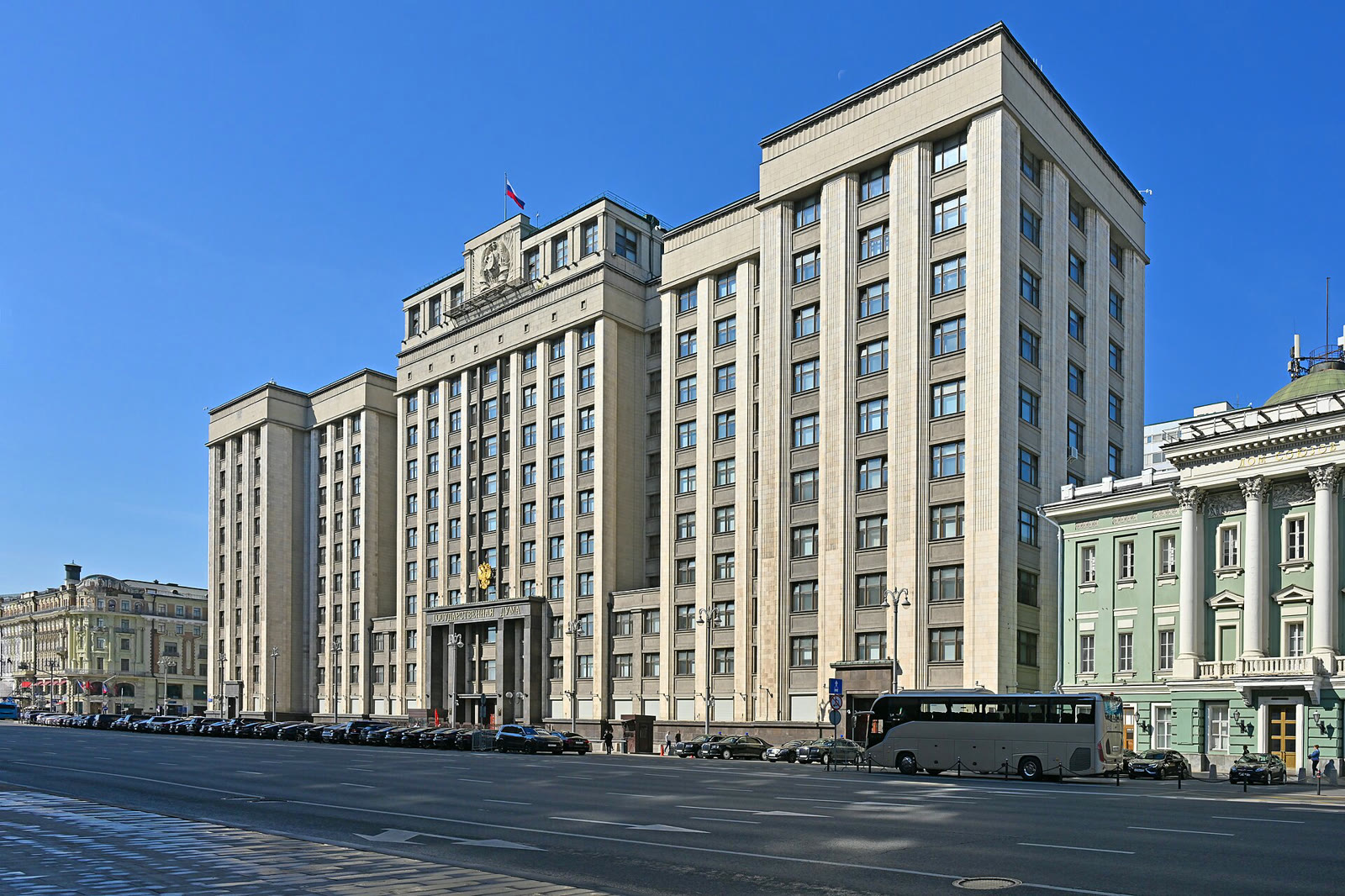
Activists warn that Moskvitina’s entry into the Duma could accelerate efforts to pass a federal law criminalizing pressure related to abortion. They fear the proposed legislation could even make it a crime to publish information about reproductive choices.
Arina said the presence in the Duma of someone who advocates the idea that a woman’s body does not belong to her poses a threat to women’s safety and freedom. Marta also said she was concerned that Moskvitina might try to obstruct the work of feminist activists.
Seeking alliances with non-feminist groups
Feminist activists are trying to broaden their base of social support in order to resist pressure on women’s rights. Dasha Yakovleva, a feminist activist and rights advocate, said their work had previously focused mainly on women and queer people, but that providing feminist information to men was now a strategic choice.
The activists are also reaching out to women who have never encountered feminism or who describe themselves as “not feminist, but.” These initiatives are part of an effort to expand community networks aimed at protecting women and queer people.
Although Russia’s political opposition remains divided, feminist activists continue working directly with communities in different regions of the country. Yakovleva said feminism made it possible to address urgent needs and structural problems in Russian society within the same framework. In her view, this framework also allows capitalism, social roles and decolonization to be discussed together.
Stay Updated with RuskiGazeta
Subscribe to be informed about special news, developments and announcements. We will keep you informed.
By signing up, you agree to our Privacy Policy