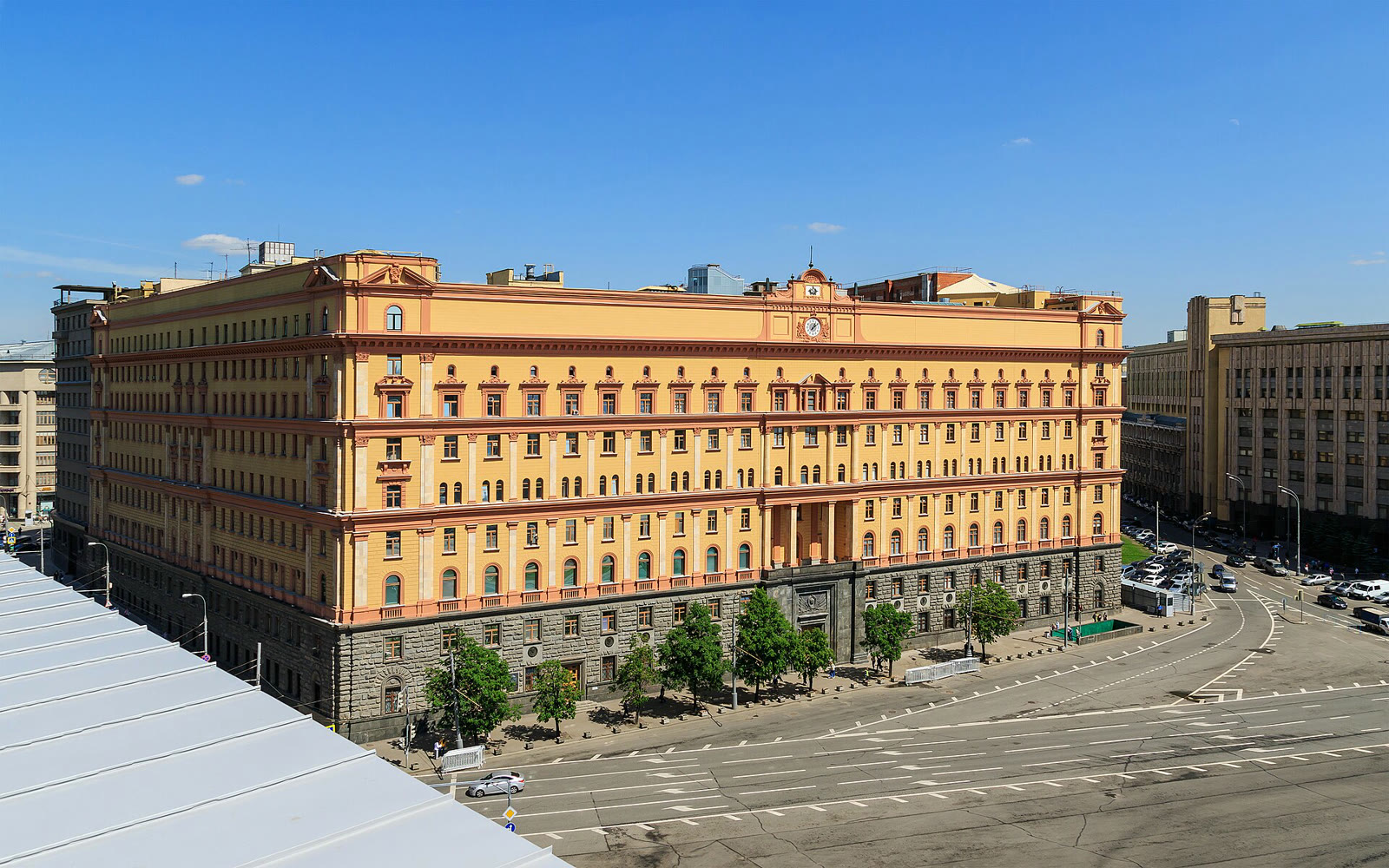
A Japanese journalist working at Hokkaido Shimbun’s Yuzhno-Sakhalinsk bureau was detained in the Sakhalin region as he was preparing to leave Russia and was later transferred to Moscow. The Lefortovo District Court in Moscow ordered the journalist to remain in custody for about two months.
Russia’s Federal Security Service (FSB) said the journalist was suspected of gathering and storing information about Russia’s defense capabilities for intelligence purposes. The Russian Foreign Ministry identified the journalist as Yuki Imai. Hokkaido Shimbun did not confirm the identity and said the safety of its correspondent was its priority.
Images of detention released
Footage broadcast on Russian state television showed a man lying on the ground while three people in black uniforms and masks handcuffed him. A voice in the background was heard telling the man that he was being detained on suspicion of espionage.
The footage also showed the journalist boarding a plane accompanied by two FSB officers and appearing in a cage during the hearing in Moscow.
Tensions rise between Moscow and Tokyo
Russian Foreign Ministry spokeswoman Maria Zakharova said it was regrettable that Japan was trying to use correspondents working in Russia as foreign journalists to gather information aimed at weakening the country’s security, adding that this was not the first such case. Arguing that the incident would further increase tensions between the two countries, Zakharova urged Tokyo to change its approach and abandon its hostile steps toward Russia.
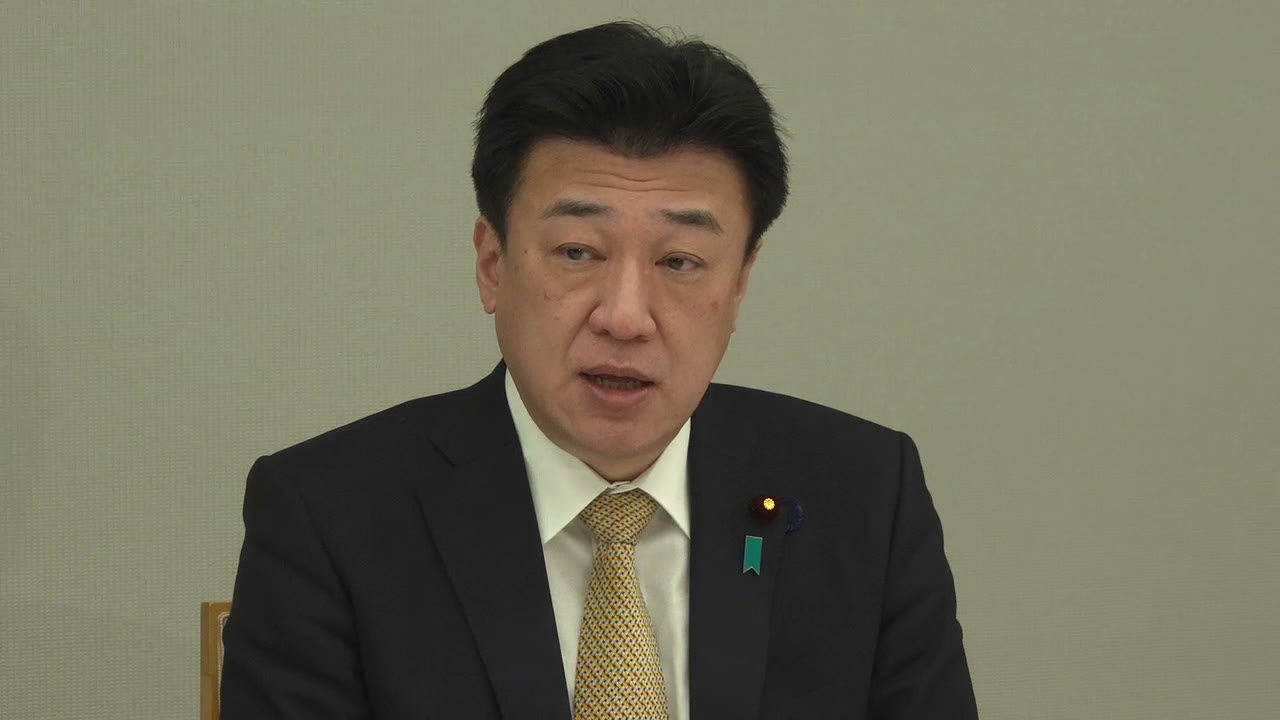
Japan’s Chief Cabinet Secretary Minoru Kihara said Tokyo had requested information from the Russian authorities and called for the journalist to be treated fairly and for humanitarian considerations to be taken into account.
Japan’s Foreign Ministry also summoned Russian Ambassador Nikolai Nozdrev in Tokyo to protest the detention and the unilateral announcement made without informing Tokyo. Kimitake Nakamura, director-general of the ministry’s European Affairs Bureau, asked that the journalist be allowed a visit as soon as possible.
At a meeting at Japan’s Foreign Ministry on Oct. 15, Russian Ambassador Nikolai Nozdrev rejected Tokyo’s protest over the journalist’s detention. The Russian Embassy in Tokyo said the investigation into the journalist would continue in accordance with Russian law.
At the same meeting, Nozdrev also rejected Japan’s objection to a Chinese delegation’s visit to Iturup, an island in Russia’s Sakhalin region that Japan also claims. The ambassador said practical cooperation and interregional exchanges between Russia and China would be expanded in connection with development programs for Russia’s Far East.
Russia describes Japan, which joined Western sanctions against Moscow over the war in Ukraine, as an “unfriendly country.” Tokyo has said it will continue to enforce sanctions against Russia and support Ukraine.
The two countries have not signed a formal peace treaty since the end of World War II. The main dispute between Russia and Japan is the unresolved sovereignty dispute over the Kuril Islands, which Japan calls the Northern Territories.
Russian President Vladimir Putin’s visit in August to one of the islands at the center of the dispute sparked a reaction in Japan.
Foreign journalists detained in Russia
One of the best-known cases involving a foreign journalist detained in Russia was the 2023 detention of Wall Street Journal reporter Evan Gershkovich. Gershkovich was found guilty of espionage by a Russian court and sentenced to 16 years in prison before being released in August 2024 as part of a prisoner exchange between East and West.
















