- BIST10011,722-2.89%
- USD49.42+0.06%
- EUR55.41+0.20%
- GOLD4,185.20+0.36%
- INTEREST37.00%-1.00
- BITCOIN81,530-0.73%
- October 16, 202612°
- BIST10011,722-2.89%
- USD49.42+0.06%
- EUR55.41+0.20%
- GOLD4,185.20+0.36%
- INTEREST37.00%-1.00
- BITCOIN81,530-0.73%
- October 16, 202612°
German Chancellor Friedrich Merz says he will stay in office after election defeat
German Chancellor Friedrich Merz described the CDU’s failure to clear the 5% threshold in the Mecklenburg-Vorpommern election as a severe blow but said he would not resign. Merz said the election results would be analyzed and that the political center in Germany would continue its reform agenda.


The CDU’s failure to enter the parliament in the state election in Mecklenburg-Vorpommern was described by German Chancellor Friedrich Merz as one of the party’s most severe political setbacks. Merz said he would not resign despite the defeat.
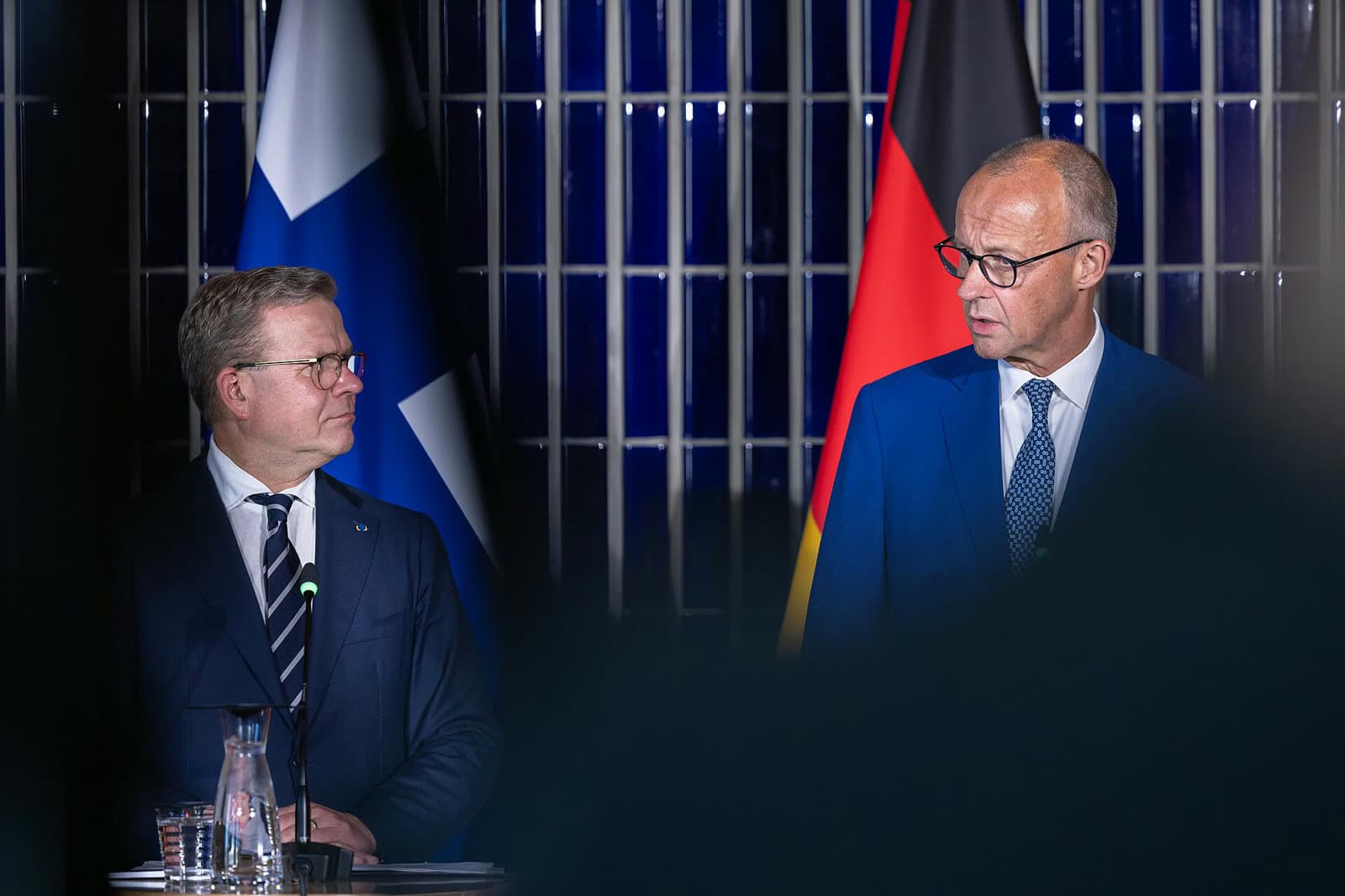
Merz spoke on Monday at the end of a leadership meeting at the CDU headquarters in Berlin, following Sunday’s state elections in Mecklenburg-Vorpommern and Berlin. He described the CDU’s failure to clear the 5% electoral threshold in Mecklenburg-Vorpommern and its exclusion from the state parliament as a dramatic development that had occurred for the first time in the party’s history.
“This is a severe blow. However, the election results and the reasons behind them go far beyond me personally. We are witnessing a profound transformation of the political system in Germany and many other countries.”
AfD comes first in Mecklenburg-Vorpommern
The far-right Alternative for Germany (AfD) came first in the Mecklenburg-Vorpommern election with 38.2% of the vote. The Social Democratic Party (SPD) received 35.5%, while the CDU remained at 4.9%. As a result, the CDU failed to enter the parliament of the state for the first time in its history.
In Berlin, the Left Party came first with 25.7% of the vote. The CDU received 18.8%, while the AfD won 16.3%.
Merz sends message on coalition and reform
Merz said the results in the two states showed that far-right and left-wing populist parties had gained strength. Describing the AfD and the Left Party as “destructive forces,” Merz said the CDU would examine the election results in detail in the coming days and draw the necessary lessons.
The chancellor also thanked the SPD, its partner in the federal coalition, for confirming after the elections that it would remain in government. Merz said they wanted to advance the reform process and noted that people were concerned about their jobs, families, retirement income and health care.
Merz described it as a historic task for the political center, together with the coalition government in Berlin, to prepare Germany for the coming years on these issues.
Stay Updated with RuskiGazeta
Subscribe to be informed about special news, developments and announcements. We will keep you informed.
By signing up, you agree to our Privacy Policy