- BIST10011,722-2.89%
- USD49.42+0.06%
- EUR55.41+0.20%
- GOLD4,182.10+0.29%
- INTEREST37.00%-1.00
- BITCOIN81,408-0.88%
- October 16, 202612°
- BIST10011,722-2.89%
- USD49.42+0.06%
- EUR55.41+0.20%
- GOLD4,182.10+0.29%
- INTEREST37.00%-1.00
- BITCOIN81,408-0.88%
- October 16, 202612°
Europe rejects U.S. proposal to unfreeze Russian assets
The United States proposed unfreezing part of the Russian state assets frozen in Europe to revive peace talks over the war in Ukraine. European representatives rejected the proposal, which was raised in Miami last week, while the total value of the frozen assets was put at approximately €260 billion.


The United States, aiming to restart peace talks on the war in Ukraine, proposed unfreezing part of the Russian state assets frozen in European countries and transferring them to a financial structure under Washington’s control.
The proposal was discussed at meetings held in Miami last week between U.S. President Donald Trump’s representatives for the peace talks and officials from Ukraine, France, Germany, the United Kingdom, the European Union and NATO. The Financial Times attributed the details to four people briefed on the matter.
European representatives rejected the proposal
U.S. special envoy Steve Witkoff and Trump’s son-in-law Jared Kushner presented different mechanisms for releasing the frozen assets. One of the options envisaged transferring the assets to a new private-purpose financial structure under U.S. control.
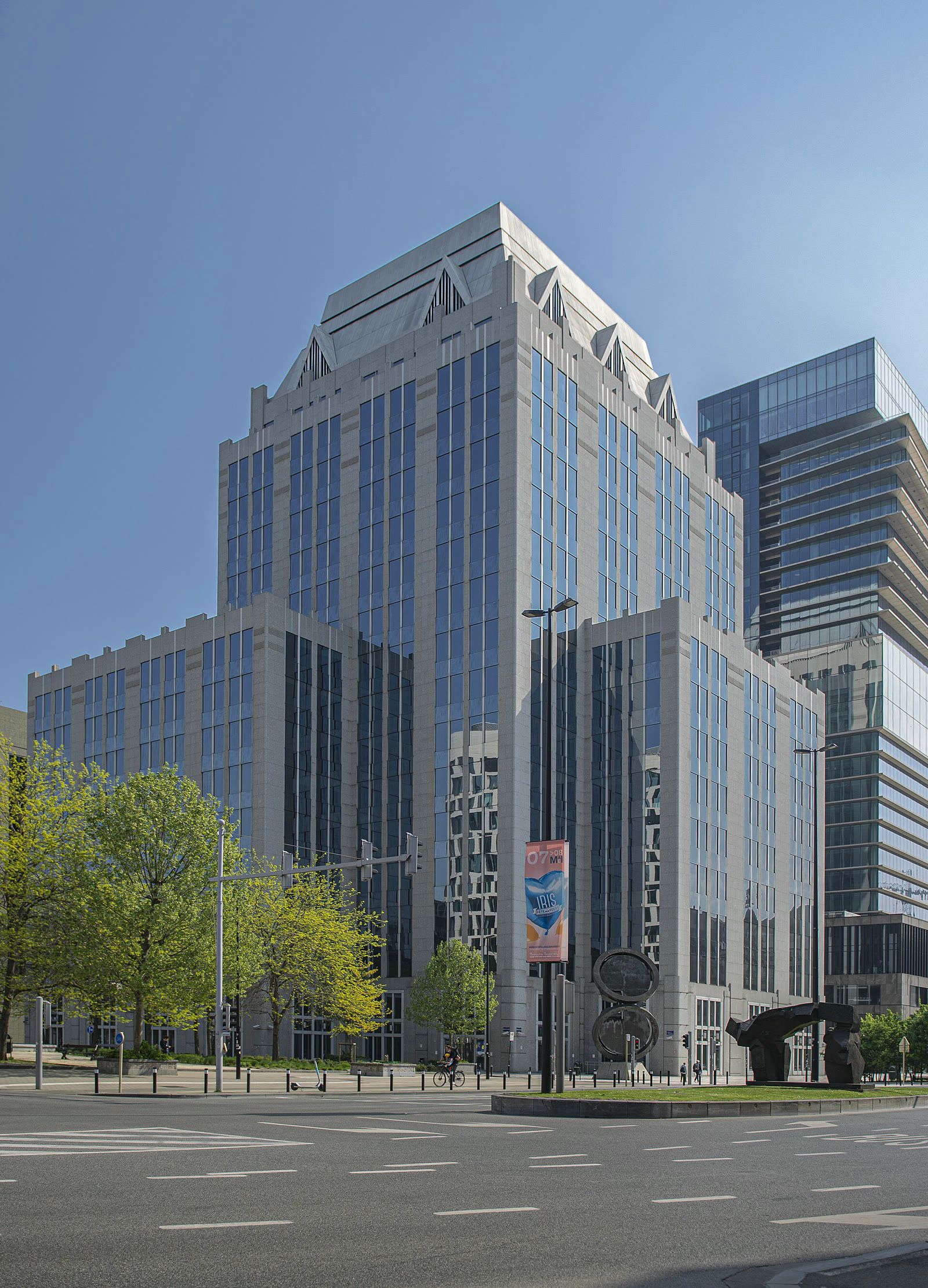
European representatives rejected the proposal. They said the initiative caused surprise in European capitals and Kyiv and raised questions about Washington’s approach to pressuring Moscow to end the war.
Mechanism for using the funds remains undecided
An unnamed U.S. official said the use of the frozen Russian assets was being discussed as part of a comprehensive peace agreement. The official said mechanisms for releasing the funds and determining their intended uses were still under consideration.
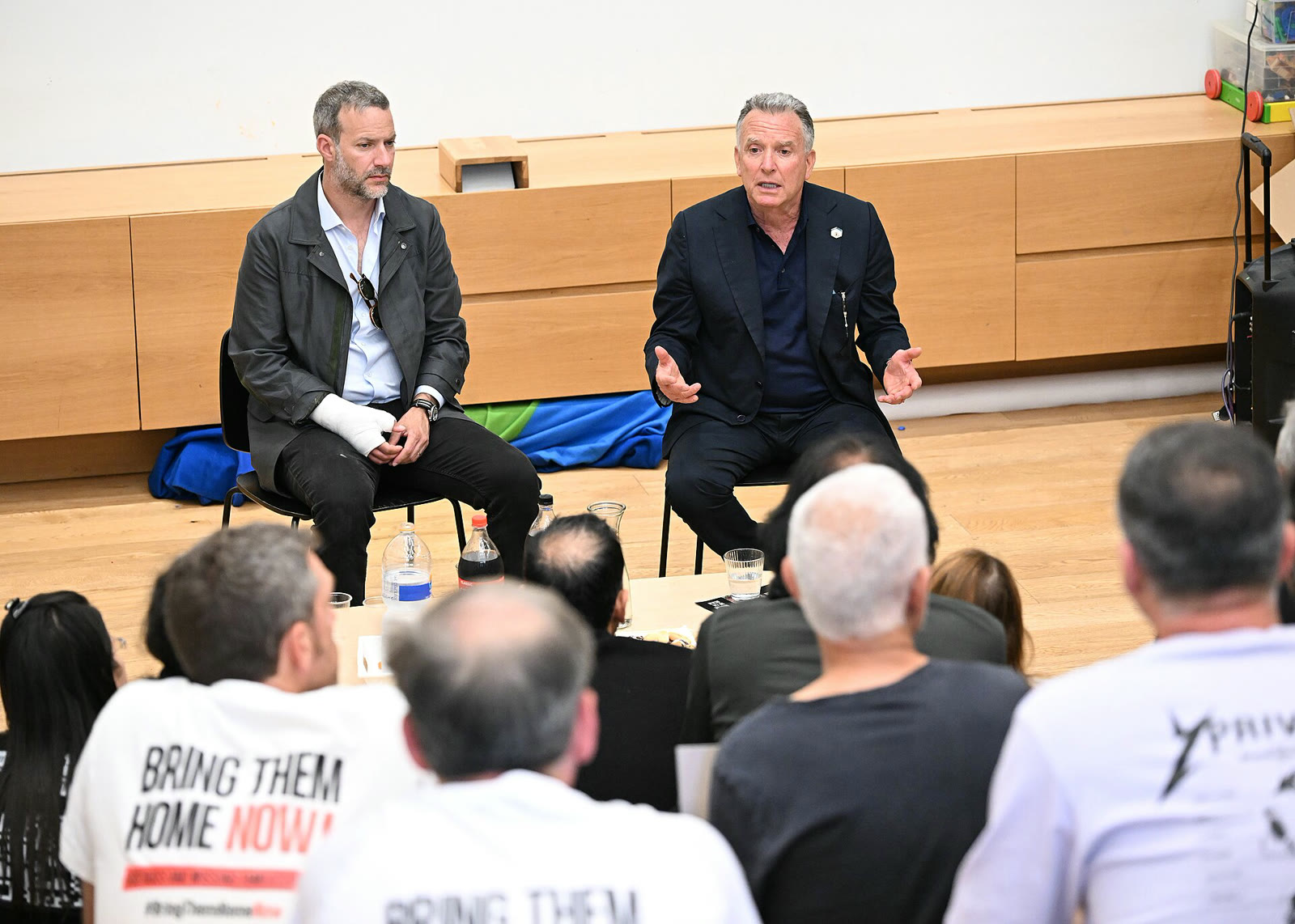
The same official said different proposals for the possible use of Russia’s frozen assets after the war had been put forward over time. Ukrainian officials who took part in the talks said the issue had previously been discussed with their U.S. counterparts.
Total Russian assets estimated at approximately €260 billion
Western countries froze approximately €260 billion in Russian state assets in 2022 over Russia’s war in Ukraine. Most of the funds are held in European Union countries.
The European Union and G7 countries froze approximately half of Russia’s foreign exchange reserves after the war began. A significant portion of the Russian assets in the EU is held at Belgium-based Euroclear.
The frozen assets remain one of the main issues of debate among Western allies over funding Ukraine’s defense and reconstruction and ensuring that Russia bears the financial consequences of the war.
Source: Anadolu Ajansı
Have a story, event or announcement of your own?Send us your news on WhatsApp
Spotted an error in this story?Report it on WhatsApp
Share on all social platforms
Sponsored Ads
Featured Listings
Loading featured properties...
Stay Updated with RuskiGazeta
Subscribe to be informed about special news, developments and announcements. We will keep you informed.
By signing up, you agree to our Privacy Policy