- BIST10010,760-3.63%
- USD49.86+0.15%
- EUR55.82+0.52%
- GOLD3,898.90-3.29%
- INTEREST36.00%-1.00
- BITCOIN77,712+0.35%
- November 1, 202614°
- BIST10010,760-3.63%
- USD49.86+0.15%
- EUR55.82+0.52%
- GOLD3,898.90-3.29%
- INTEREST36.00%-1.00
- BITCOIN77,712+0.35%
- November 1, 202614°
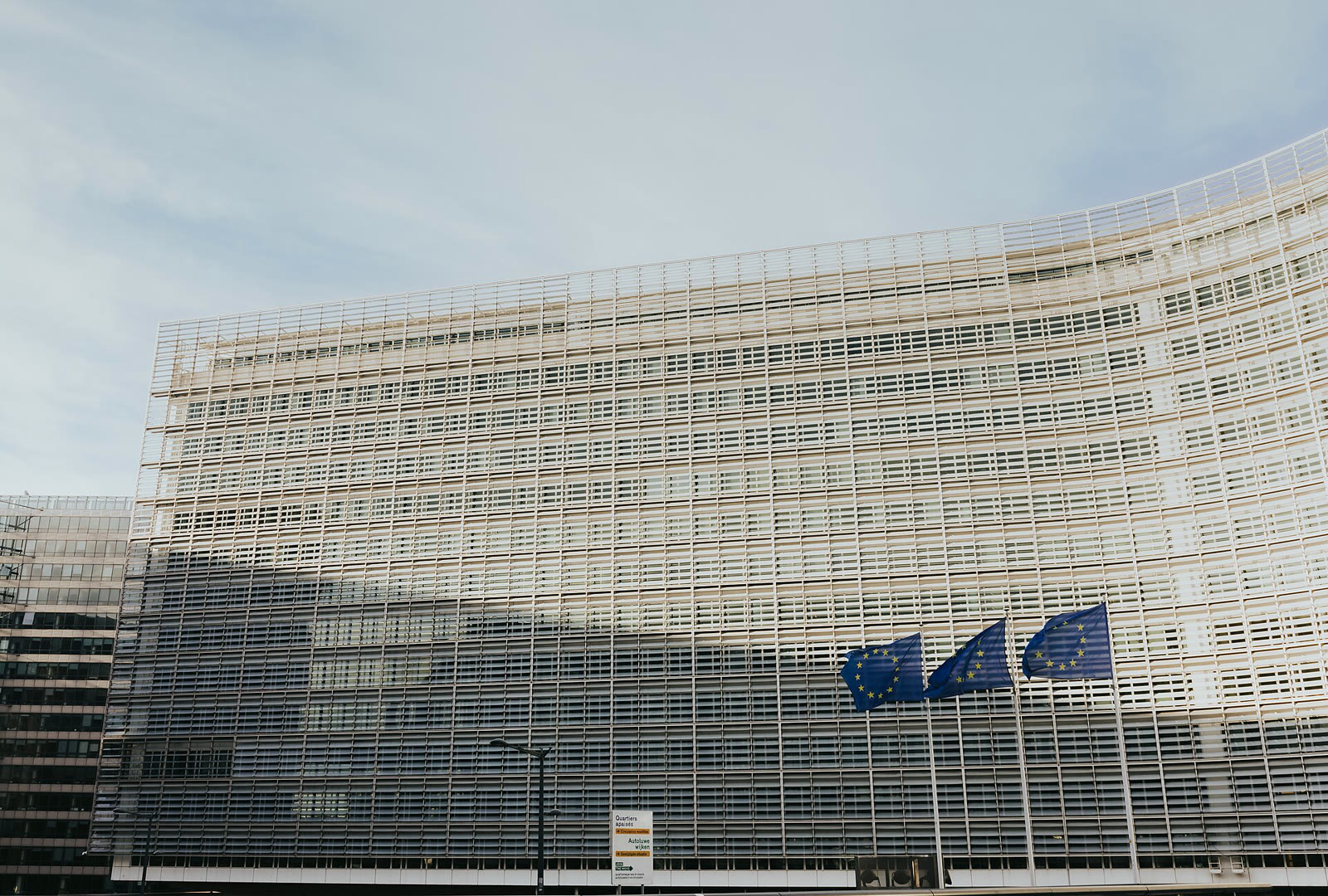
EU vows to keep tightening pressure on Russia after Putin calls
An EU spokesperson said pressure on Russia would be increased after Finnish President Alexander Stubb and Norwegian Prime Minister Jonas Gahr Store spoke by phone with Russian President Vladimir Putin on Tuesday. The European Union reiterated its call to maintain military support for Ukraine and urged Moscow to engage in meaningful peace negotiations.


The European Union maintained its position of increasing pressure on Moscow after Finnish President Alexander Stubb and Norwegian Prime Minister Jonas Gahr Store spoke by phone with Russian President Vladimir Putin on Tuesday.
An EU spokesperson said the talks were held at the bilateral level and followed the meeting held in Oslo on October 20.
Brussels reiterates call for a common position
The spokesperson said Europe was united in its efforts to end Russia’s war of aggression and secure a just and lasting peace. The spokesperson added that the European Council was also determined to further increase pressure on Russia to stop the war and begin meaningful negotiations for peace.
The EU considers it important to continue military support for Ukraine. The spokesperson said Russia had shown no sign of being willing to end the war.
European countries object to individual contacts
The EU statement came after some European countries criticized the talks between the Finnish and Norwegian leaders and Putin.
Danish Prime Minister Mette Frederiksen argued that the contacts had not been conducted in coordination with other European countries and described the initiative as “uncoordinated.” Frederiksen said Europe needed to maintain its common position toward Moscow, adding, “Rather than acting alone, we must keep Europe together.”
Baltic countries call for joint action
The foreign ministers of Estonia and Lithuania, which share a border with Russia, also commented on the talks.
Estonian Foreign Minister Margus Tsahkna said every contact with Moscow should demonstrate Europe’s unity and its determination to continue supporting Ukraine.
Lithuanian Foreign Minister Kestutis Budrys said Europe should be represented in every negotiation concerning Ukraine. Budrys said European countries should not pursue fragmented diplomatic initiatives.
In a statement on the X platform, Budrys said every contact with Russia should be backed by a common position, genuine leverage and a list of European demands. He argued that individual contacts with Putin held without a clear agenda had not produced results for Europe in the past.
Swedish Prime Minister Ulf Kristersson also reiterated that support for Ukraine would continue. Kristersson said Russia had shown no sign of seeking peace, but was demanding capitulation, and that Europe could not accept this.
Stay Updated with RuskiGazeta
Subscribe to be informed about special news, developments and announcements. We will keep you informed.
By signing up, you agree to our Privacy Policy