- BIST10010,760-3.63%
- USD49.86+0.15%
- EUR55.82+0.52%
- GOLD3,898.90-3.29%
- INTEREST36.00%-1.00
- BITCOIN77,408-0.04%
- November 1, 202614°
- BIST10010,760-3.63%
- USD49.86+0.15%
- EUR55.82+0.52%
- GOLD3,898.90-3.29%
- INTEREST36.00%-1.00
- BITCOIN77,408-0.04%
- November 1, 202614°
DPA sources: Some BND-US intelligence meetings moved after Hanning arrest
German security officials say there are currently no formal restrictions on intelligence sharing with the Americans. The BND itself declined to comment.
RuskiGazeta Editorial DeskUpdated:

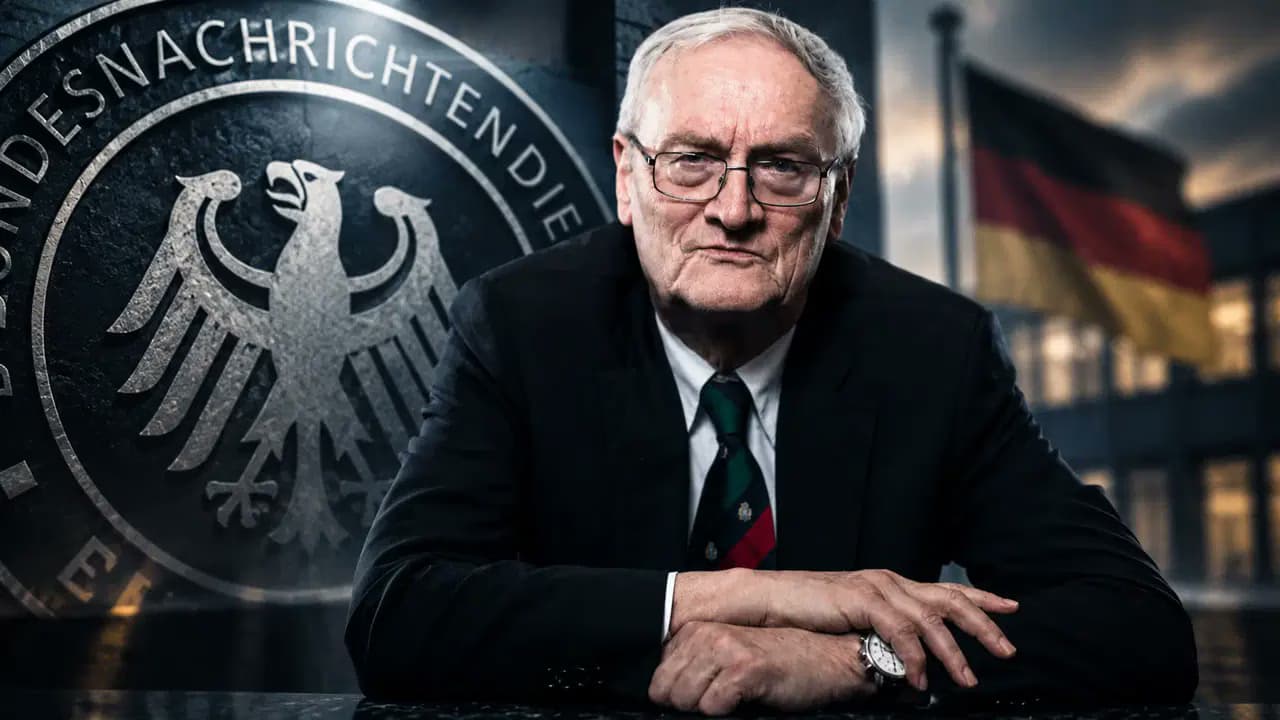
The arrest of August Hanning, former president of Germany’s Federal Intelligence Service (BND), on suspicion of espionage has affected intelligence cooperation between Berlin and Washington. The ARD public broadcaster’s “Tagesschau” program reported that U.S. intelligence agencies had warned that the flow of intelligence to Germany could be halted.
According to Süddeutsche Zeitung, the warning was conveyed to the BND several days after Hanning’s detention, while the United States is reviewing its previous cooperation with German intelligence.

Charges of treason
Hanning, 80, who headed the BND from 1998 to 2005 and later served as a state secretary at the Interior Ministry, was detained by the Federal Criminal Police Office on October 6 and remains in custody. The Federal Prosecutor General’s Office has accused him of intelligence-agent activity, espionage, collecting state secrets and attempting to commit treason.
Investigators allege that Manfred D., the former head of Hanning’s office, handed him around 2,000 BND documents for payment under a 2010 agreement. Hanning allegedly used the information in his consulting work. German media report that the information may have reached China. Hanning denies the charges.
If the charges are confirmed, the case would become Germany’s most serious espionage scandal since World War II.
Berlin: Cooperation continues
Sources in German security agencies told DPA that there are currently no restrictions on cooperation between the BND and U.S. agencies, although some working meetings have been postponed. The BND declined to comment.
German Foreign Minister Johann Wadephul, who was in Atlanta for a meeting of the foreign ministers of the Group of 20, said he could not imagine restrictions on intelligence cooperation, describing relations between the two countries’ intelligence agencies as “very successful and based on trust.”
Have a story, event or announcement of your own?Send us your news on WhatsApp
Spotted an error in this story?Report it on WhatsApp
Share on all social platforms
Sponsored Ads
Featured Listings
Loading featured properties...
Stay Updated with RuskiGazeta
Subscribe to be informed about special news, developments and announcements. We will keep you informed.
By signing up, you agree to our Privacy Policy