- BIST10011,483+1.32%
- USD50.07+0.05%
- EUR55.96-0.52%
- GOLD4,120.00+1.11%
- INTEREST36.00%-1.00
- BITCOIN74,273-0.60%
- November 9, 20264°
- BIST10011,483+1.32%
- USD50.07+0.05%
- EUR55.96-0.52%
- GOLD4,120.00+1.11%
- INTEREST36.00%-1.00
- BITCOIN74,273-0.60%
- November 9, 20264°
25 US, Canadian and British citizens seek temporary asylum in Russia
From January through September 2026, citizens of the United States, Canada and the United Kingdom filed 25 applications for temporary asylum in Russia, compared with 38 during the same period a year earlier, data from Russia’s Interior Ministry show. The ministry registered about 3,800 such applications in total during the period, more than half of them from Ukrainian citizens.
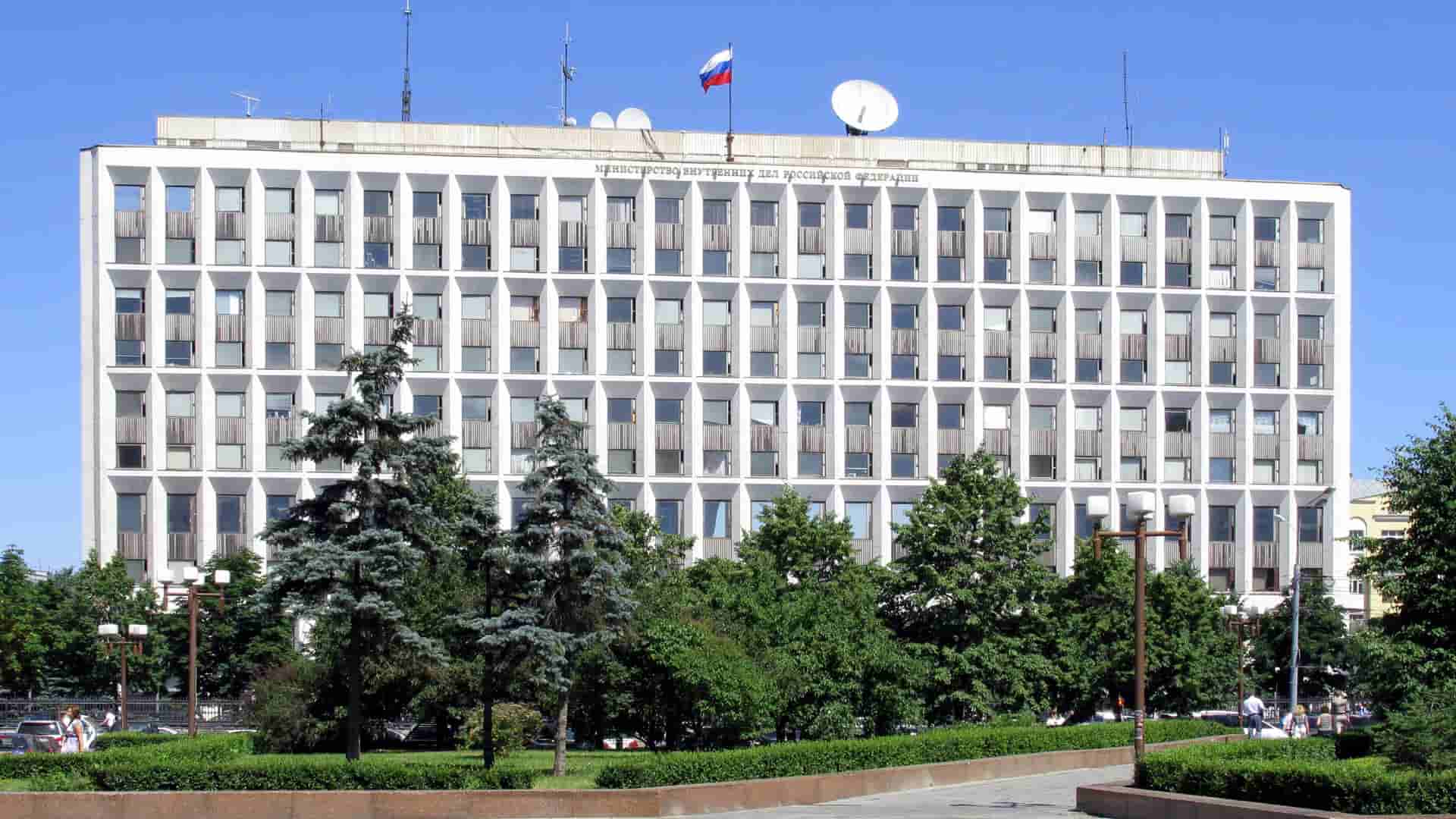
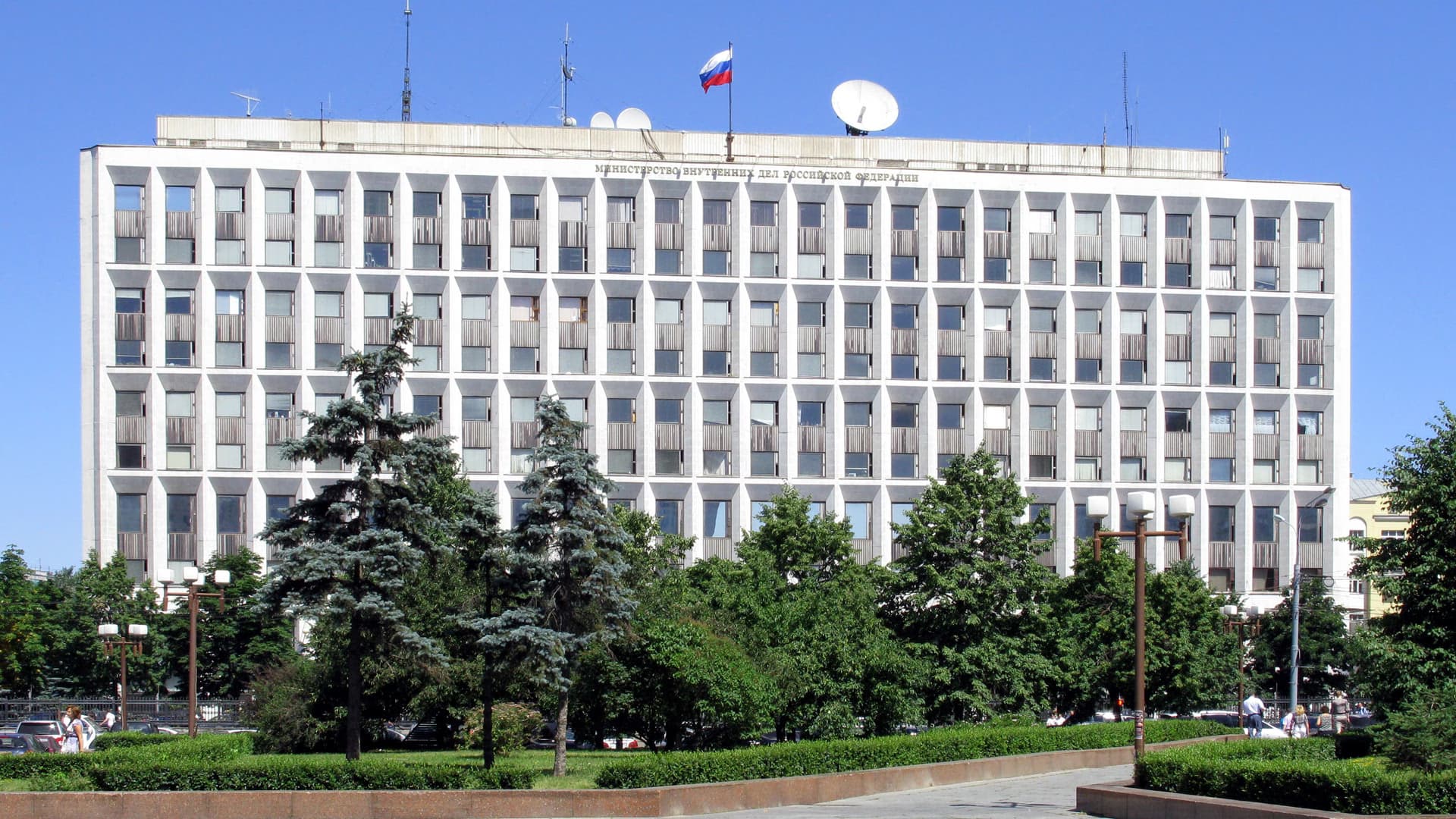
The number of citizens from Western countries seeking temporary asylum in Russia is declining. Data from Russia’s Interior Ministry, cited by TASS and Kommersant, show that citizens of the United States, Canada and the United Kingdom filed 25 such applications from January through September 2026. During the same period in 2025, there were 38 applications, representing a decrease of about one-third. No applications for refugee status were submitted by citizens of the three countries.
Americans filed the most applications: 11, compared with 17 a year earlier. Canadian citizens applied for asylum eight times, compared with 11 the previous year, while British citizens filed six applications, down from 10. The decrease was therefore recorded across all three countries.
Ukrainians account for more than half of applications
Over the nine-month period, Russia’s Interior Ministry registered about 3,800 applications for temporary asylum from foreign nationals. Ukrainian citizens led the list, with more than 2,000 applications. They were followed by citizens of Syria, with 641, and Afghanistan, with 190. Among citizens of European Union countries, Germans applied for asylum more often than any others, although no exact figure was provided.
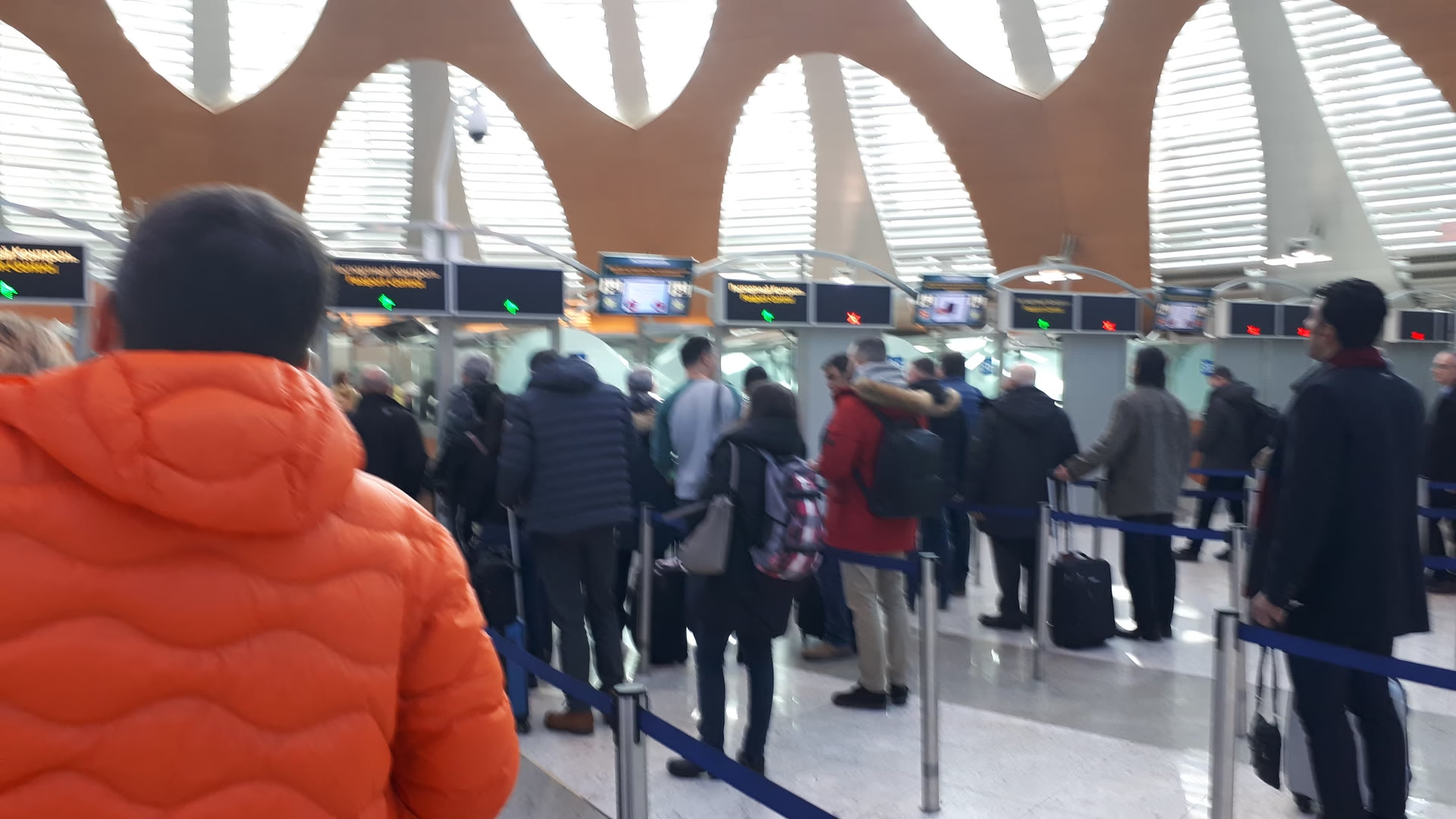
“Traditional values” as a separate route for relocation
Temporary asylum is not the only route for foreigners seeking to move to Russia for ideological reasons. In August 2024, Vladimir Putin signed a decree on humanitarian support for people who share traditional Russian spiritual and moral values. It allows citizens of countries pursuing what the document calls a “destructive neoliberal” policy to obtain a three-month visa, followed by a temporary residence permit outside the quota system and without examinations in the Russian language, history or legislation.
According to Alexei Klimov, director of the Russian Foreign Ministry’s Consular Department, Russian diplomatic missions issued 1,112 visas on this basis in 2025. Citizens of Germany received the most, with 168, followed by France with 140 and the United States with 105. The list also included Italy with 100, Estonia with 63, Latvia with 60, Canada with 54, Lithuania with 46 and Australia with 43. The state migration policy concept for 2026–2030 envisages increasing the number of such migrants.
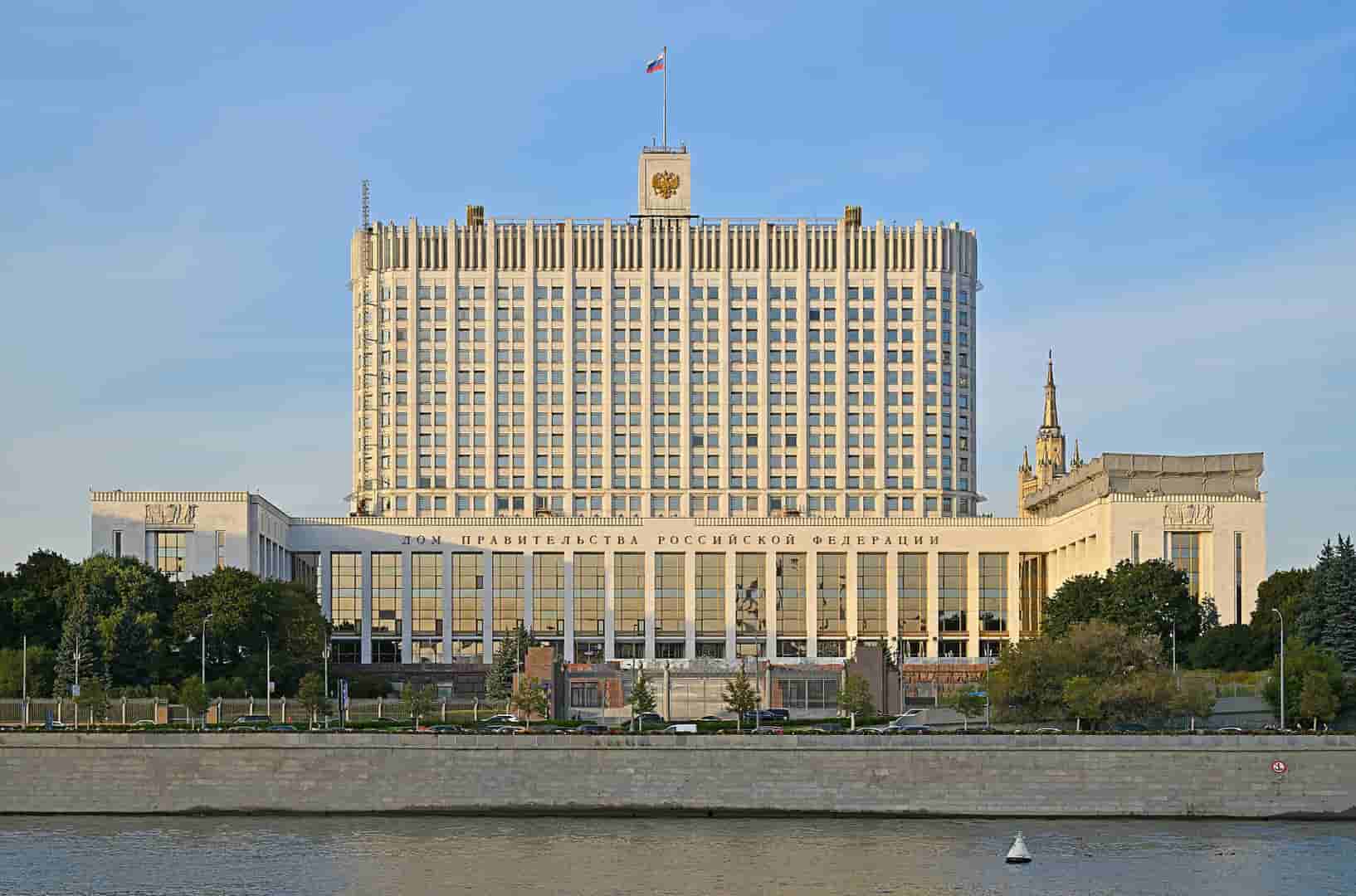
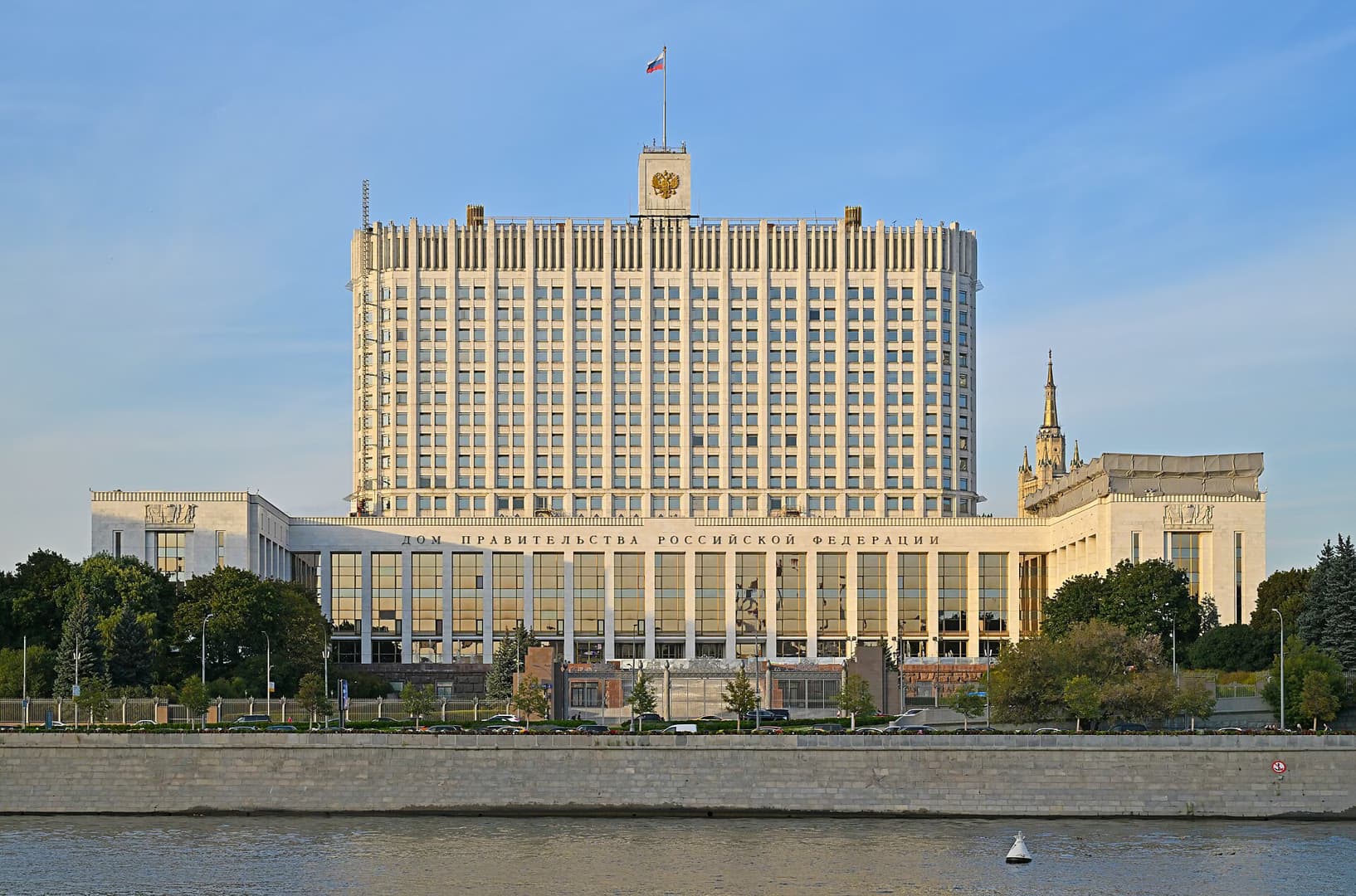
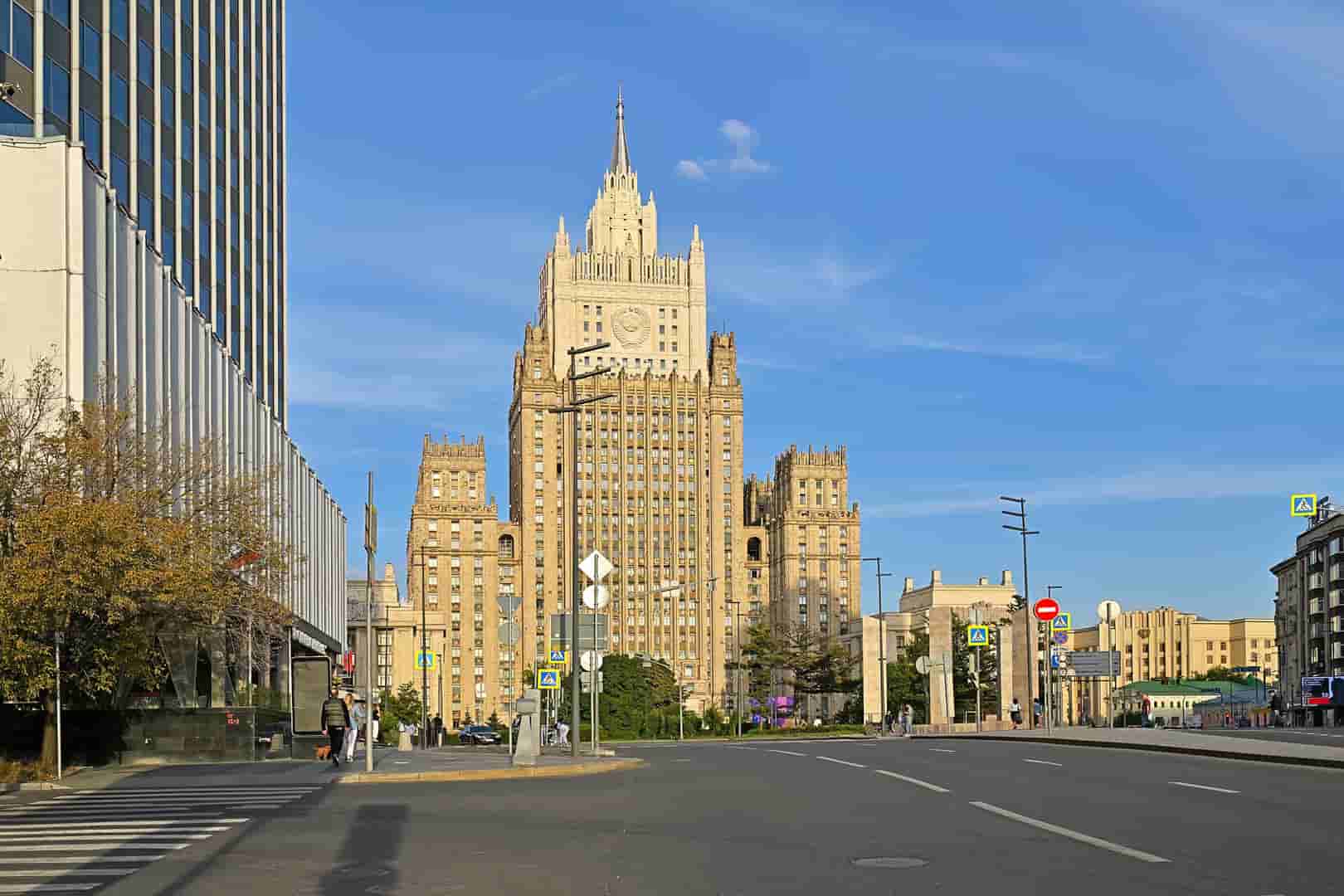
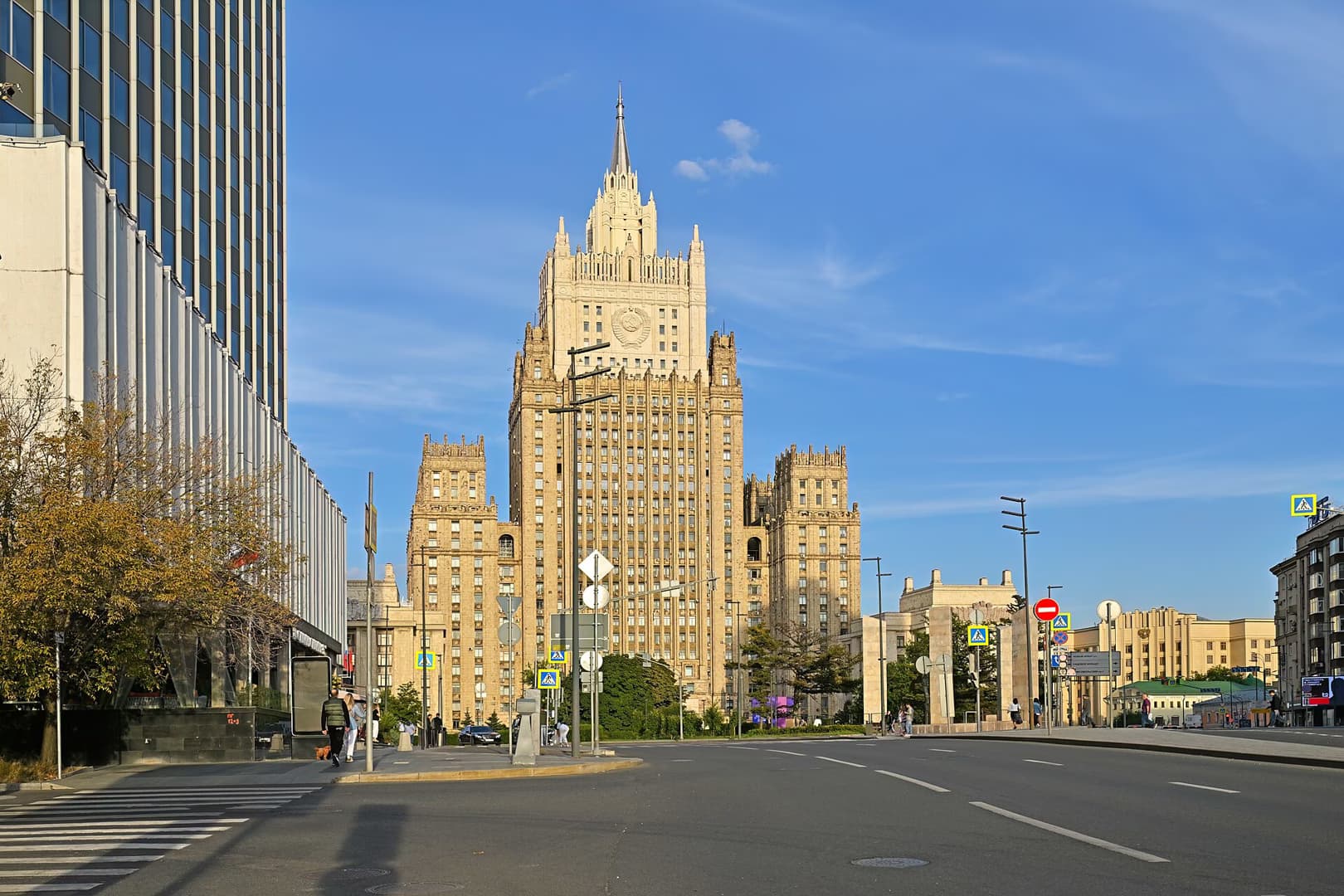
Photo: Wikimedia Commons (CC BY-SA)
Stay Updated with RuskiGazeta
Subscribe to be informed about special news, developments and announcements. We will keep you informed.
By signing up, you agree to our Privacy Policy