- BIST10011,483+1.32%
- USD50.07+0.05%
- EUR55.96-0.52%
- GOLD4,120.90+1.13%
- INTEREST36.00%-1.00
- BITCOIN74,058-0.89%
- November 9, 20264°
- BIST10011,483+1.32%
- USD50.07+0.05%
- EUR55.96-0.52%
- GOLD4,120.90+1.13%
- INTEREST36.00%-1.00
- BITCOIN74,058-0.89%
- November 9, 20264°
Russian bailiffs nearly match 2025's expulsions in nine months
From January through September, Russia's Federal Bailiff Service forcibly expelled 63,500 foreign nationals and stateless persons, nearly matching the total for all of last year. Starting November 3, the list of Administrative Offenses Code articles carrying a risk of expulsion will expand from 22 to 45.
RuskiGazeta Editorial DeskUpdated:


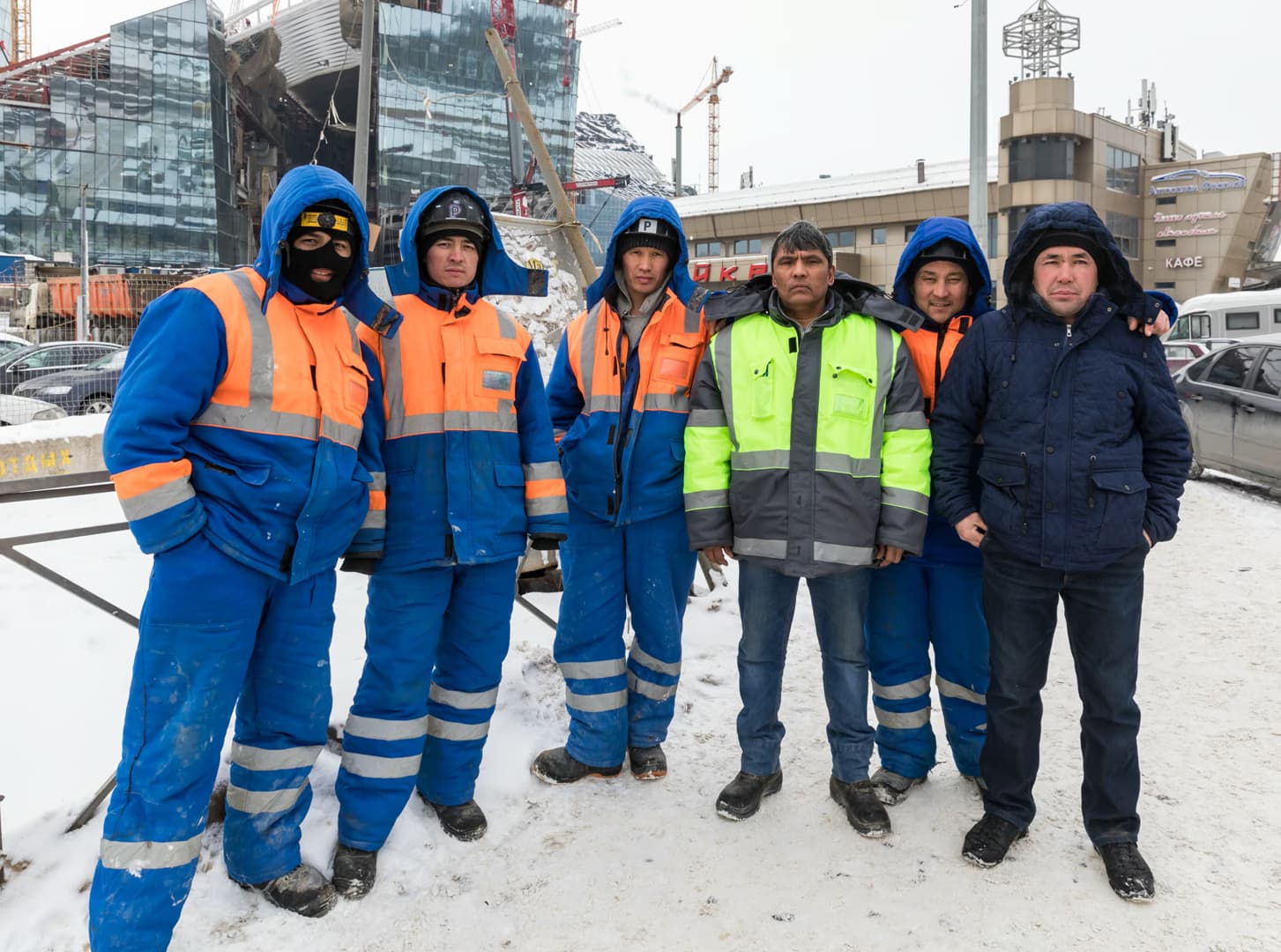
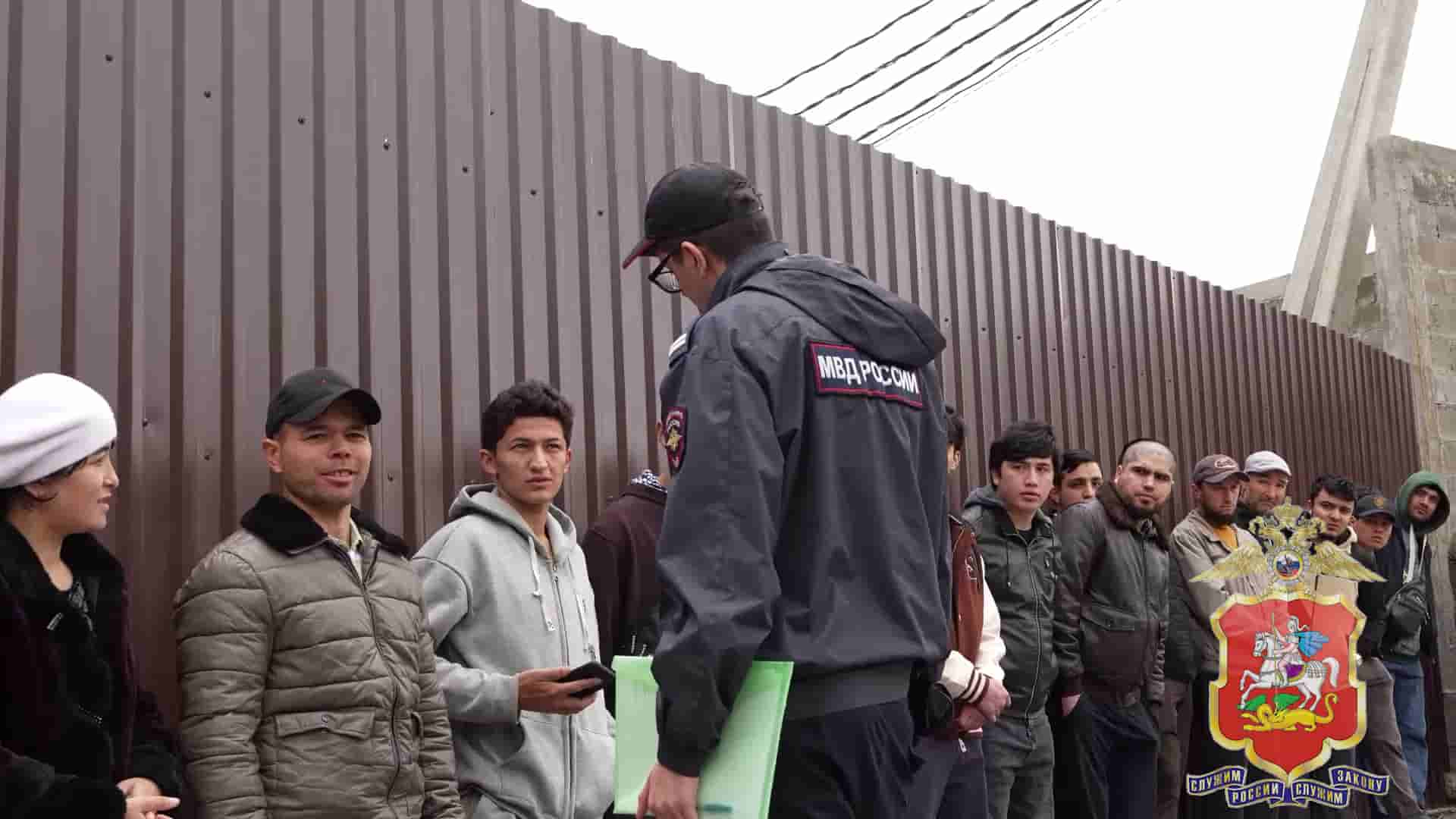
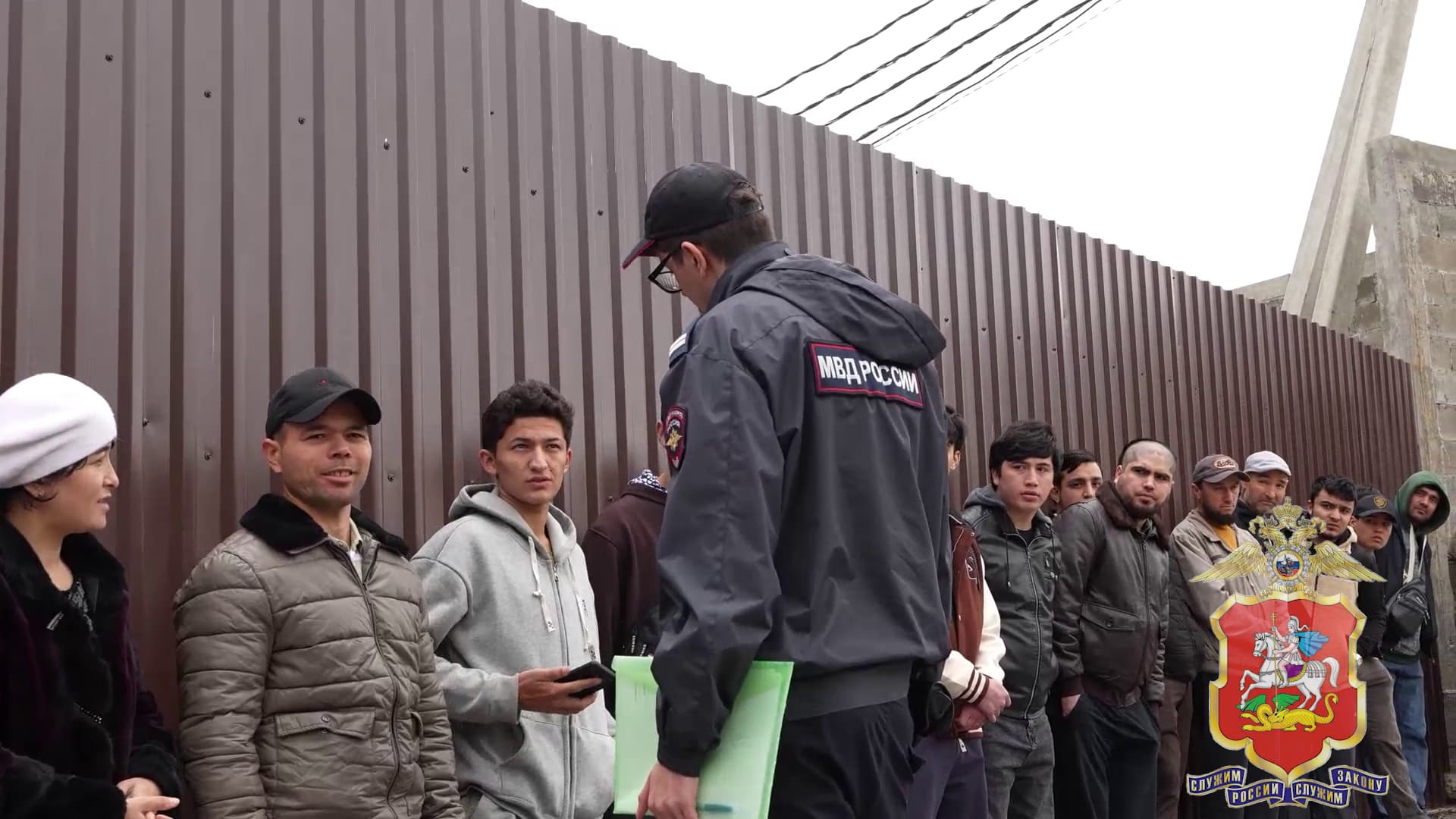
From January through September 2026, Russia's Federal Bailiff Service forcibly expelled 63,500 foreign nationals and stateless persons from the country. The figure was given by FSSP Director Dmitry Aristov in an interview with TASS timed to Bailiff's Day on November 1. He said the figure was about one and a half times higher than for the same period last year.
The nine-month figure has already nearly matched the total for all of 2025: according to the FSSP report, about 64,000 people were expelled from the country to 76 states that year.
After the decline, a new rise
The peak remains 2024, when bailiffs expelled more than 87,000 foreign nationals following the terrorist attack at Crocus City Hall—twice as many as in 2023. The number of expulsions fell by 26% in 2025. Consultant Anna Minushkina told Vedomosti that the decline was linked to a presidential decree allowing migrants to legalize their status until September 10, 2025; during that period, violators were more often fined than expelled.
The trend turned upward again in 2026. In the first half of the year alone, the FSSP sent 43,700 people abroad to 59 countries, compared with 26,400 a year earlier. Since February 2025, decisions to expel people for violating the rules of stay or working illegally may be made without a court order by heads of Interior Ministry units, while bailiffs accompany foreign nationals to border checkpoints.
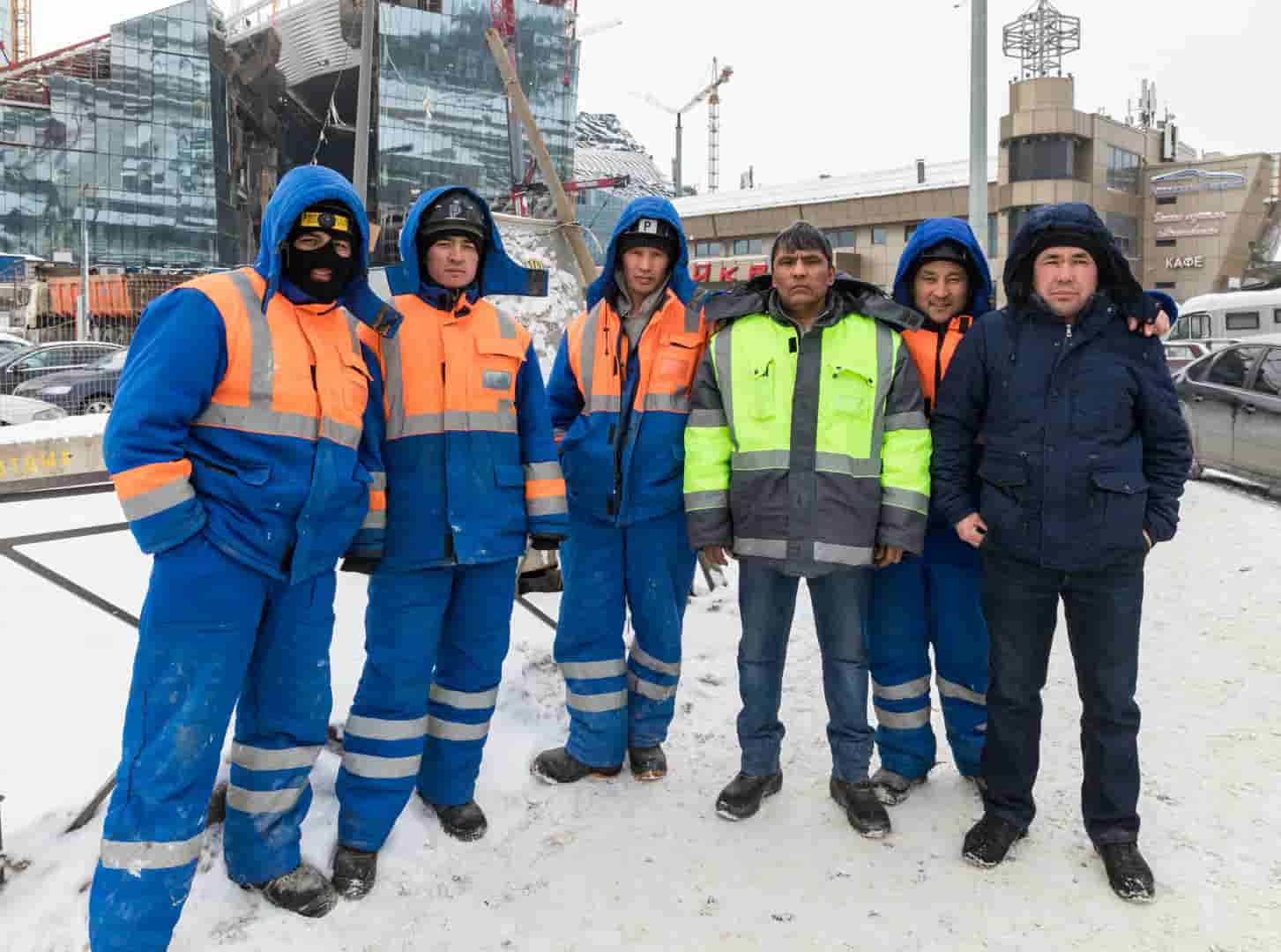
This is how the procedure looks in Yekaterinburg: according to the Sverdlovsk regional FSSP office, 2,769 illegal migrants have been expelled from the region since the start of the year, including through Koltsovo Airport.
45 articles instead of 22
A law signed by the president on August 4 comes into force on November 3. It increases from 22 to 45 the number of Administrative Offenses Code articles under which a foreign national may face expulsion in addition to a fine. The new grounds include petty hooliganism, participation in unauthorized rallies, discrediting the army, calls for sanctions against Russia, displaying banned symbols, discrimination and disobeying border guards.
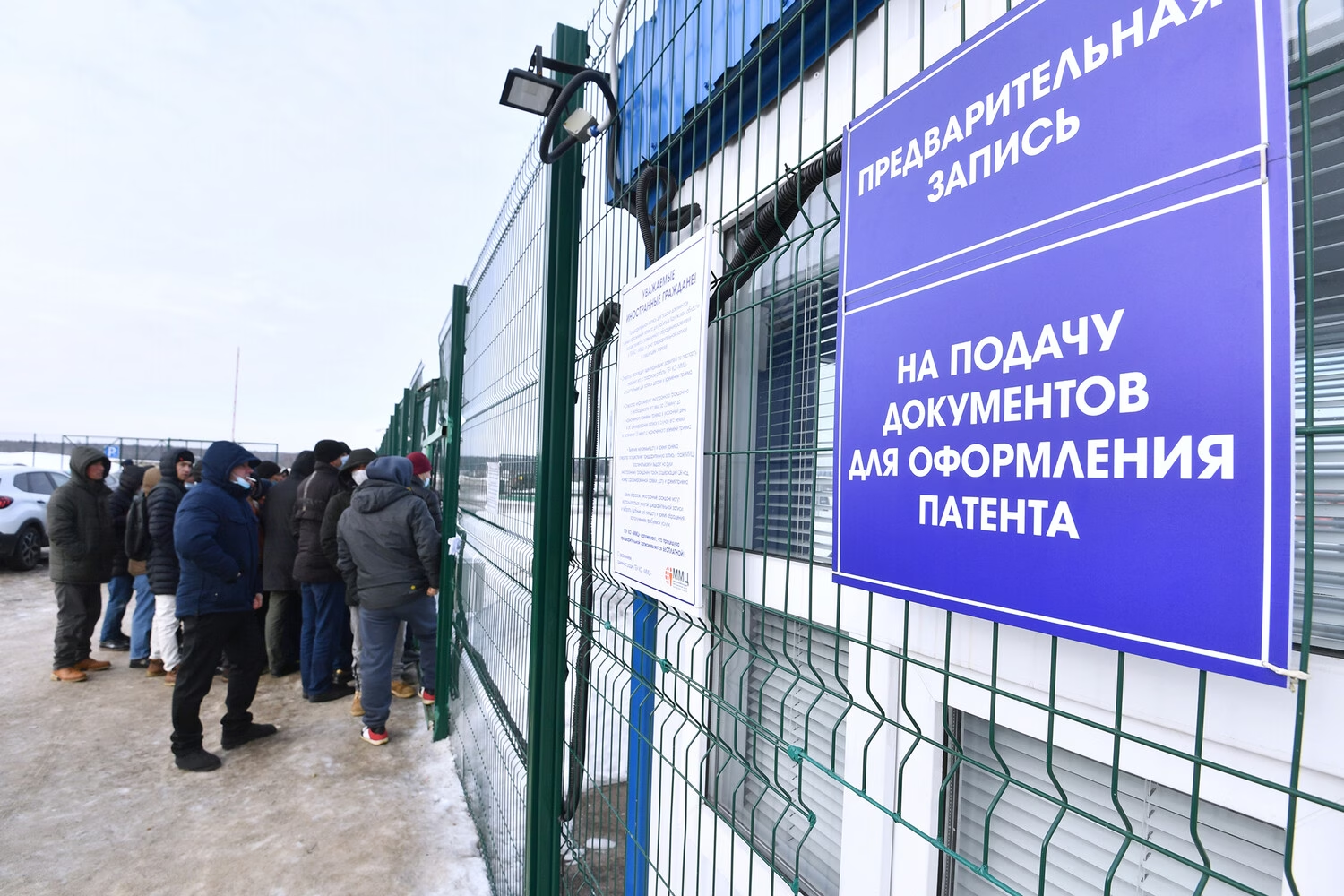
At the same time, checks on migrants' income are being tightened. Under amendments adopted in July, the tax service has provided the Interior Ministry with information on payments to foreign nationals since October 1, while the Social Fund has provided data on their employment since October 25. Starting January 1, 2027, the official earnings of a foreign worker must be sufficient to cover the regional subsistence minimum for the worker and dependent family members.
Volodin: expulsions increased 2.6-fold
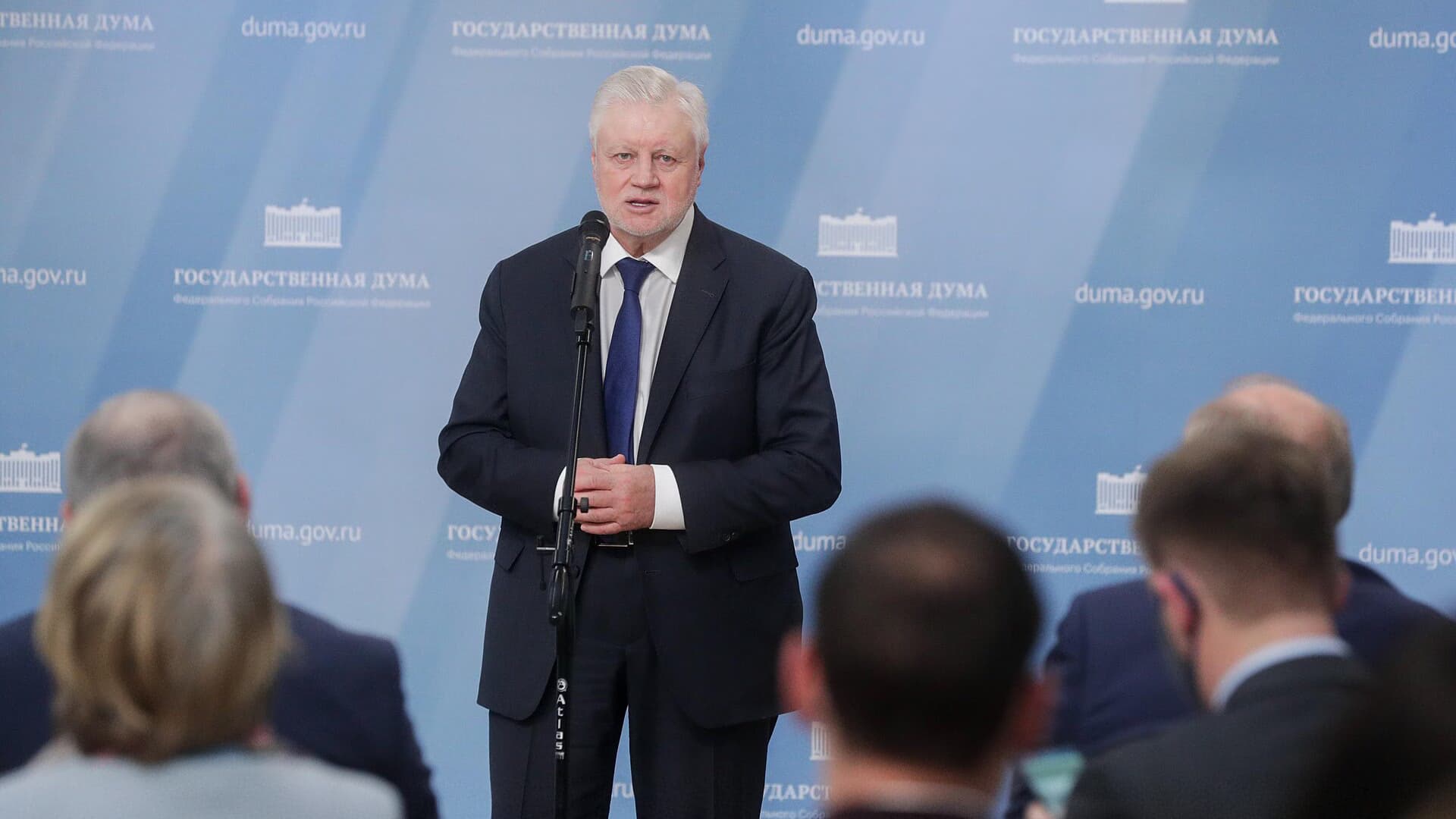
On November 2, State Duma Speaker Vyacheslav Volodin, citing law enforcement data, said that the number of foreign nationals expelled for various offenses had increased 2.6-fold over the past year and a half. He said that Russia had adopted 32 federal laws on migration policy since 2024, 21 of them introduced by State Duma deputies. “The adopted rules are working and producing results,” the speaker said.
The number of entry bans is also rising. As Interior Ministry spokeswoman Irina Volk said on October 22, the ministry barred more than 260,000 foreign nationals from entering Russia during the first eight months of 2026—75.8% more than a year earlier. The main reasons cited were violations of migration legislation, deportation and expulsion, as well as the submission of inaccurate information.
Photo and video: FSSP Office for Sverdlovsk Region / E1.RU; Mikhail Voskresensky / RIA Novosti
Have a story, event or announcement of your own?Send us your news on WhatsApp
Spotted an error in this story?Report it on WhatsApp
Share on all social platforms
Sponsored Ads
Featured Listings
Loading featured properties...
Stay Updated with RuskiGazeta
Subscribe to be informed about special news, developments and announcements. We will keep you informed.
By signing up, you agree to our Privacy Policy