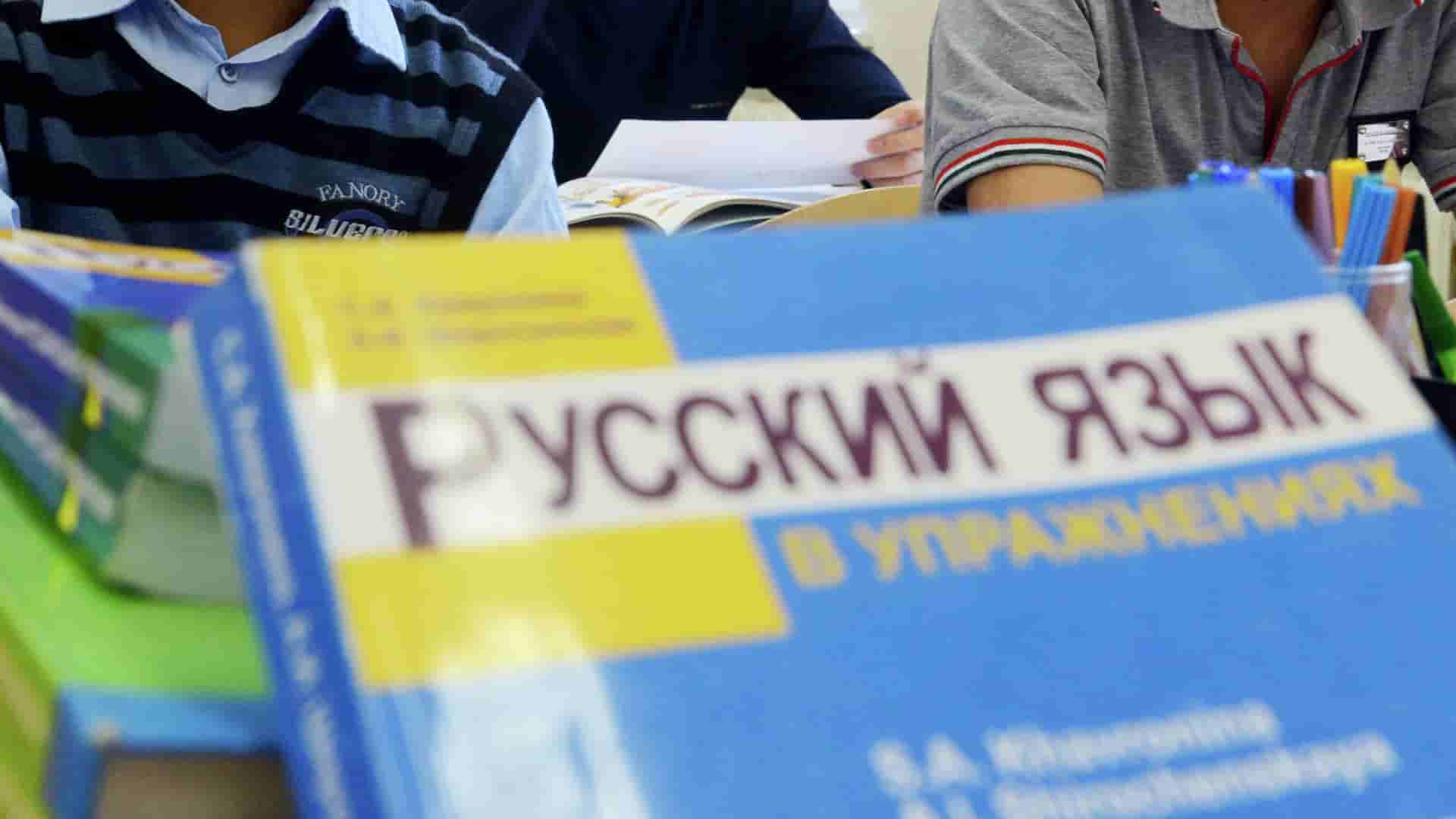
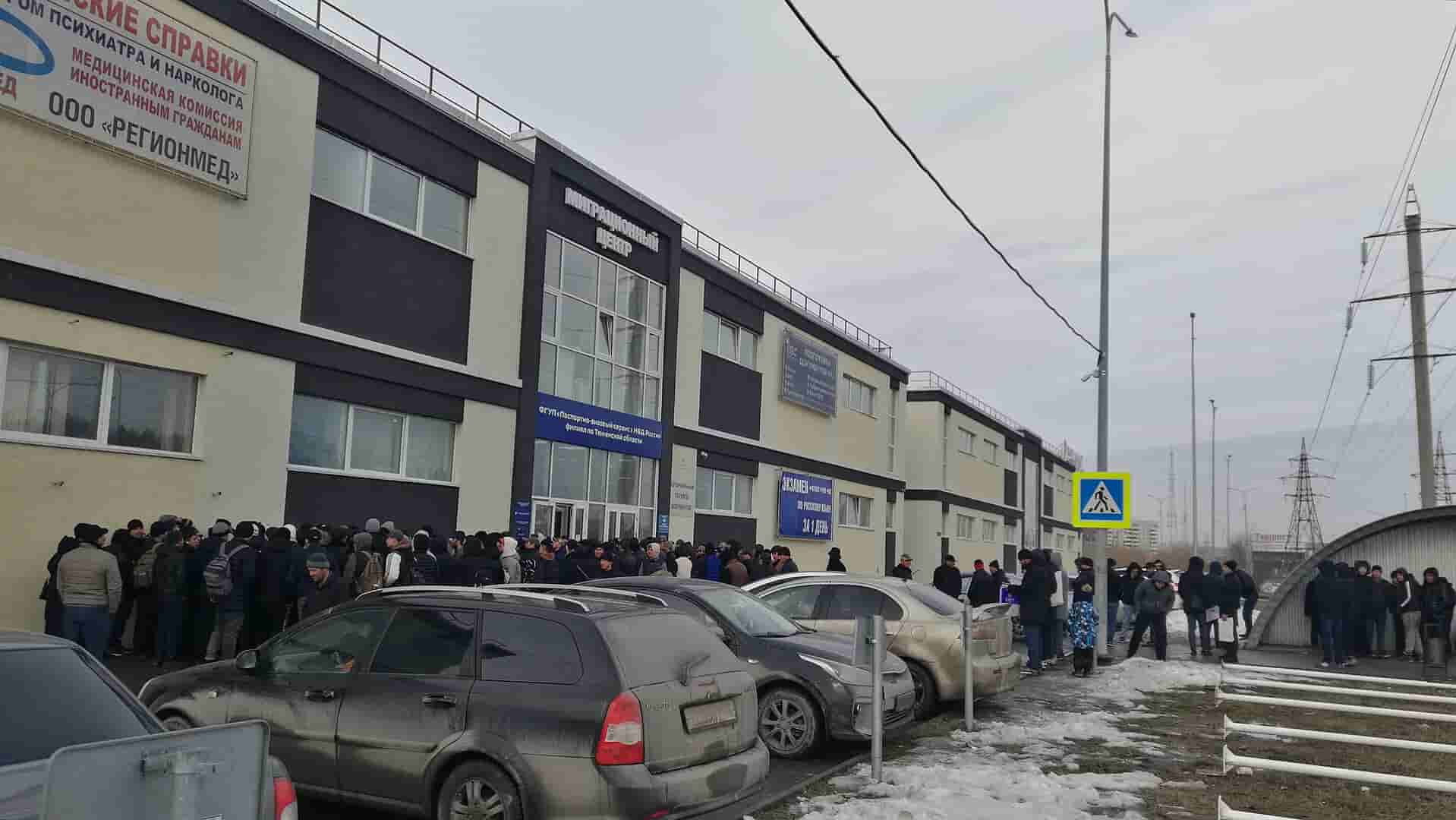
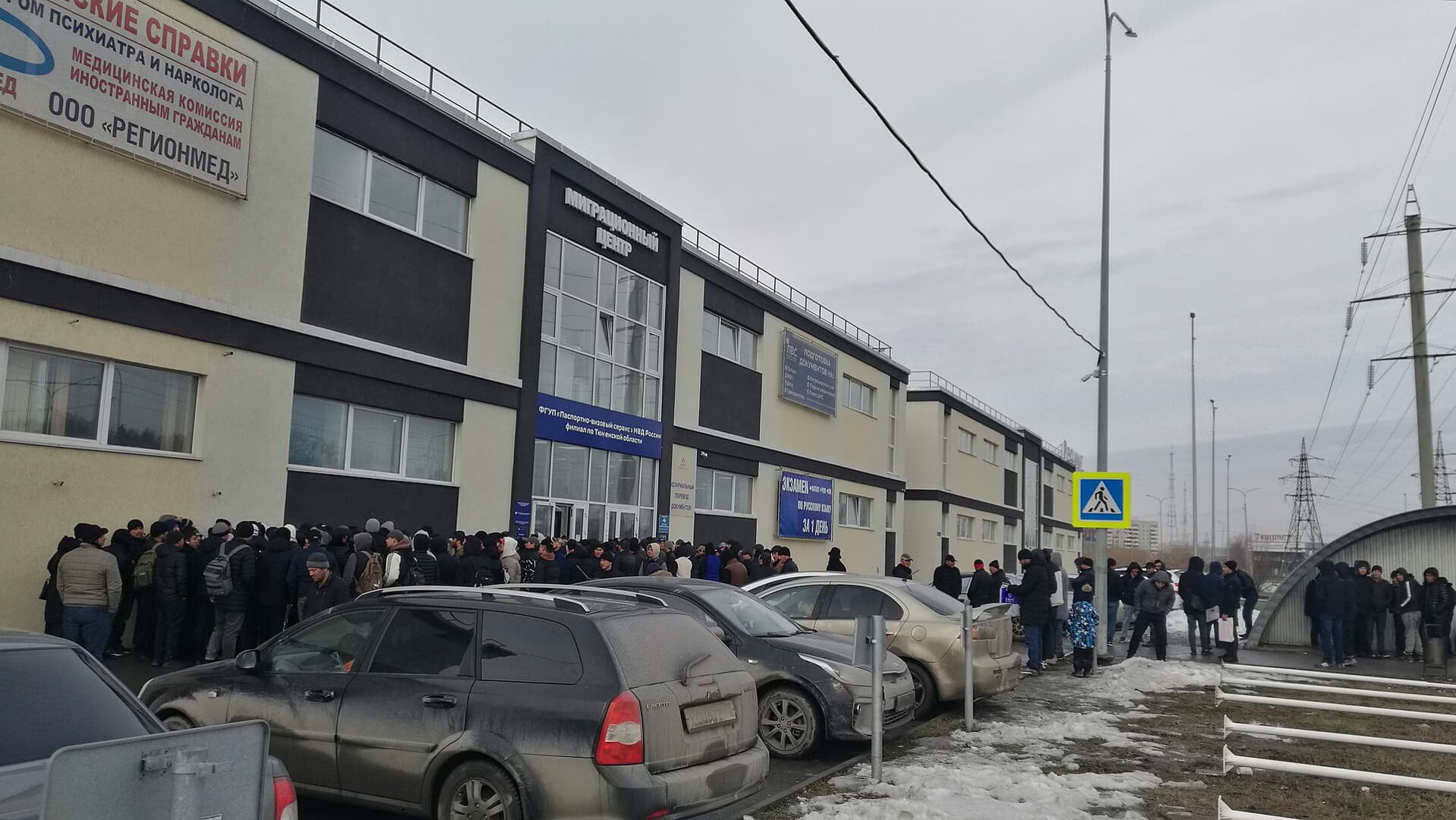
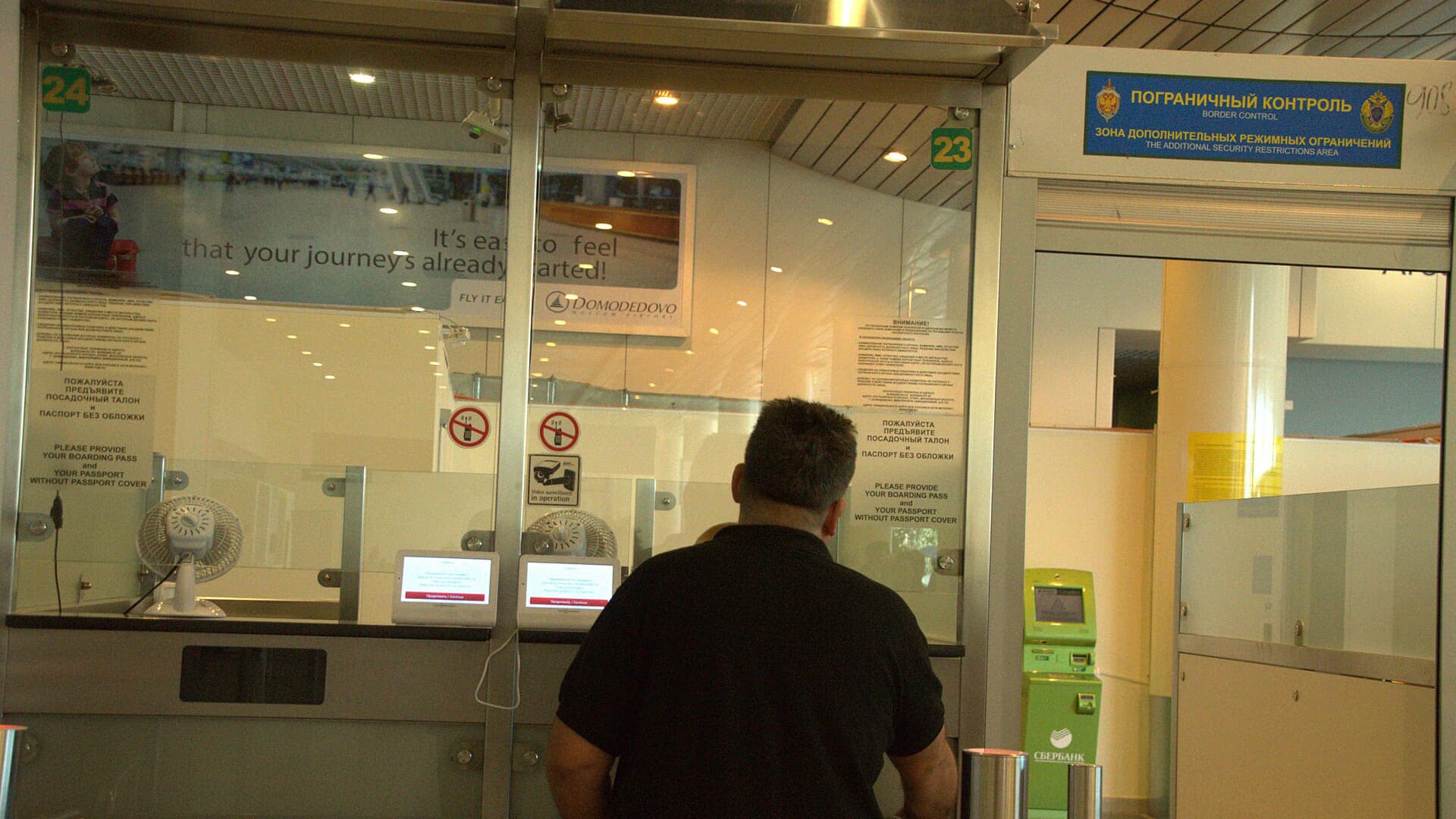
Updated oversight rules for organizations that administer the comprehensive exam to migrants in Russian, Russian history and the fundamentals of legislation have been in effect in Russia since November 7. Rosobrnadzor’s Order No. 1665, dated September 16, 2026, entered into force. The document was registered by the Ministry of Justice on October 23 and published on the official legal information portal on October 27.
The document approves a new list of risk indicators. These are signs that may prompt the supervisory authority to order an unscheduled inspection of an examination site. There are now ten such indicators. The previous list, approved in June 2023 and supplemented twice in 2024, contained four; it and its amendments have been repealed. The Garant legal information system notes that there are now more grounds for an unscheduled inspection.
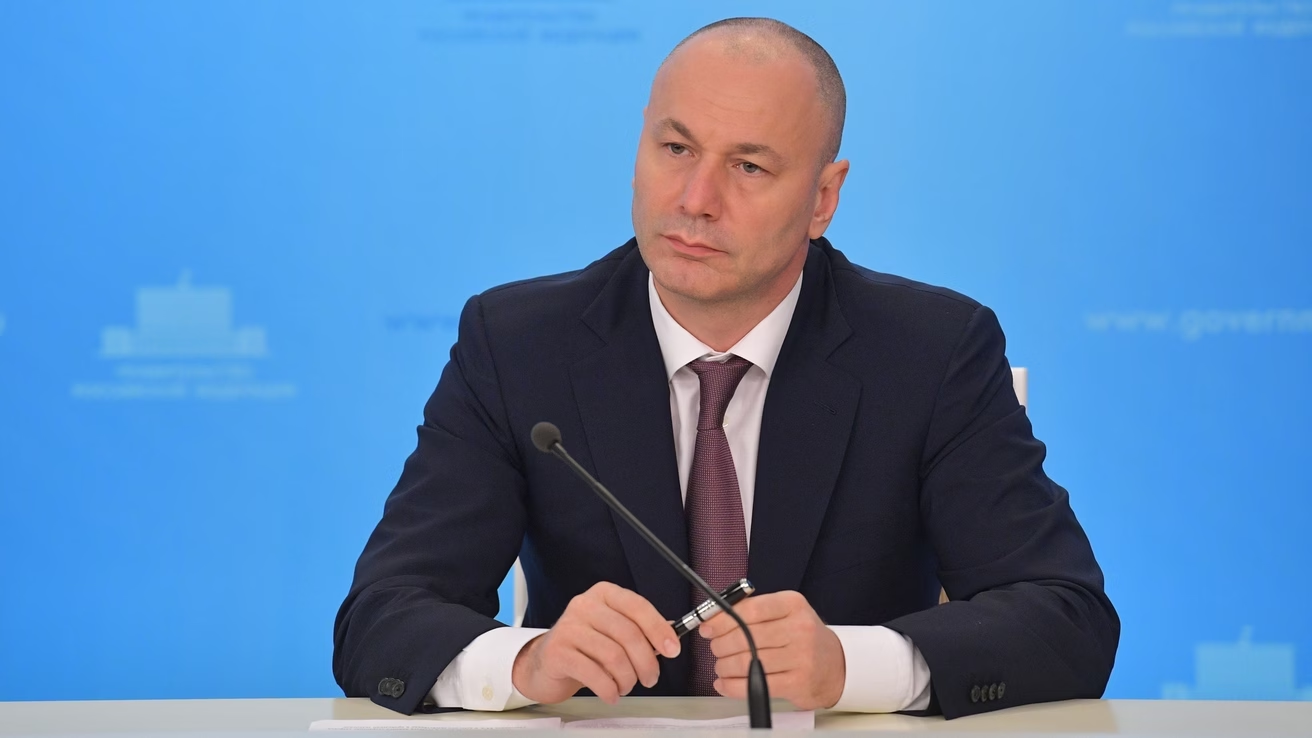
The order was signed by Rosobrnadzor head Anzor Muzaev. The agency is responsible for federal oversight of the examination and the issuance of certificates to foreigners.
What will alert inspectors
The first indicator concerns reporting. If an examination site fails for six months to submit information on exams taken at the approved examination address to the federal register of education documents, this will trigger supervisory attention.
Six indicators concern a sharp increase in certificate issuance, which is now calculated separately for each purpose: a patent or work permit, a temporary residence permit (TRP), and a permanent residence permit (PRP). A threefold increase over six months for TRPs and PRPs, and a fourfold increase for patents, will serve as a signal. To avoid reacting to fluctuations at small sites, thresholds have been introduced: the rule applies if an institution issued an average of more than two TRP certificates, 15 PRP certificates or 25 work-related certificates per month. In addition, one quarter is compared with the same quarter of the previous year. Previously, the increase was calculated for all certificates together, quarter on quarter.
Three other indicators are linked to feedback from migration authorities. An examination site enters the risk zone if the agency processing TRP or PRP applications reports three or more confirmed cases in a calendar year in which the holder of a valid certificate has no more than minimal knowledge of Russian. For patents, the threshold is six such cases per quarter. Until now, a single rule applied: three cases per quarter for any type of document.
What this means for migrants
The order is addressed to examination centres, not foreigners: it does not change the requirements for examinees themselves. However, it affects everyone who needs a certificate for a patent, work permit, TRP or PRP. These are primarily labour migrants from Uzbekistan and Tajikistan who work under patents. Citizens of Eurasian Economic Union countries, including Kazakhstan and Kyrgyzstan, do not obtain patents.
According to the Ministry of Education and Science, 201,675 people took the exam for the level required for a patent or work permit in the fourth quarter of 2025. A total of 87.9% passed, while 35.5% did not pass on their first attempt. The exam is administered at 203 sites across all regions of Russia, as well as in Tajikistan and Uzbekistan.
Two years of tighter controls
The new list continues a series of measures introduced over the past two years. In December 2024, the government approved a list of state institutions authorized to administer the exam: only state organizations may now conduct the testing. Updated specifications have been in effect since July 10, 2025: the task bank was doubled, and mandatory scores for listening and speaking were introduced. From January 1, 2026, as Rosobrnadzor reported, the exam is administered only on a computer using the ExaM software suite, with video identification of the participant.
The tougher rules are also backed by criminal cases. In April 2026, according to the Dagestan Directorate of the Federal Security Service, employees of a local examination site of the Pushkin State Russian Language Institute were convicted of issuing foreigners documents confirming that they had passed the exam in exchange for bribes. Three received two-year prison sentences, while two intermediaries received one and a half years each. On October 19, a court in Kirov, as reported by the regional Investigative Committee directorate, found the head and an employee of a private educational institution guilty. According to the investigation, they conducted exams without actually testing knowledge in 2023–2024, and 103 foreigners received work patents based on the results.
Photo: RIA Novosti / Ilya Pitalev (archive); Government of Russia / Wikimedia Commons (CC BY 4.0)