- BIST10011,483+1.32%
- USD50.07+0.05%
- EUR55.96-0.52%
- GOLD4,120.00+1.11%
- INTEREST36.00%-1.00
- BITCOIN74,273-0.60%
- November 9, 20264°
- BIST10011,483+1.32%
- USD50.07+0.05%
- EUR55.96-0.52%
- GOLD4,120.00+1.11%
- INTEREST36.00%-1.00
- BITCOIN74,273-0.60%
- November 9, 20264°
Migration fines will rise by 2,000 rubles from November 3
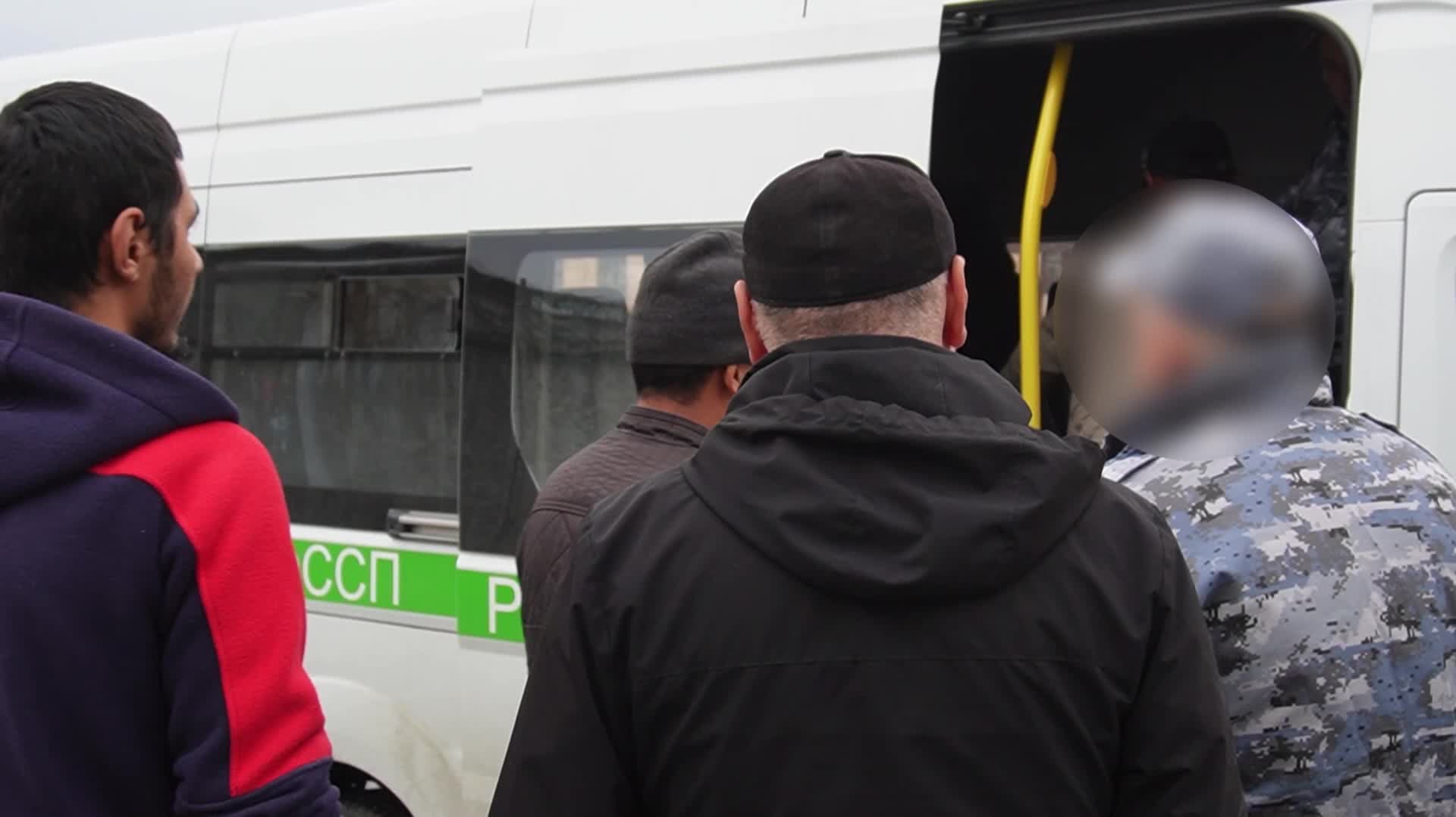
Amendments to the Administrative Offenses Code taking effect on Tuesday will raise both the minimum and maximum fines for migration-related violations. A foreign national’s basic violation will cost 4,000–7,000 rubles, or 7,000–9,000 rubles in the capital regions; Russian citizens who host or employ migrants will also face higher fines for violations.
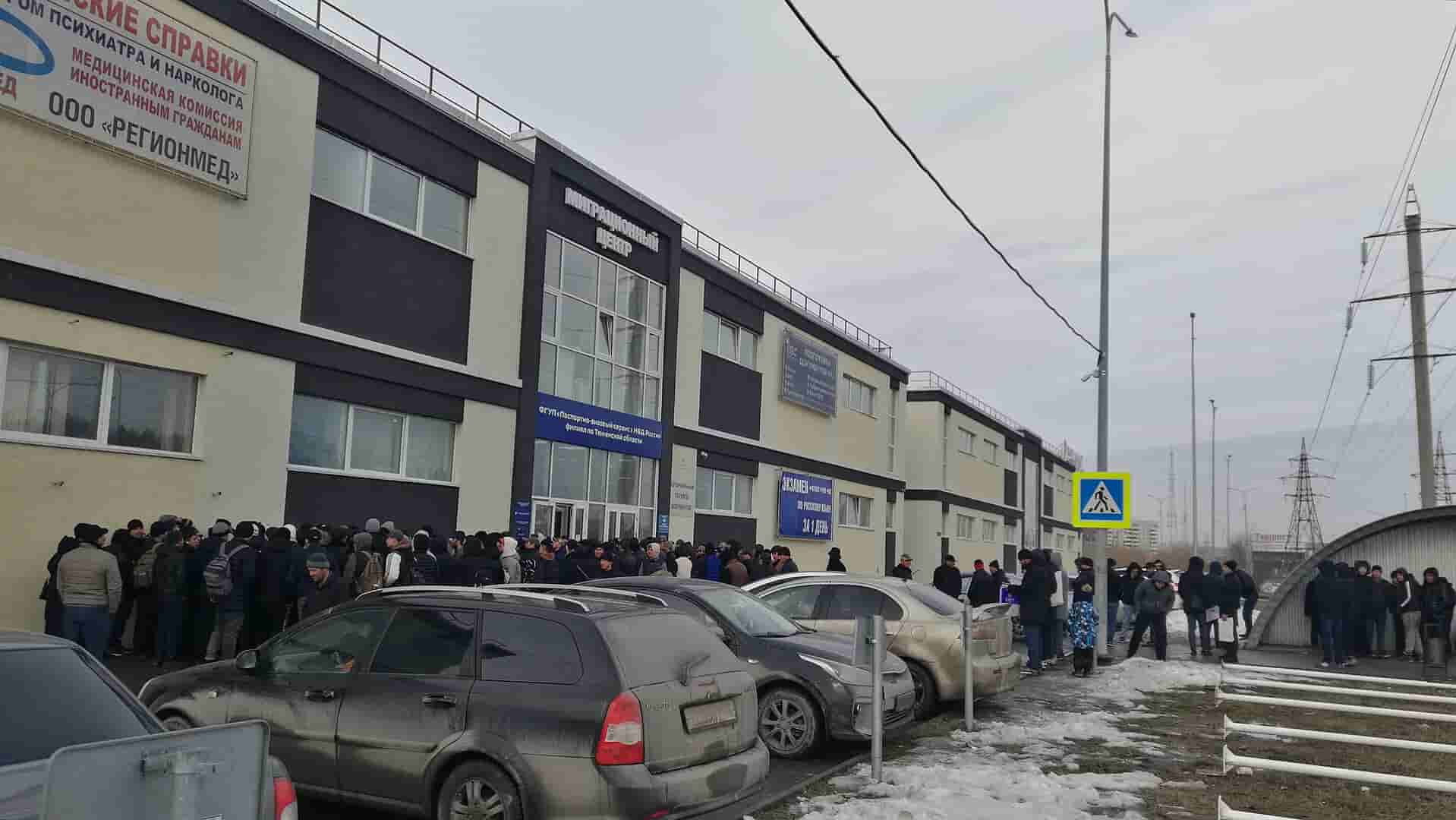
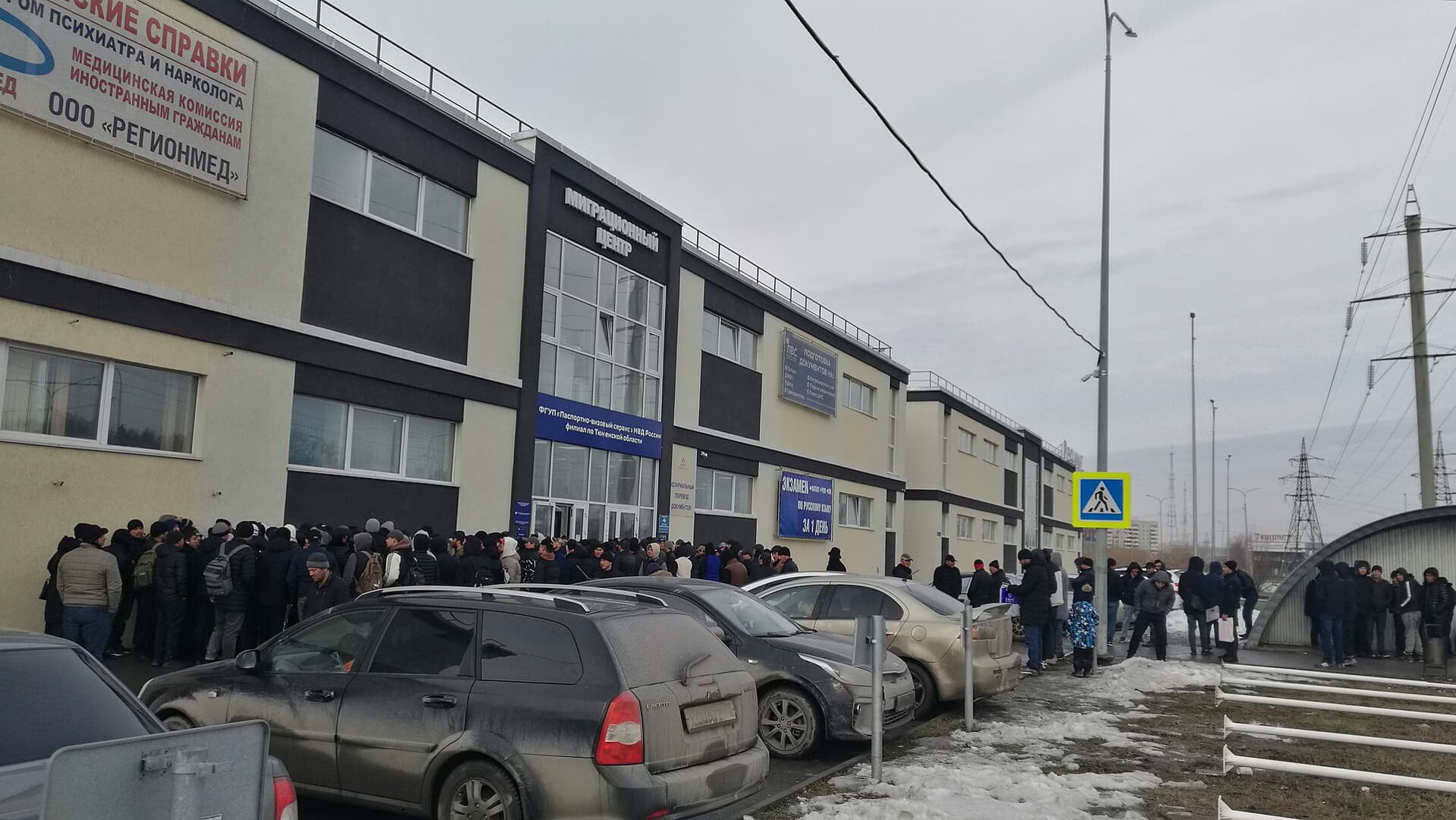
Federal Law No. 294-FZ takes effect on Tuesday, November 3. It was signed and published on August 4 and enters into force after 90 days. In addition to expanding the list of violations that carry expulsion, as we previously reported, the law raises the fines for migration-related violations themselves. Under the new version of the Code of Administrative Offenses, both the minimum and maximum fines for key violations are 2,000 rubles higher than before.
How much will a foreign national pay?
For violating the rules on entry, migration registration or the stay regime (Article 18.8), as well as for working without a patent or outside the profession specified in it (Article 18.10), the basic fine will be 4,000–7,000 rubles instead of the previous 2,000–5,000 rubles. In Moscow, St. Petersburg, the Moscow Region and the Leningrad Region, the fine will be 7,000–9,000 rubles. The same amount applies to a repeat violation within one year, while a repeat violation of the stay regime in the capital regions will cost 9,000–12,000 rubles and carry mandatory expulsion. In the event of a repeat violation within one year, the foreign national will no longer be allowed to leave independently under the authorities’ supervision: this form of expulsion does not apply to this violation.
A person who is late in applying to amend information in a patent or work permit will face a fine of 6,000–7,000 rubles.
| Violation | Code of Administrative Offenses article | Fine from November 3 |
|---|---|---|
| Violation of entry, registration or stay rules | 18.8, Part 1 | 4,000–7,000 rubles |
| The same violation in Moscow, St. Petersburg, the Moscow Region and the Leningrad Region | 18.8, Part 3 | 7,000–9,000 rubles |
| Repeat violation in the capital regions | 18.8, Part 5 | 9,000–12,000 rubles and expulsion |
| Working without a patent or outside the specified profession | 18.10, Part 1 | 4,000–7,000 rubles |
| The same violation in the capital regions | 18.10, Part 2 | 7,000–9,000 rubles and expulsion |
| Late amendment of patent details | 18.10, Part 4 | 6,000–7,000 rubles |
| Host party failed to fulfill migration registration duties (citizen) | 18.9, Part 4 | 4,000–6,000 rubles |
| Citizen employed a foreign national without a patent | 18.15, Part 1 | 4,000–7,000 rubles |
Russian citizens will also face penalties
The increase applies not only to migrants. A citizen who, as a host party, fails to fulfill migration registration duties will pay 4,000–6,000 rubles. A private individual who employs a foreign national without a patent or work permit will pay 4,000–7,000 rubles, or 7,000–9,000 rubles in the capital regions. The same 4,000–6,000-ruble fine applies to a citizen who invited a foreign national and failed to ensure their timely departure or stated a false purpose of travel. Fines for companies are still calculated in the hundreds of thousands: organizations that illegally employ foreign nationals face 250,000–800,000 rubles or suspension of operations for up to 90 days.
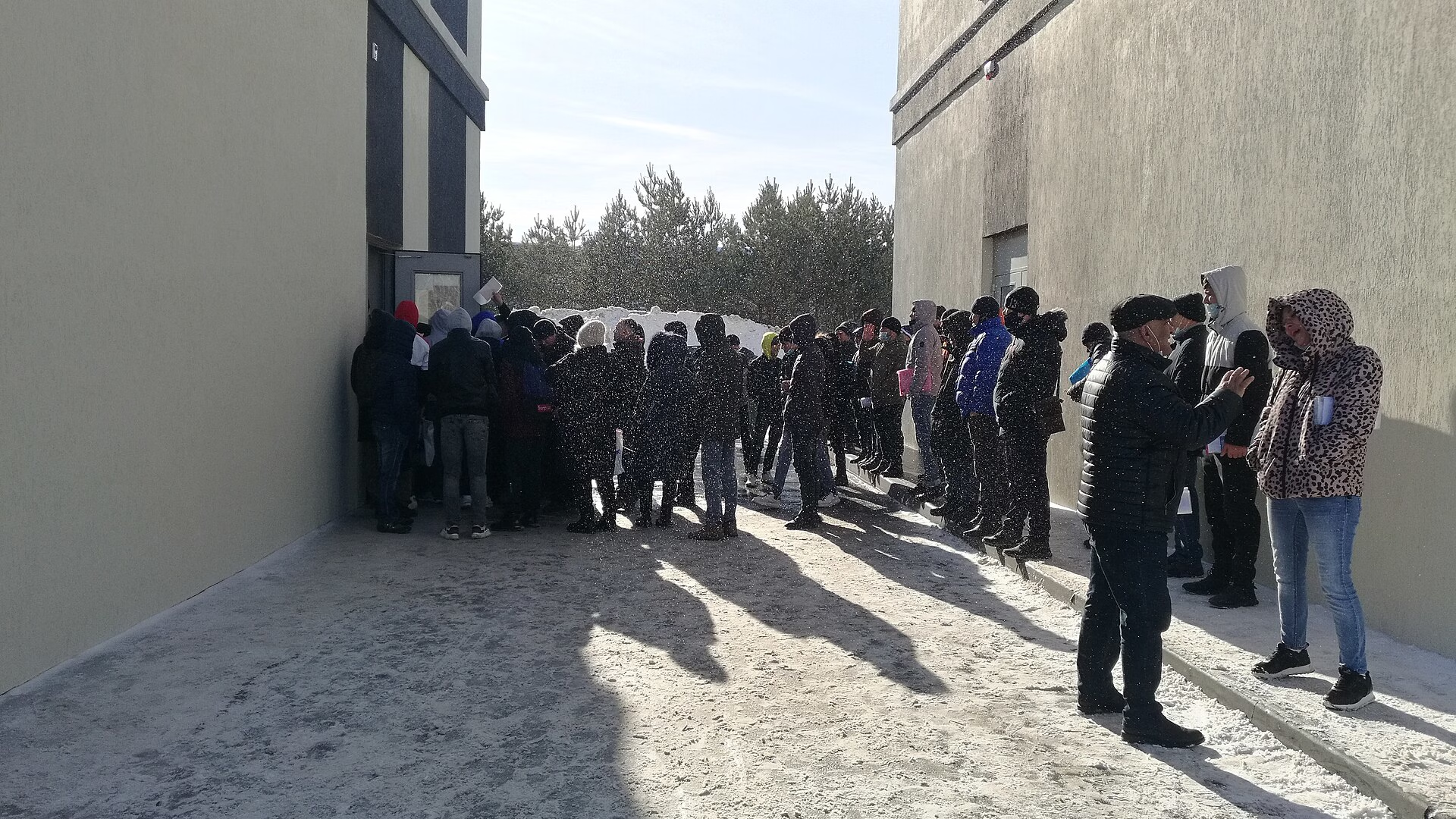
Family ties will no longer prevent expulsion
The law also amends Part 3.8 of Article 4.1 of the Code of Administrative Offenses. It allows a judge to replace mandatory expulsion with a fine of 40,000–50,000 rubles or 150–200 hours of mandatory community service if expulsion would disproportionately restrict the right to private life. The court considers the length of residence in Russia, family, housing, income and tax payments. Under the new version, this replacement will not be possible for violations covered by 30 articles of the Code of Administrative Offenses, including disobeying the police, violations at public rallies and using drugs without a doctor’s prescription.
The press service of the Interior Ministry’s Main Directorate for Migration Affairs explained, as reported by Fontanka, that the amendments are intended to make administrative expulsion more effective and faster.
The next step is a new procedure for issuing patents
The next change for labor migrants is expected in December. On September 17, Interior Ministry Order No. 322 of May 22 was officially published, approving a new administrative procedure for processing, issuing and renewing patents. According to legal reference resources, it will take effect on December 17 and replace the 2020 procedure; the maximum processing time for a patent under the new rules is 10 working days.
Photo: RG72 / Wikimedia Commons (CC BY 4.0)
Stay Updated with RuskiGazeta
Subscribe to be informed about special news, developments and announcements. We will keep you informed.
By signing up, you agree to our Privacy Policy