- BIST10011,483+1.32%
- USD50.07+0.05%
- EUR55.96-0.52%
- GOLD4,120.90+1.13%
- INTEREST36.00%-1.00
- BITCOIN74,058-0.89%
- November 9, 20264°
- BIST10011,483+1.32%
- USD50.07+0.05%
- EUR55.96-0.52%
- GOLD4,120.90+1.13%
- INTEREST36.00%-1.00
- BITCOIN74,058-0.89%
- November 9, 20264°
COP31 climate conference opens in Antalya, Türkiye
The UN climate conference COP31 opened in Antalya on November 9, moving climate diplomacy to Türkiye’s coast after Baku and Belém. Azerbaijan, as the COP29 presidency, is holding an event with Türkiye and the WHO on the first day, while Russia and Kazakhstan are represented by their pavilions; President Recep Tayyip Erdoğan will open the leaders’ summit on November 11.
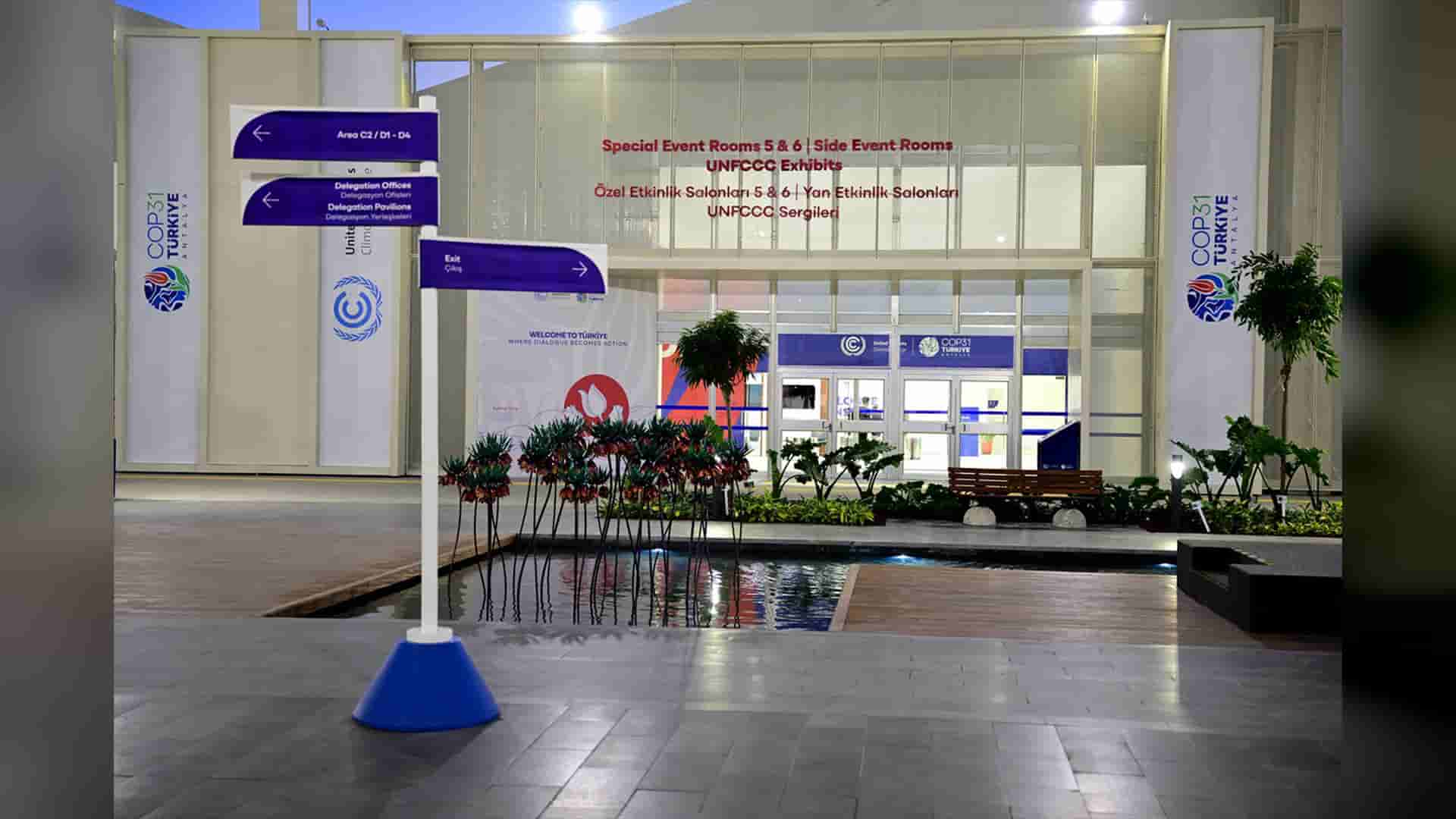
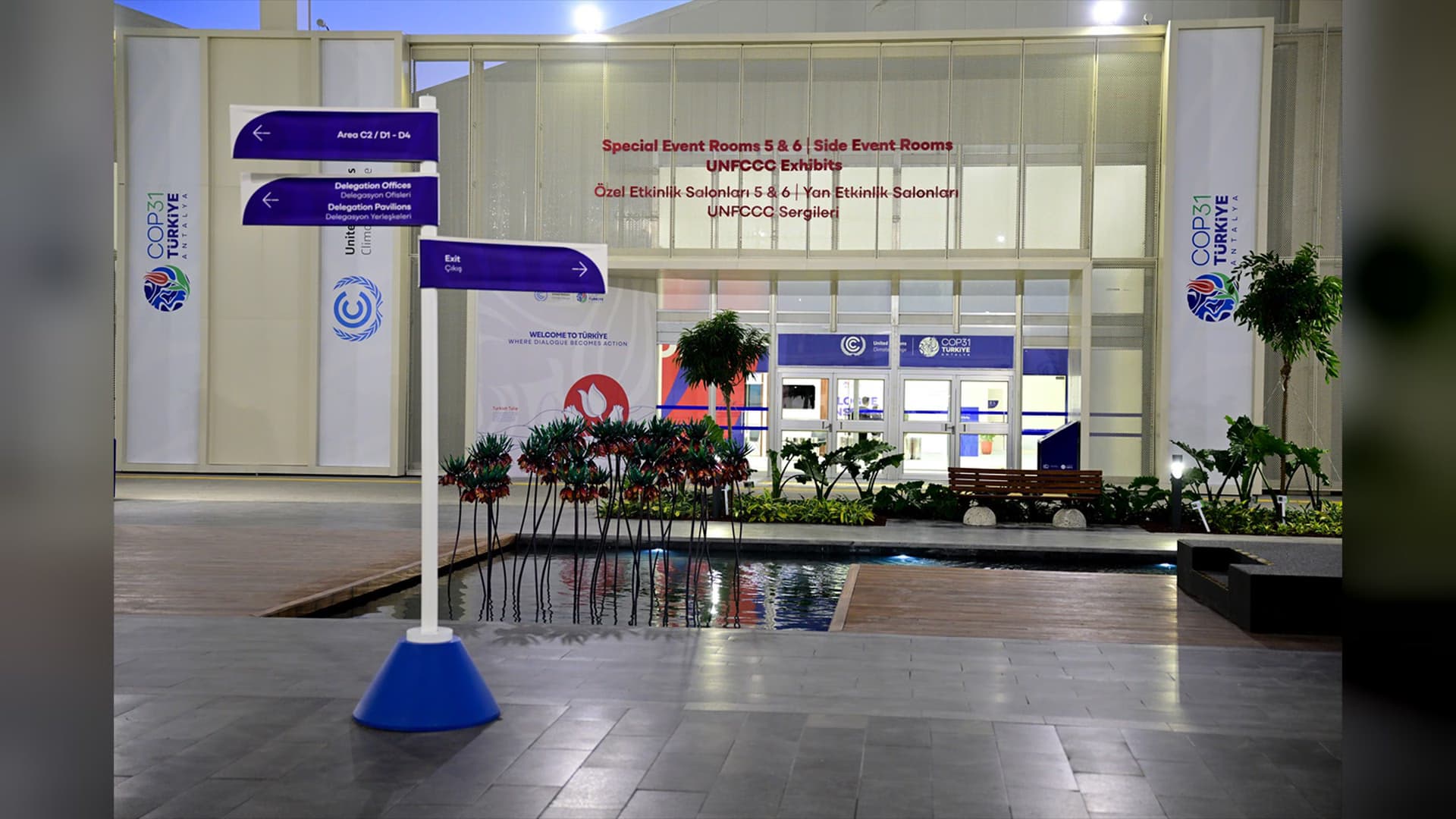
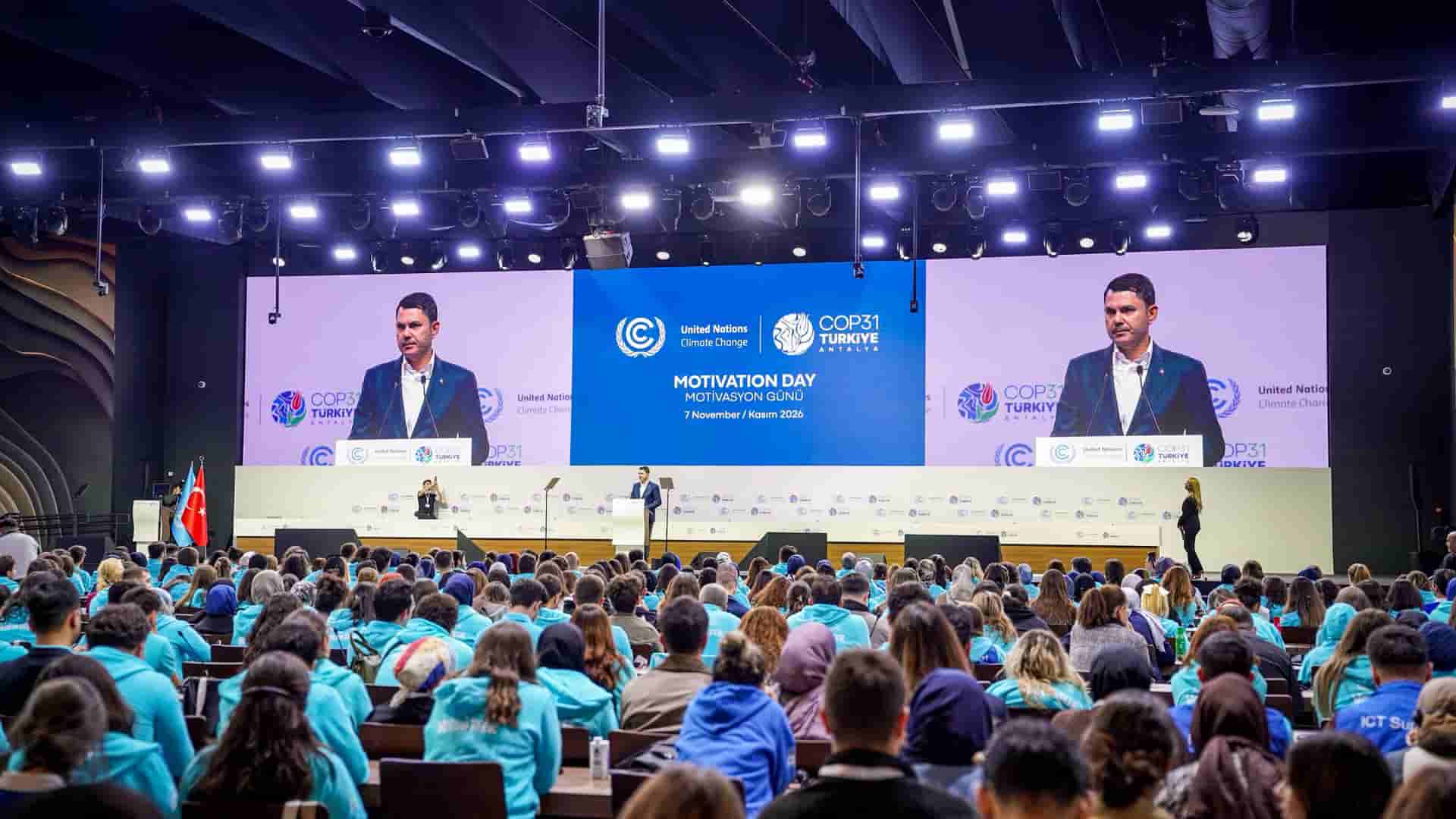
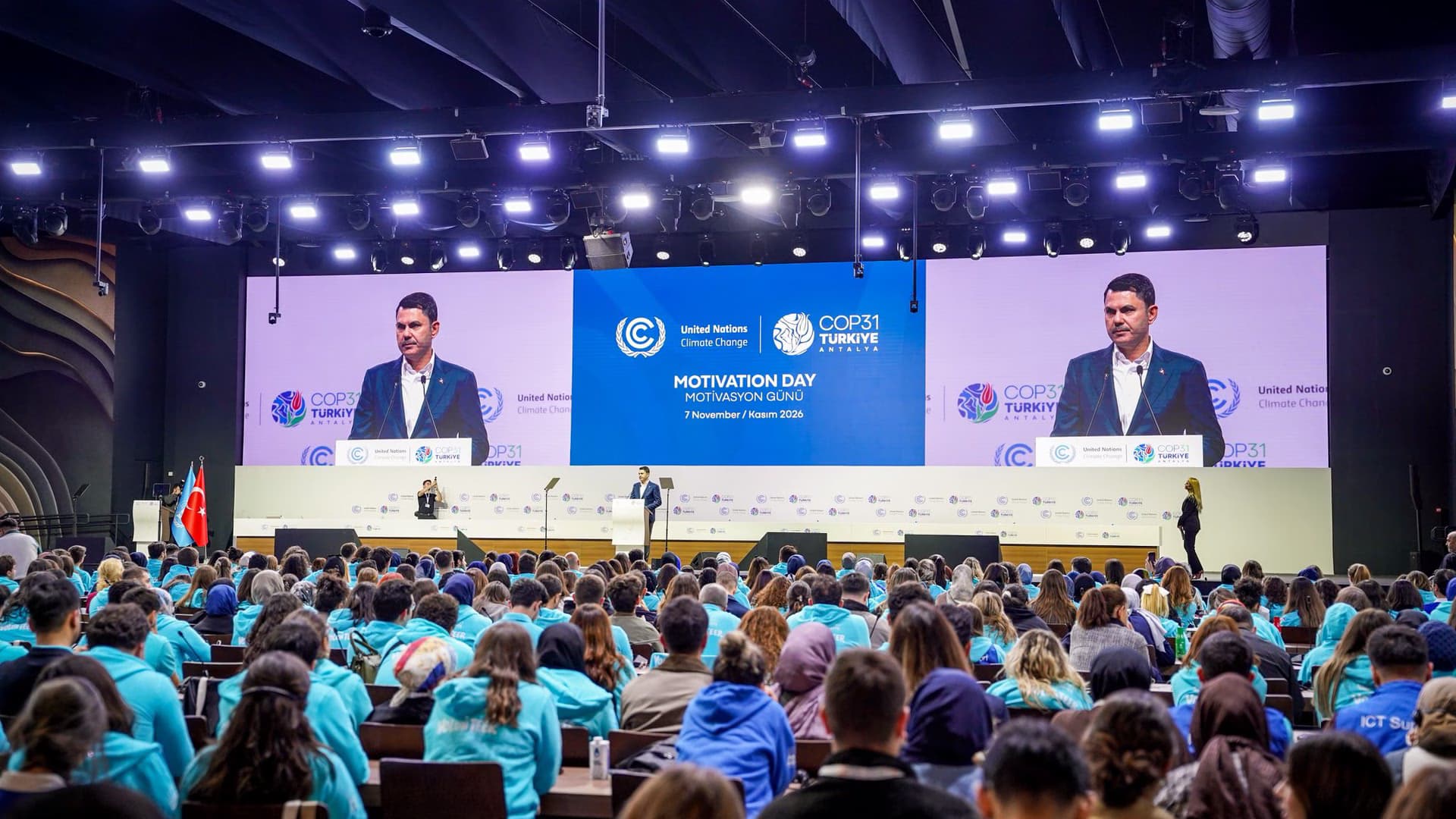
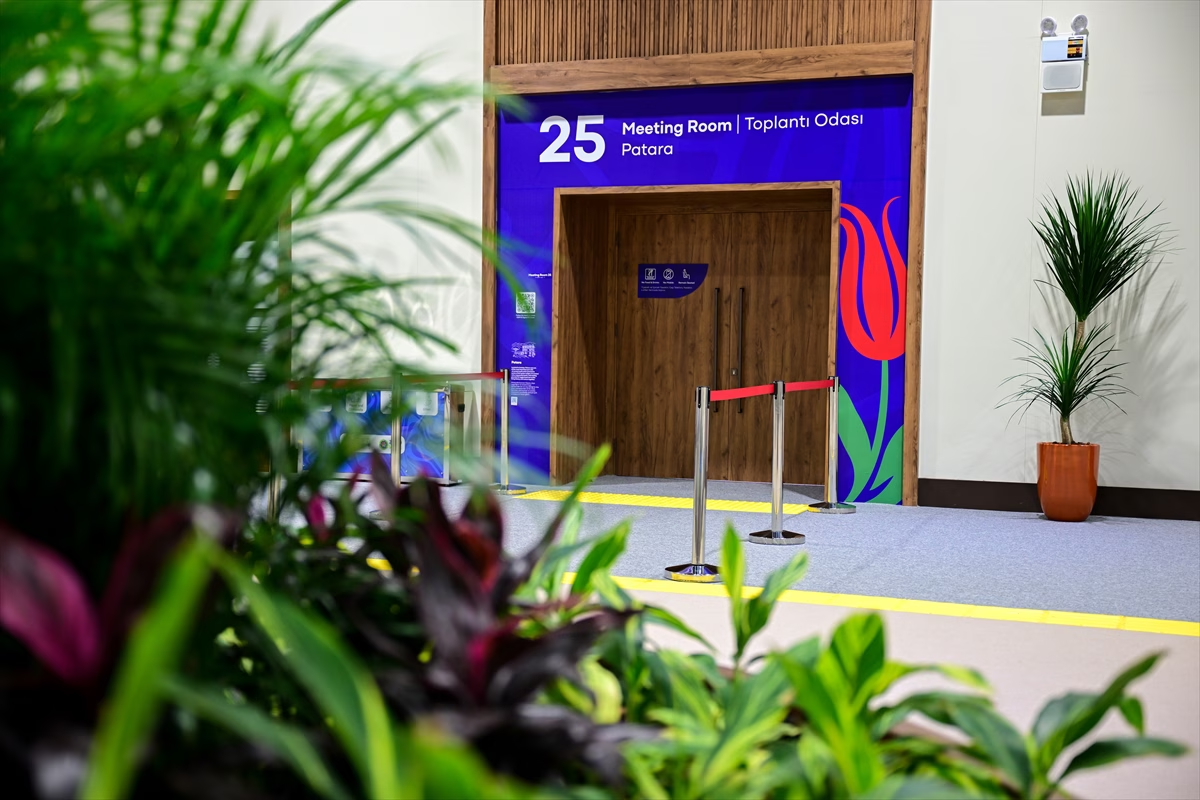
The 31st Conference of the Parties to the UN Framework Convention on Climate Change (COP31) opened in Antalya, Türkiye, on Monday, November 9. Türkiye is hosting a climate forum of this scale for the first time: delegations from 196 parties to the convention and the European Union will work at the former EXPO 2016 venue through November 20. The leaders of 102 countries and more than 300 ministers have already confirmed their participation, according to Türkiye’s Ministry of Environment, Urbanization and Climate Change.
The conference is being held under the arrangement agreed at COP30 in Belém, Brazil: Türkiye has assumed the presidency and hosting role, while official negotiations are being led by Australian Minister for Climate Change and Energy Chris Bowen. The COP31 president is Türkiye’s Minister of Environment, Urbanization and Climate Change Murat Kurum. On November 8, the day before the opening, Kurum held a trilateral meeting with UNFCCC Executive Secretary Simon Stiell and Bowen, with the participation of the delegations.
From the Caspian to the Mediterranean
Over three years, climate diplomacy has travelled from the Caspian Sea to the Mediterranean: Baku hosted COP29 in 2024, COP30 took place in Belém in 2025, and Antalya is now hosting the conference. In Baku, countries agreed on a new climate-finance target of at least $300 billion a year for developing countries by 2035, while in Belém they agreed to at least triple adaptation finance by the same deadline. Halil Hasar, head of Türkiye’s Climate Change Directorate, previously said Ankara expected progress on fulfilling the Baku climate-finance target.
On the conference’s first day, Azerbaijan, as the COP29 presidency, is holding a high-level roundtable with the COP31 presidency and the World Health Organization on advancing health in the global climate agenda. The Azerbaijani pavilion in the “blue zone” is hosting discussions on water security and financing for water infrastructure, agricultural-waste recycling, accounting for food losses in national climate plans, and the role of young people in agrifood systems.
Kurum also plans to appear before the press alongside all former COP presidents with a joint appeal for peace. He said this has never happened in the history of the climate conferences. Kurum describes COP31 as a “conference of implementation,” while acknowledging that the feasibility of the Paris Agreement’s 1.5-degree target is now in question.
The video “COP31 begins,” published by Murat Kurum on the morning of the opening, shows the sunrise over the sea, the silhouette of the EXPO tower in Antalya, flags at the summit venue, a “Welcome to Türkiye” stand bearing the logos of the UNFCCC and COP31, and the conference press room.
Russia: the Arctic and a “technologically neutral approach”
The Russian pavilion is dedicated to the Arctic on the conference’s first day. Its programme includes discussions on Indigenous peoples, local communities and young people in the climate agenda; high-latitude climate research ahead of the Fifth International Polar Year; new formats for Arctic cooperation; and the economics of adaptation for businesses, regions and Arctic infrastructure.
Russia’s priorities for COP31 were outlined in July by Deputy Minister of Economic Development Vladimir Ilyichev at a meeting with Kurum, TASS reported. Russia opposes turning climate requirements into unilateral trade restrictions and supports a “technologically neutral and economically realistic approach” that takes national conditions, economic structures and different pathways to low-carbon development into account.
In Moscow at the same time, Kurum discussed preparations for the conference with Deputy Prime Minister Marat Khusnullin, Minister of Construction and Housing and Utilities Irek Faizullin, and Ruslan Edelgeriyev, the Russian president’s special representative for climate issues. The Turkish minister emphasized that Ankara attaches great importance to supporting its Russian partners.
Central Asia and the Caucasus
On the first day, Kazakhstan is presenting at its pavilion its experience restoring the Northern (Small) Aral Sea as an adaptation measure and example of international cooperation, along with projects to restore peatlands and protect pregnant women from the risks of warming.
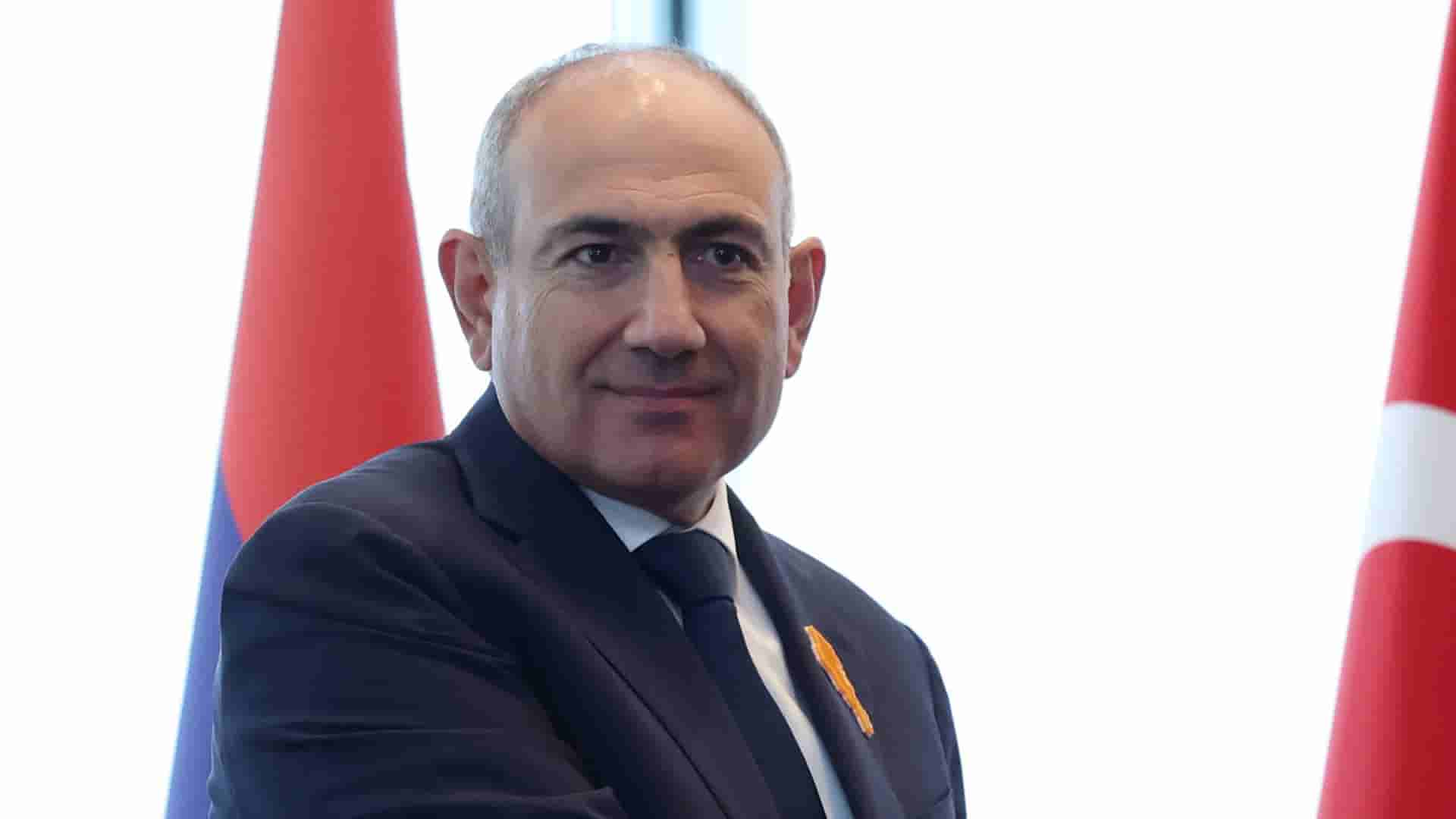
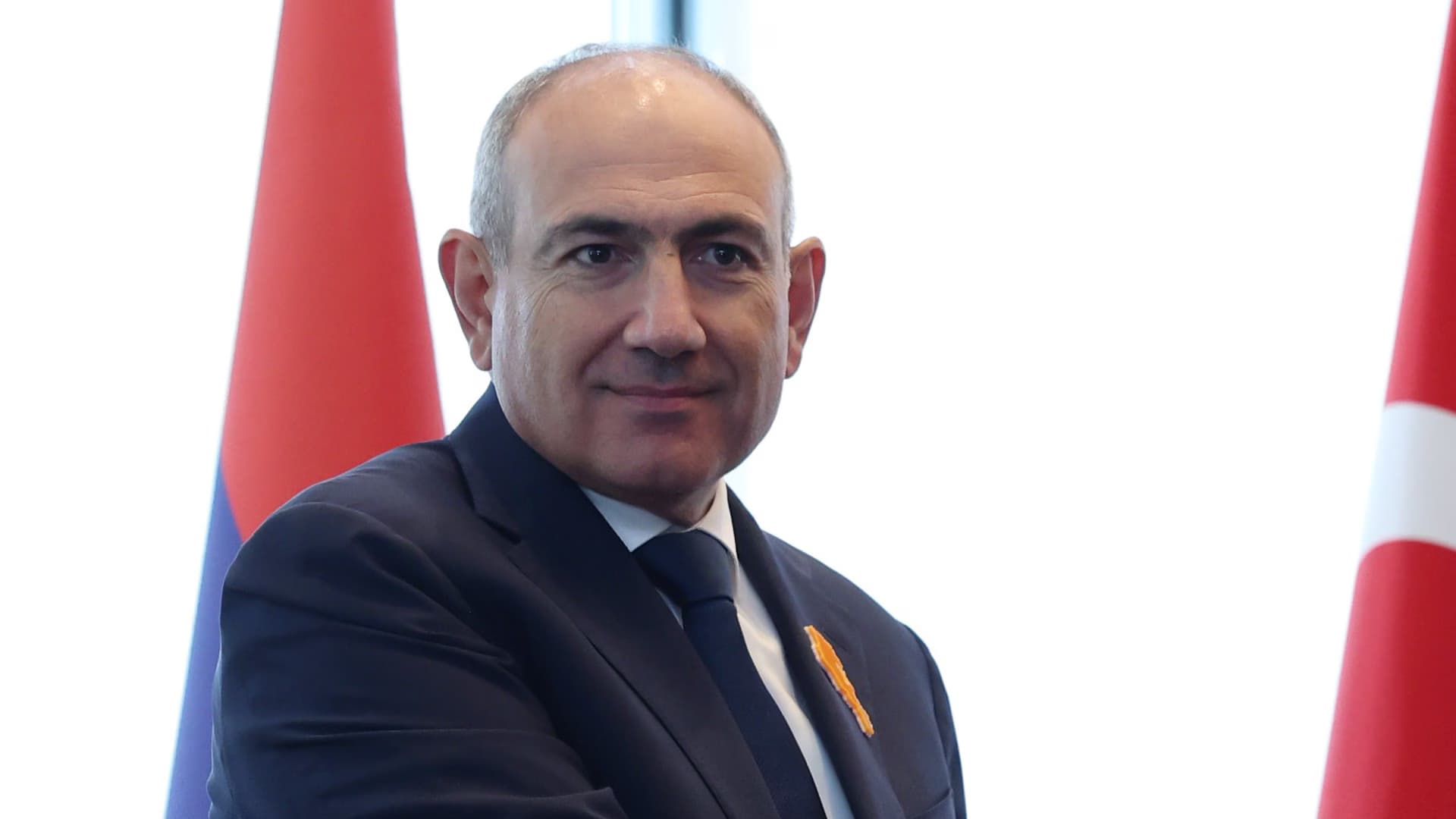
Armenian Prime Minister Nikol Pashinyan confirmed on November 5 that he planned to travel to Antalya for the conference. Turkish President Recep Tayyip Erdoğan sent invitations to the leaders’ summit to heads of state and government.
Leaders’ summit on November 11–12
The Antalya leaders’ summit will take place on November 11–12 in the “blue zone,” with Erdoğan opening it on Wednesday, November 11. According to Türkiye’s Deputy Foreign Minister Berris Ekinci, UN Secretary-General António Guterres and Australian Prime Minister Anthony Albanese are also due to speak at the opening with him. Two initiatives will be launched at the leaders’ level that day, which has been designated Zero Waste Day, including a global high-level dialogue on methane emissions from waste.
Energy: electrification and nuclear power
Energy and transport day will take place in the “green zone” on November 10. The COP31 presidency is seeking to increase electricity’s share of global final energy consumption to 35% by 2035 and reduce the energy intensity of building operations by at least 25%; an open-for-signature “Antalya Compact” has been prepared for buildings.
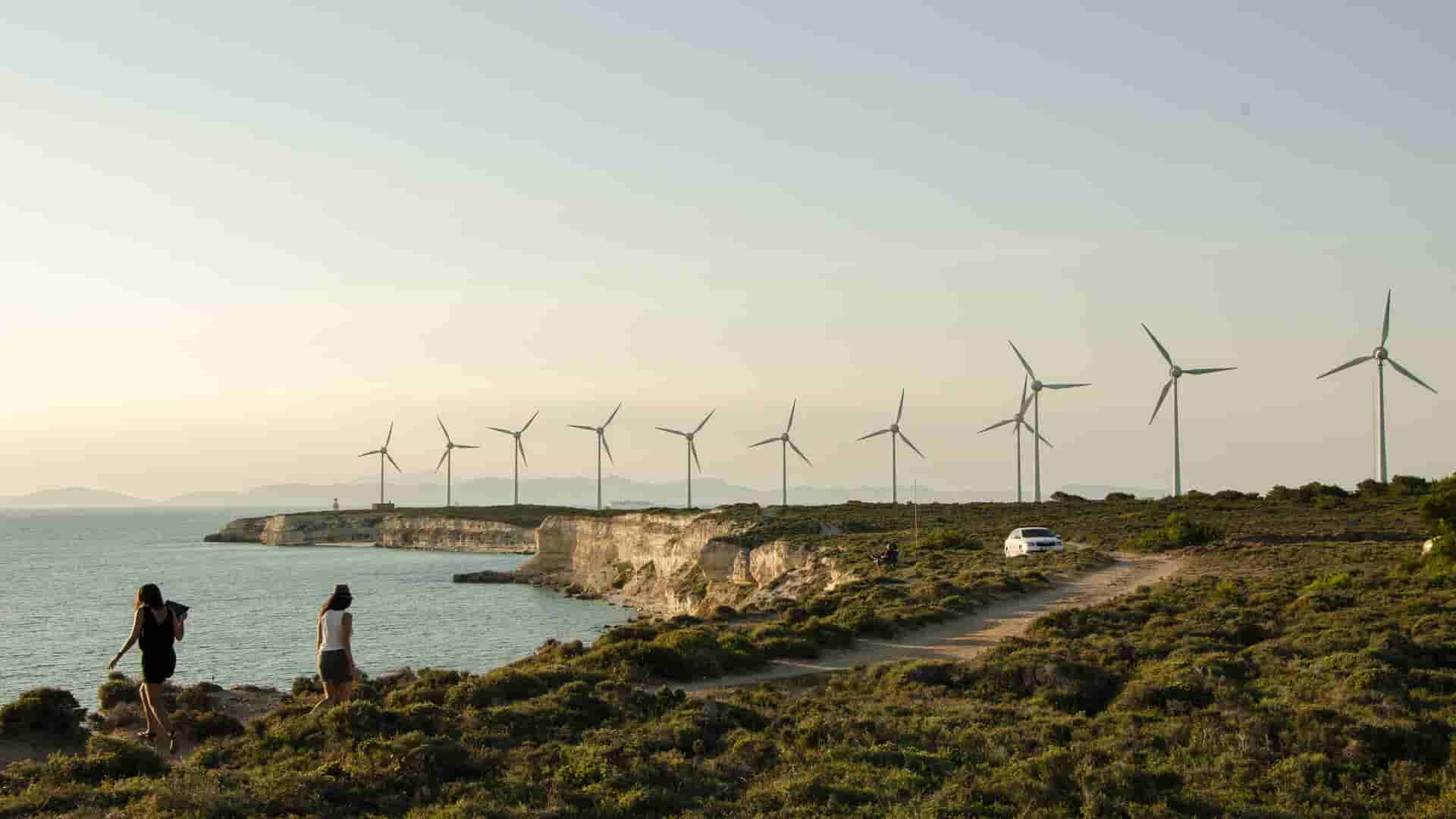
At the same time, Türkiye is developing nuclear power: Rosatom is building the Akkuyu nuclear power plant, while the country plans to raise its nuclear capacity to 20,000 MW by 2050, including 5,000 MW from small modular reactors. Turkish company MİA Teknoloji is displaying a model of such a 100 MW reactor on the sidelines of the conference.
The video published by Kurum before the opening under the caption “Only a few hours remain until COP31. We are ready” shows a panorama of the venue with the EXPO tower, participants wearing badges in the conference halls, the COPArt exhibition with paintings and sculptures, and a tropical garden beneath a glass dome.
Venue and programme
The venue covers a total area of 1.1 million square metres. The “blue zone” (527,000 square metres), operated under the UN, is expected to receive around 100,000 people, while the “green zone” (582,000 square metres), which is open to the public, can accommodate 1.5 million visitors. Almost 28,000 police, gendarmerie and coast guard personnel are providing security. Each conference day is devoted to a separate theme, ranging from food, agriculture and health on the first day to oceans and nature on November 17; final negotiations will take place in the “blue zone” on November 20.
Photo: AA. Video: Murat Kurum
Have a story, event or announcement of your own?Send us your news on WhatsApp
Spotted an error in this story?Report it on WhatsApp
Share on all social platforms
Sponsored Ads
Featured Listings
Loading featured properties...
Stay Updated with RuskiGazeta
Subscribe to be informed about special news, developments and announcements. We will keep you informed.
By signing up, you agree to our Privacy Policy