- BIST10011,483+1.32%
- USD50.07+0.05%
- EUR55.96-0.52%
- GOLD4,120.00+1.11%
- INTEREST36.00%-1.00
- BITCOIN74,273-0.60%
- November 9, 20264°
- BIST10011,483+1.32%
- USD50.07+0.05%
- EUR55.96-0.52%
- GOLD4,120.00+1.11%
- INTEREST36.00%-1.00
- BITCOIN74,273-0.60%
- November 9, 20264°
Migrant work permits cost more, but tax revenue falls in Nizhny Novgorod
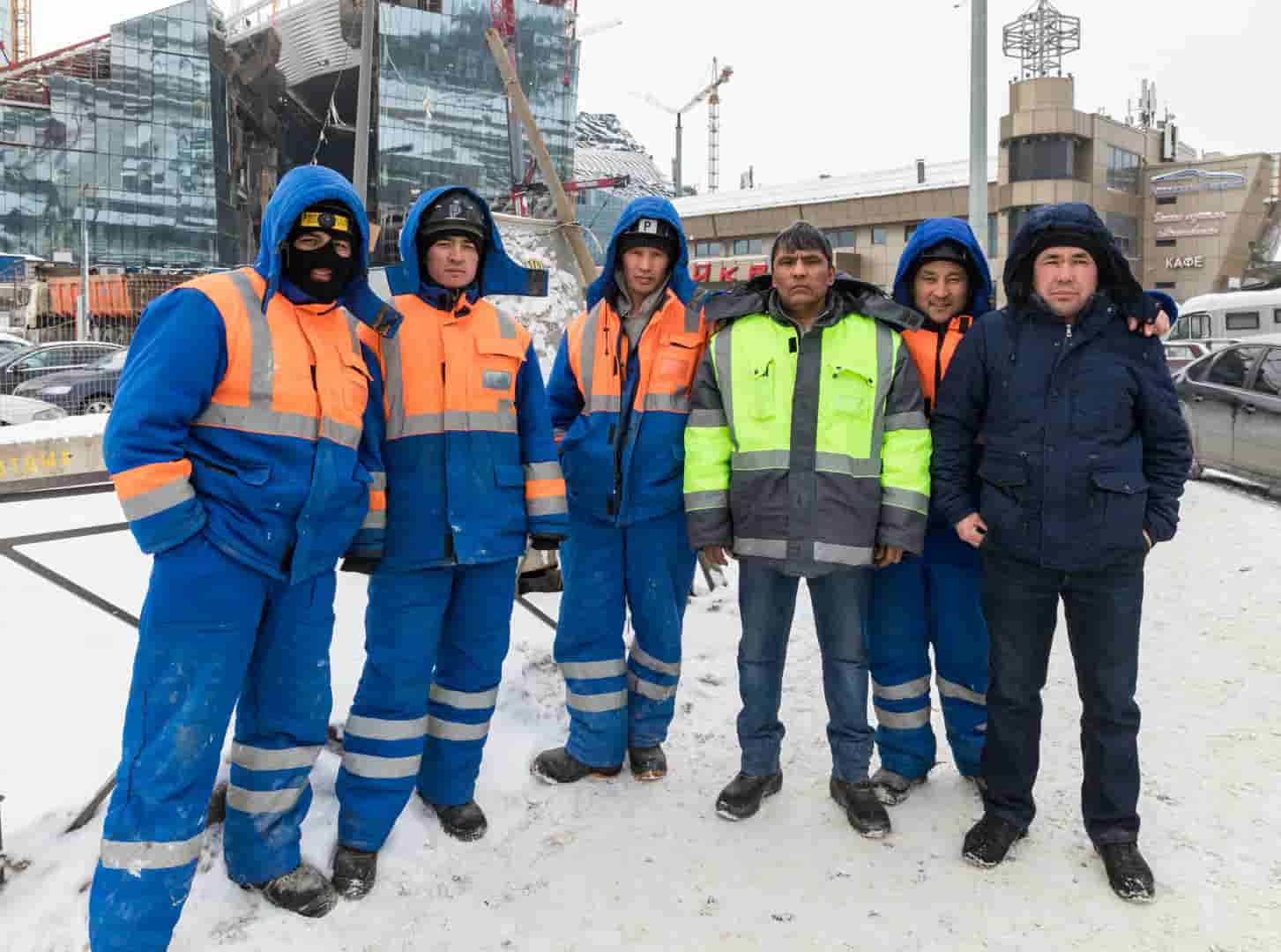
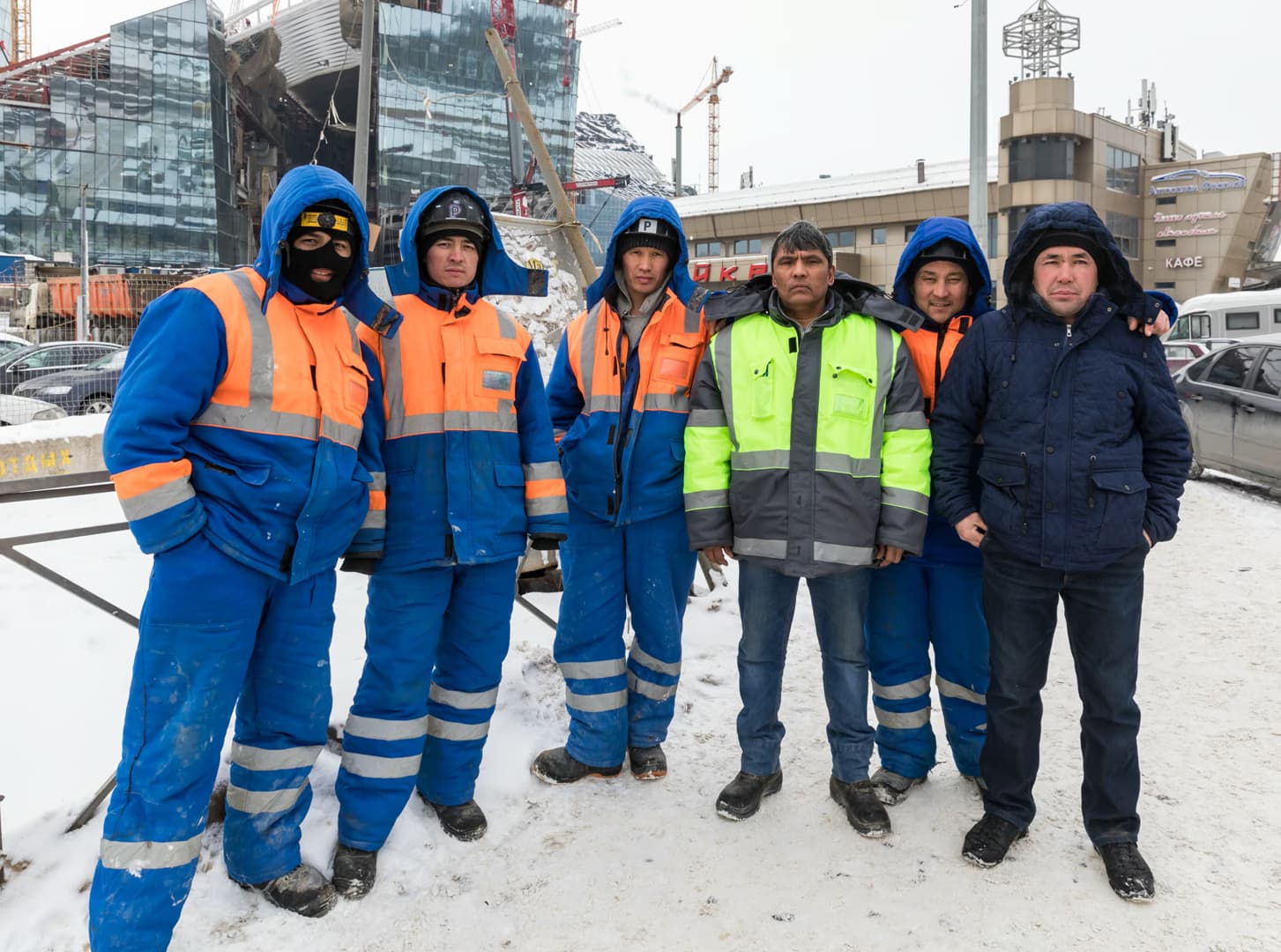
In the first ten months of 2026, migrants paid 2.38 billion rubles in fixed personal income tax payments to the Nizhny Novgorod regional budget, 2.2% less than a year earlier. The monthly work permit payment rose by about 27% over the year, while the number of permits issued fell by nearly one-third.
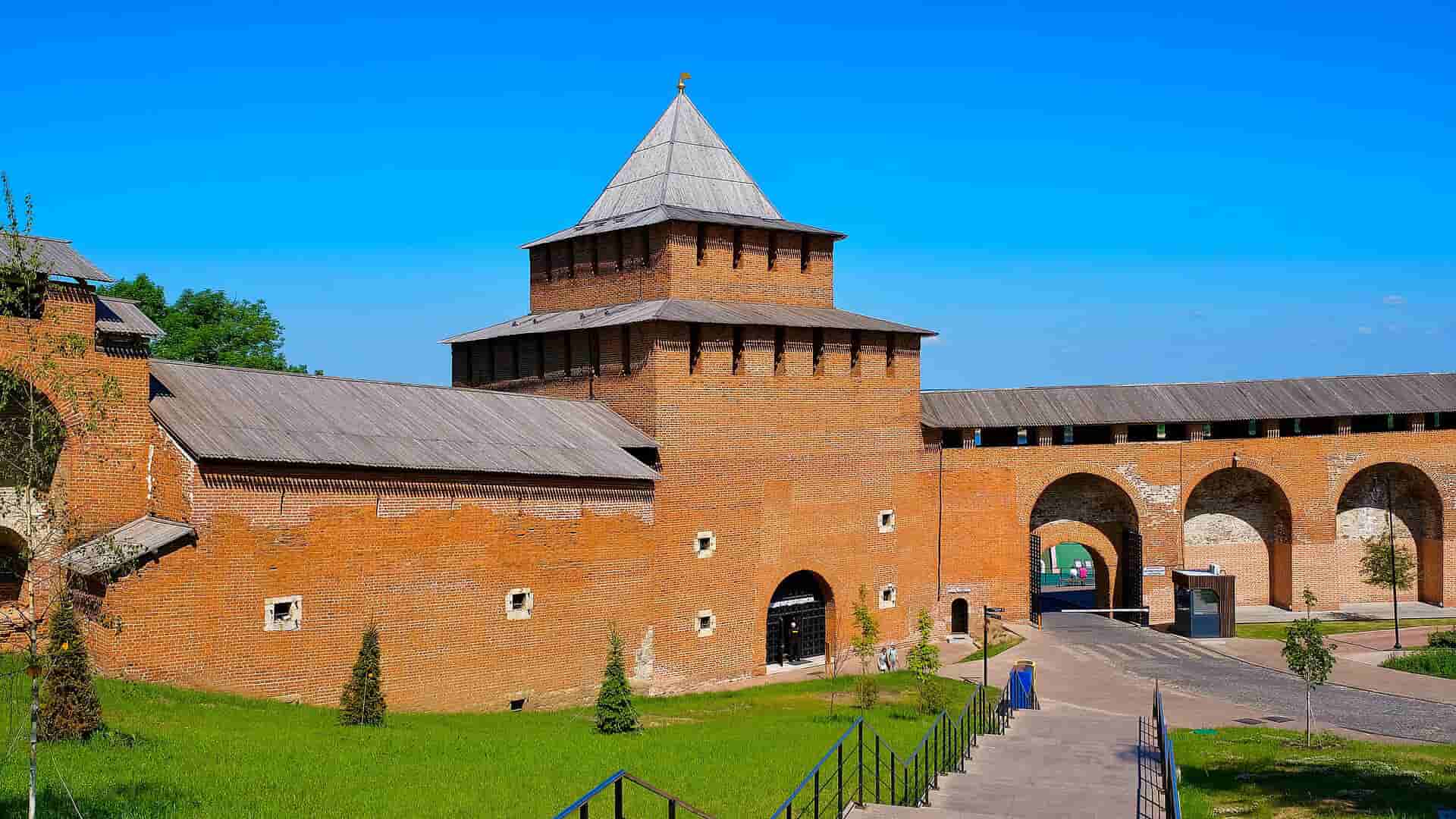
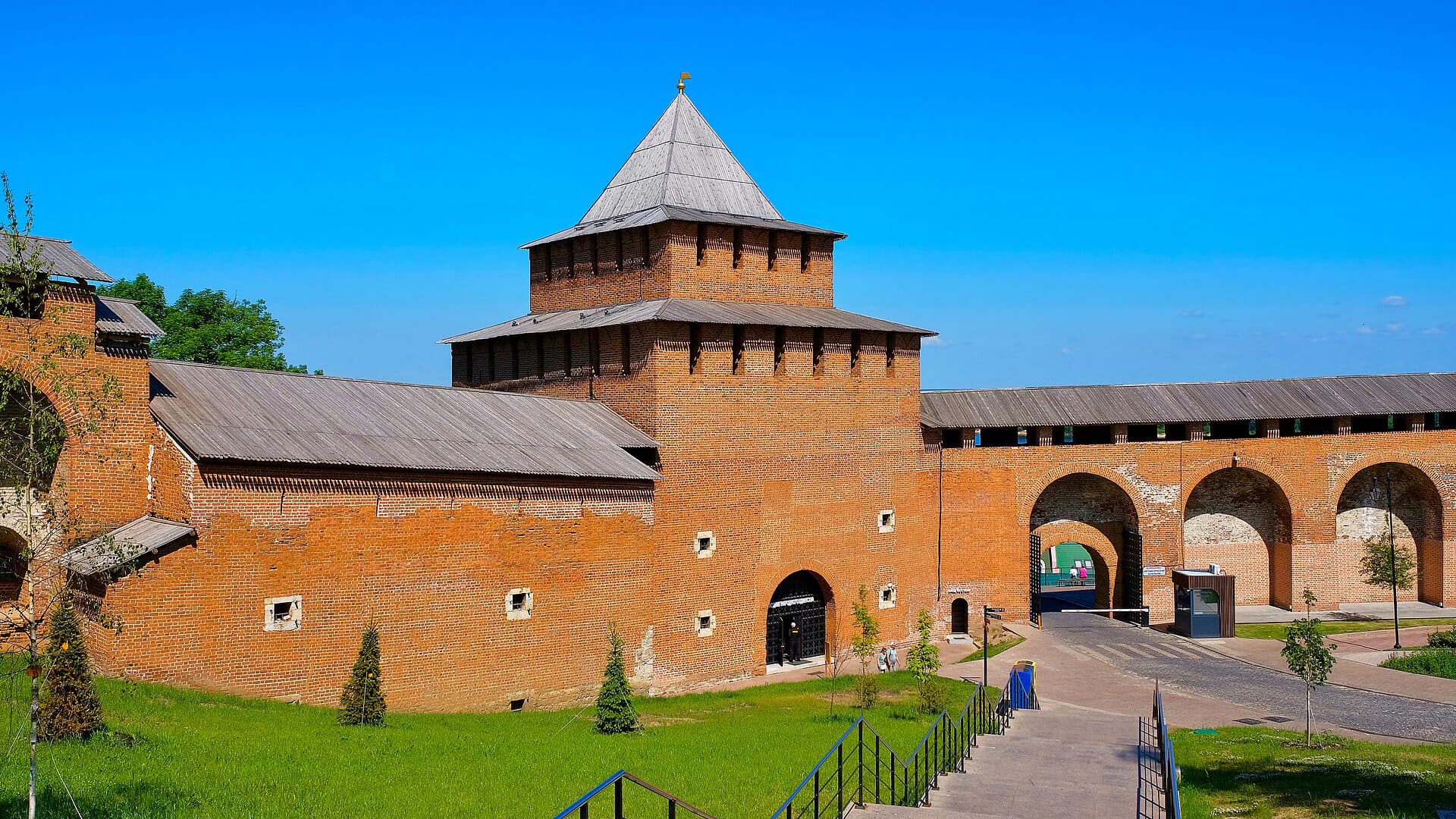
Foreign nationals working in the Nizhny Novgorod Region under work permits paid 2 billion 375.9 million rubles in fixed advance personal income tax payments into the regional budget from January through October 2026. The regional tax administration provided the data to the NIA Nizhny Novgorod news agency. During the same period in 2025, payments totaled 2 billion 428.9 million rubles, meaning revenue fell by 2.2%.
The decline came despite a substantial increase in the cost of the permit. Since January, the monthly payment for a migrant worker in the region has been 11,800 rubles, compared with approximately 9,300 rubles in 2025, an increase of about 27%. The number of permits themselves fell: according to the Otkryty Nizhny portal, 23,102 permits were issued to visa-free foreign nationals from the beginning of the year, compared with 33,313 a year earlier, a decrease of nearly one-third.
From growth to decline
The year began with an increase. According to the tax service, migrants paid 544 million rubles for work permits in the first quarter, 8.7% more than a year earlier. For all of 2025, such payments exceeded 2.9 billion rubles, which was 885.8 million rubles more than in 2024.
The regional Finance Ministry expects receipts to reach 2.9 billion rubles by the end of 2026, Otkryty Nizhny wrote, leaving them roughly at the previous year’s level.
How much will the permit cost in 2027?
The cost of a work permit is calculated from a basic monthly amount of 1,200 rubles multiplied by the federal deflator coefficient and the regional coefficient. In September, the government of the Nizhny Novgorod Region submitted a bill to the Legislative Assembly that would set the regional coefficient for 2027 at 2.99, down from the current 3.46. Nevertheless, the explanatory note says the final monthly payment could rise to 12,322 rubles.
The authors explain the calculation as follows: the region’s average monthly salary is projected to reach 94,940 rubles in 2027, while personal income tax at a rate of 13% on that amount would be 12,342 rubles. The tax paid by a foreign national should be comparable to that paid by a local resident earning the average salary, which the drafters believe would improve Russians’ competitiveness in the labor market. The Nizhny Novgorod Region already ranks second in the Volga Federal District by the cost of a work permit, behind only the Samara Region, where it is 11,936 rubles.
Restrictions and the nationwide picture
In 2026, the region retained a ban on foreign nationals working under permits in 33 expanded categories of activity, including passenger transport, energy, mining, education, health care, finance and tourism. Migrants can still be hired in construction, industry, agriculture, trade, food service and warehouse logistics. About 45% of the region’s foreign workers are employed in construction, while another approximately 18% work in manufacturing. According to the region’s socioeconomic development forecast, the number of foreign workers will fall from 44,800 in 2025 to 37,000 by 2029.
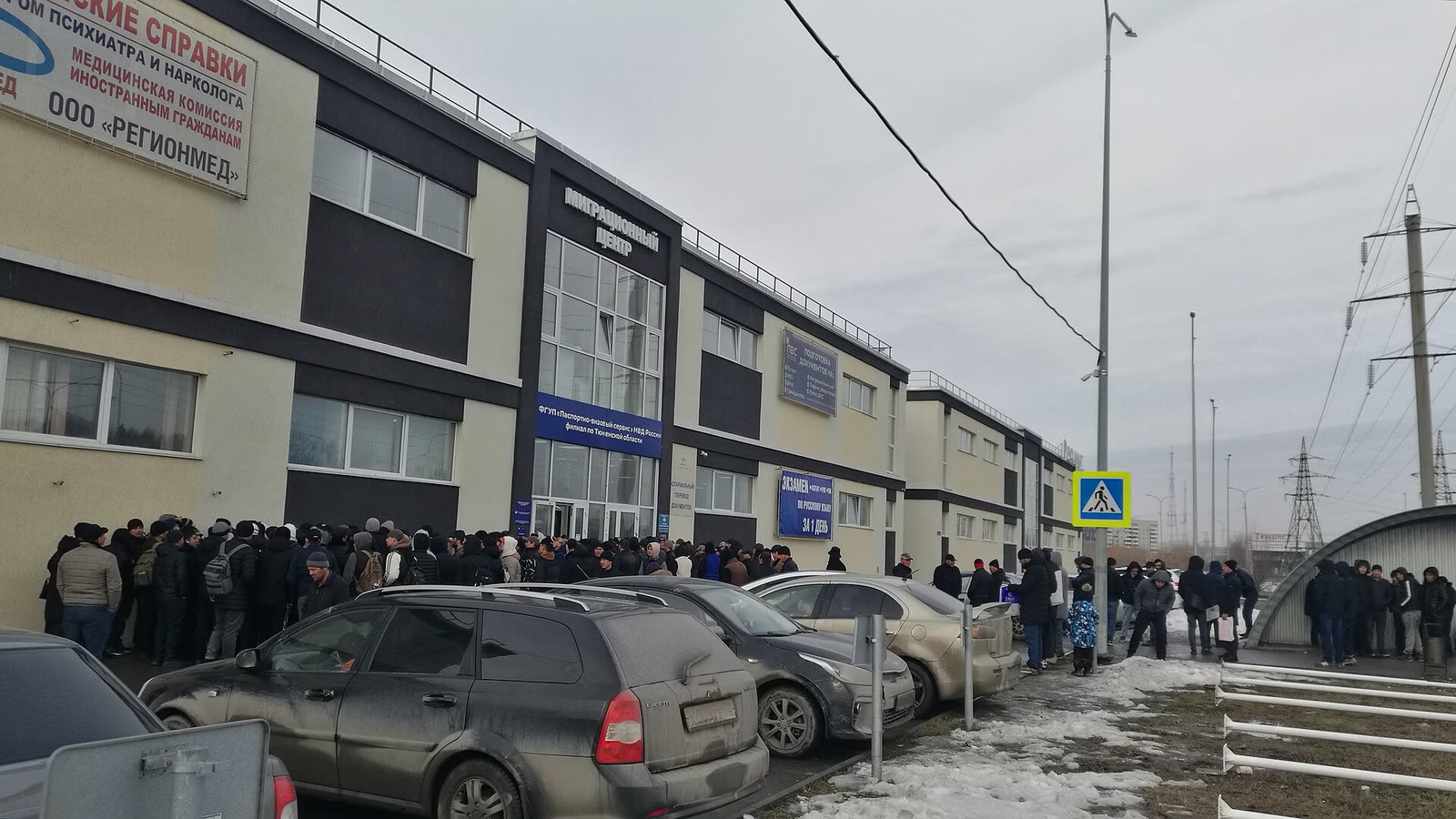
The trend in Nizhny Novgorod mirrors the nationwide picture. Izvestia wrote that nearly 475,000 work permits were issued nationwide in the first quarter of 2026, 22% fewer than a year earlier and the sharpest decline since 2021. The Volga Federal District accounted for 39,100 documents. A year earlier, migrants obtained 2.3 million permits and paid 172 billion rubles in advance payments, according to State Duma Speaker Vyacheslav Volodin, citing the Interior Ministry. That was 39% more than in 2024.
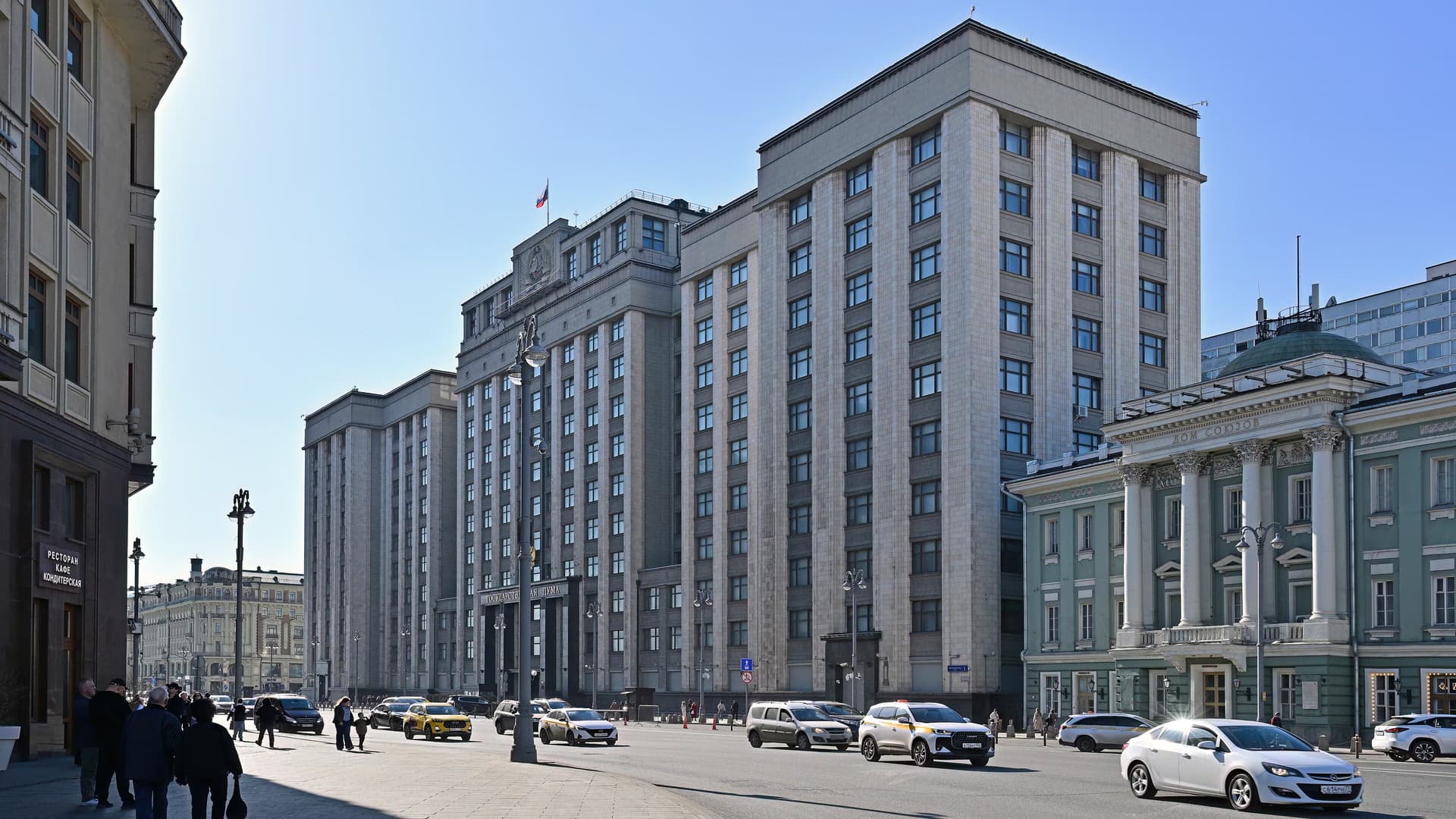
Photo: Vyacheslav Bukharov, RG72 / Wikimedia Commons
Stay Updated with RuskiGazeta
Subscribe to be informed about special news, developments and announcements. We will keep you informed.
By signing up, you agree to our Privacy Policy