- BIST10011,483+1.32%
- USD50.07+0.05%
- EUR55.96-0.52%
- GOLD4,120.00+1.11%
- INTEREST36.00%-1.00
- BITCOIN74,273-0.60%
- November 9, 20264°
- BIST10011,483+1.32%
- USD50.07+0.05%
- EUR55.96-0.52%
- GOLD4,120.00+1.11%
- INTEREST36.00%-1.00
- BITCOIN74,273-0.60%
- November 9, 20264°
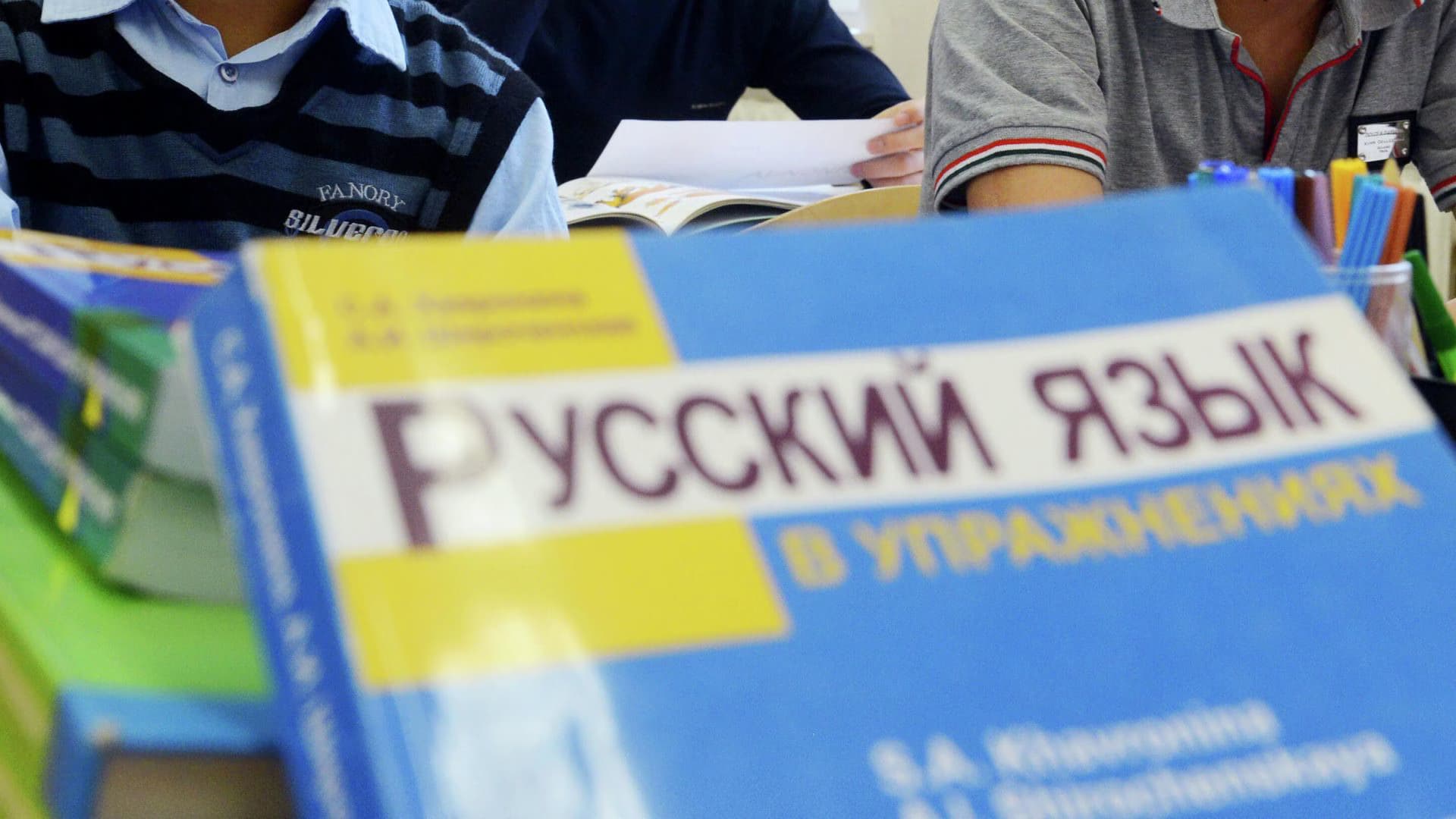
St. Petersburg plans to extend 2027 ban on patent-based migrant work
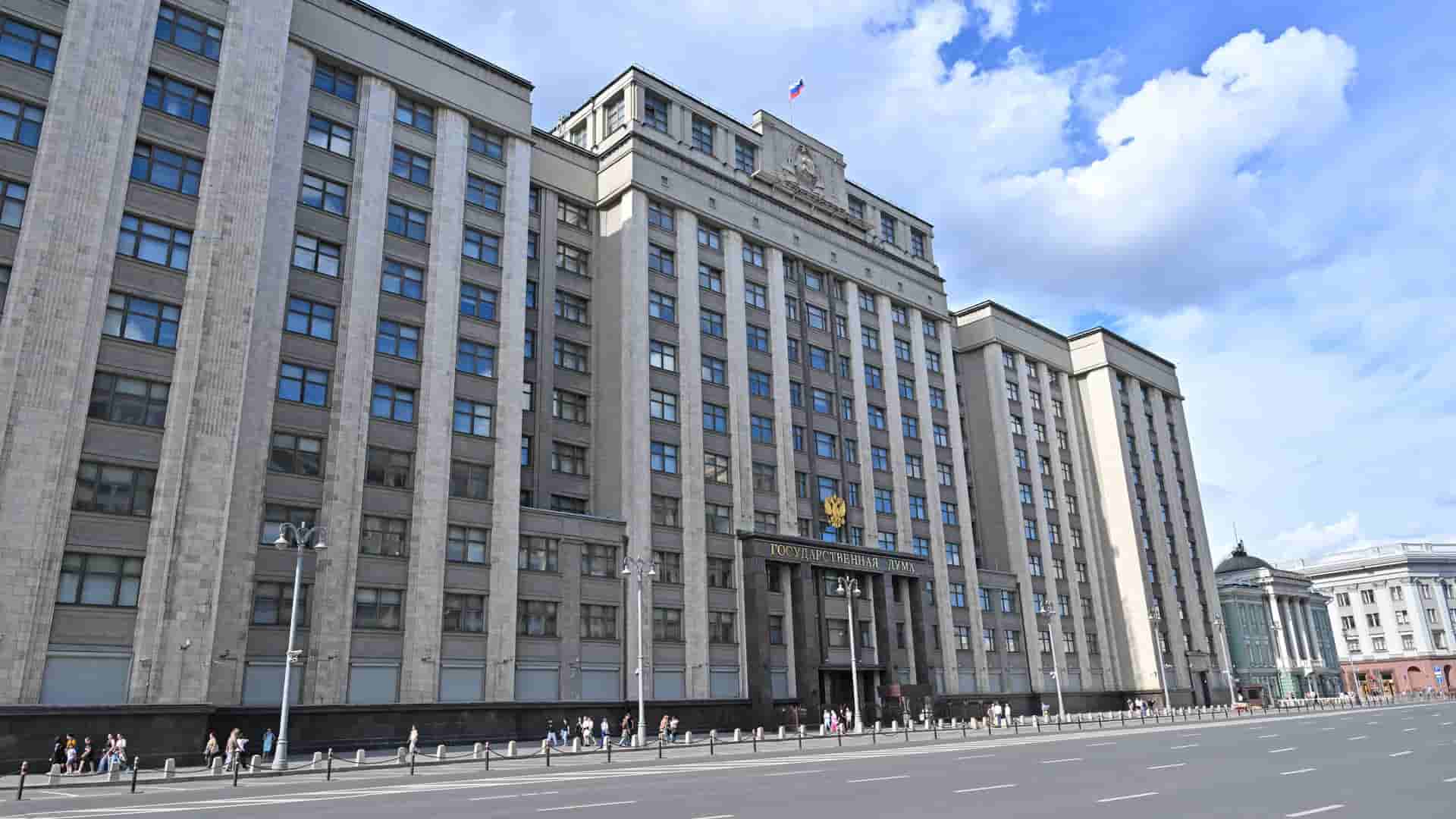
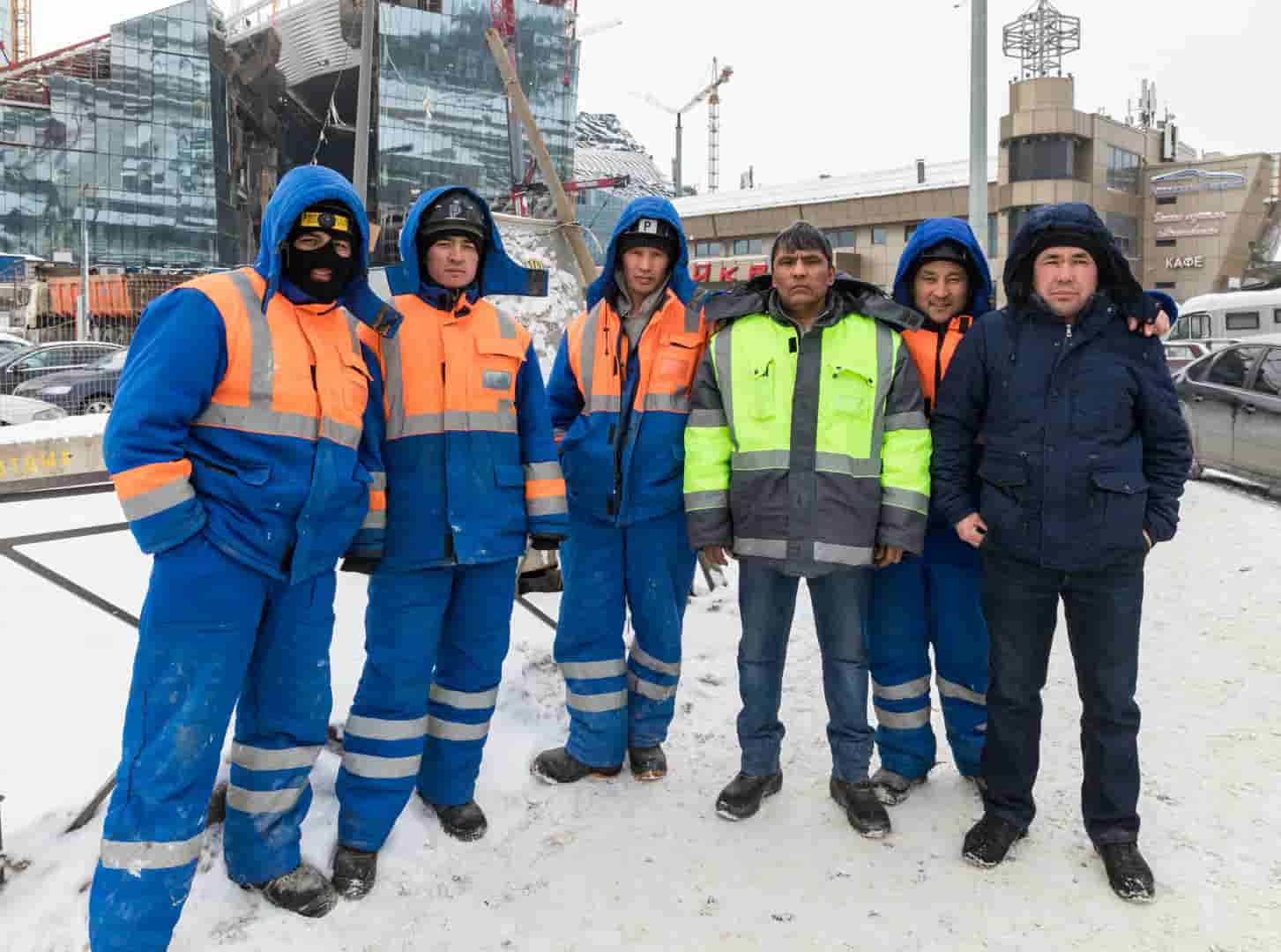
A draft decree by the St. Petersburg government, published on November 3 on the anti-corruption review portal, maintains the 2027 ban on employing foreign nationals with work patents in taxis, delivery services, retail, beauty salons and fitness clubs. The business ombudsman is seeking exemptions for the beauty industry.


Authorities in St. Petersburg intend to maintain restrictions in 2027 on migrant workers employed under work patents. The draft decree by the city government appeared on the anti-corruption review portal on November 3, Fontanka reports. The document extends the ban on employing such foreign nationals in taxis and courier delivery, retail, beauty salons and fitness clubs. Fontanka reports that the draft contains no exemptions for individual sectors.
The current restrictions are in effect until December 15, 2026. Vasily Ponidelko, head of the Committee for Labor and Employment, previously said that the decision to extend them would depend on the business community’s response.
From taxis to grocery stores
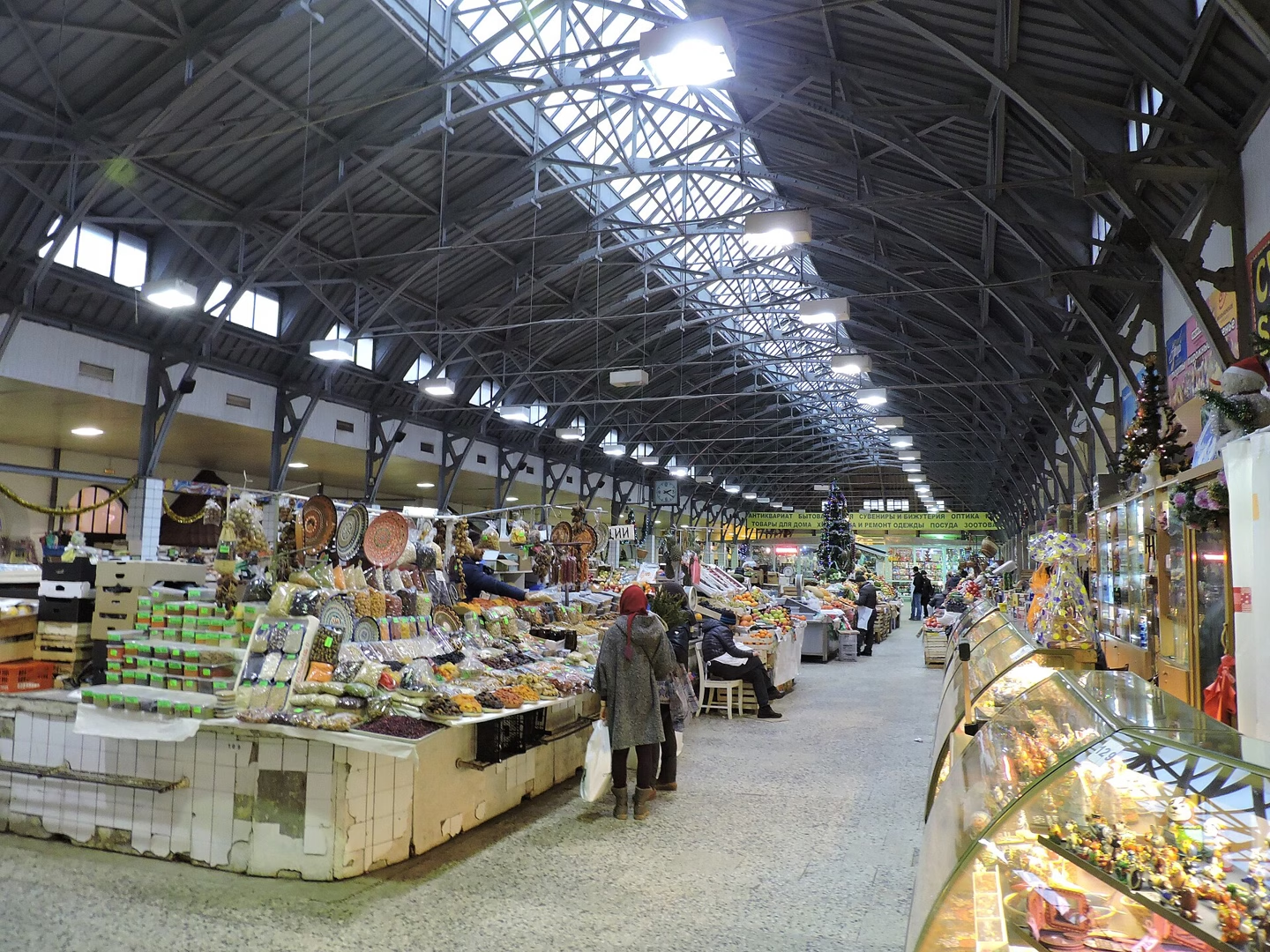
Taxi drivers and couriers were the first to face the ban: in December 2025, Governor Alexander Beglov extended the restrictions on them through the end of 2026. On October 15, Smolny expanded the ban to medicine, hairdressing services, cosmetology, retail, physical education and wellness services. In retail, the measure primarily concerns grocery stores, including specialty shops selling vegetables, fruit, meat, fish and bread. The authorities officially explain the measures as part of the fight against undeclared employment.
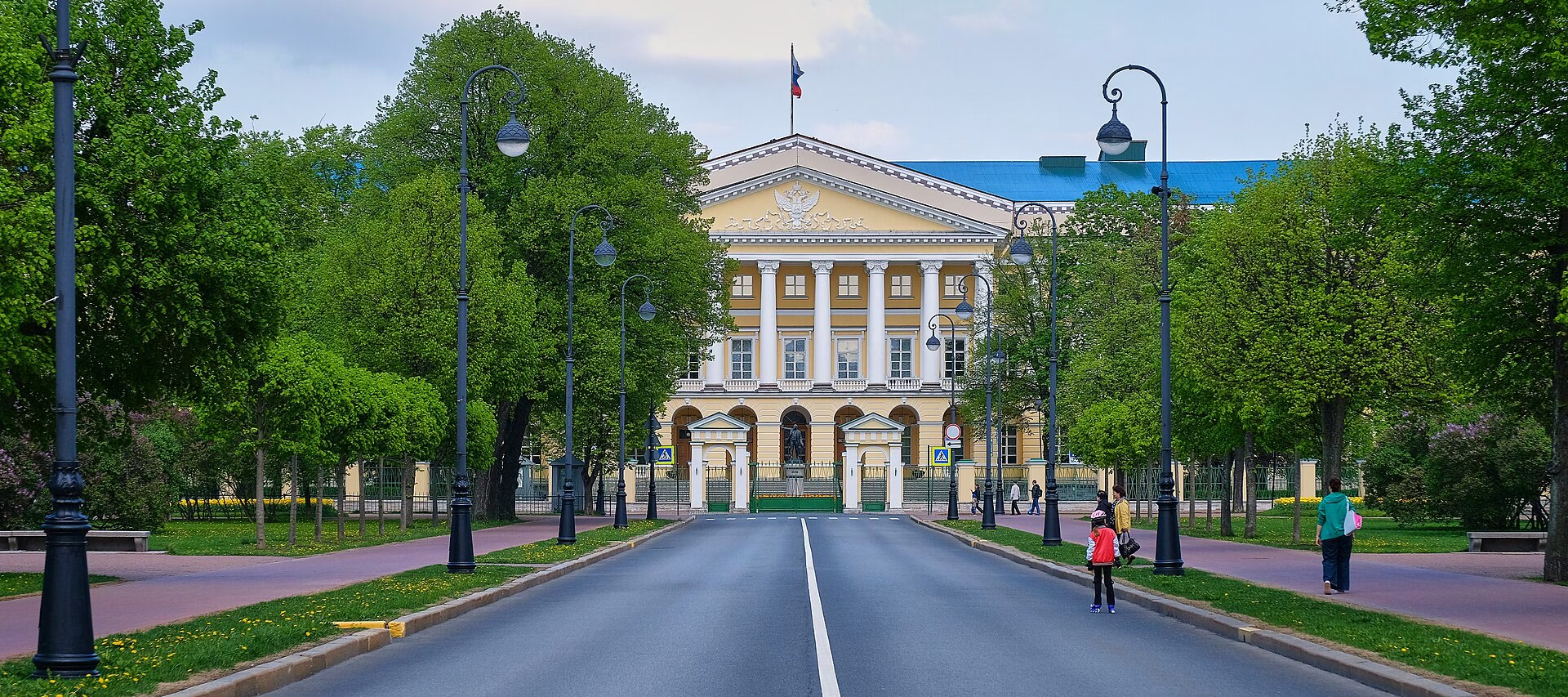
Regional heads are authorized to introduce such bans under Article 18.1 of the law “On the Legal Status of Foreign Citizens in the Russian Federation.” The restrictions do not automatically apply to citizens of Belarus, Kazakhstan, Armenia and Kyrgyzstan: as members of the Eurasian Economic Union, they do not need a patent to work in Russia.
The measure affects a large group of workers. According to figures cited by Ponidelko, foreign nationals received 292,000 work patents in St. Petersburg in 2025—around 10% fewer than the previous year, when the figure was 327,000.
Businesses seek exemptions
Valery Kalugin, St. Petersburg’s business ombudsman, said at an Interfax news conference on October 21 that he would ask the governor to ease the ban for the beauty industry. “Not all sectors are alike,” he said, noting that, in his view, the decision affecting hairdressing and manicure services had not been fully assessed. The ombudsman added that beauty salons were already barely breaking even after changes to tax legislation.
Vladimir Menshikov, director of the Union of Small Enterprises, said at the same event that businesses viewed the short-term restrictions as an experiment and urged the authorities to explain the reasons for such decisions in greater detail.
Photo: Anastasia Lvova, Vyacheslav Bukharov, Monoklon / Wikimedia Commons (CC BY-SA 4.0), archive
Stay Updated with RuskiGazeta
Subscribe to be informed about special news, developments and announcements. We will keep you informed.
By signing up, you agree to our Privacy Policy