The geography of Russians’ overseas education is shifting noticeably: instead of the United Kingdom, Switzerland, France or Italy, applicants are increasingly choosing Chinese universities and, in Europe, Hungary and Serbia. According to the office of Deputy Prime Minister Dmitry Chernyshenko, more than 20,000 Russian students and postgraduate students are currently studying at universities in China, compared with fewer than 1,000 in 2000.
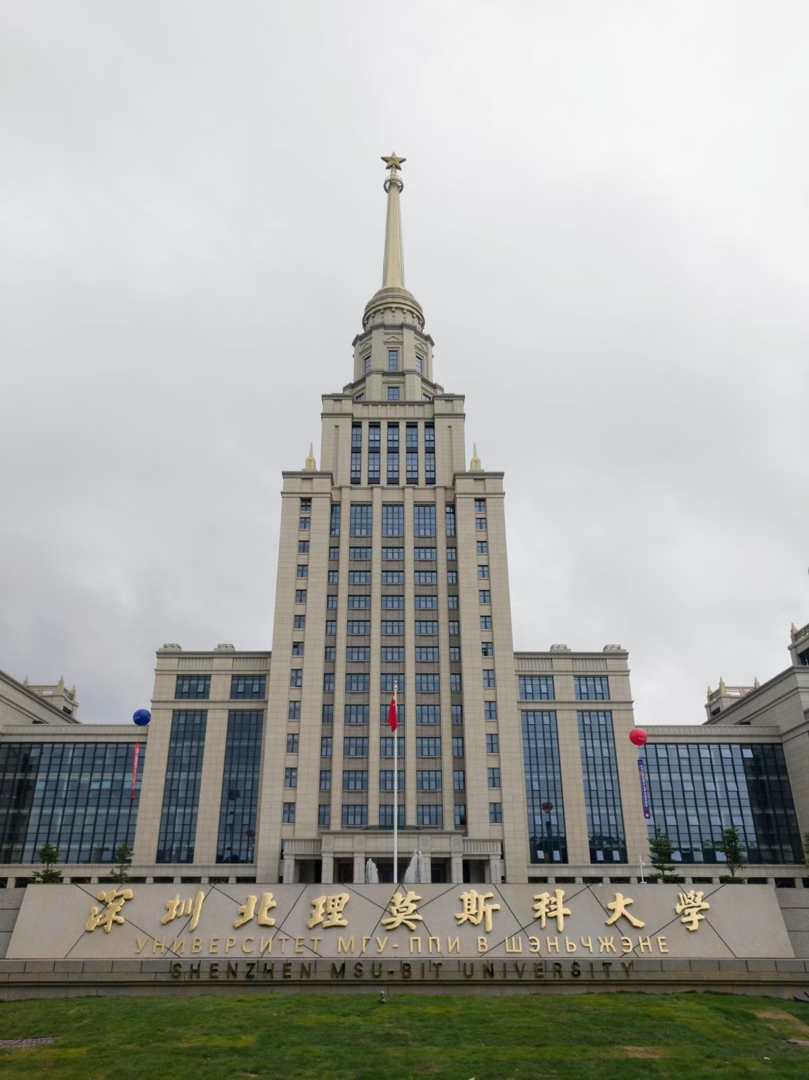
The flow in the opposite direction is even larger: more than 56,000 Chinese citizens are studying in Russian universities under higher-education programs, and the figure rises to nearly 70,000 when additional programs and academic mobility are included. Against this backdrop, 2026–2027 have been designated the Russia-China Cross Years of Education. One symbol of the cooperation is the joint MSU-PPI University in Shenzhen, where nearly 5,000 students are enrolled in 59 programs.
“Demand has grown by at least another 10%”
“Demand for China has grown by at least another 10% over the past year,” Irina Sledyeva, director general of the Akademkonsalt agency, told Business FM. She said the increase had reached about 30% over several years. Russians are attracted by the broad choice of specializations in English and Chinese, relatively low costs and less competition for foreign applicants than for Chinese students themselves. According to the agency’s estimate, Asian universities’ share of the Russian student market has risen from 5% ten years ago to about 20%.
The government has also confirmed the trend. Konstantin Mogilevsky, deputy minister of science and higher education, named China, Vietnam and Malaysia as the most popular destinations: “Russians are going to study in countries that are becoming genuine centers of global development today.”
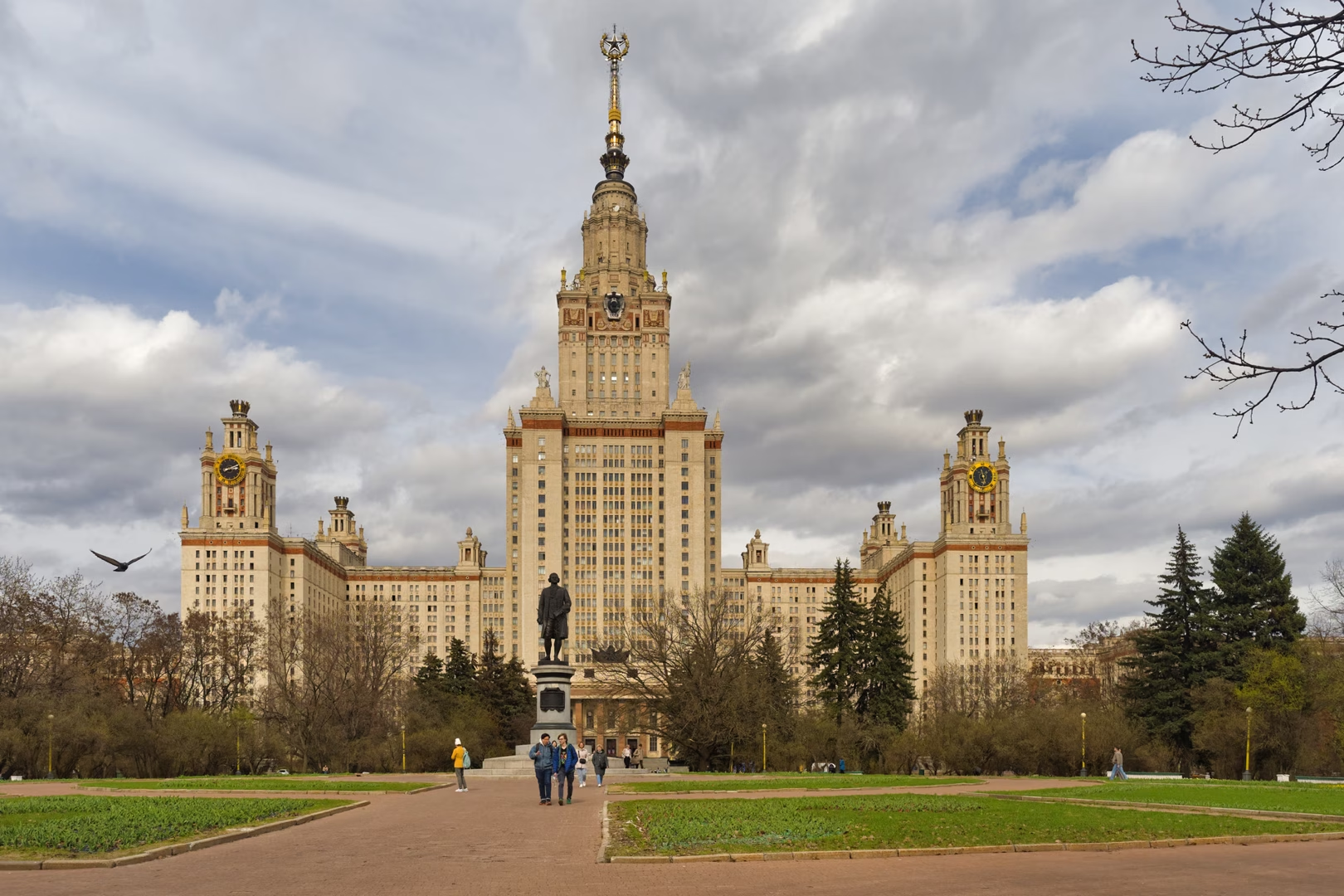
Studying in Moscow is becoming more expensive
Experts cite rising domestic costs as one of the reasons. According to Kommersant FM, tuition-based programs at Moscow State University, MGIMO and the Higher School of Economics start at about 400,000 rubles a year, while fees at the Moscow Institute of Physics and Technology exceed 1 million rubles for some programs. This year, the Ministry of Science and Higher Education cut the number of tuition-based places by 47,000, while admission scores at leading universities rose by an average of 5–10%. According to Mash, Russian applicants’ interest in universities in China and Europe rose by 20% over the year.
Within Europe, the center of attraction has shifted eastward. “Demand for Europe is growing, but we are seeing even stronger growth in demand for Eastern Europe,” Sledyeva said. Hungary and Serbia are chosen for their English-language programs, more affordable costs and the fact that student visas are easier to obtain there; in practice, these visas are equivalent to study residence permits. At the same time, Vyacheslav Lychagin, director general of Global Dialog, said that “dual-degree programs with Western universities have practically disappeared,” although most Russians still receive their education in Russia.
In addition to cost, scholarships influence the choice: Chinese government grants may cover tuition and accommodation and sometimes include monthly payments. Experts continue to identify the language barrier as the main obstacle for applicants to Chinese universities.
Photo: Wikimedia Commons (CC BY-SA 4.0)