- BIST10010,760-3.63%
- USD49.86+0.15%
- EUR55.82+0.52%
- GOLD3,898.90-3.29%
- INTEREST36.00%-1.00
- BITCOIN77,712+0.35%
- November 1, 202614°
- BIST10010,760-3.63%
- USD49.86+0.15%
- EUR55.82+0.52%
- GOLD3,898.90-3.29%
- INTEREST36.00%-1.00
- BITCOIN77,712+0.35%
- November 1, 202614°
Oil slick debate follows tanker fire in the Black Sea
The environmental impact of the Liberian-flagged Aframax Rio tanker, which caught fire after a Ukrainian unmanned aerial vehicle attack off Sochi on October 6, is under scrutiny. An oil slick covering approximately 25 square kilometers was detected near Novorossiysk, while officials denied that small leaks were linked to the tanker.


Environmental concerns along the Black Sea coast have intensified over the Liberian-flagged Aframax Rio tanker, which caught fire after an attack off Sochi on October 6. The 247-meter tanker caught fire following a Ukrainian unmanned aerial vehicle attack and was towed to the Port of Novorossiysk the next day.
Satellite imagery detected an oil slick covering approximately 25 square kilometers as of October 8. Signs of pollution were observed in Novorossiysk, Sochi and small settlements along the tanker's route, while oil-covered birds were also reported in coastal areas.
Officials deny link to tanker
Venyamin Kondratyev, governor of Krasnodar region, issued a possible emergency warning in Gelendzhik and Novorossiysk about a week after the attack. The regional Ministry of Emergency Situations announced that small oil leaks had been found along the coast near Novorossiysk but did not acknowledge a link between the pollution and the Aframax Rio.
Environmental experts said the impact could not be fully assessed before the amount of the spill was clarified. One expert said that withholding information from the public about the scale of the environmental pollution conflicted with Russian legislation, which prohibits concealing information about the environment and environmental pollution.
Local environmental activist Tatiana Tribat criticized the decision to tow the tanker to Novorossiysk. Tribat said the area around the city was already carrying a heavy environmental burden and called for the responsible party to be identified if the coastal pollution was not believed to be linked to the tanker.
Other satellite images showed an oil slick extending south from the Novorossiysk coast toward Arhipo-Osipovka, approximately 70 kilometers away. Residents of Yuzhnaya Ozereyevka, Limanchik and Dyurso also reported polluted birds and traces of oil washing ashore.
Anapa disaster involving two tankers recalled
Residents are concerned that the current incident recalls the oil disaster near Anapa in 2024. More than 9,000 tons of heavy fuel oil, or diesel fuel, spilled into the Black Sea from two Russian-flagged tankers damaged during a storm in December 2024.
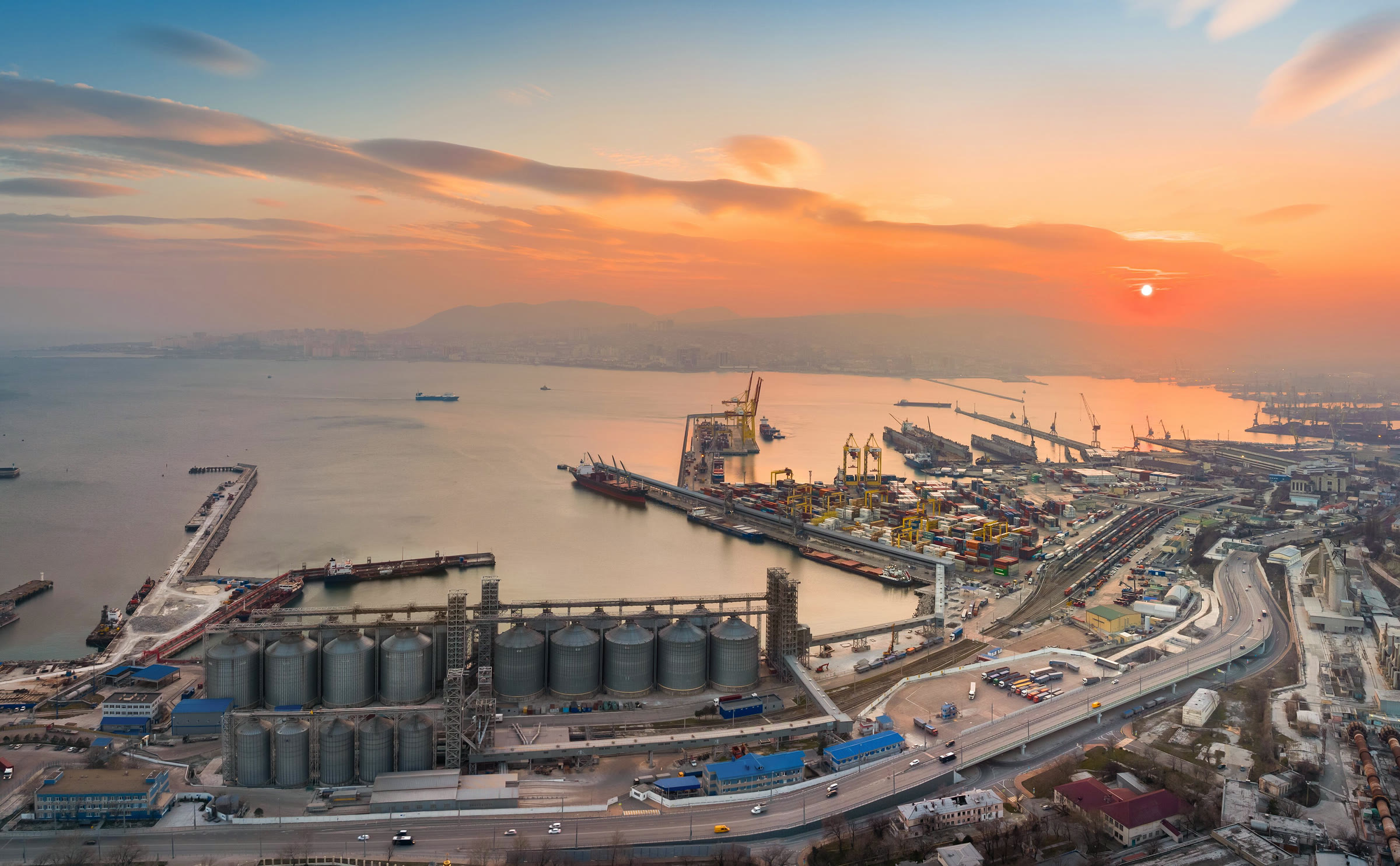
The pollution spread from the annexed parts of Crimea to Georgia, with the heaviest impact recorded in Krasnodar region. Beaches were covered in heavy fuel oil, and thousands of volunteers joined the cleanup effort.
Environmental experts said the current pollution appeared much smaller than the Anapa disaster. Hundreds or even thousands of birds were affected in 2024; in the current incident, the number of affected birds was said to be in the single digits, while approximately 60 kilometers of coastline had been continuously covered with fuel oil during the earlier disaster.
The Aframax Rio can carry up to 100,000 metric tons. That is approximately 10 times the combined capacity of the two tankers responsible for the 2024 Anapa spill. Experts said the fire may have prevented most of the oil from spreading into the sea without burning, but warned that combustion products had polluted the air and sea.
Earlier spills in the Black Sea continue
Some beaches around Anapa reopened this summer, but the consequences of the 2024 disaster have not disappeared. In July, a new oil slick was detected spreading from the bow section of the Volgoneft-239 tanker, which sank in the Kerch Strait.
Officials have long denied claims that the wreck continues to leak. Assessments that some of the oil carried by the Aframax Rio has begun to be pumped from the tanker indicate that the impact of the new spill could be shorter-lived.
The recent increase in attacks carried out with maritime drones in the Black Sea is also raising the region's environmental risks. Experts said no large-scale oil disaster had occurred so far, but that pollution had emerged at certain levels.
Stay Updated with RuskiGazeta
Subscribe to be informed about special news, developments and announcements. We will keep you informed.
By signing up, you agree to our Privacy Policy