- BIST10011,722-2.89%
- USD49.42+0.06%
- EUR55.41+0.20%
- GOLD4,182.10+0.29%
- INTEREST37.00%-1.00
- BITCOIN81,408-0.88%
- October 16, 202612°
- BIST10011,722-2.89%
- USD49.42+0.06%
- EUR55.41+0.20%
- GOLD4,182.10+0.29%
- INTEREST37.00%-1.00
- BITCOIN81,408-0.88%
- October 16, 202612°
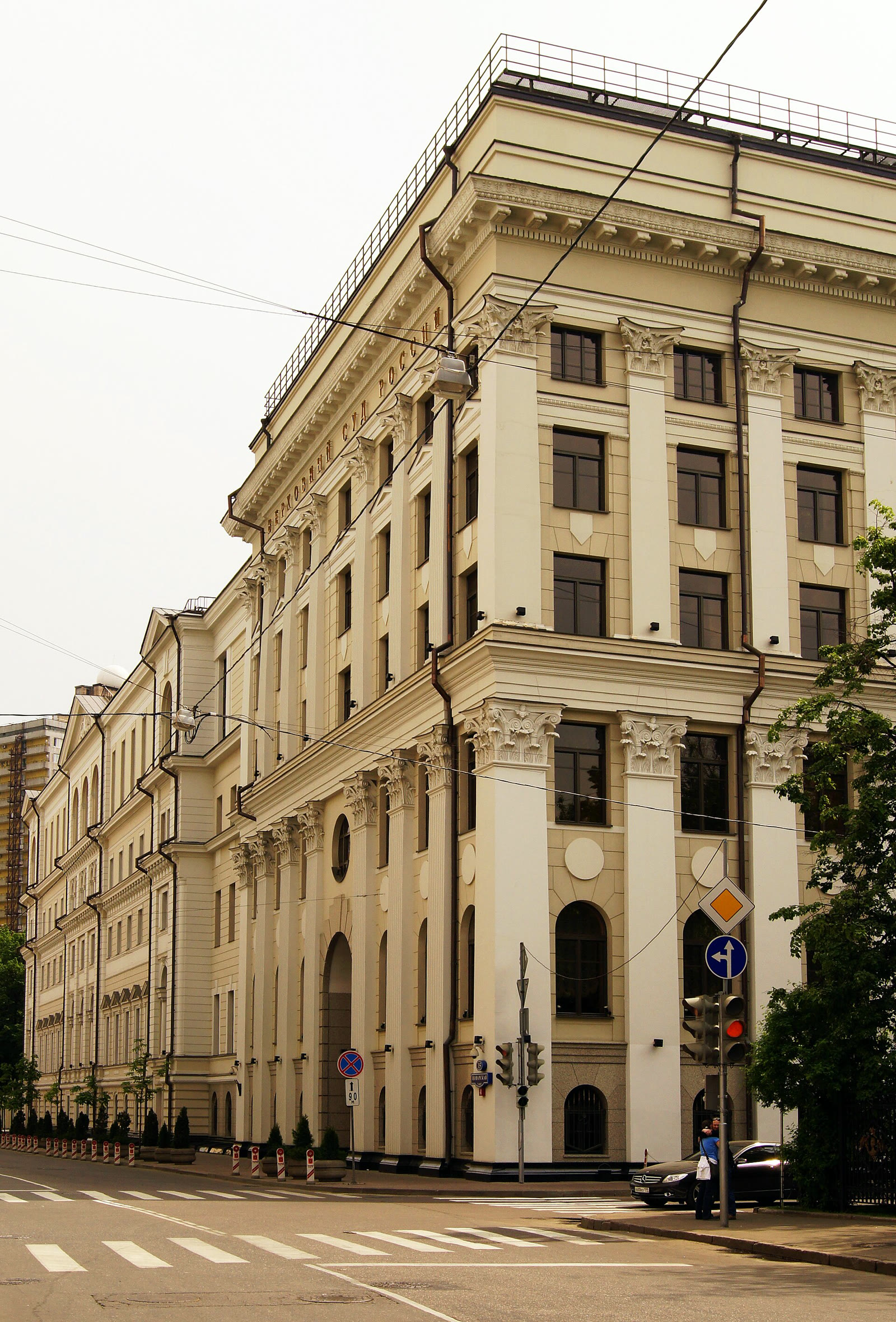
Russia’s Supreme Court declares Batal Hajji order extremist
Russia’s Supreme Court banned the activities of the Ingushetia-based Batal Hajji Sufi order on Wednesday, October 14. The Prosecutor General’s Office linked the group to armed attacks, the Nevsky Express incident and illegal arms trafficking, saying the allegations underpinned the court’s ruling.


The Batal Hajji Sufi order, which originated in Ingushetia, was declared an extremist organization in a ruling issued by Russia’s Supreme Court on Wednesday, October 14. The court banned the activities of the secretive group at the request of state prosecutors.
The allegations against the group in the North Caucasus featured prominently in the court’s ruling amid Russia’s security concerns. The Prosecutor General’s Office alleged that the order had provided financial support to armed insurgents in the region and that its members were linked to numerous attacks targeting Russian police and military personnel.
The prosecution’s allegations
The Prosecutor General’s Office alleged that Batal Hajji organized the 2009 attack on the Nevsky Express train, which was claimed by Chechen insurgent leader Doku Umarov. In a statement, prosecutors also alleged that individuals linked to the order assisted the attack on the Crocus City Hall concert venue near Moscow in March 2024 and the assassination of Lieutenant General Igor Kirillov later that year.
According to the prosecution, members of the order sold weapons and ammunition to those responsible for the attacks. In a statement issued on Wednesday, the Prosecutor General’s Office said that more than 100 members of the order had been convicted of illegally trafficking materials intended for use in terrorist acts.
The same statement also alleged that the group’s leaders and members had established illegal channels to deliver foreign-manufactured firearms obtained from abroad. These allegations were among the prosecutorial assessments cited as grounds for the ban.
The group’s history in Ingushetia
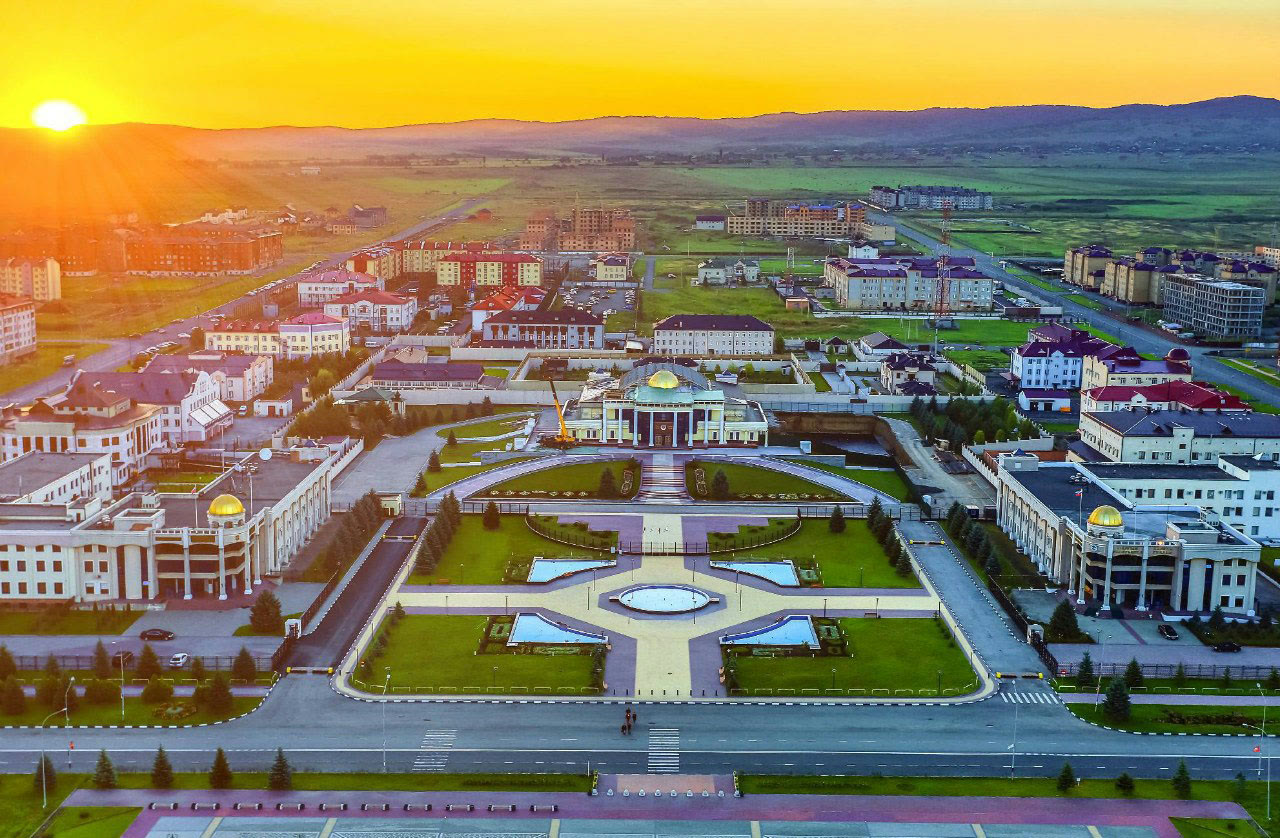
The Batal Hajji order was founded in the 19th century by Ingush Sheikh Batal Hajji Belkhoroev, a student of the Chechen Muslim mystic Kunta Hajji. The secretive community operates through a membership system passed down by birth and is said to have approximately 20,000 members.
Members of the order held several important public offices in Ingushetia during the 1990s and early 2000s. The group also came to hold an almost complete monopoly in the region’s construction sector. Its influence in the region declined after a conflict with Ingushetia’s new administration appointed by the Kremlin.
Military wing designated in 2023
Russian authorities designated Batal Hajji’s so-called “military wing” as a terrorist organization in 2023. Around 100 members of the order were alleged to have joined the Batal Hajji Rapid Response Unit of the Akhmat military formation affiliated with Chechen leader Ramzan Kadyrov in the Russian army in 2022.
Stay Updated with RuskiGazeta
Subscribe to be informed about special news, developments and announcements. We will keep you informed.
By signing up, you agree to our Privacy Policy














