- BIST10011,722-2.89%
- USD49.42+0.06%
- EUR55.41+0.20%
- GOLD4,182.10+0.29%
- INTEREST37.00%-1.00
- BITCOIN81,408-0.88%
- October 16, 202612°
- BIST10011,722-2.89%
- USD49.42+0.06%
- EUR55.41+0.20%
- GOLD4,182.10+0.29%
- INTEREST37.00%-1.00
- BITCOIN81,408-0.88%
- October 16, 202612°
Fire at Rostov oil terminal enters fourth day as flames engulf eight tanks
A fire at an oil terminal in Russia’s Rostov-on-Don entered its fourth day after another storage tank exploded, with flames spreading to eight of the 12 tanks. The attack believed to have caused the fire occurred before the decision to halt attacks on Russian oil refineries from October 11.


As a fire at an oil terminal in Rostov-on-Don entered its fourth day, another storage tank exploded. The fire is believed to have started after a drone attack carried out on the night of October 10.
Flames at the facility affiliated with the Novoshakhtinsk oil refinery reached eight of the 12 storage tanks. Footage filmed in the area showed the tanks burning and thick black smoke rising into the sky.
A bright light was seen at 11:50 p.m. Tuesday on the left bank of Rostov, where the terminal is located. The facility, previously known as Yug Rusi, is in the city’s Zheleznodorozhny District.
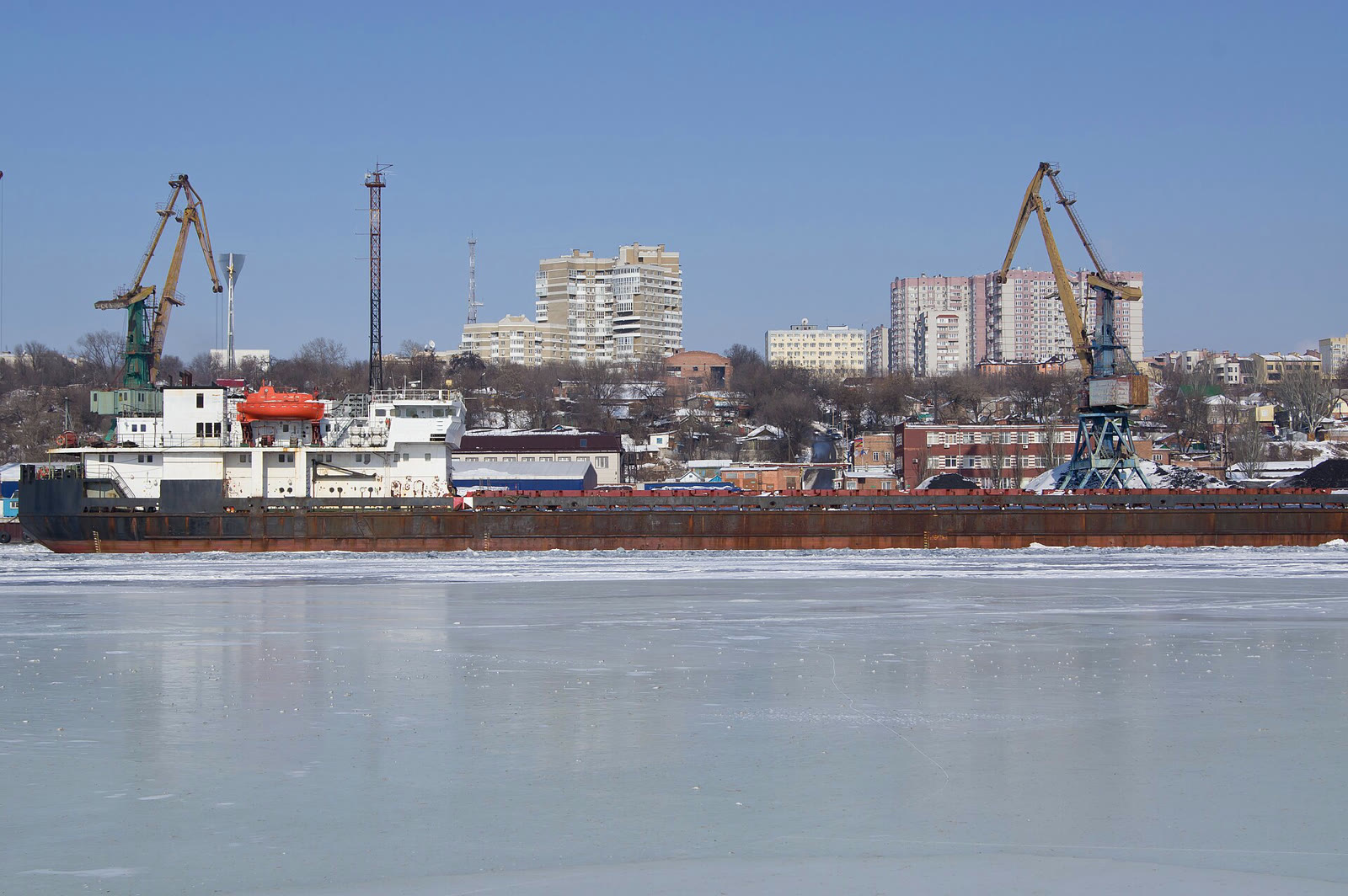
Oil terminal capacity
Satellite monitoring systems detected a fire at the facility. The terminal’s storage tanks have a combined capacity of 60,000 cubic meters, while the facility can handle 3.5 million tons of petroleum products annually.
The terminal loads petroleum products onto sea-going and river tankers for export and is also used to supply fuel to the Russian army.
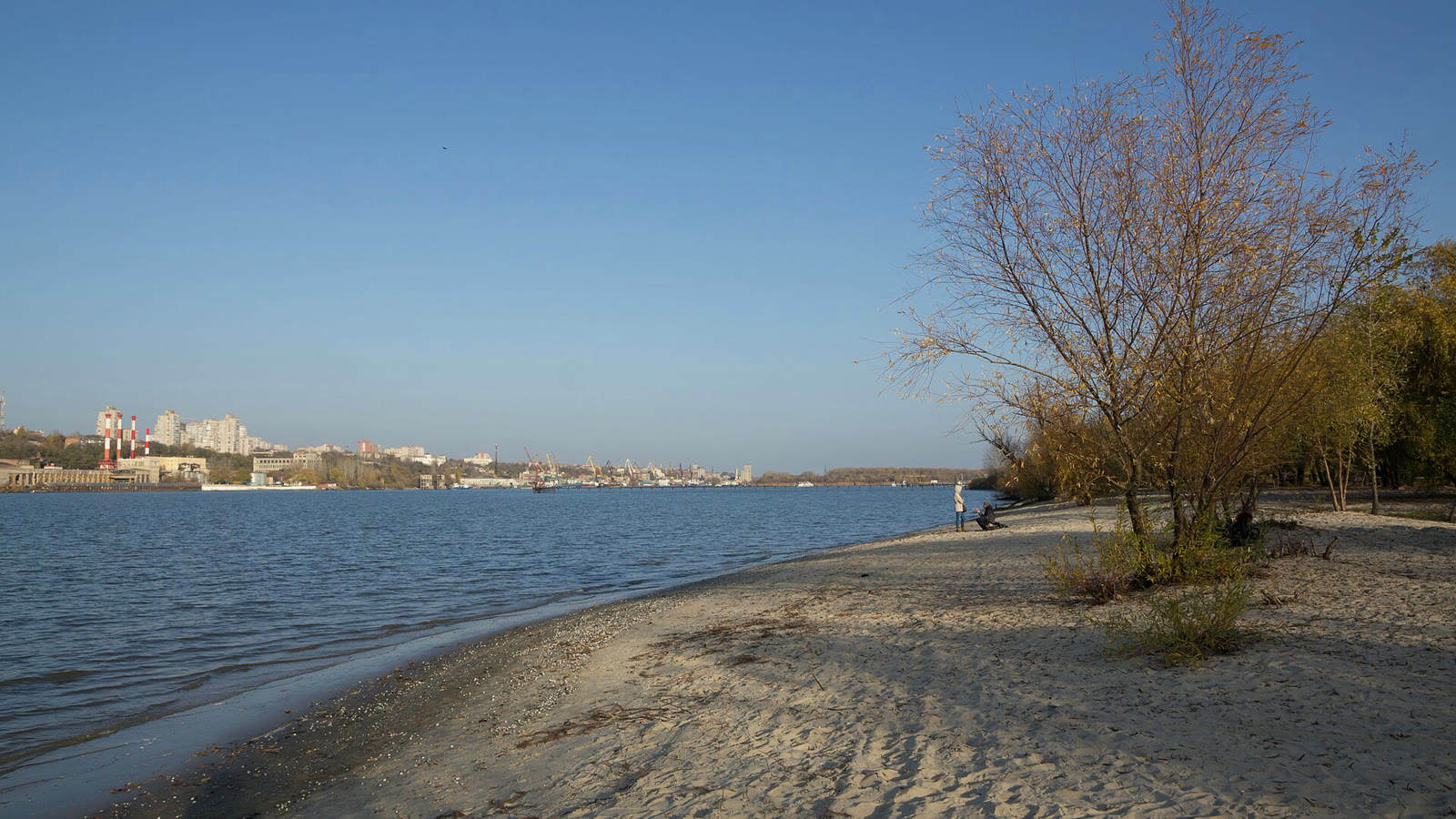
Statement on drone attack in Rostov
Rostov Region Governor Yuri Slyusar said Wednesday night that the region had come under a large-scale drone attack. Slyusar said more than 160 drones had been shot down over the city of Kamensk-Shakhtinsky and eight districts in Rostov Region.
The governor did not provide information on whether there had been casualties or damage on the ground. As of Wednesday morning, authorities had not announced that the fire at the oil terminal had been extinguished.
Energy truce decision
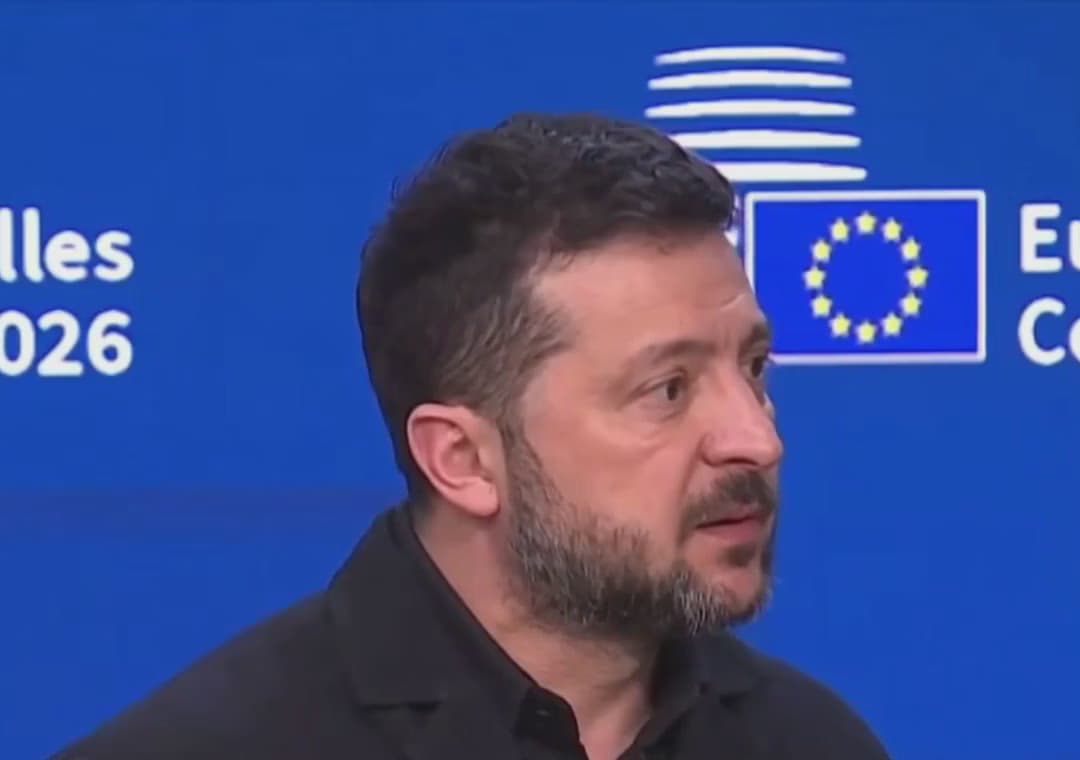
Ukrainian President Volodymyr Zelenskyy had said he ordered attacks on Russian oil refineries to be halted from October 11 at the request of U.S. President Donald Trump. Zelenskyy described the arrangement as an “energy truce.”
The attack on the Rostov terminal believed to have caused the fire took place before the decision to halt the attacks was announced. Moscow did not confirm whether it was complying with the arrangement.
Stay Updated with RuskiGazeta
Subscribe to be informed about special news, developments and announcements. We will keep you informed.
By signing up, you agree to our Privacy Policy