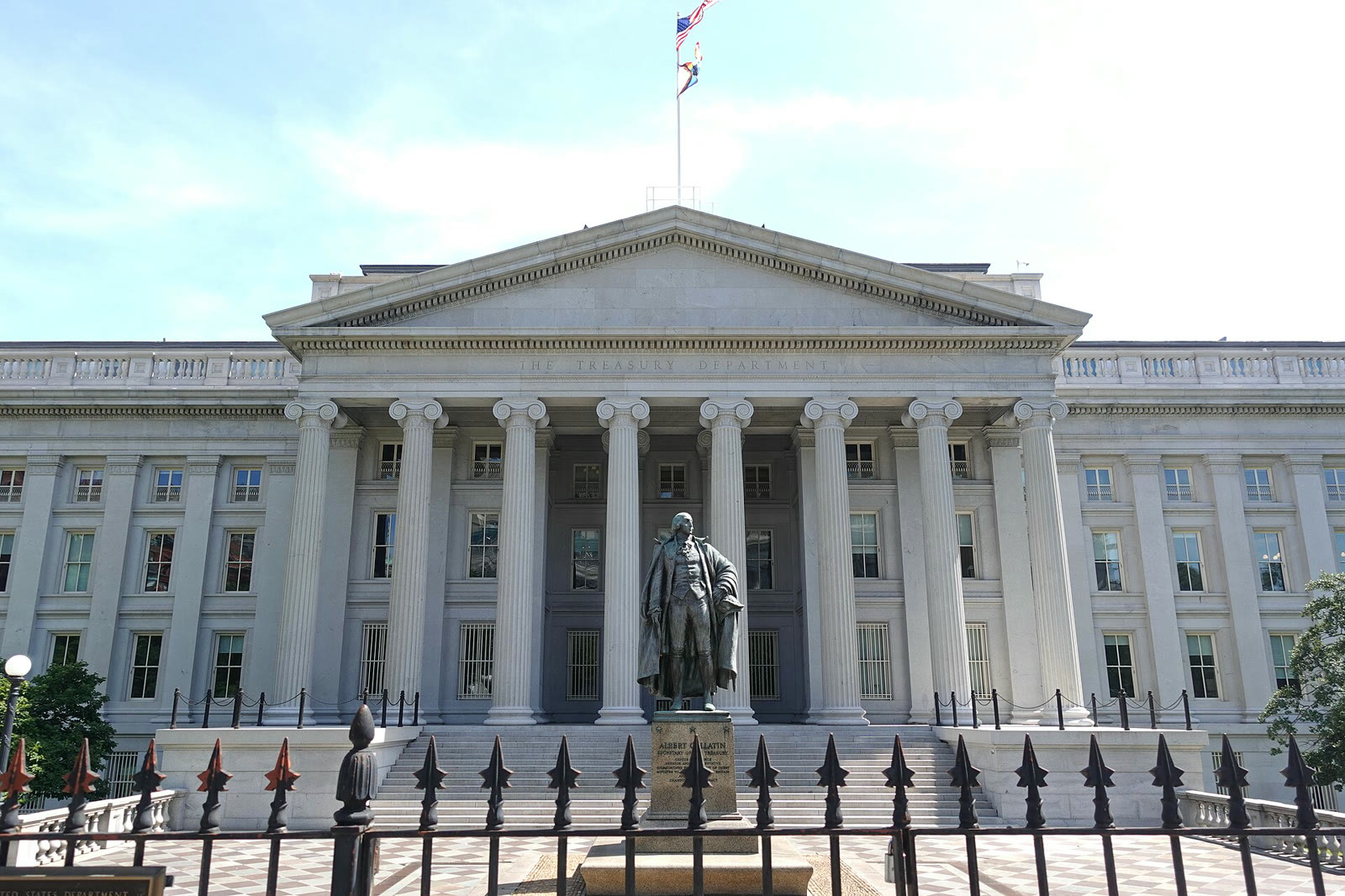
A license issued by the US Treasury Department allowing transactions involving Russian diesel through April 7, 2027, has opened the way for Russia to ship fuel directly to the US market. Russian Deputy Prime Minister Aleksandr Novak said the agreement was positive for the country’s economy at the Russian Energy Week forum in Moscow.
Speaking to journalists, Novak said the agreement would support oil production and refining activities and generate tax revenue for the Russian state budget. He also said Russian state institutions and oil companies were finalizing supply contracts with their counterparts in the United States.
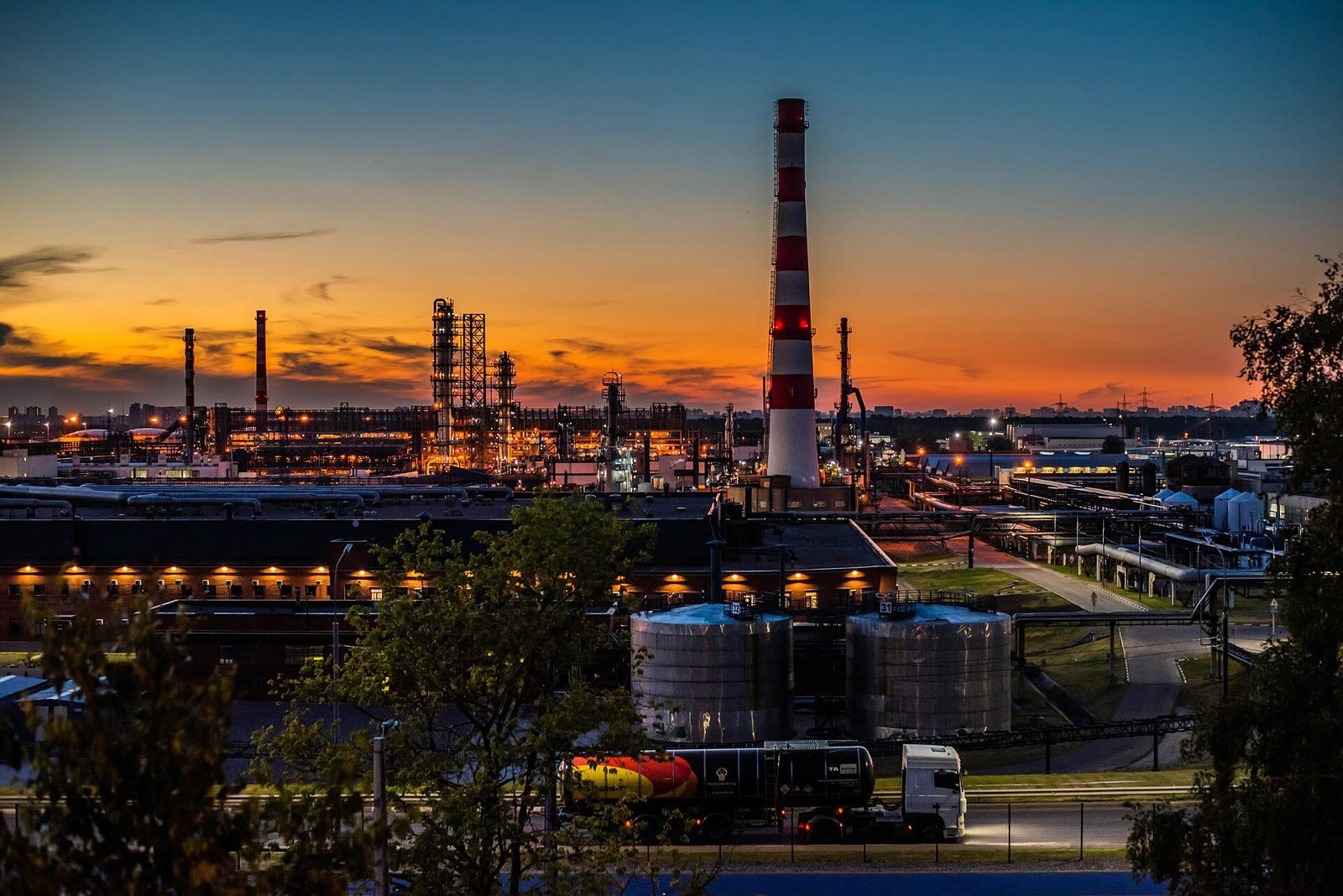
Novak said conditions in Russia’s domestic fuel market had improved significantly compared with both the previous month and two weeks earlier. He said some refineries that had completed maintenance had resumed operations and that protective measures for energy infrastructure and refineries had been strengthened. Novak added that further developments would depend on the course of attacks targeting energy infrastructure.

Shipment plan to reach 800,000 tons
Under the terms of the agreement, Russia plans to send 300,000 metric tons of diesel to global markets immediately. Another 500,000 metric tons is expected to be added to that volume in November.
Russia also aims to restore its monthly diesel exports to 3.5 million metric tons by the end of 2026. If this level is reached, the country’s share of the global diesel market is expected to exceed 10%.
Novak also said an assessment of the maximum production capacities of OPEC+ countries was planned for completion by the end of 2026. He added that Russia aimed to gradually increase oil production in line with the capacity of its existing infrastructure.
First shipment below US consumption
The planned first shipment of 300,000 metric tons is equivalent to approximately 2.25 million barrels. This volume is below the US transportation sector’s daily diesel consumption of approximately 2.94 million barrels.
Objections from Europe and Ukraine
The agreement drew a reaction from officials in Europe and Ukraine. The officials argued that lifting restrictions on Russia’s energy revenues would directly finance the Kremlin’s war efforts.
Kremlin spokesperson Dmitry Peskov said they were closely monitoring signs of a change in Washington’s policy. Peskov said it was still too early to draw comprehensive conclusions about the developments.
Kirill Dmitriev, a Kremlin representative, said the diesel agreement could open the door to broader economic and investment cooperation between Russia and the United States.

















