- BIST10011,722-2.89%
- USD49.42+0.06%
- EUR55.41+0.20%
- GOLD4,178.40+0.20%
- INTEREST37.00%-1.00
- BITCOIN81,293-1.02%
- October 16, 202612°
- BIST10011,722-2.89%
- USD49.42+0.06%
- EUR55.41+0.20%
- GOLD4,178.40+0.20%
- INTEREST37.00%-1.00
- BITCOIN81,293-1.02%
- October 16, 202612°
Yandex moved core systems to backup servers as Putin held cybersecurity meeting
Russian Digital Development Minister Maksut Shadaev said the ministry supported moving Yandex’s core systems to external backup servers after Ukraine’s drone attacks. Russian President Vladimir Putin ordered the strengthening of the country’s digital defense capabilities at a cybersecurity meeting, while most of Yandex Cloud’s artificial intelligence services became accessible again.
Scraper SystemUpdated:


According to Russian Digital Development Minister Maksut Shadaev, the ministry supported transferring Yandex’s core systems to external backup servers after Ukrainian drone attacks last week.
Shadaev said additional sites had been allocated to Yandex so that critical infrastructure could be moved to different locations. The minister described the attacks as unprecedented.

Disruptions to Yandex services
Three of Yandex’s six data centers were damaged in the attacks. The company’s search, navigation, food delivery and banking services experienced disruptions.
Corporate customers using Yandex Cloud’s infrastructure were also affected. Lenta and Magnit were among the customers who experienced service outages.

Yandex said it had long maintained backup capacity across distributed infrastructure and independent sites. However, Yandex Pay and Yandex Cloud services did not appear to have fully returned to normal as of Wednesday evening.
Yandex Cloud restored access to most services on its artificial intelligence platform after the outage on October 14. YandexGPT and Alice AI APIs within AI Studio, along with SpeechKit’s speech recognition services, began operating again; Workflows, the Batch Inference API and Dedicated Models had not yet returned to service. The company said restrictions on creating new resources and increasing existing consumption could remain in place.
Call for geographically isolated backup centers
Valery Yermakov, a senior executive at state telecommunications company Rostelecom, called for geographically isolated, decentralized backup data centers to address the risks exposed by the attacks targeting Yandex.
Yermakov said there was a need for a backup center capable of restoring services after any disruption, a facility known to the public as a “doomsday” site.
Putin orders stronger digital defenses
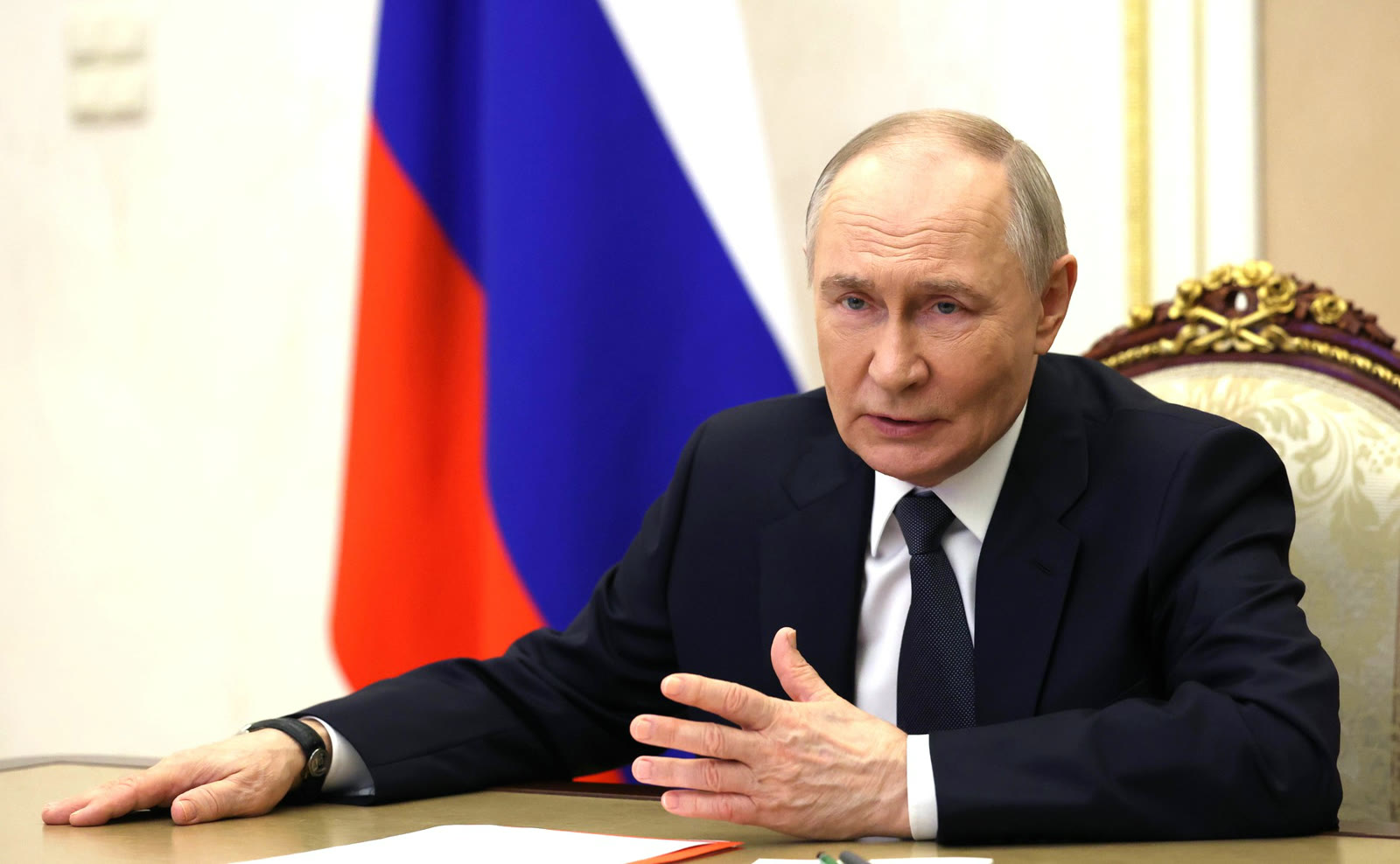
Russian President Vladimir Putin held a cybersecurity meeting on Wednesday with Maksut Shadaev, security officials and company executives. Sberbank CEO Herman Gref was among the participants.
One of Sberbank’s data centers was also damaged in drone attacks on Wednesday night. Kremlin spokesman Dmitry Peskov said the meeting was not held in response to the “situational” attacks of recent days.
The Kremlin had said the meeting would address the risks posed to various sectors of the economy by attempts by some states to weaponize artificial intelligence. According to Peskov, the meeting was broader and more systemic in nature than the attacks on four data centers over the past week—three belonging to Yandex and one to Sberbank. Central Bank Governor Elvira Nabiullina was also expected to attend.
Putin ordered the strengthening of the country’s digital defense capabilities in response to growing security threats.
On Oct. 15, Yandex said access to accounts on the website and mobile app of its Direct advertising platform had been restored. Users can launch and pause campaigns, top up balances and set weekly budget limits, but some statistics may be missing, settings cannot be changed and some tools remain unavailable. The company’s data center in the city of Vladimir shut down completely after a drone attack on Sunday, while its data processing centers in Sasovo, in the Ryazan region, and in Kaluga were hit in attacks the previous week.
Two of the three supercomputers used to train the YandexGPT model were reportedly housed in the data centers that were attacked, though the extent of damage to the AI hardware remains unclear. Yandex worked with Selectel, VK Cloud and K2 Cloud to move affected corporate clients’ data and services more quickly. The company said it would waive some Yandex Cloud fees for Oct. 8-31 and offer Yandex 360 personal subscribers fee relief throughout October.
In the attack on Sberbank’s Balakovo data center in the Saratov region, some homes were damaged and one person was killed, according to Saratov Governor Roman Busargin; the bank said none of its employees were injured and all its systems were operating normally. Digital Development Minister Maksut Shadayev said his ministry was working with the Defense Ministry to protect data centers from drone attacks. Kremlin spokesman Dmitry Peskov said it was too early to decide whether users would be compensated for possible financial losses.
Source: Moscow Times
Have a story, event or announcement of your own?Send us your news on WhatsApp
Spotted an error in this story?Report it on WhatsApp
Share on all social platforms
Sponsored Ads
Featured Listings
Loading featured properties...
Stay Updated with RuskiGazeta
Subscribe to be informed about special news, developments and announcements. We will keep you informed.
By signing up, you agree to our Privacy Policy