- BIST10011,722-2.89%
- USD49.42+0.06%
- EUR55.41+0.20%
- GOLD4,183.30+0.32%
- INTEREST37.00%-1.00
- BITCOIN81,328-0.98%
- October 16, 202612°
- BIST10011,722-2.89%
- USD49.42+0.06%
- EUR55.41+0.20%
- GOLD4,183.30+0.32%
- INTEREST37.00%-1.00
- BITCOIN81,328-0.98%
- October 16, 202612°
Nobel economics prize honors theory of taming booms and busts
Americans Robert Hall and Michael Woodford won the 2026 economics prize for showing how decisions by firms and households shape the success of government efforts to stabilize the economy.
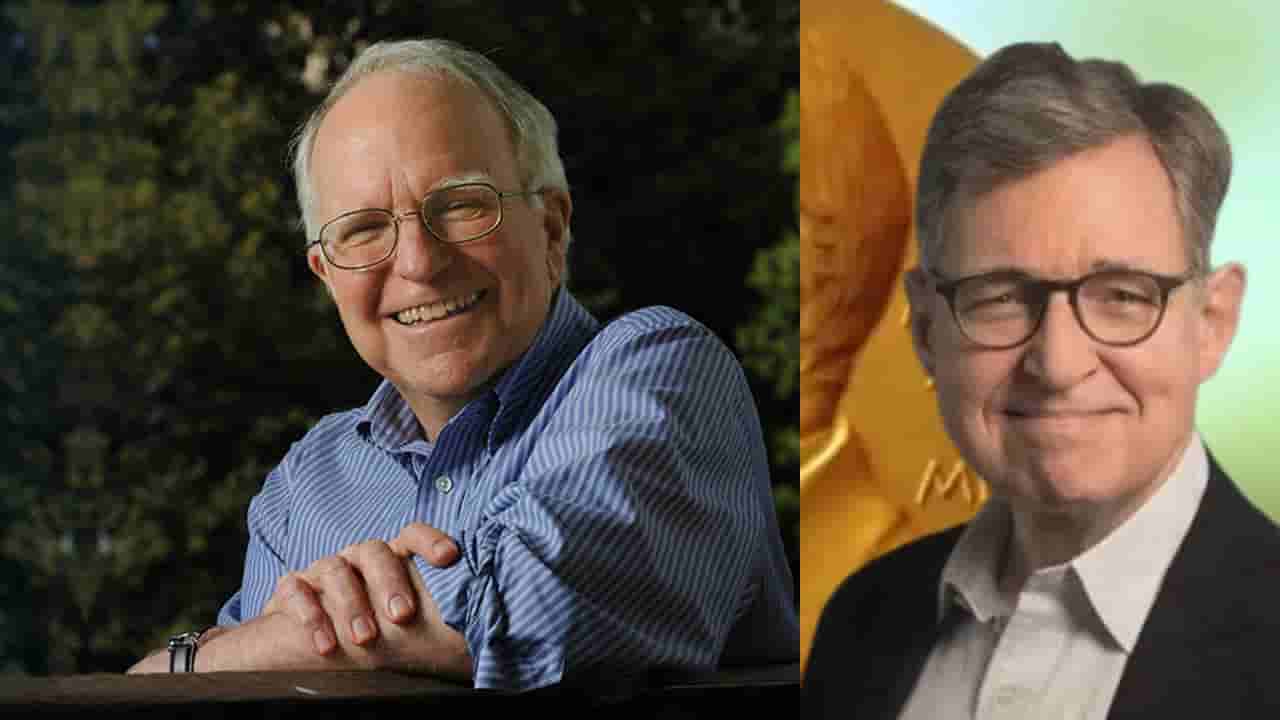
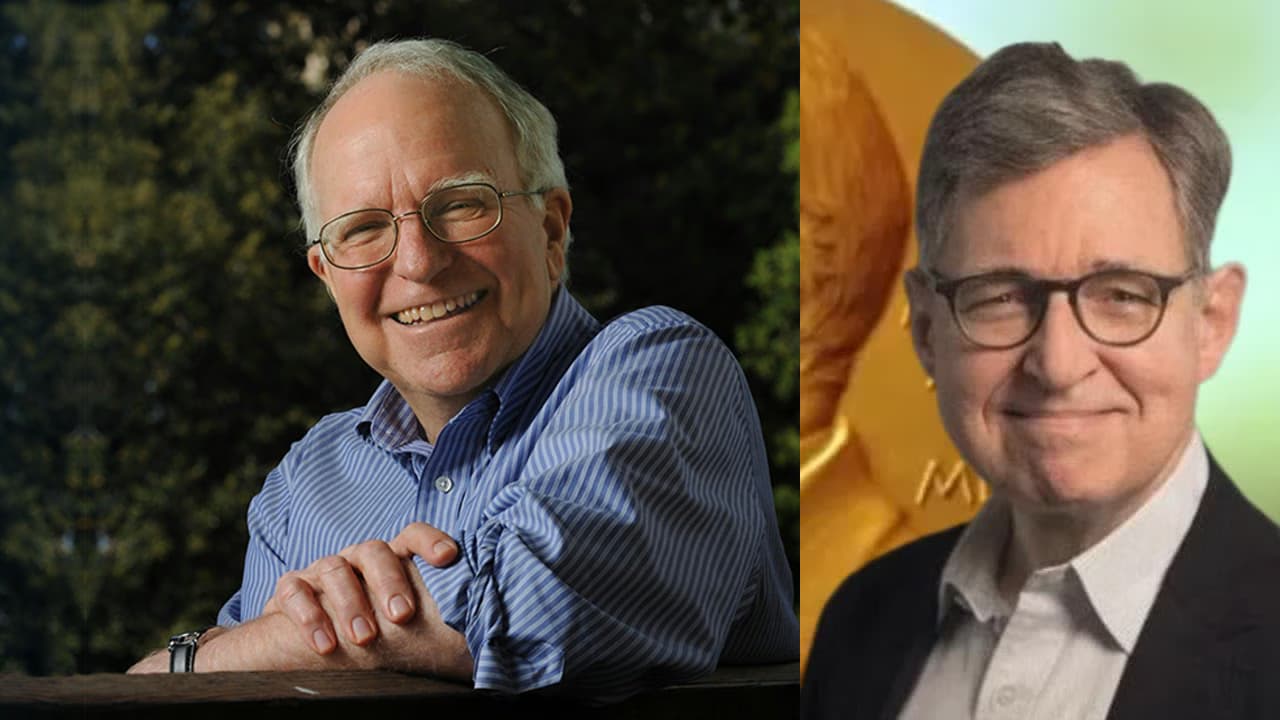
The Royal Swedish Academy of Sciences announced on Monday that the 2026 economics prize in memory of Alfred Nobel goes to U.S. economists Robert Hall of Stanford University and Michael Woodford of Columbia University. The committee cited their work on the “microeconomic foundations of macroeconomic stabilisation.”
Put simply, the laureates showed how the behavior of individual firms, workers and households determines the outcome of measures that governments and central banks use to soften downturns and cool overheating economies. Their models are now used in setting monetary policy in many countries.
Who are the laureates?
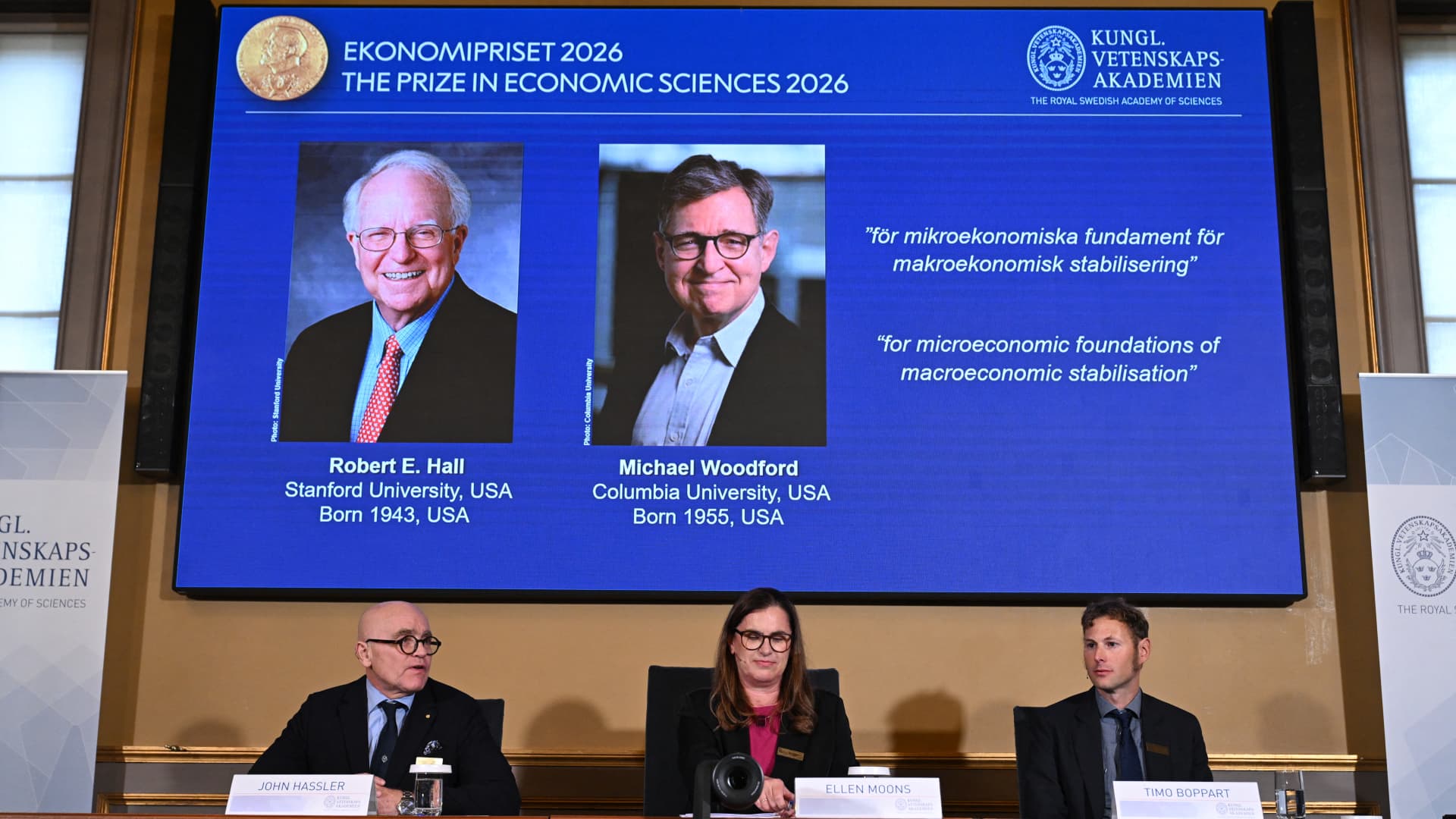
Robert Hall, born in 1943, studies unemployment and the labor market. A fellow at the Hoover Institution, he long headed the committee that officially marks the start and end of U.S. recessions.
Michael Woodford, born in 1955, is known as one of the founders of the New Keynesian school. His 2003 book “Interest and Prices” is still regarded as one of the key works on how central banks should steer interest rates.
The 12 million Swedish crown cash award will be split equally. The economics prize is traditionally the last to be announced in the Nobel season.
Stay Updated with RuskiGazeta
Subscribe to be informed about special news, developments and announcements. We will keep you informed.
By signing up, you agree to our Privacy Policy