- BIST10011,722-2.89%
- USD49.42+0.06%
- EUR55.41+0.20%
- GOLD4,196.40+0.63%
- INTEREST37.00%-1.00
- BITCOIN81,556-0.70%
- October 16, 202613°
- BIST10011,722-2.89%
- USD49.42+0.06%
- EUR55.41+0.20%
- GOLD4,196.40+0.63%
- INTEREST37.00%-1.00
- BITCOIN81,556-0.70%
- October 16, 202613°
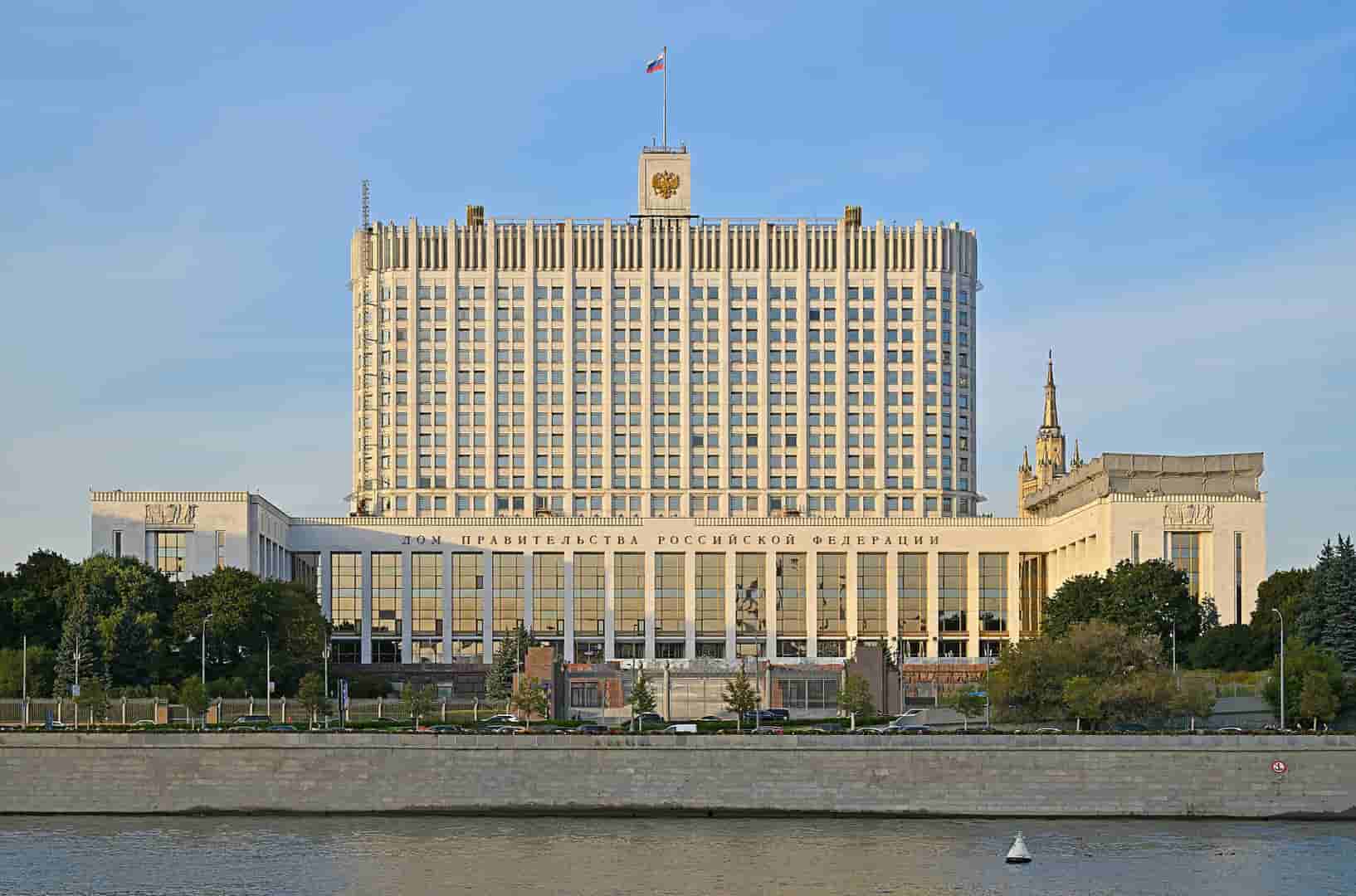
Moscow to impose visas on Montenegrin citizens from November 1
Russia will require Montenegrin citizens to obtain visas from November 1 after Montenegro decided to end its 2008 visa-free travel agreement. In July, the Podgorica government announced that it would end visa-free entry for citizens of Russia, Belarus, China, Saudi Arabia and Türkiye to align with European Union standards.


As the visa-free travel arrangement between Moscow and Podgorica ends, Russia will introduce visa requirements for Montenegrin citizens. The measure will take effect on November 1.
Russian Foreign Ministry spokeswoman Maria Zakharova said Montenegro’s Foreign Ministry had informed Moscow on September 28 of its intention to terminate the 2008 reciprocal travel agreement. Zakharova said that, from the same date, Russian citizens would need visas to enter and stay in Montenegro, while Montenegrin citizens would also require visas to travel to Russia.
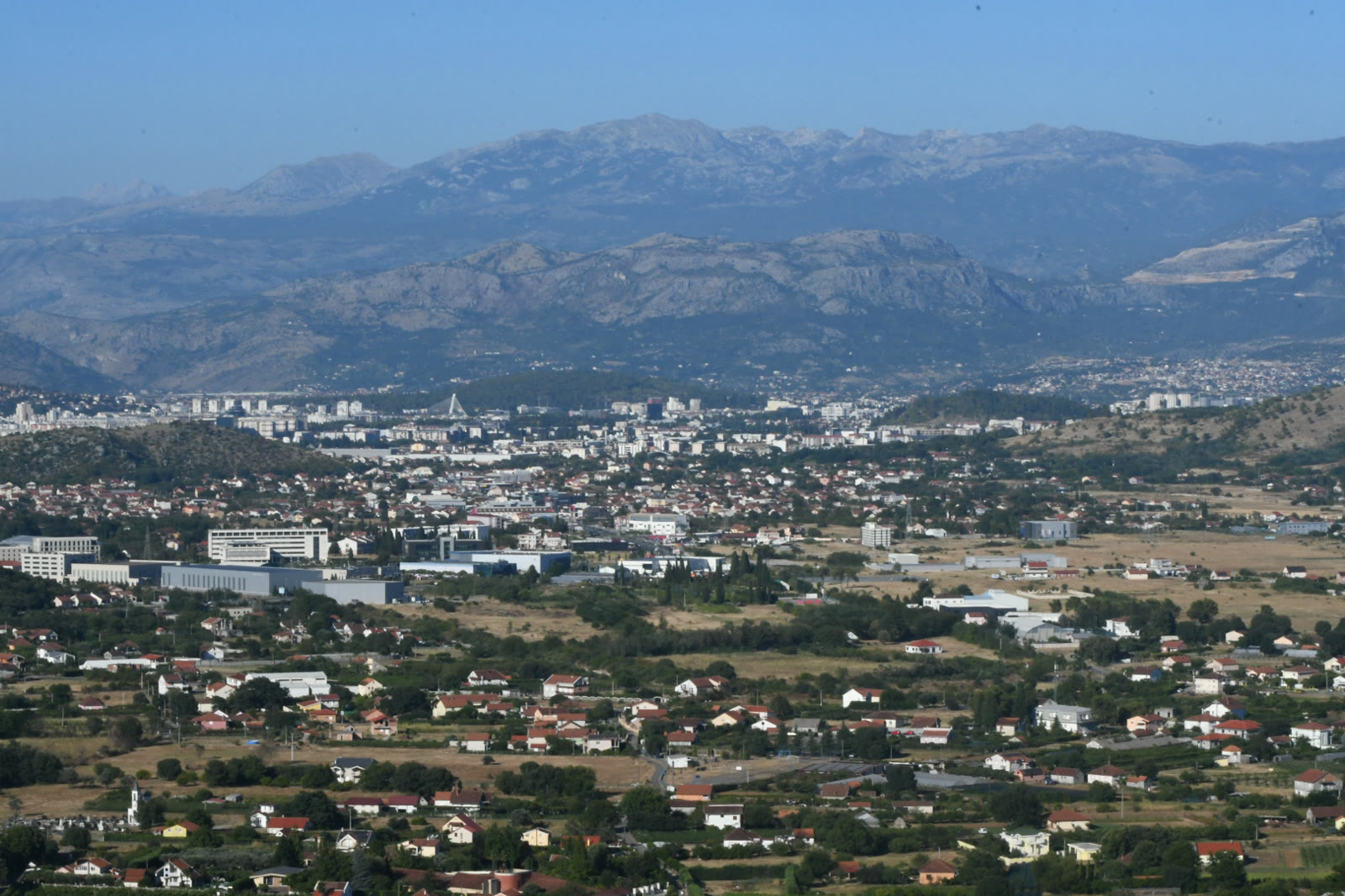
Podgorica cites alignment with EU rules
In July, the Montenegrin government announced that it would end visa-free entry for citizens of Russia, Belarus, China, Saudi Arabia and Türkiye. Podgorica said the decision was part of the process of aligning with European Union standards.
Montenegro is reportedly aiming to join the European Union in 2028. Zakharova argued that the new visa regime would reduce the number of Russian tourists, harm local businesses in Montenegro and negatively affect the country’s investment climate. She also said it was pointless to expect the European Union to compensate Montenegro for the resulting losses.

Tensions deepen between the two countries
For many years, Montenegro remained one of the few European countries granting Russian citizens visa-free entry for up to 30 days. Many people who left Russia after the war in Ukraine also settled in Montenegro.
Local media in Montenegro reported that approximately two-thirds of registered Russian citizens had left the country while waiting for the new visa rules to take effect. The claim has not been independently verified.
Relations between Podgorica and Moscow deteriorated after Montenegro accused Russia in 2016 of plotting an unsuccessful coup together with Serbian ultranationalists. The Kremlin denied the accusation. Relations worsened further after Montenegro joined NATO in 2017 and aligned with European Union sanctions following Russia’s full-scale invasion of Ukraine in 2022.
Montenegro banned Russian state media and expelled Russian diplomats on espionage charges. Moscow subsequently added Montenegro to its list of “unfriendly” countries.
The founder of Rybar, a Telegram channel known for pro-Russian war content, also became involved in the debate over tightening border controls in Montenegro. The person was detained and deported from Montenegro over allegations that he had attempted to produce a documentary portraying European Union integration as a process imposed from outside.
Stay Updated with RuskiGazeta
Subscribe to be informed about special news, developments and announcements. We will keep you informed.
By signing up, you agree to our Privacy Policy