Following Ukraine's attacks on refineries, Russia has begun to ease the measures taken against the resulting fuel shortage. Major gas station chains in various regions have started lifting or increasing gasoline purchase limits.
According to Izvestia, Gazprom has lifted all purchase restrictions at its stations in the Krasnodar, Rostov, Volgograd, Stavropol, and Astrakhan regions, as well as along the M-4 highway. However, the company maintains limits of 30 to 50 liters for gasoline and 60 to 100 liters for diesel in regions such as Vladimir, Voronezh, Kaluga, Lipetsk, Nizhny Novgorod, Oryol, and Tula.
Rosneft and its subsidiary Bashneft have raised the per-vehicle gasoline limit from 30 to 50 liters. Lukoil and its affiliate Teboil have lifted all purchase restrictions in Moscow, St. Petersburg, and the Leningrad region. A Lukoil representative stated that restrictions may continue in some regions based on local government orders and stock levels.
Omsk and Kaliningrad regional authorities also announced on Tuesday that all fuel purchase restrictions at local stations have been lifted. At Gazprom Neft stations in Moscow, the 30-liter limit remains in effect for purchases made through the mobile app, but not for physical purchases. To prevent hoarding, the ban on purchasing fuel in cans remains in place at Gazprom, Rosneft, Lukoil, and Tatneft stations.
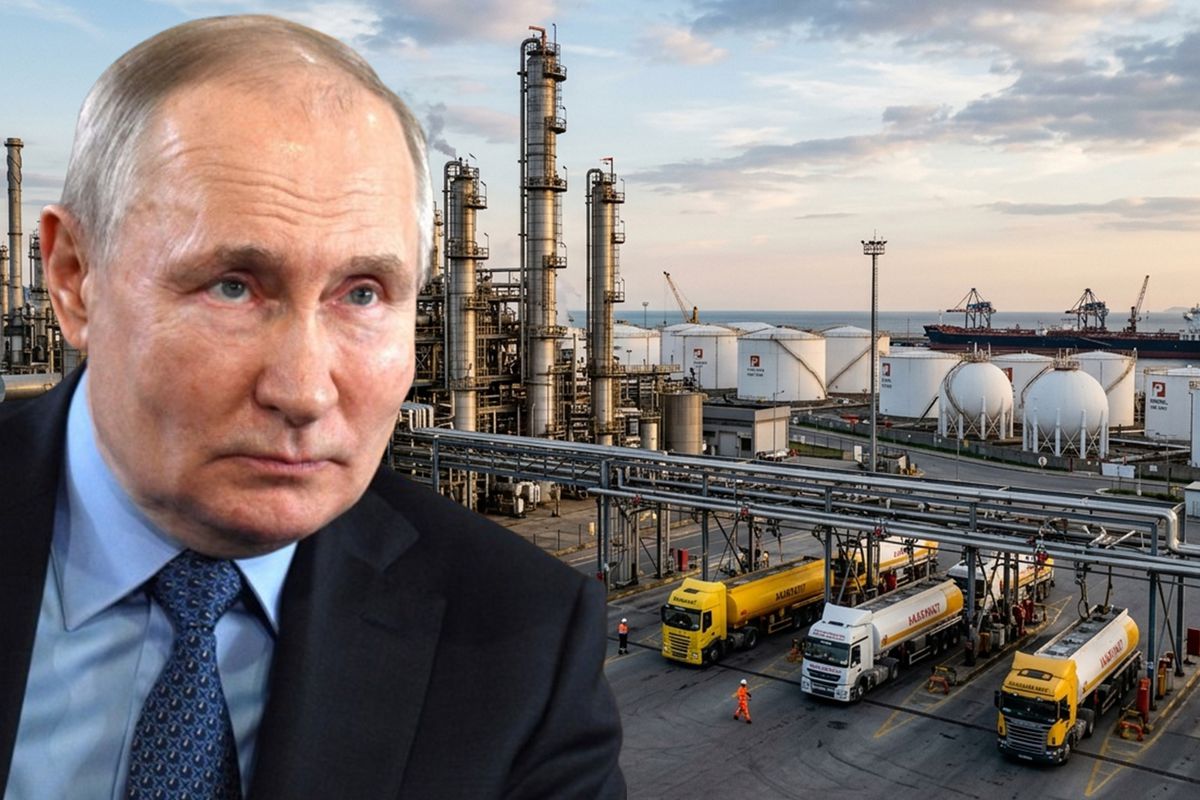
Novak assesses domestic market and exports
Deputy Prime Minister Aleksandr Novak announced last week that "partial stability" signals have emerged in the domestic market. Over the weekend, Novak stated that Russia will extend the gasoline export ban until the end of 2026.
On Monday, Novak noted that some refineries have resumed operations following repair work, but warned that fuel shortages persist in certain regions, particularly in Siberia.
Fuel supply shortages that emerged following months of Ukrainian drone strikes on Russian refineries and storage facilities are showing signs of easing, despite analyst warnings that supply would remain tight nationwide until summer travel demand drops in the autumn.
The average price of gasoline in Russia has risen 18.3 percent since the start of the year, reaching 77.31 rubles per liter ($3.72 per gallon) as of July 20.


















