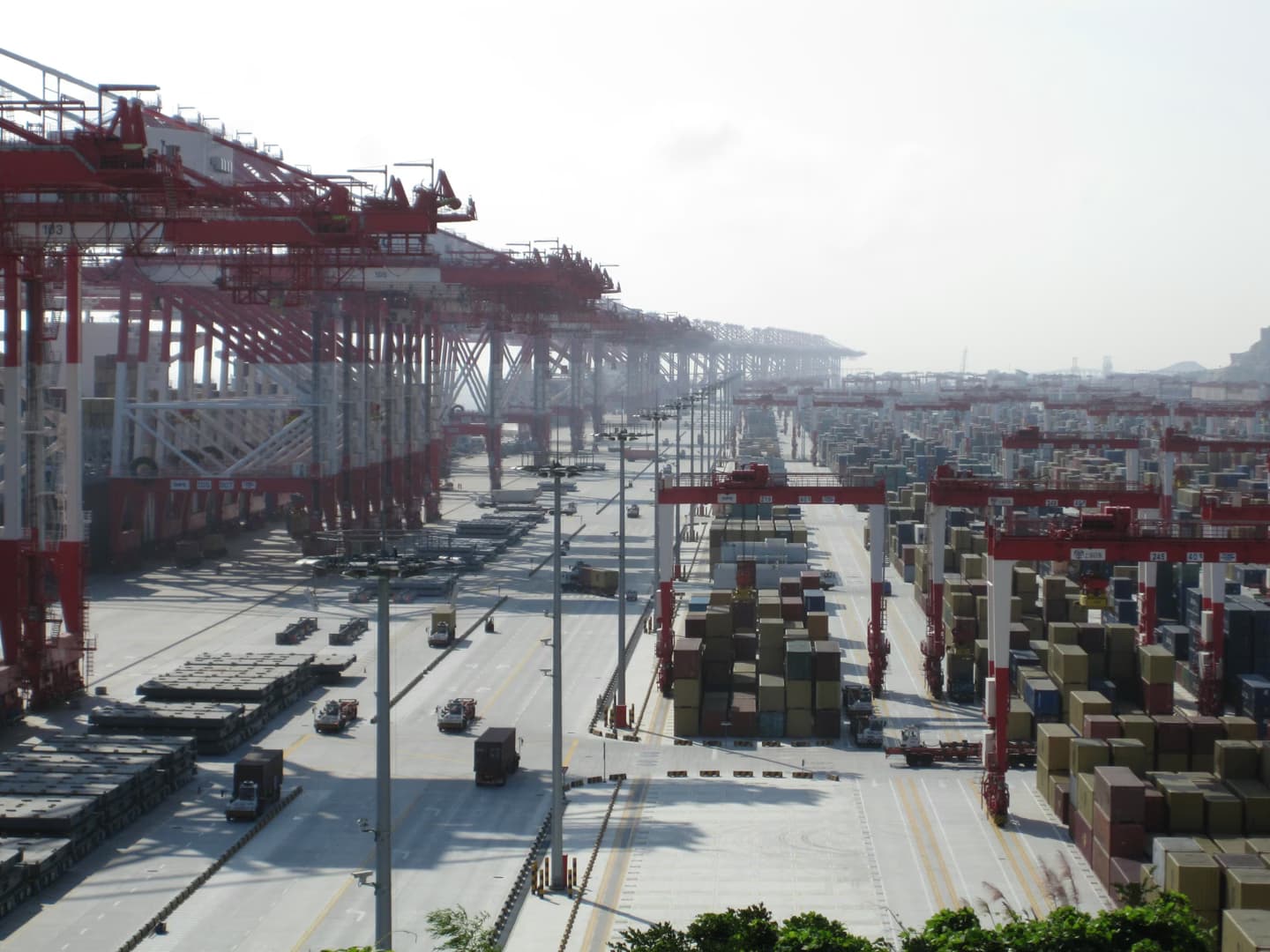
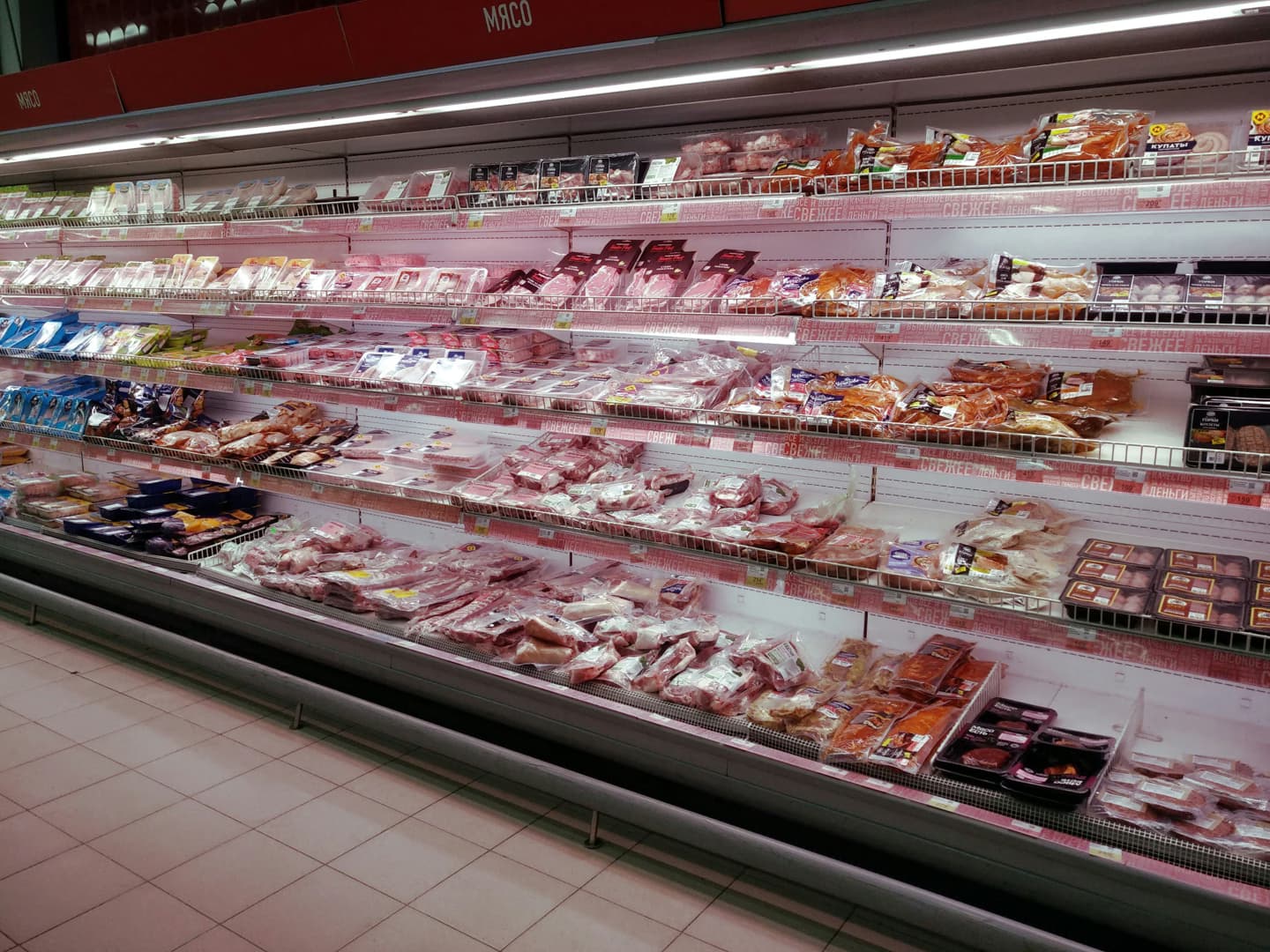
Russia is preparing to import gasoline by sea this month to ease the growing fuel shortage caused by Ukrainian drone attacks on refineries and energy infrastructure.
According to industry sources, at least one shipment is expected to reach a port in western Russia in June. While there is a possibility that the fuel will be sourced from Asia, details regarding the quantity and suppliers have not been finalized.
Increased Pressure on Refinery System
This move marks an unusual shift for Russia. As one of the world's largest exporters of oil and fuel, the country has faced increasing pressure on its refinery system after months of attacks.
The attacks reportedly targeted major facilities such as the Taneco refinery and the Moscow oil refinery, causing temporary shutdowns in some units. These disruptions have weakened production and deepened regional fuel shortages.
Shortages Reported in Many Regions
The fuel shortage has reportedly spread to about a dozen Russian regions. Official reports have also noted shortages in occupied Crimea and parts of Siberia.
Moscow extended the gasoline export ban for producers until the end of July to protect domestic supply during the summer months when internal demand rises. This decision was aimed at reducing pressure on the domestic market.
Belarus and Kazakhstan Also Considered
Russia has turned to Belarus for additional supply and previously considered sourcing from Kazakhstan. However, both countries reportedly lack sufficient spare capacity to significantly cover the shortfall.
Sources expect sea imports to remain a temporary solution. High logistics costs and transportation challenges are cited as major factors limiting the scope of this method.
Last year, Russia exported about 5 million metric tons of gasoline. The current situation highlights how sharply the country's energy supply has reversed.
Energy Pressure Influences Sanctions Debate
Pressure on Moscow is increasing at a time when Western allies are discussing the possibility of tightening sanctions on Russian oil exports. This situation has made the link between energy markets and the war's frontline effects more visible.
Former U.S. President Donald Trump had indicated that Washington might soon reimpose tougher sanctions. G7 leaders continue to seek ways to increase pressure on Russia.