- BIST10010,760-3.63%
- USD49.86+0.15%
- EUR55.82+0.52%
- GOLD3,898.90-3.29%
- INTEREST36.00%-1.00
- BITCOIN77,712+0.35%
- November 1, 202614°
- BIST10010,760-3.63%
- USD49.86+0.15%
- EUR55.82+0.52%
- GOLD3,898.90-3.29%
- INTEREST36.00%-1.00
- BITCOIN77,712+0.35%
- November 1, 202614°
Russia delays organized migrant recruitment launch until March 1, 2027
The new mechanism, under which foreign nationals would come to specific employers through an Interior Ministry registry, will not be ready by January: neither the bill nor the information infrastructure is ready.
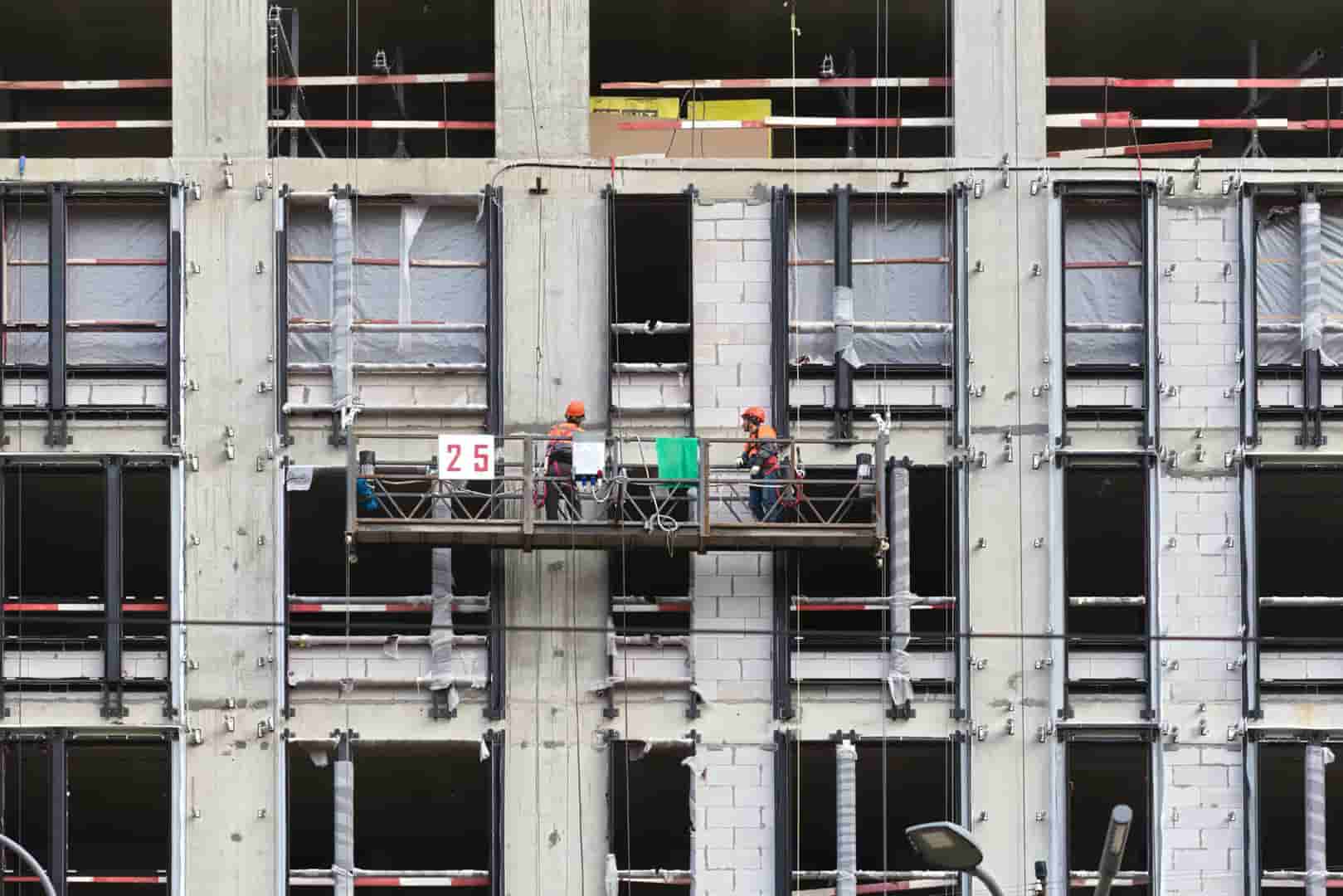
The launch of a mechanism for the organized recruitment of foreign workers in Russia is being moved from Jan. 1 to March 1, 2027, Kommersant reported, citing two sources in a federal agency. The reason is that the bill and information infrastructure are not yet ready.
The first stage of the experiment will begin after March 1, 2027, and the second after Jan. 1, 2029. The mechanism will operate throughout the country except in Moscow and the Moscow Region. It will not apply to Belarusian citizens, highly qualified specialists or workers in special territories, such as the Free Port of Vladivostok.

A registry will replace permits
Foreign nationals will come to specific employers, and a registry will replace permit documents. Employers will have to enter the Interior Ministry’s registry and submit an application specifying the number of workers and their employment conditions. A fixed-term, one-year employment contract must reproduce the details of the application, including the work schedule; only social guarantees and the salary may be changed.
Employers will pay for genomic registration and reimburse the state for deportation costs. Companies hiring more than 15 workers must provide them with housing, while private individuals may hire no more than five migrants. Workers will receive an identification card valid for three years, undergo medical examinations and live in “migration hotels” for the duration of their registration.
Currently employed migrants will have six months to register
The basic advance payment on personal income tax will remain at 1,200 rubles per month. Registration in the registry will cost 3,000 rubles for visa-free migrants and 8,000 rubles for visa-required migrants; changing the purpose of a visit will cost 30,000 rubles, while changing the region of employment will cost 10,000 rubles.
Foreign nationals already in Russia will have to register in the registry within six months or face deportation. Estimates put the number of labor migrants working in the country at more than 3 million. Independent expert Vadim Kozhenov believes it is impossible to register all of them within six months and does not rule out further delays. Alexander Kalinin, head of Opora Russia, said the patent system does not allow the state to control the flow of people arriving for work.
Stay Updated with RuskiGazeta
Subscribe to be informed about special news, developments and announcements. We will keep you informed.
By signing up, you agree to our Privacy Policy