- BIST10011,655-1.21%
- USD49.58+0.05%
- EUR55.62+0.09%
- GOLD4,152.30+0.23%
- INTEREST37.00%-1.00
- BITCOIN83,598+0.79%
- October 21, 202621°
- BIST10011,655-1.21%
- USD49.58+0.05%
- EUR55.62+0.09%
- GOLD4,152.30+0.23%
- INTEREST37.00%-1.00
- BITCOIN83,598+0.79%
- October 21, 202621°
Russia condemns Florida arrest warrant for Raúl Castro
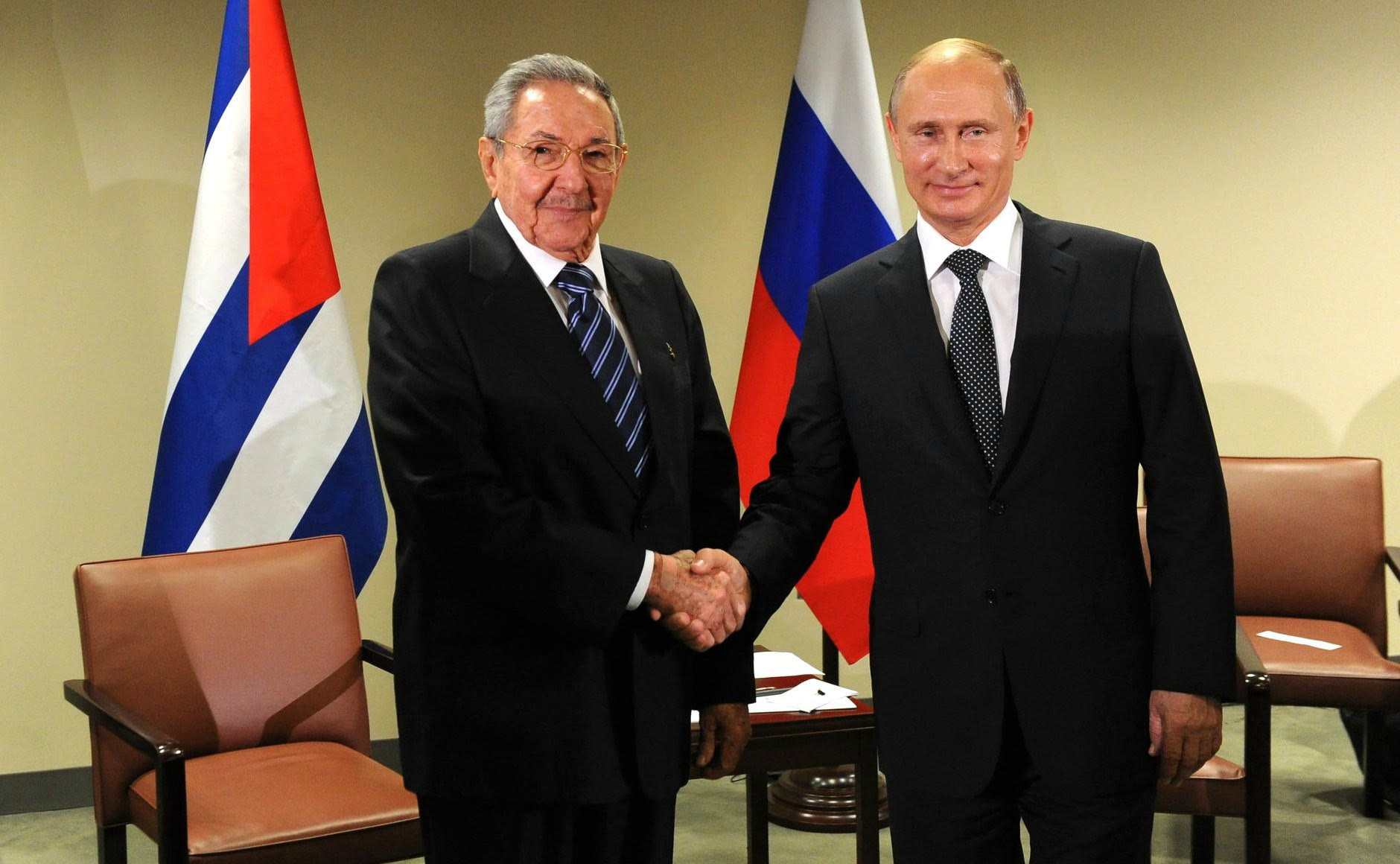
Russia’s Foreign Ministry opposed the arrest warrant issued in Florida for former Cuban President Raúl Castro and warned that Washington’s actions could create instability in the region. Castro is accused in connection with the shoot-down of aircraft on February 24, 1996, in which four people were killed.


Russia’s Foreign Ministry said it "categorically rejected and firmly condemned" the arrest warrant issued by the US state of Florida for former Cuban President Raúl Castro. The ministry warned that Washington’s legal actions against Cuba could trigger broader instability in the region.
Florida Attorney General James Uthmeier announced that a state court had approved the arrest warrant for Castro on Monday. Castro is accused of conspiring to commit first-degree murder.
Warrant is based on 1996 aircraft incident
The accusation in the case is linked to the shoot-down of two civilian aircraft flown by anti-Castro pilots on February 24, 1996. Four people were killed when the aircraft, operated by the humanitarian organization Brothers to the Rescue, were shot down.
Raúl Castro was Cuba’s defense minister at the time of the incident. Uthmeier said Castro had "coldly ordered the killing of four Floridians."
Russia’s Foreign Ministry described the accusation being brought more than 30 years later as "an unfounded and fabricated accusation that appears to be nothing more than an act of revenge by the anti-Cuba lobby in Miami."
Federal indictment contains the same accusation
The arrest warrant in Florida came after the US administration filed a federal indictment against Castro in May over the shoot-down of the same aircraft. The Kremlin described the indictment at the time as "on the brink of violence."
The Cuban government defended the 1996 shoot-down of the aircraft as "self-defense" against a violation of its airspace.
Moscow backs Cuba as pressure continues
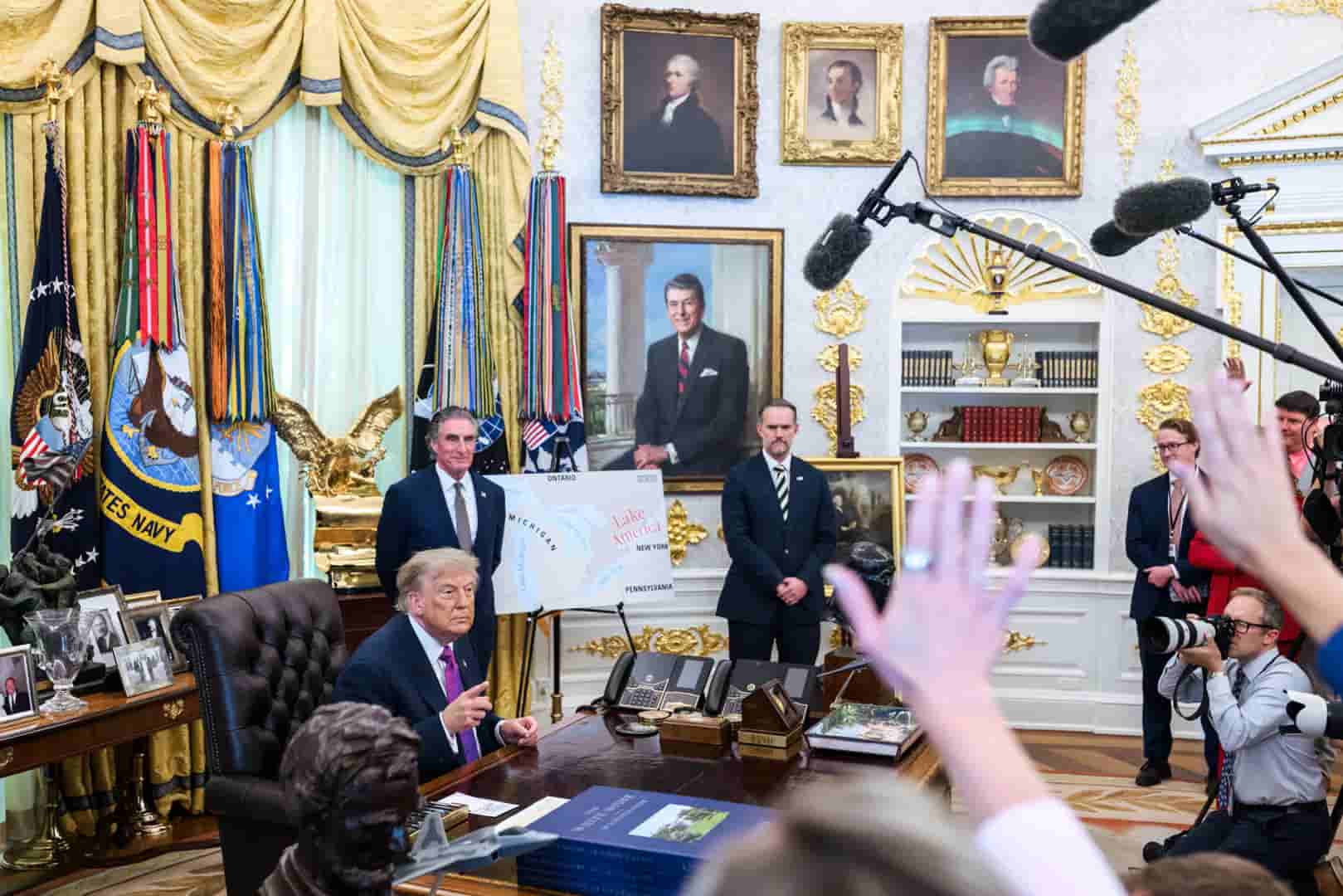
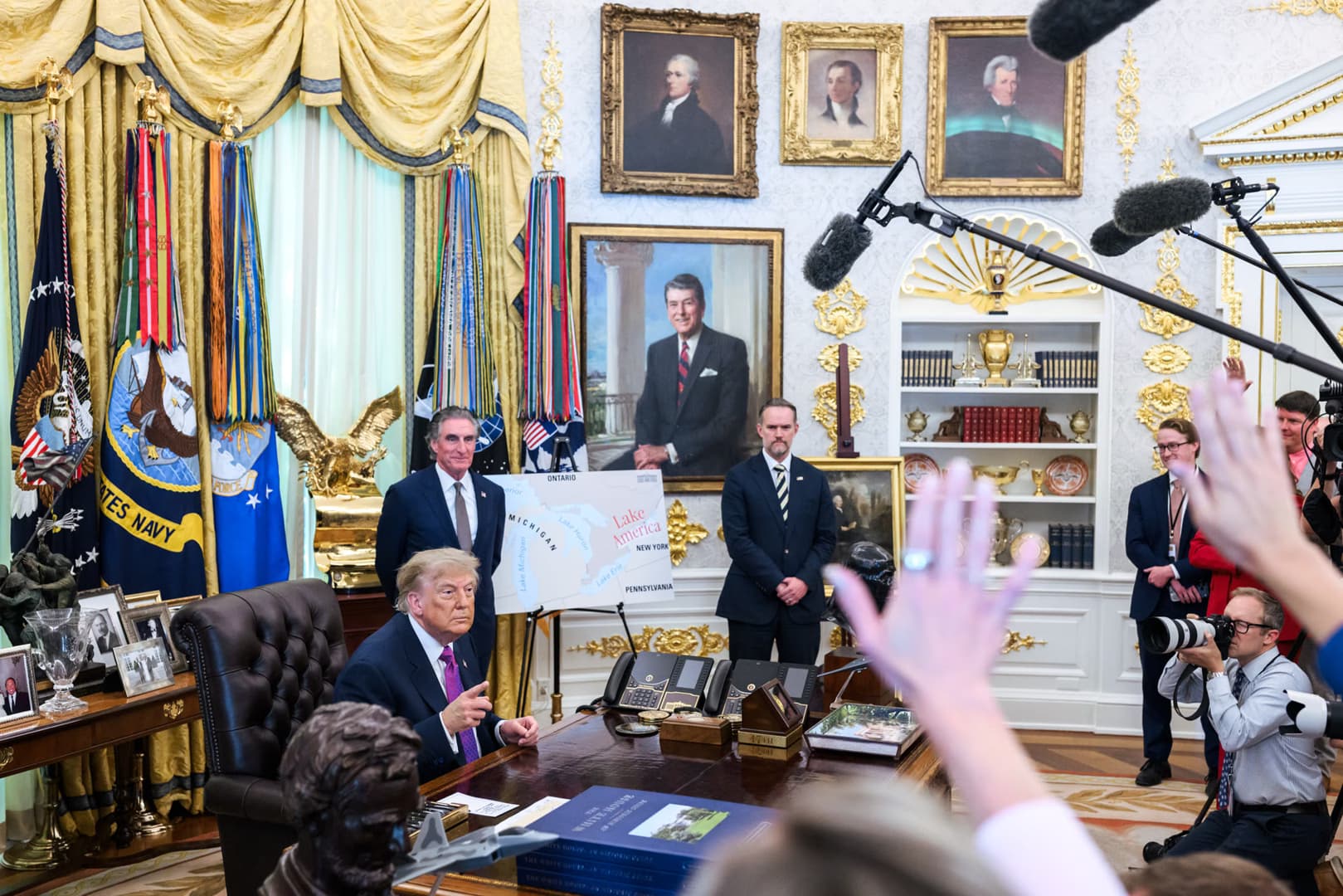
Cuba, an ally of Russia because of ties dating back to the Soviet era, has faced fuel shortages and repeated power outages in recent months. US President Donald Trump threatened a "friendly takeover" of Cuba unless Havana’s government carried out comprehensive political and economic reforms in line with US interests.
In March, Russia sent an oil tanker to Cuba as humanitarian aid. Trump said at the time that he did not oppose countries, including Russia, supplying oil to Cuba. Nevertheless, the US administration tightened economic sanctions against the island under its policy of "maximum pressure."
Stay Updated with RuskiGazeta
Subscribe to be informed about special news, developments and announcements. We will keep you informed.
By signing up, you agree to our Privacy Policy