- BIST10011,622-1.49%
- USD49.58+0.05%
- EUR55.62+0.09%
- GOLD4,143.10+0.01%
- INTEREST37.00%-1.00
- BITCOIN83,762+0.99%
- October 21, 202621°
- BIST10011,622-1.49%
- USD49.58+0.05%
- EUR55.62+0.09%
- GOLD4,143.10+0.01%
- INTEREST37.00%-1.00
- BITCOIN83,762+0.99%
- October 21, 202621°
Russia to allocate over 2 trillion rubles to two health projects
Maria Vorontsova, Putin’s daughter and an endocrinologist, said at a forum in Moscow that medical advances could address the problem of aging within 10 to 20 years. Russia plans to spend more than 2 trillion rubles on two national projects aimed at extending life expectancy.


Research into extending life expectancy in Russia is advancing through new national health projects and government support. Maria Vorontsova, Putin’s daughter and an endocrinologist, said medical advances could address the problem of aging, shaped by humanity’s fear of death, within the next 10 to 20 years.
Vorontsova, who heads the Institute of Medical Research and Education at Moscow State University, spoke at a forum held at the Skolkovo Moscow School of Management. The forum was organized to mark the launch of a laboratory that will examine the effects of extending life expectancy on public policy, the economy and the labor market.
Two goals for extending life expectancy
Vorontsova divided efforts to extend life expectancy into two stages. The first stage aims to help people reach the age range of 85 to 90 in good health, which she described as the natural human lifespan, through healthy habits acquired in childhood, proper nutrition and regular medical checkups.
The second stage involves the search for ways to go beyond this natural limit. Vorontsova described this goal as “trying to deceive God or nature,” while acknowledging that scientific progress in the field remains limited.
Excluding aging from disease classifications limits drug research
Vorontsova identified the fact that aging is not classified as a disease as one of the main obstacles. The absence of such a classification makes it more difficult to develop drugs that require a clear diagnosis and clinical trial process.
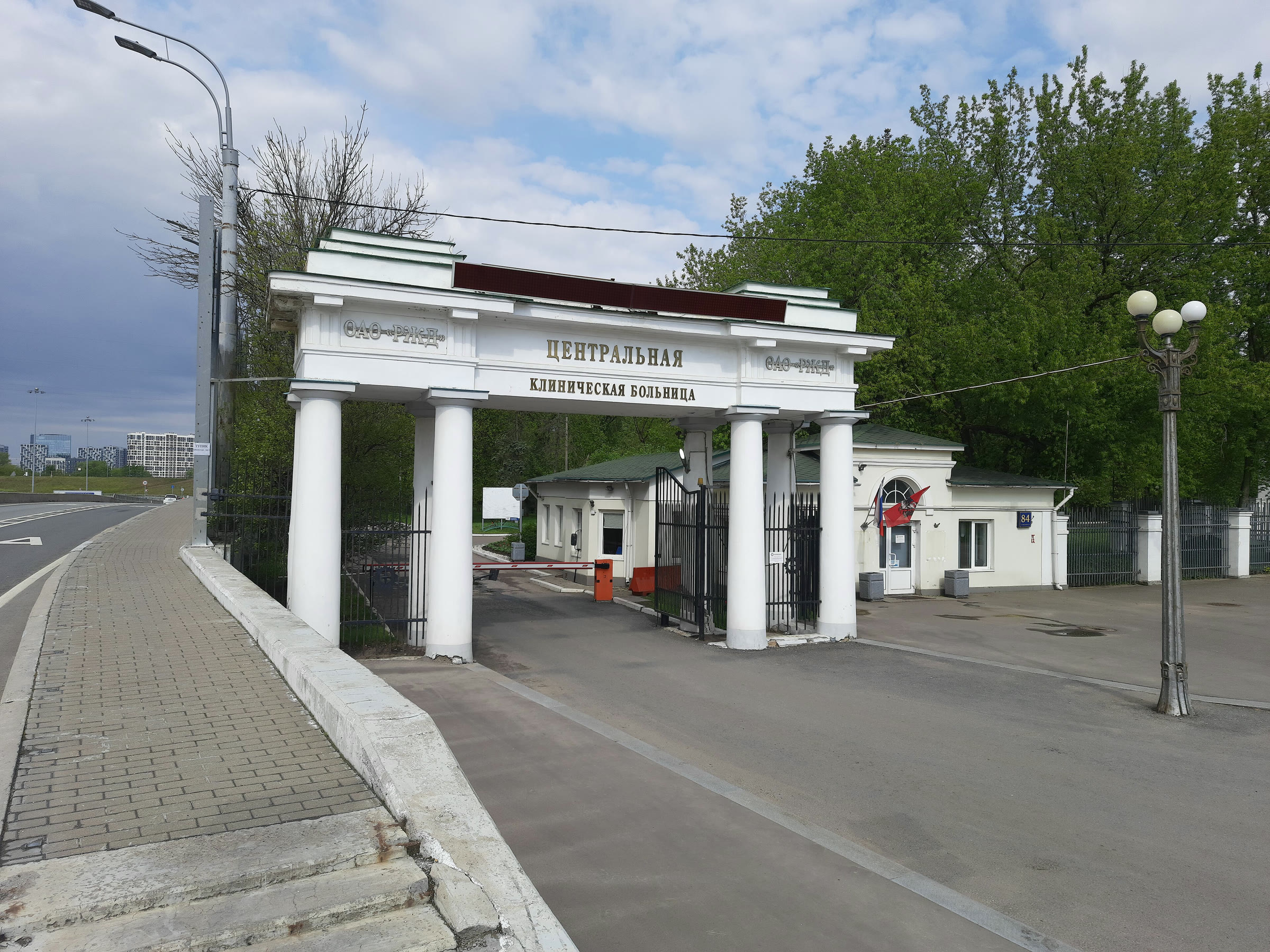
Denis Sekirinsky, Russia’s deputy minister of science and higher education, said work was underway on an “aging vaccine” intended to block a gene linked to age-related cellular changes.
Deputy Prime Minister Tatyana Golikova said Russia plans to begin producing an anti-aging drug between 2028 and 2030. The research is being conducted as part of the national project titled New Technologies for Preserving Health, launched in 2025 on Putin’s instructions.
More than 2 trillion rubles allocated to the projects
Russia plans to spend more than 2 trillion rubles in total on the New Technologies for Preserving Health project and the national Long and Active Life project, which was launched in 2025. The amount is equivalent to approximately $12 billion.
The country aims to raise average life expectancy to 78 years in 2030 and 81 years in 2036. Russia’s average life expectancy stands at 74.2 years, while life expectancy for men is approximately 68 years.
Vorontsova is also involved in the federal genetic research program being carried out with Putin’s participation. The Kremlin has not publicly confirmed that Vorontsova and her sister, Katerina Tikhonova, are Putin’s daughters, and has kept details about their lives largely private.
Stay Updated with RuskiGazeta
Subscribe to be informed about special news, developments and announcements. We will keep you informed.
By signing up, you agree to our Privacy Policy