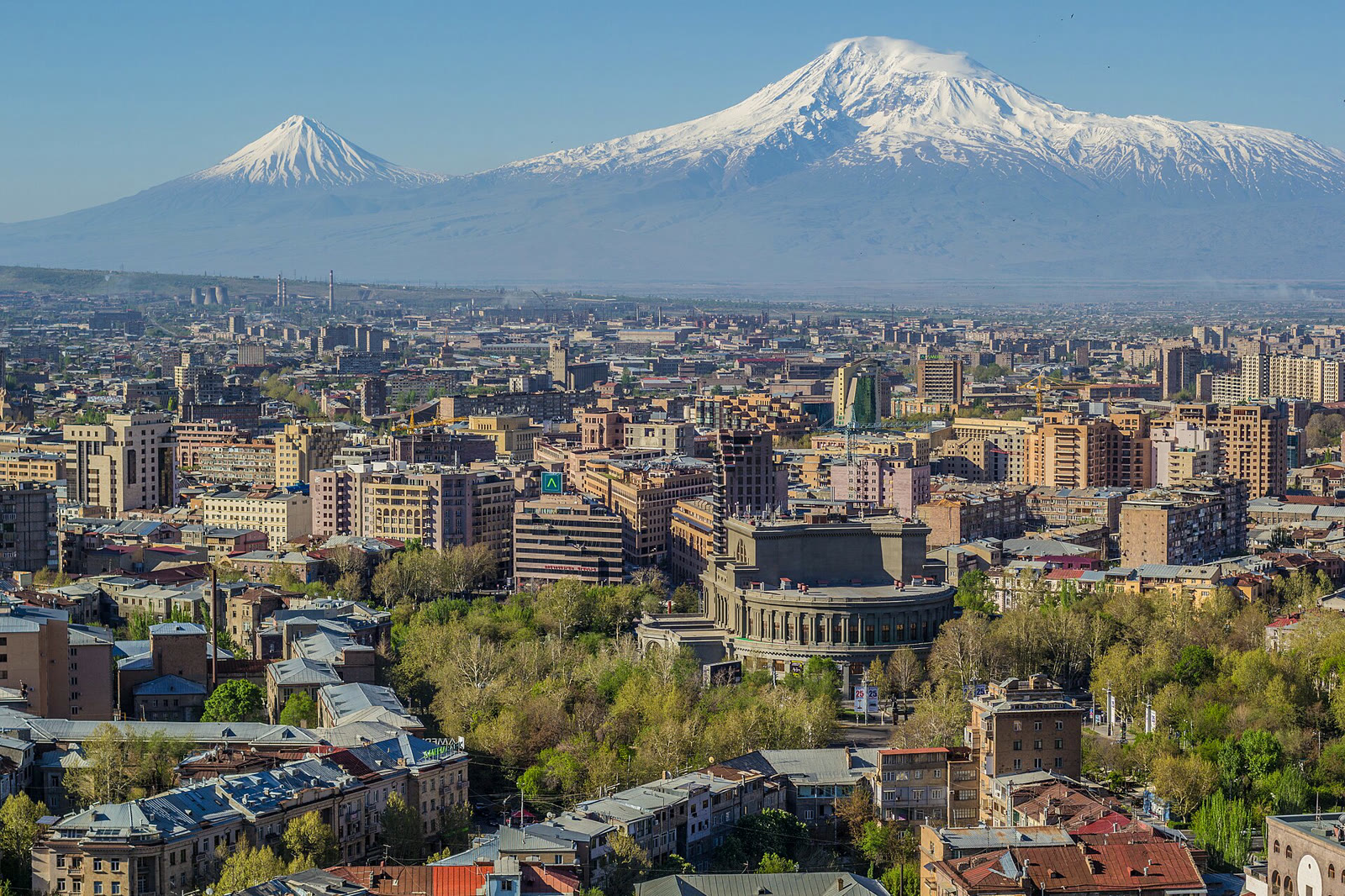
Belarusian President Alexander Lukashenko urged Armenia to assess its markets and revenues as he commented on Yerevan’s decision to move closer to the European Union. Lukashenko said Armenia should determine which markets could buy its products and in what quantities before moving away from the existing common market.
Lukashenko made the remarks during a meeting with the heads of government delegations attending the Eurasian Intergovernmental Council meeting on Friday, 2 October. The meeting also addressed changes in the global economy, cooperation within the Eurasian Economic Union and regional trade.
Assessing the common market for Armenia
Lukashenko said Armenia should determine whether it could find enough buyers in Europe for products such as brandy, vegetables and fruit, and assess to what extent its existing sales could be covered by the European market. He said steps in that direction could be taken once there was certainty that European countries would purchase goods from Armenia.
However, the Belarusian president said Yerevan should not hastily abandon its existing economic benefits. Lukashenko reiterated his call for Armenia not to leave the common market immediately.
Lukashenko said about 80% of trade among the countries of the Eurasian Economic Union was linked to the Russian market. He argued that the union’s members should not suddenly give up the opportunities that currently generate revenue for them and called for preserving the benefits offered by the common market.
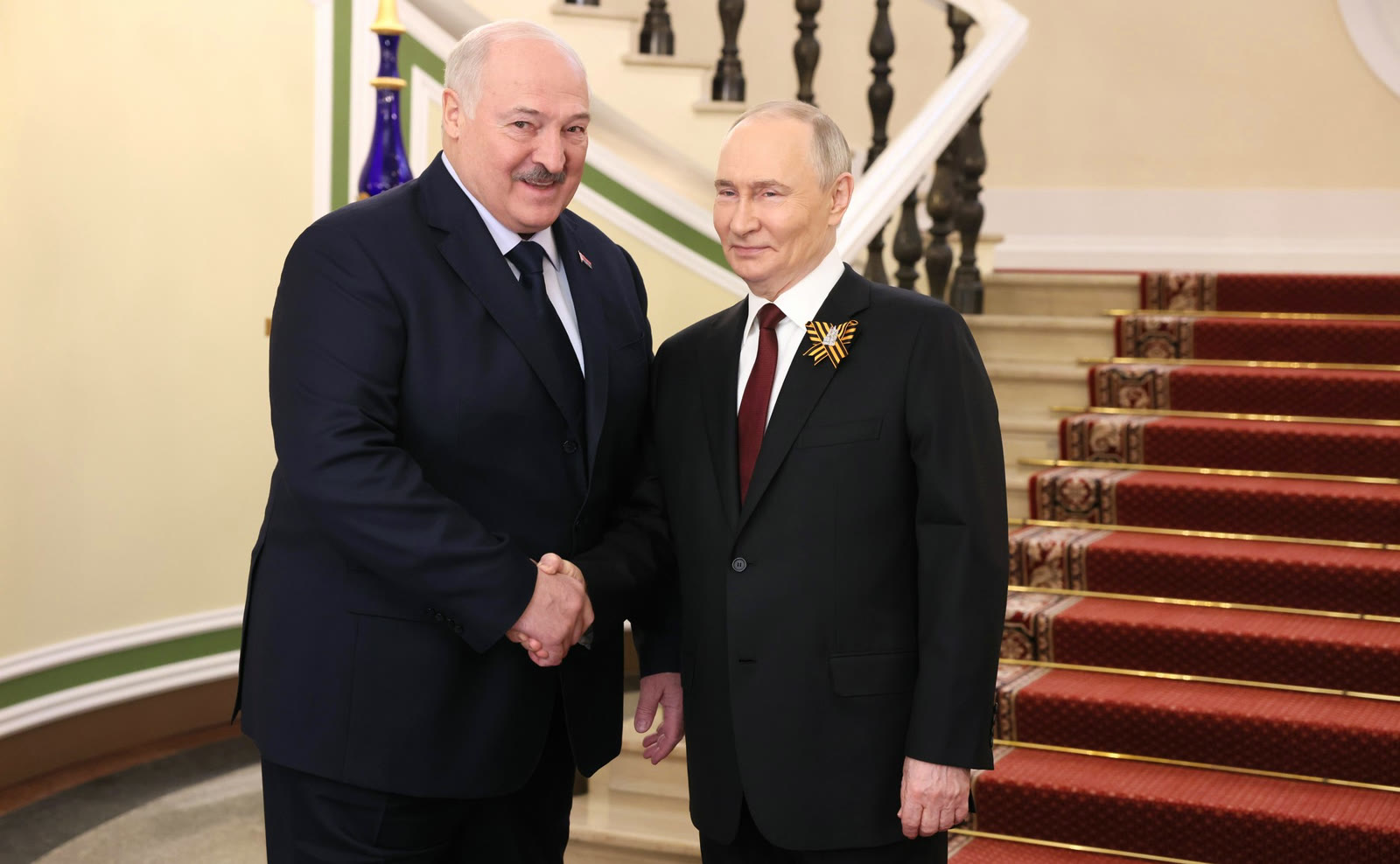
Economic and defense cooperation between Belarus and Russia
Lukashenko said competition in the global economy was intensifying and that states were moving to protect their own markets. He said countries with market economies also made use of various elements of state planning, citing Japan and the United States as examples of this approach.
Commenting on China’s economic rise, Lukashenko stressed the importance of preserving past experience and said Belarus had maintained its industrial and technological infrastructure inherited from the Soviet era. He argued that this approach had produced results in machine manufacturing, construction and agriculture.
Lukashenko said Belarus’s defense industry relied largely on Russia’s capabilities and stated that his country purchased weapons and defense industry products from Russia. He added that Belarus had also developed its own production capacity in some areas.
Lukashenko said the experience gained from the conflict between Russia and Ukraine was being assessed from a defense industry perspective. He said Belarus was ready to support the countries of the Eurasian Economic Union within its capabilities and stated that common interests would be protected.
Russia-Belarus cooperation in the face of sanctions
Lukashenko argued that economic integration between Belarus and Russia had helped them withstand sanctions. He said production relied not only on metals, parts and equipment obtained from Russia but also on resources from the countries of the Eurasian Economic Union.
Lukashenko said Belarus planned to raise its agricultural exports to $10 billion this year. He said technologies inherited from the Soviet era had been preserved and were being offered to other countries, adding that Belarus was seeking to develop economic ties not only with Russia but also with the Muslim world, Southeast Asia and African countries.
Lukashenko’s assessments of the United States and Ukraine
Lukashenko argued that U.S. President Donald Trump’s statements had made Western and U.S. policy more visible. He said Trump spoke directly on international issues instead of using diplomatic language. Lukashenko, who said he had previously supported Trump’s candidacy, also stated that he had openly criticized some steps taken by the U.S. administration.
Speaking about the conflict between Russia and Ukraine, Lukashenko said Belarus would maintain its common line with Russia. He said Belarus would stand with Russia in the decisions to be taken by Moscow and stated that Belarus would not act against Russia.
Lukashenko also said the Minsk administration would implement the agreements concluded with the countries of the Eurasian Economic Union. The Belarusian president said global developments could alter economic and political balances and reiterated that countries should preserve their existing opportunities for cooperation.