- BIST10011,722-2.89%
- USD49.42+0.06%
- EUR55.41+0.20%
- GOLD4,185.20+0.36%
- INTEREST37.00%-1.00
- BITCOIN81,530-0.73%
- October 16, 202612°
- BIST10011,722-2.89%
- USD49.42+0.06%
- EUR55.41+0.20%
- GOLD4,185.20+0.36%
- INTEREST37.00%-1.00
- BITCOIN81,530-0.73%
- October 16, 202612°
EU works on protocol for Russian hybrid attacks outside NATO’s Article 5
EU High Representative Kallas said work was under way on an emergency security protocol to address attacks that fall outside NATO’s Article 5, following a meeting of EU defense ministers in Brussels. The meeting also covered Europe’s defense preparedness, the Red Sea mission, Ukraine and operations targeting Russia’s shadow fleet.


Speaking after a meeting of EU defense ministers in Brussels, EU High Representative Kallas said they were working with the ministers on an “emergency security protocol” to address attacks that do not fall under NATO’s Article 5.
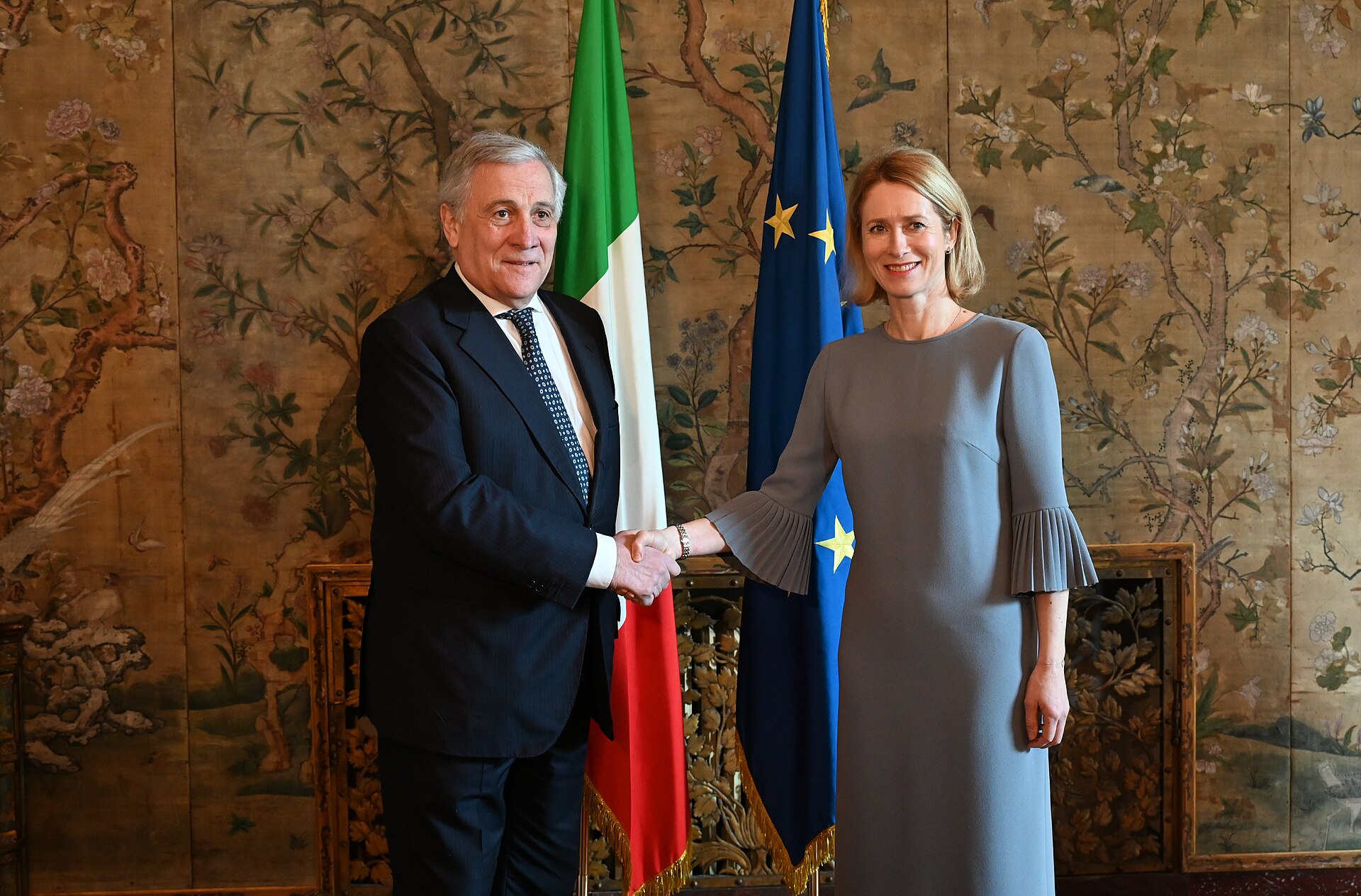
The planned mechanism aims to ensure joint coordination against “gray zone” attacks and enable the EU to respond more forcefully to Russia’s hybrid attacks. Kallas said the arrangement would not replace NATO and should be complementary to the alliance.
Kallas said it was still too early to say how the protocol would operate. She noted that the work should be carried out with EU member states as well as NATO Secretary General Mark Rutte.
The arrangement is expected to focus on steps EU countries could take in response to actions that do not constitute an armed attack and fall outside the scope of NATO’s Article 5. Kallas said many member states had stressed that the mechanism must be strictly complementary to NATO.
Kallas also said that EU Commission President Ursula von der Leyen had proposed such a protocol to enable the Union to mount a joint response if an EU country that is not a NATO member were subjected to a hybrid attack.
Call for faster progress on European defense
The meeting also addressed a report by the European Defence Agency on Europe’s defense preparedness. Kallas said Europe needed to move more quickly and effectively with its rearmament process to meet its 2030 defense targets.
Kallas said Europe needed greater scale and speed in defense investment, particularly in capability development, innovation and industrial capacity. She announced that a proposal for the European Defence Agency to take on a greater role in joint procurement and innovation had been accepted.
Navigation security in the Black Sea and Red Sea
Kallas said they had also discussed freedom of navigation with the ministers, stressing that the consequences of disruptions in the Strait of Hormuz, the Bab el-Mandeb Strait and the Black Sea extended beyond the regions concerned.
Kallas said two EU countries were preparing to provide additional support to the Union’s Aspides mission in the Red Sea, and recalled that the mission was not a mine-clearance operation. She said there was a need for frigates, air-defense support and vessels capable of escorting commercial ships.
Defense and training decisions for Ukraine
Kallas recalled that funding had been approved to enable Ukraine to purchase U.S.-made PAC-3 missiles used in Patriot air-defense systems. Noting that production takes a long time, Kallas indicated that EU countries could send missiles from their own stocks to Kyiv.
Kallas said agreement had been reached in the first phase of a strategic review aimed at extending by two years the mandate of the EU’s Military Assistance Mission, which provides training and advice to Ukrainian soldiers. She said a coordination unit would be established in Kyiv to strengthen military training.
Kallas said progress had also been made on financing the modernization of two military training centers in Ukraine. She said operations against the “shadow fleet” needed to continue in coordination to reduce Russia’s ability to finance the war.
Kallas said the EU’s IRINI maritime operation in the Mediterranean had carried out boarding operations in recent months against six vessels identified as belonging to the shadow fleet. She added that she had received information from German Foreign Minister Johann Wadephul about his meeting with Russian Foreign Minister Sergey Lavrov.
Kallas alleged that Lavrov made sarcastic remarks after the meeting. She argued that this showed Russia was not interested in peace.
Stay Updated with RuskiGazeta
Subscribe to be informed about special news, developments and announcements. We will keep you informed.
By signing up, you agree to our Privacy Policy