- BIST10011,680-1.00%
- USD49.58+0.05%
- EUR55.62+0.09%
- GOLD4,156.00+0.32%
- INTEREST37.00%-1.00
- BITCOIN83,766+1.00%
- October 21, 202621°
- BIST10011,680-1.00%
- USD49.58+0.05%
- EUR55.62+0.09%
- GOLD4,156.00+0.32%
- INTEREST37.00%-1.00
- BITCOIN83,766+1.00%
- October 21, 202621°
Armenia’s EU pivot could put EAEU trade and energy costs at risk
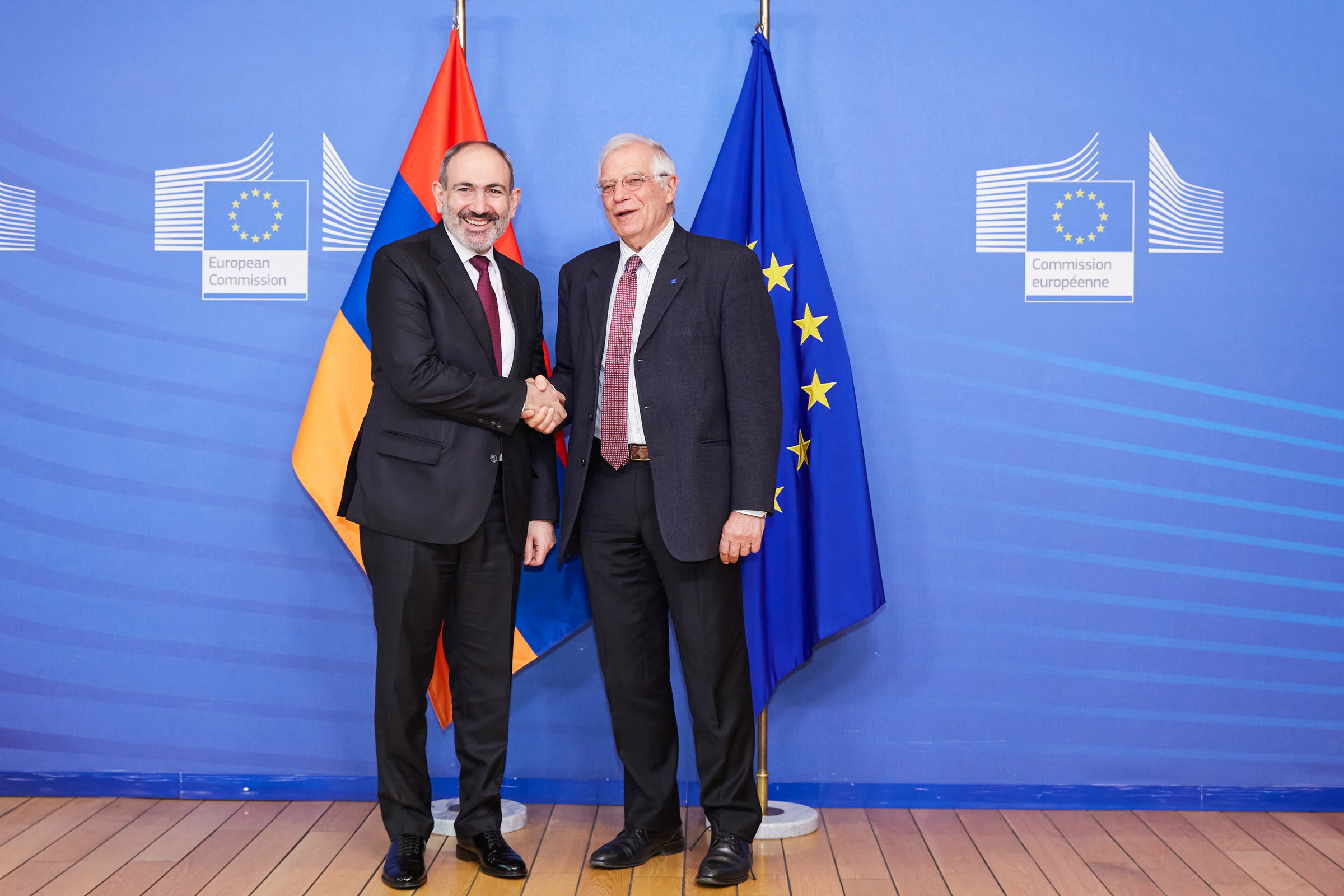
Armenia’s push to join the European Union could conflict with its membership in the Eurasian Economic Union. Suspending EAEU membership could cut exports by 65.8 percent and raise the cost of natural gas imports by 69 percent.


Armenia’s move toward the European Union could create economic risks for its position within the Eurasian Economic Union. Suspending Yerevan’s EAEU membership could bring significant changes to trade, energy, customs procedures and the labor market.
EU and EAEU membership may not be compatible
Differences between the European Union’s and the Eurasian Economic Union’s customs rules and membership obligations could prevent Armenia from belonging to both organizations at the same time.
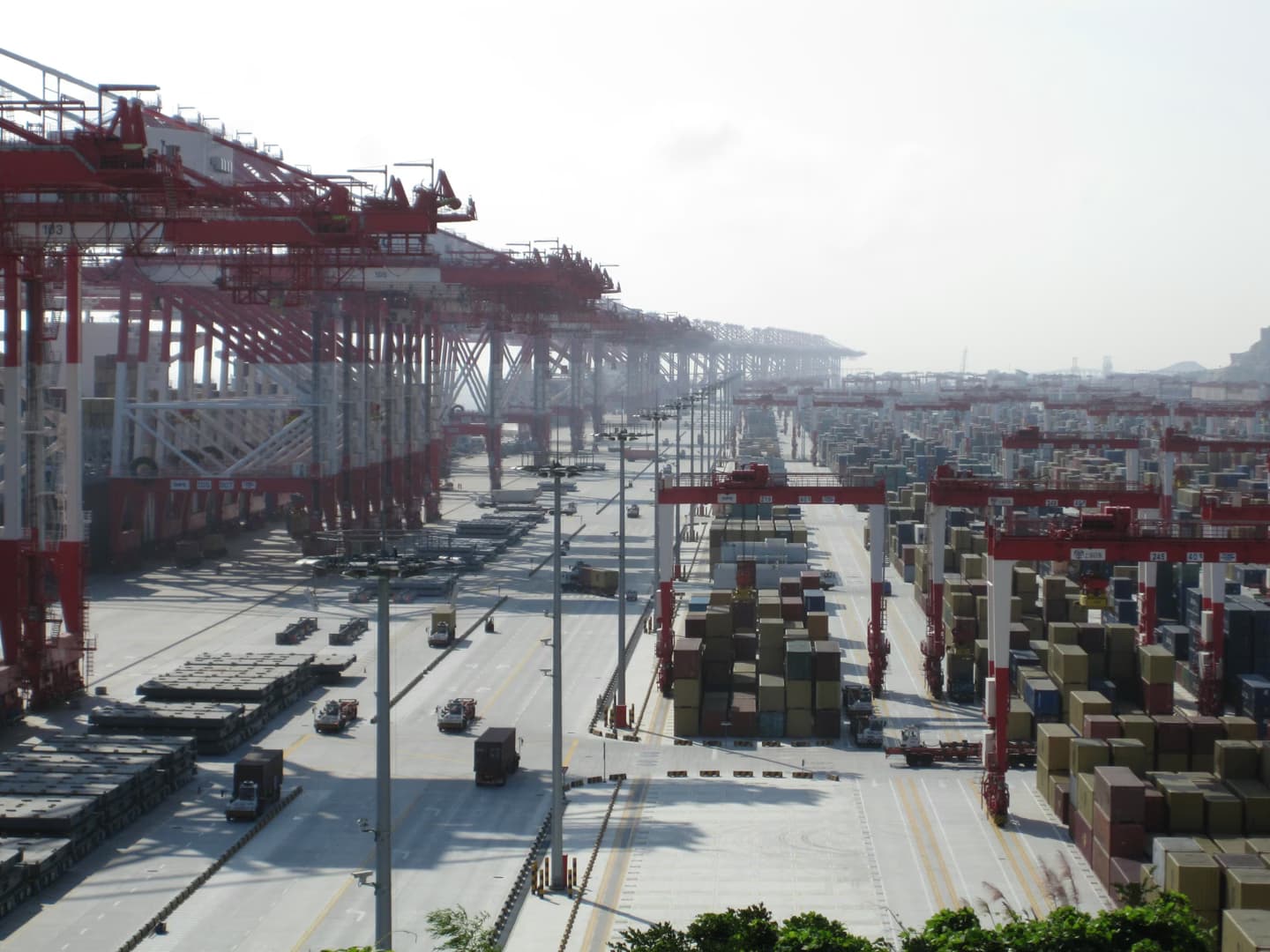
Armenia’s trade with EAEU countries totaled $7.99 billion in 2025. This accounted for 37.8 percent of the country’s total foreign trade.
Exports and natural gas costs could rise
Under a scenario in which EAEU membership is suspended, Armenia’s goods exports to the union’s member countries could fall by 65.8 percent, or approximately $2.1 billion.
The annual cost of natural gas imports could also rise from $389 million to $657.5 million. The increase could reach 69 percent.
Under this scenario, customs duties and inspections could be reintroduced, while comprehensive sanitary, phytosanitary and veterinary checks could be imposed on products from Armenia.
Armenian labor force in Russia could be affected
The end of the employment facilities provided under the EAEU could revive the requirement for Armenian citizens to obtain work permits or patents. The application of quotas for employing foreign workers could also reduce remittances sent to Armenia.
Approximately 126,900 Armenian citizens worked in other EAEU member countries in 2025. Of these, 124,600 were in Russia.
Report to be presented at council meeting in December 2026
The study was prepared on the basis of a joint statement issued by the leaders of Russia, Belarus, Kazakhstan and Kyrgyzstan on May 29, 2026. The report is expected to be presented at the Supreme Eurasian Economic Council meeting planned for December 2026.
Source: Anadolu Ajansı
Have a story, event or announcement of your own?Send us your news on WhatsApp
Spotted an error in this story?Report it on WhatsApp
Share on all social platforms
Sponsored Ads
Featured Listings
Loading featured properties...
Stay Updated with RuskiGazeta
Subscribe to be informed about special news, developments and announcements. We will keep you informed.
By signing up, you agree to our Privacy Policy