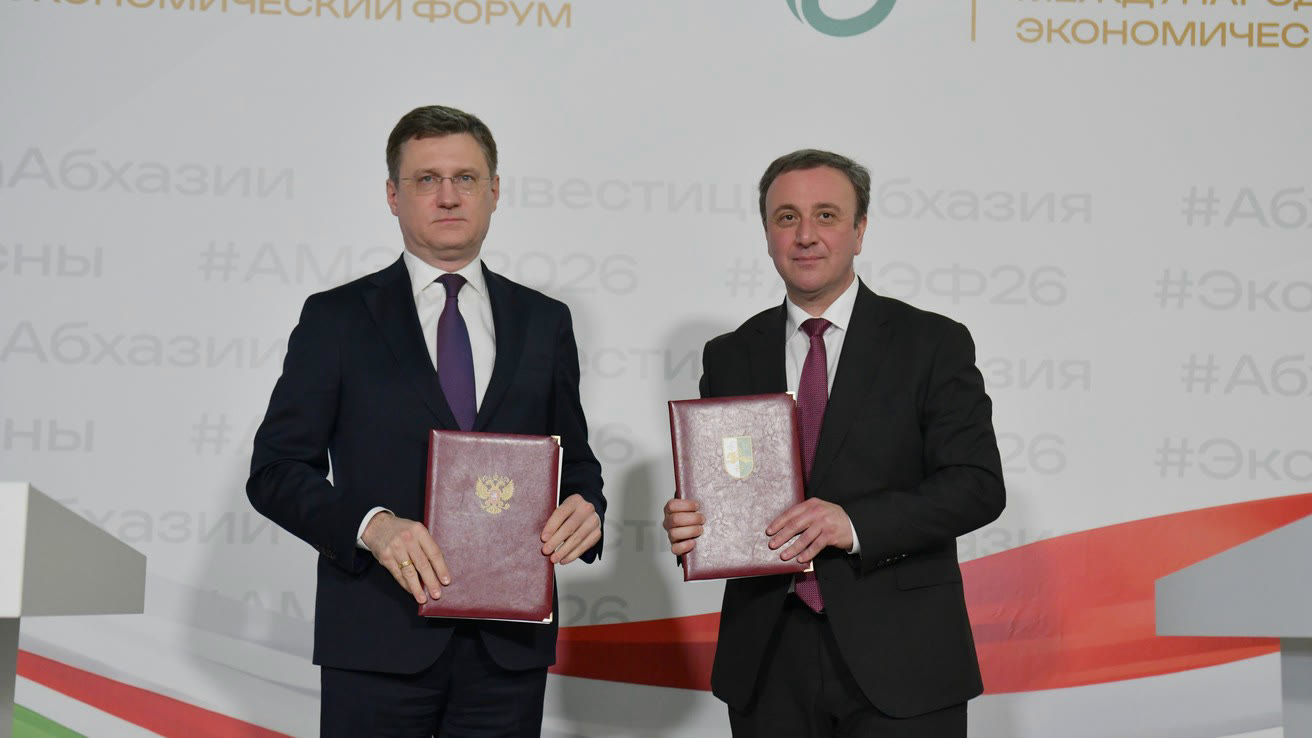
Russian Deputy Prime Minister Alexander Novak announced that supply in the country’s diesel fuel market had stabilized and that sufficient fuel was available for domestic consumption. Speaking at a government session at the Federation Council on October 2, Novak discussed the state of the fuel market, refinery operations and fuel deliveries to the regions.
Novak said the government had taken the necessary steps to secure domestic supplies of gasoline, diesel and other petroleum products, adding that the diesel fuel market was currently in balance.
Excess production required for diesel exports
Novak said the partial resumption of exports could be considered if diesel production increased and supplies exceeded domestic demand.
Novak said export restrictions had been introduced to prioritize the domestic market and build sufficient reserves, adding that diesel shipments abroad could resume once domestic stocks reached the required level.
Gasoline restrictions remain temporary
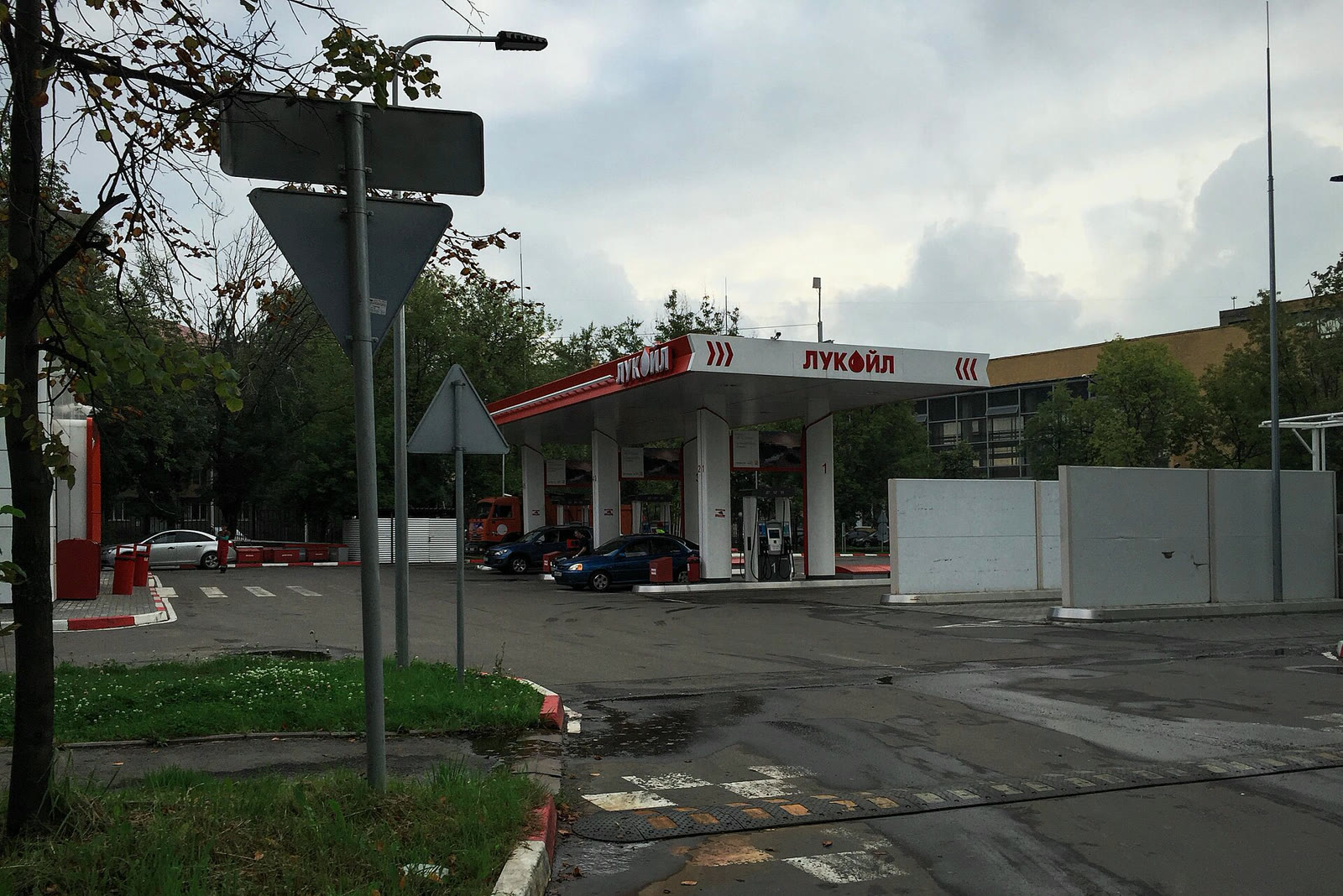
Novak said restrictions on gasoline exports were temporary and that Russia’s refinery capacity under normal conditions allowed it to produce approximately 10 percent more than domestic demand.
Novak said the restrictions had been imposed following increased demand and unplanned shutdowns at some refineries.
Refineries inspected after drone attacks
According to Novak’s statements, four oil refineries in Russia were targeted by unmanned aerial vehicles on the night of October 2, and the attacks were repelled. At that stage, possible damage was being assessed at only one facility.
Novak said significant progress had recently been made in protecting refineries, adding that passive protection measures had been established at the facilities against existing threats and that active protection through air defense units had been strengthened.
Novak said oil companies had been able to bring damaged equipment back into operation more quickly and that the government was considering additional support measures for refineries. He added that, if deemed necessary, the implementation dates of some modernization programs could be postponed.
Restoring refinery capacity is the priority
Novak said the priority was to restore refinery capacity and damaged equipment to working order. He added that modernization programs would continue once refinery operations had been stabilized.
Novak announced that supplies of petroleum products to Russia’s remote and northern regions had been fully secured, adding that particular attention was being paid to shipments made before the short sea-shipping season for delivering fuel to some regions came to an end.
Novak said imported petroleum products were also being used to maintain balance in the domestic market, adding that companies were bringing in fuel from abroad to sustain the necessary supply. He said this method was temporary and that once domestic production reached a sufficient level, the domestic market would rely primarily on fuel produced within the country, with exports potentially resuming if a surplus emerged.