- BIST10011,483+1.32%
- USD50.07+0.05%
- EUR55.96-0.52%
- GOLD4,120.00+1.11%
- INTEREST36.00%-1.00
- BITCOIN74,273-0.60%
- November 9, 20264°
- BIST10011,483+1.32%
- USD50.07+0.05%
- EUR55.96-0.52%
- GOLD4,120.00+1.11%
- INTEREST36.00%-1.00
- BITCOIN74,273-0.60%
- November 9, 20264°
Vance's vote could decide Senate as US midterm polls show Democratic leads
On November 3, Americans will elect all members of the House of Representatives and 35 senators. Polling averages show Democrats leading in both chambers, but Republicans need to win just five of eight toss-up races to control the Senate.
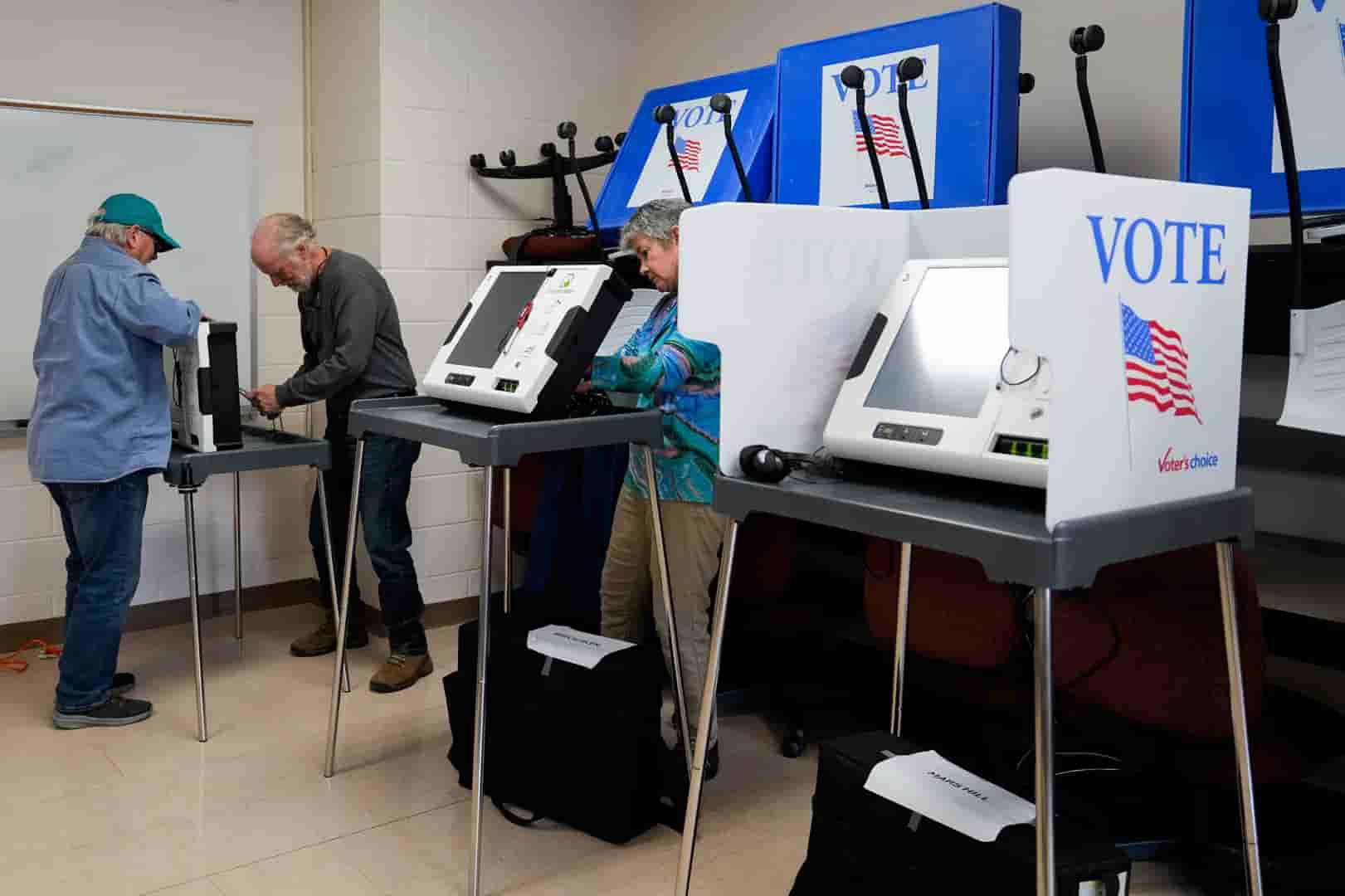
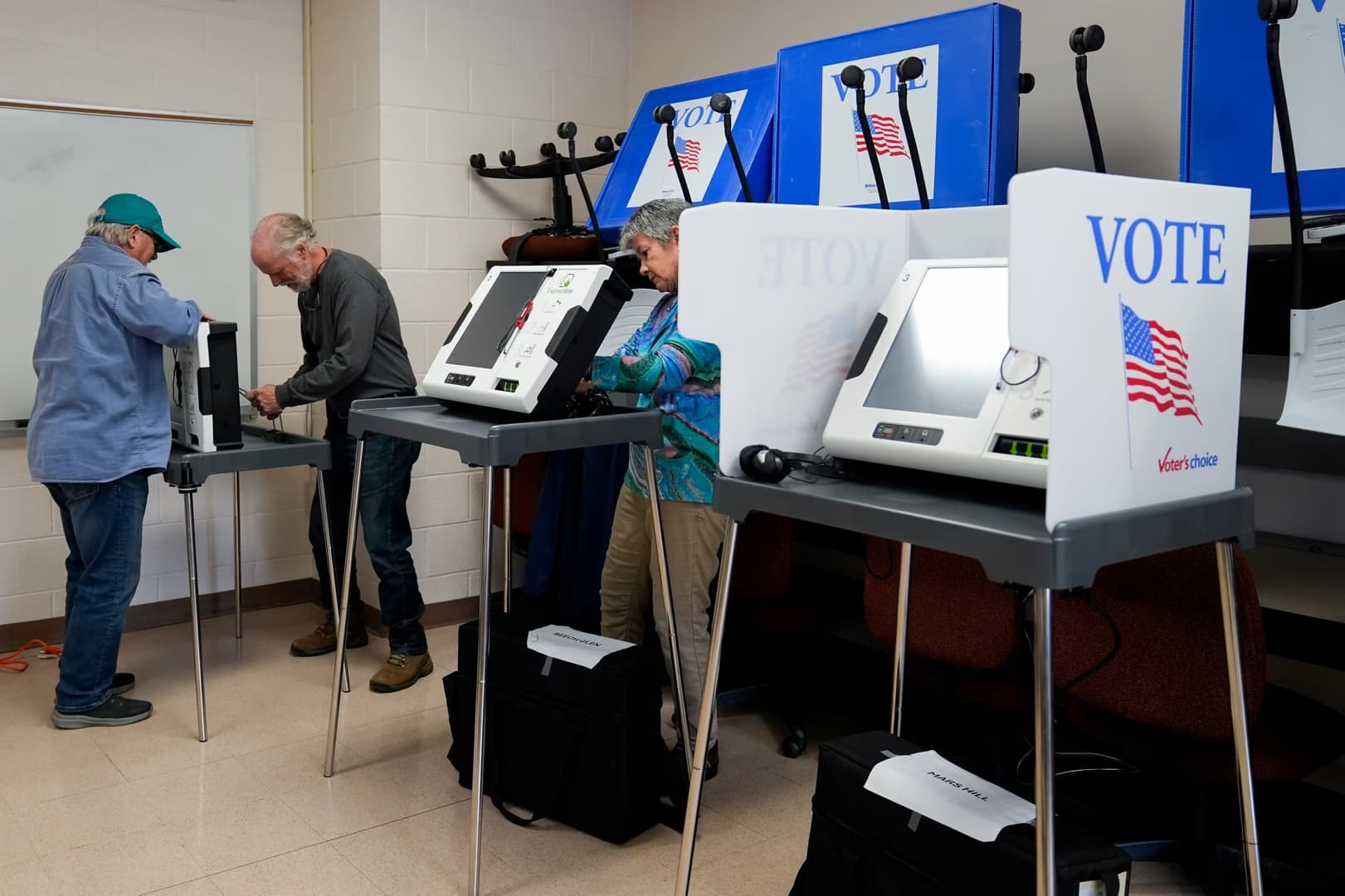
Midterm elections for the US Congress will take place on November 3, with voters electing all 435 members of the House of Representatives and 35 of the 100 senators. This will be the first major test for President Donald Trump during his second term.
Senate: eight states will decide the outcome
According to Real Clear Politics, which averages national and regional polls, Democrats can count on 47 Senate seats and Republicans on 45. Candidates are tied in eight other states, with Republicans holding a narrow lead in seven and Democrats in just one.
If Republicans win at least five of these eight races, they will secure 50 seats. If the Senate is split 50-50, Vice President JD Vance's vote will be decisive; under the law, he presides over the Senate and may vote in favor of his party. Republicans currently hold 53 Senate seats, while Democrats have 45, and two independent senators usually vote with the Democrats.
House of Representatives: Democrats hold the advantage
A majority in the lower chamber requires 218 seats. Real Clear Politics projects that Democrats could win 227 seats and Republicans 182, while races in 26 districts remain virtually tied. Republicans currently hold 218 seats in the chamber, compared with 214 for Democrats.
Early voting turnout is high: according to the University of Florida Election Lab, Americans have already cast more than 21 million ballots in person and by mail. The first polling stations will close during the night of November 4 Moscow time.
Photo: AP
Stay Updated with RuskiGazeta
Subscribe to be informed about special news, developments and announcements. We will keep you informed.
By signing up, you agree to our Privacy Policy