- BIST10011,483+1.32%
- USD50.07+0.05%
- EUR55.96-0.52%
- GOLD4,120.00+1.11%
- INTEREST36.00%-1.00
- BITCOIN74,273-0.60%
- November 9, 20264°
- BIST10011,483+1.32%
- USD50.07+0.05%
- EUR55.96-0.52%
- GOLD4,120.00+1.11%
- INTEREST36.00%-1.00
- BITCOIN74,273-0.60%
- November 9, 20264°
Congress challenges White House as Schumer seeks to stop Iran war
Chuck Schumer, who will lead the Democratic majority in the Senate in January, vowed to end the war with Iran using the “power of the purse”: Trump can veto a war powers resolution, while the Pentagon will receive no money without congressional approval.
RuskiGazeta Editorial DeskUpdated:
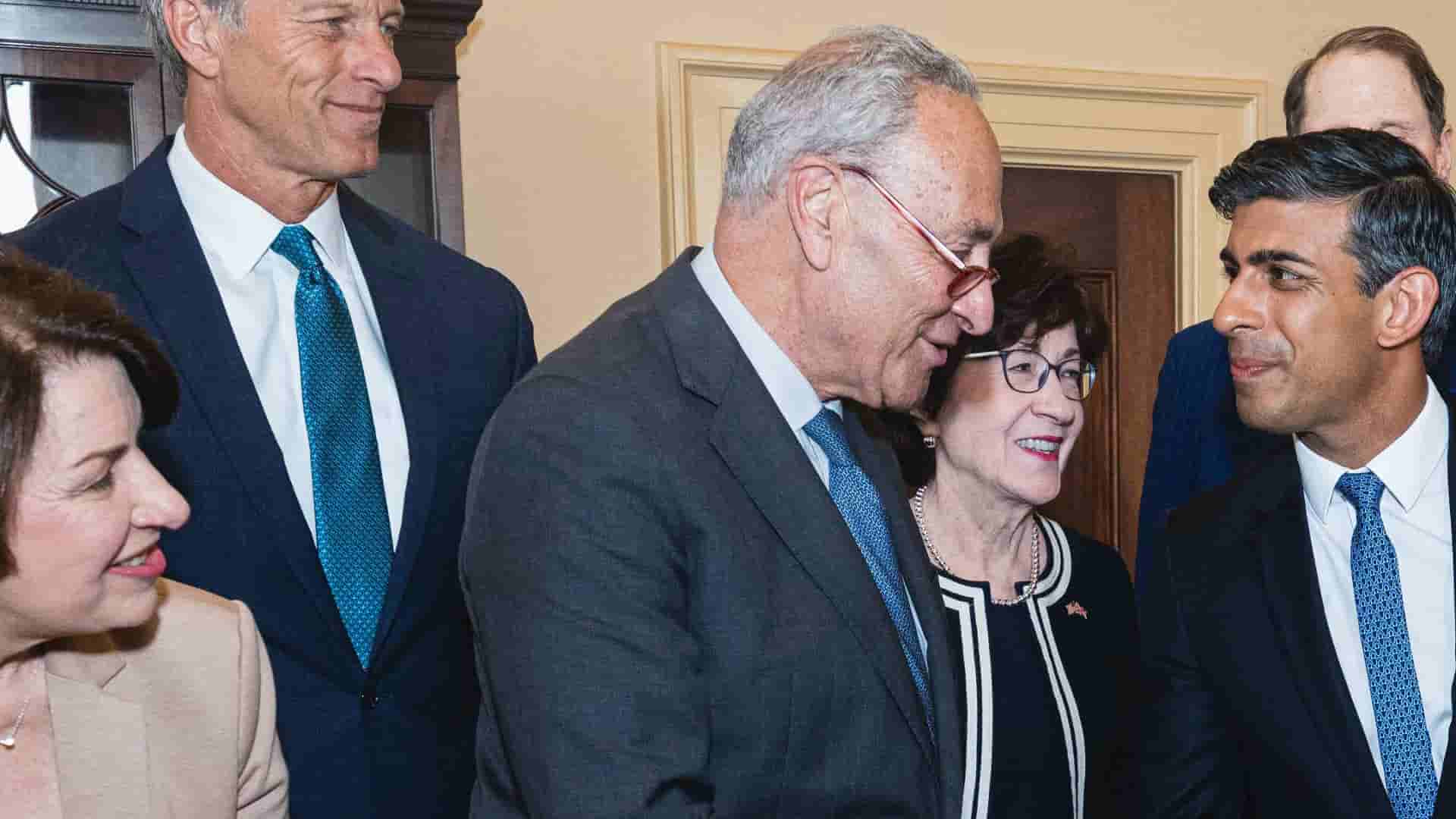
Democrats’ main weapon in their dispute with the White House over the war with Iran will be money, not new resolutions. Chuck Schumer, the Democratic leader in the U.S. Senate, sent that signal on November 4 at a press conference at the headquarters of the Democratic Senatorial Campaign Committee (DSCC) in Washington — a day after his party won majorities in both chambers of Congress. In January, when the new Congress convenes, Schumer is expected to replace Republican John Thune as Senate majority leader.
“We will end the war,” Schumer vowed. He said that “some Republicans have already joined us” and that the founders gave Congress the “power of the purse” as one way to restrain a president waging war without the consent of the American people. Americans, he added, “have no idea what the hell we are fighting for in Iran.”

Why not another resolution?
The choice of instrument is explained by the numbers. Even if the Senate passes a binding war powers resolution, Trump can veto it, and Democrats do not have the two-thirds majority needed to override the veto, The Hill notes. The budget is different: without congressional approval, the Pentagon will receive no money. According to the publication, Schumer also threatened to cut funding for the Defense Department if necessary to end the war more quickly.
Democrats already have leverage. Nearly $70 billion in emergency Pentagon funding requested by the White House in June has yet to be approved because of their opposition, and the annual defense appropriations bill has also stalled, The Hill reported. In July, Senate Democrats also blocked the annual National Defense Authorization Act (NDAA), worth about $1 trillion: 50 votes in favor and 46 against were not enough to advance the bill. Schumer said at the time that the NDAA “cannot become authorization for the recklessness we are seeing in Iran,” AP reported. Senator Brian Schatz, who will become the Democrats’ Senate whip, warned that bipartisan defense bills would be difficult to pass as long as the war continues.
Four Republicans are already siding with Democrats
Schumer did not name the Republicans he had in mind. Four Republican senators joined Democrats in advancing the latest war powers resolution on Iran: Thom Tillis, Susan Collins, Lisa Murkowski and Rand Paul. Bill Cassidy supported the June resolution but voted against it in September. Collins lost the election and, along with Cassidy, will leave the Senate at the end of the current Congress.

The war began on February 28 with U.S. and Israeli strikes on Iran, without Congress authorizing it. After the April ceasefire, hostilities resumed in July. Discontent over the war and rising fuel prices cost Republicans their majority — Vice President J.D. Vance acknowledged this as well: “We lost because of the war.” Trump called the war justified that same day and said it would end “when I want it to.”
Trump, however, remains president until January 2029 and retains veto power, Anadolu Agency notes. Therefore, judging by Schumer’s remarks, the main fight to end the war will shift from votes on resolutions to the budget process.
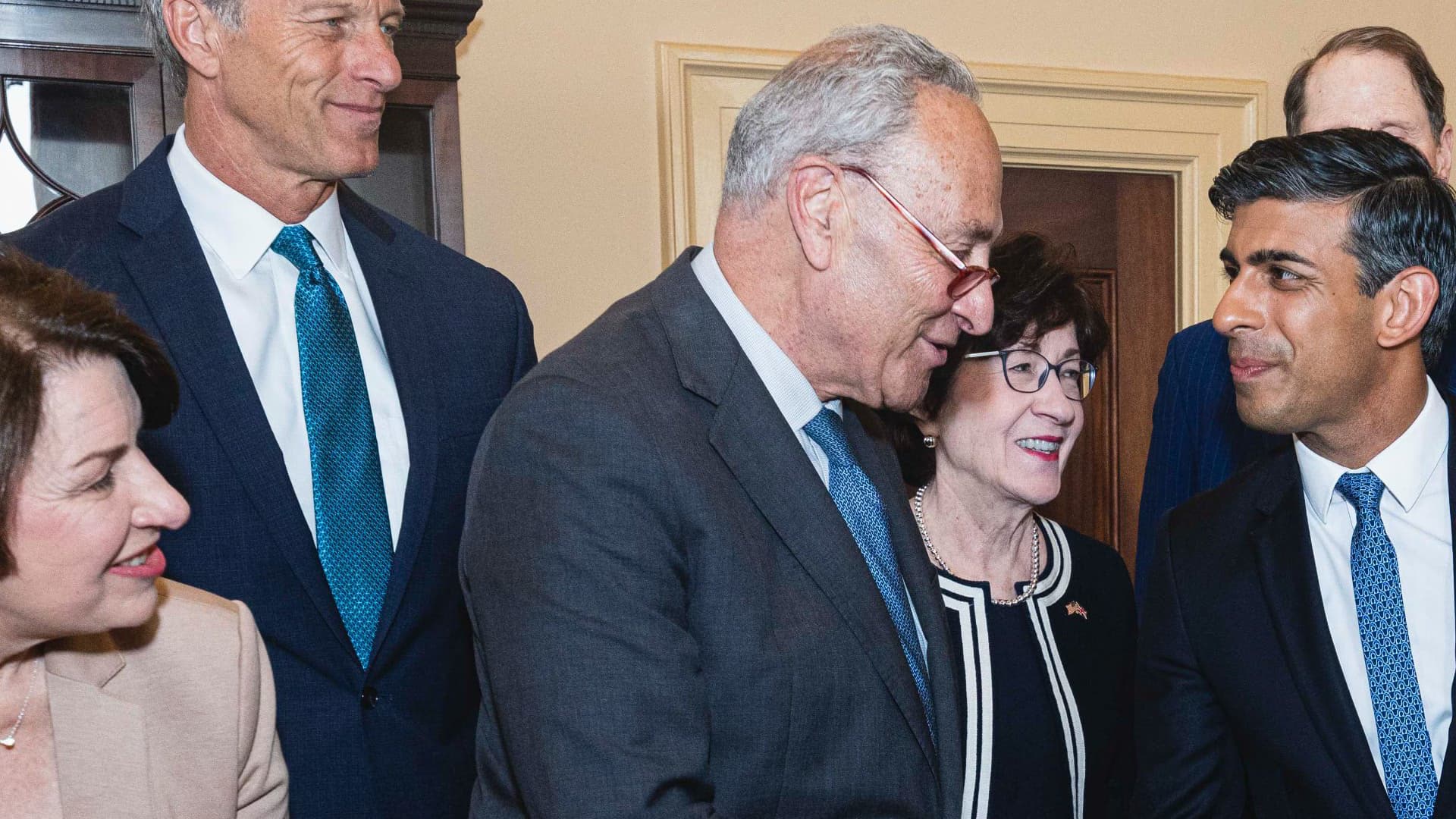
Cover photo: Office of Senator Chuck Schumer / Wikimedia Commons (archive, 2023). Footage: Video recording of the November 4 press conference, DRM News
Stay Updated with RuskiGazeta
Subscribe to be informed about special news, developments and announcements. We will keep you informed.
By signing up, you agree to our Privacy Policy