- BIST10011,483+1.32%
- USD50.07+0.05%
- EUR55.96-0.52%
- GOLD4,120.00+1.11%
- INTEREST36.00%-1.00
- BITCOIN74,273-0.60%
- November 9, 20264°
- BIST10011,483+1.32%
- USD50.07+0.05%
- EUR55.96-0.52%
- GOLD4,120.00+1.11%
- INTEREST36.00%-1.00
- BITCOIN74,273-0.60%
- November 9, 20264°
Unknown attackers set Swedish supermarket freezers to +50°C
The director of an ICA supermarket in Sjöbo said unknown attackers remotely reset the display cases overnight, causing them to blow warm air and forcing hundreds of thousands of kronor worth of food to be discarded. Stores operated by Coop were also affected, while the same overnight attack reached Belgium, Luxembourg and several other European countries.
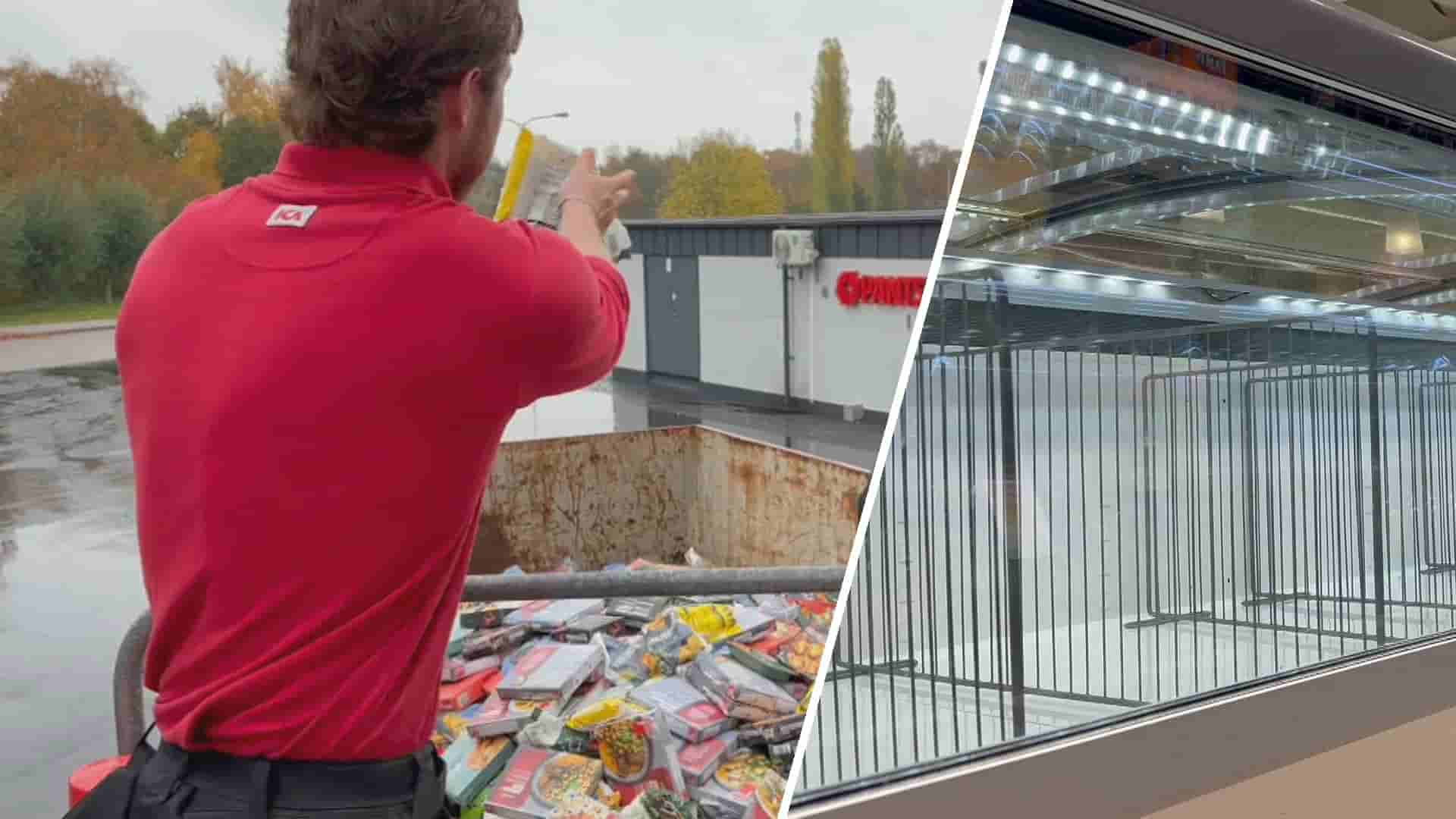
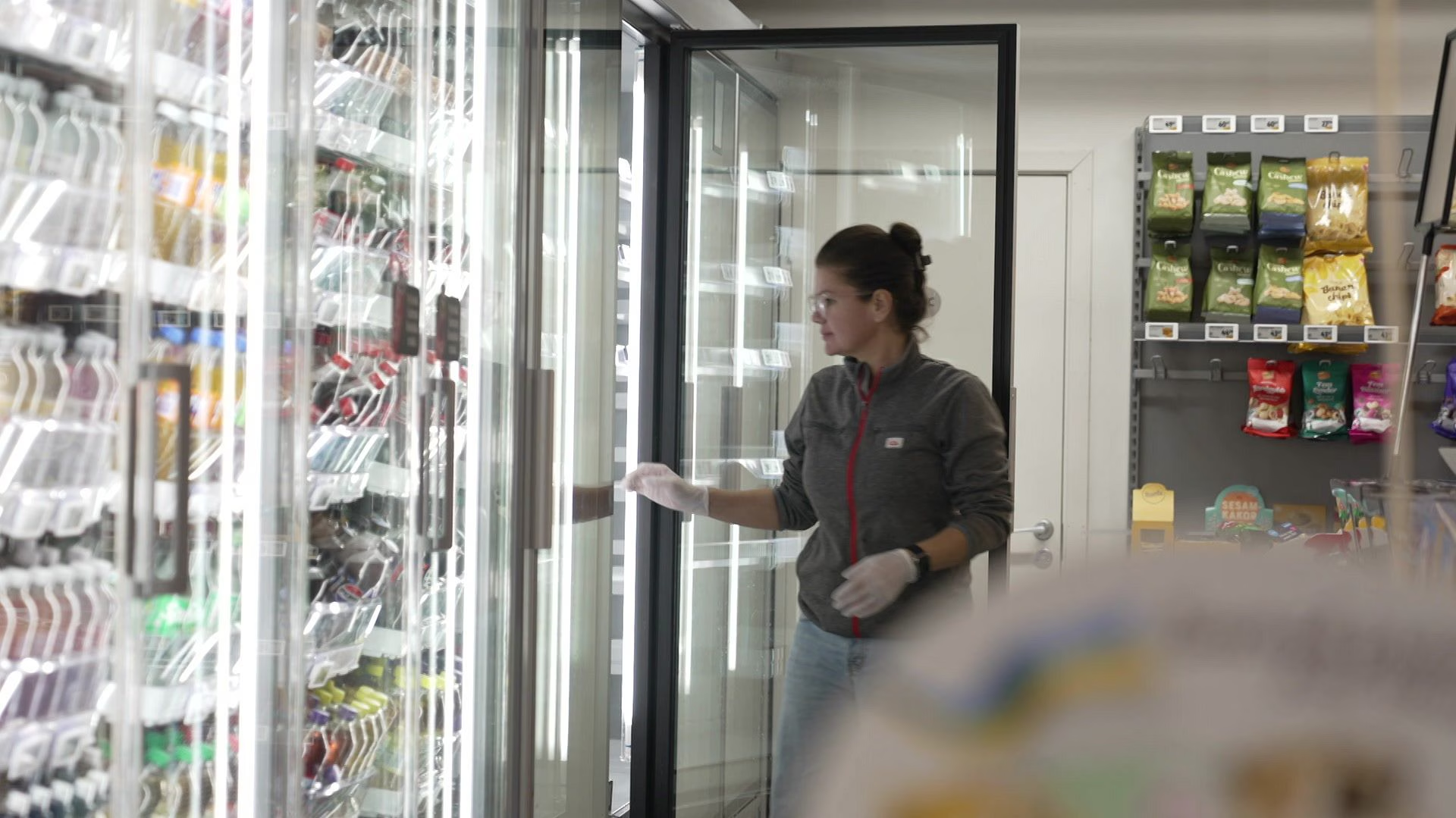
Monday morning at the ICA Kvantum supermarket in the small southern Swedish town of Sjöbo began with empty display cases. Overnight, someone remotely changed the settings of the refrigeration equipment, and the freezers' thermostats were set to plus 50 degrees, according to store employees.
“We cannot regulate the temperature or change it. Warm air is blowing into the freezers. Everything is ruined,” store director Rikard Nilsson told Aftonbladet. Food worth hundreds of thousands of kronor had to be discarded. In an interview with Sveriges Radio, Nilsson called what happened terrorism.
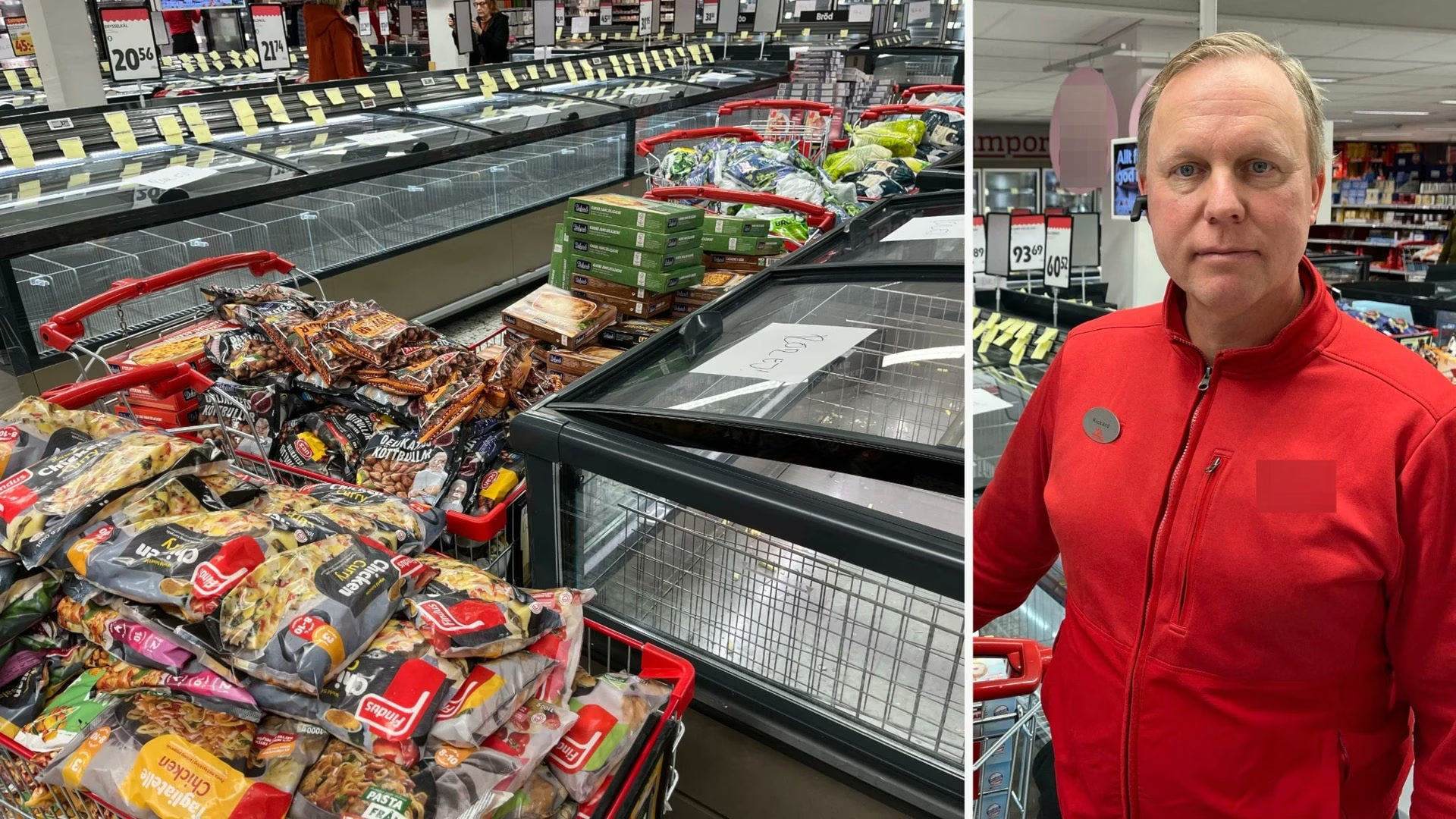
ICA and Coop assess their losses
Sjöbo was not the only affected location. Stores in the nearby towns of Tomelilla, Sankt Olof, Brösarp and Hammenhög reported problems with refrigerators and freezers. The ICA chain confirmed that a “limited number” of its stores had been affected but did not officially call the incident a cyberattack. Rival chain Coop told the TT news agency that six of its stores in central Sweden had experienced problems.
Swedish regulations require frozen food to be stored below minus 18 degrees, so anything that thawed can no longer be sold. Cybersecurity specialist Emil Olofsson said the hack required no special preparation and could well have been carried out by amateurs.
Second wave after France
Similar disruptions occurred in Belgium and Luxembourg that same night. Belgian chain Delhaize confirmed that about 40 stores were affected and immediately disconnected its refrigeration systems from the internet, while Belgium’s federal prosecutor’s office opened an investigation. Euronews reported that 13 SuperValu stores in Ireland and a Selver supermarket in Estonia were also affected. In the Netherlands, a representative of Danish manufacturer Danfoss said the systems of at least 17 companies had been attacked.
This is Europe’s second similar incident in a month. On the night of October 12, hackers reached the refrigeration systems of around 700 supermarkets in France, according to the French government: the equipment was switched to defrost mode, the alarms did not activate, and the temperature reached nearly 50 degrees after about six hours. The Paris prosecutor’s office opened a cybercrime investigation. It has still not been established who was behind either attack.
Photos: SVT; Sveriges Radio
Stay Updated with RuskiGazeta
Subscribe to be informed about special news, developments and announcements. We will keep you informed.
By signing up, you agree to our Privacy Policy