- BIST10011,483+1.32%
- USD50.07+0.05%
- EUR55.96-0.52%
- GOLD4,120.90+1.13%
- INTEREST36.00%-1.00
- BITCOIN74,058-0.89%
- November 9, 20264°
- BIST10011,483+1.32%
- USD50.07+0.05%
- EUR55.96-0.52%
- GOLD4,120.90+1.13%
- INTEREST36.00%-1.00
- BITCOIN74,058-0.89%
- November 9, 20264°
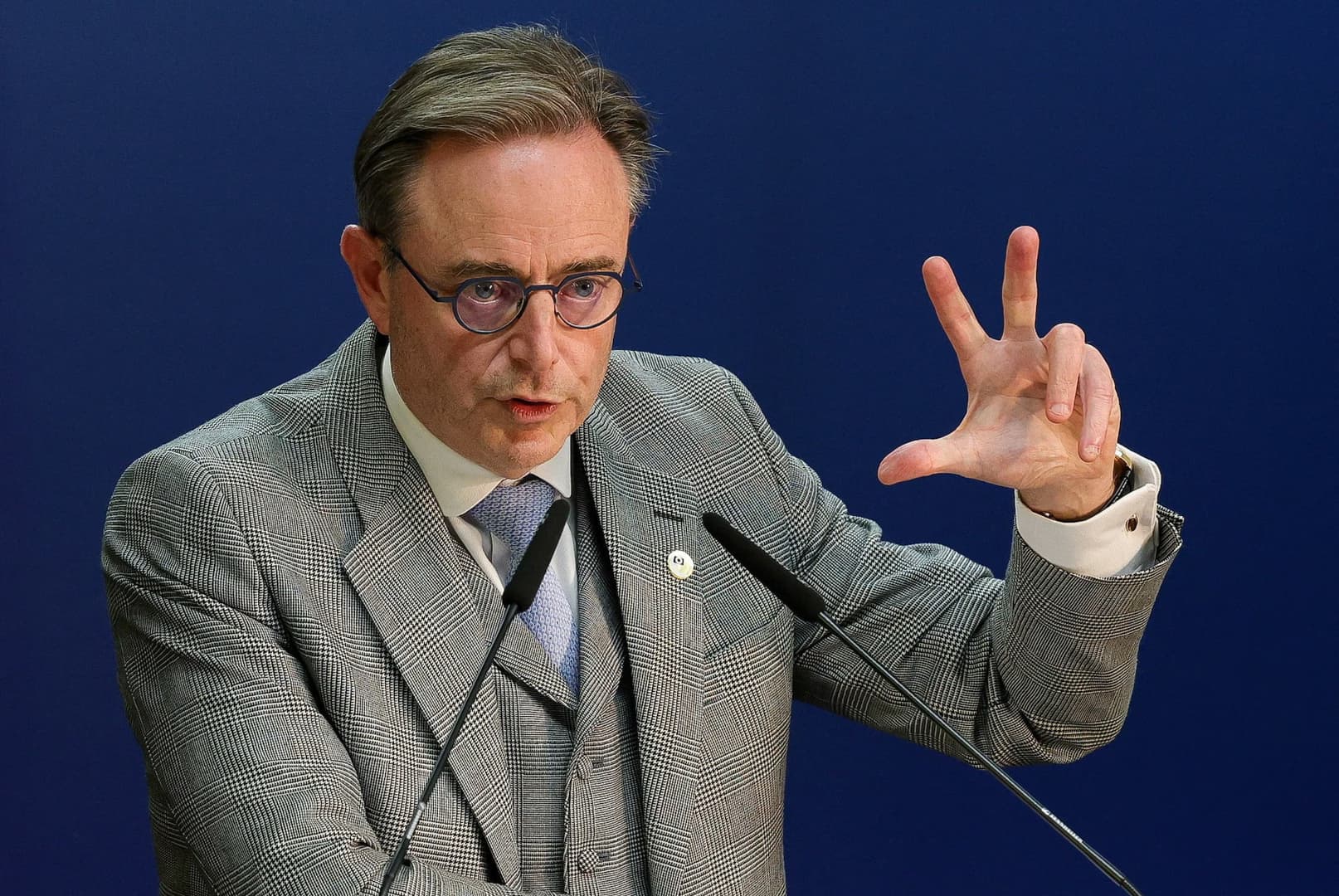
Belgium’s king rejects De Wever resignation as Arizona parties offer concessions
King Philippe refused to accept Prime Minister Bart De Wever’s resignation and demanded the immediate resumption of budget talks. The leaders of the coalition’s five parties formally committed to making concessions, while the prime minister will return to the palace with a report on November 16.

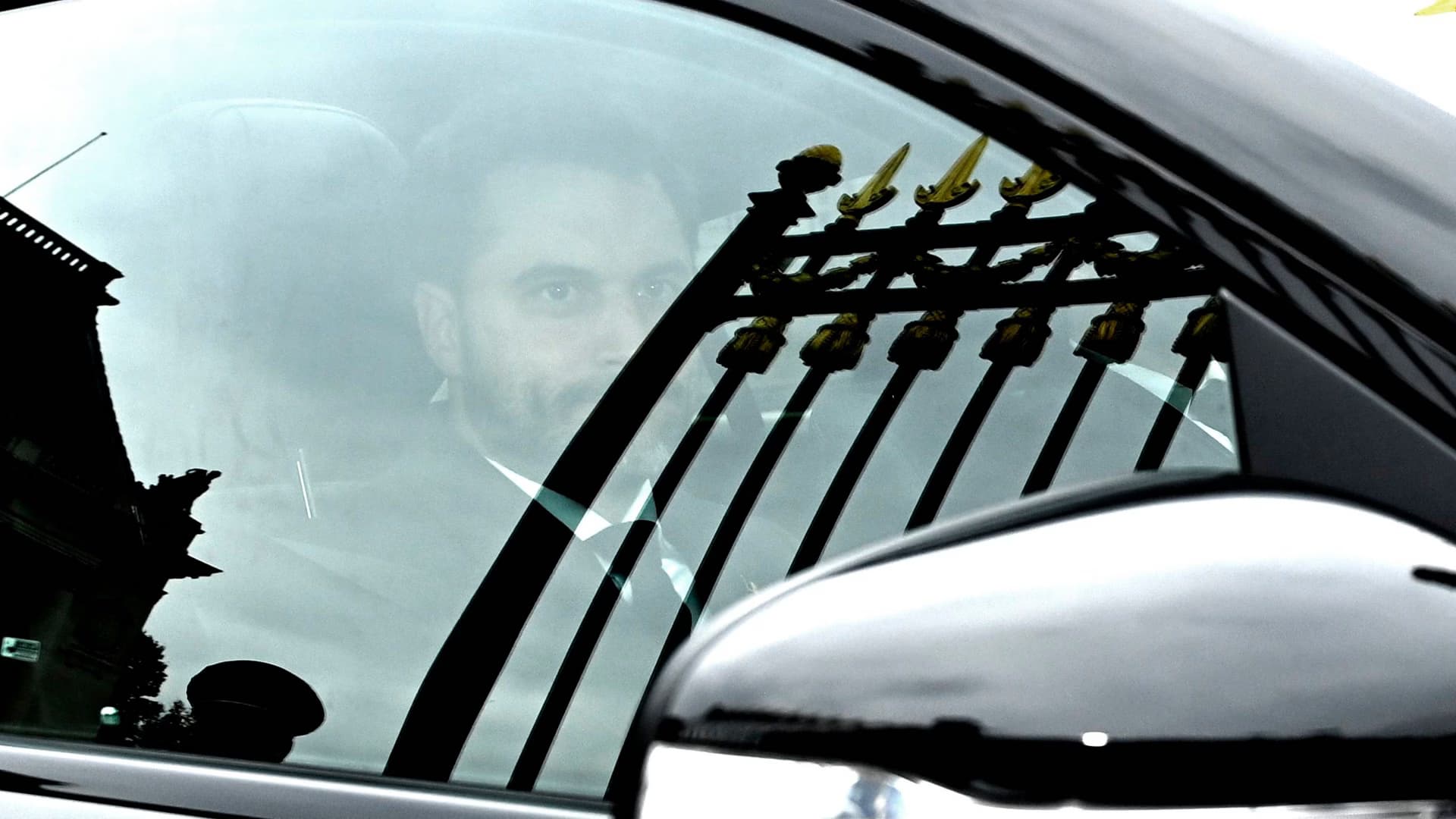
Belgium’s coalition, which has been unable to agree for several weeks on how to find 10 billion euros, has been given another chance. On Friday, November 6, King Philippe rejected Prime Minister Bart De Wever’s resignation and instructed him to immediately resume budget talks, the Royal Palace said. The prime minister will report to the monarch on the progress of the work again on November 16.
De Wever, leader of the Flemish nationalists from the N-VA party, resigned on November 2 after the five-party government failed to agree on the 2027 budget. The king postponed his decision and met the majority party leaders one by one throughout the week. On Wednesday, November 4, MR leader Georges-Louis Bouchez and Vooruit chairman Conner Rousseau came to the palace.
What the parties promised the king
Following the consultations, all five leaders confirmed their intention to agree on a “sound budgetary trajectory” for the next three years, the palace said in a statement. They also gave the king a “formal commitment” that their parties were ready to make concessions to reach an agreement within the government. The monarch stressed the need to find a “fair balance” between preserving social cohesion and stimulating economic growth.
As VRT noted, this formula was aimed primarily at the two parties furthest apart: the Flemish socialists of Vooruit and the French-speaking liberals of the Reform Movement (MR). The broadcaster reported that the king also established that none of the governing parties currently wanted early elections.
The arithmetic of Arizona
The coalition is called “Arizona” because the colors of its five parties match the flag of the U.S. state. The government began work in February 2025 and has been divided into two camps from the outset. The right-wing N-VA and MR oppose new taxes, while Vooruit, the Flemish Christian Democrats of CD&V and the centrist Les Engagés demand a larger contribution from those with the “broadest shoulders,” meaning the wealthiest.
The coalition’s margin for error is small. According to calculations by The Brussels Times, MR has 18 seats in parliament, making it the second-largest party in the majority, while Vooruit has 13. If Vooruit were replaced by the Flemish liberals of Anders, with their eight lawmakers, the government would have only a fragile majority. French-speaking Socialist leader Paul Magnette said his party would not “save a dying government.”
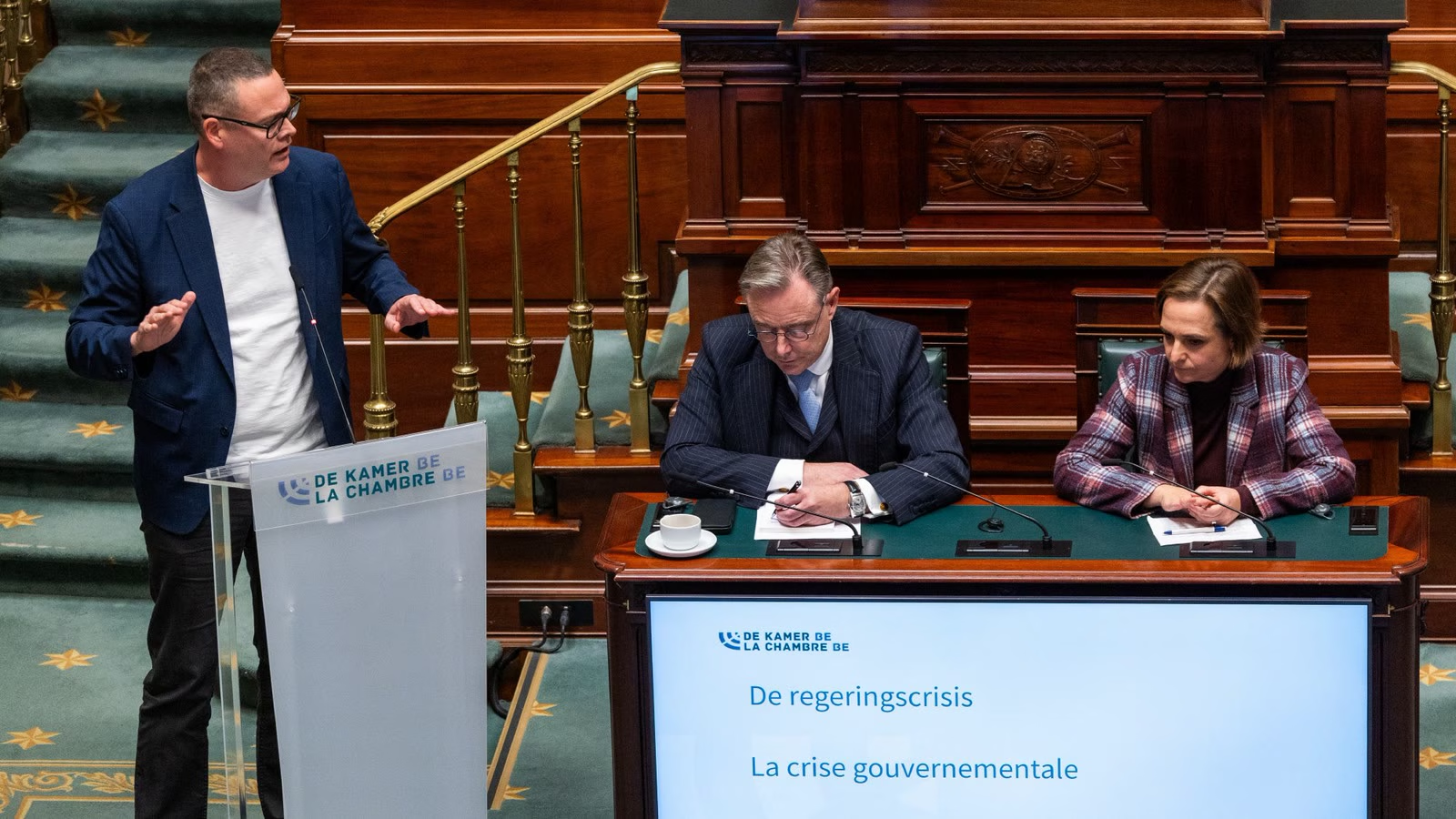
On Thursday, November 5, De Wever acknowledged in parliament that the country would begin the year with “provisional twelfths” for the second year in a row. Under this system, the government spends no more than one-twelfth of the previous year’s budget each month. “For the government, this is a terrible failure,” the prime minister said. According to him, all levels of government together will pay 16 billion euros in interest on debt this year.
The dispute over 10 billion euros
The main sticking point is the balance between spending cuts and taxes. Bouchez cites the coalition agreement, saying that new revenue can account for no more than one-ninth of the budgetary effort, or about 1.1 billion euros in taxes. Vooruit interprets the agreement differently. MR has already blocked a VAT increase, while savings in healthcare, an increase in the tax on securities and a possible suspension of indexation remain on the table, VRT reports.
Delaying the process is costly. Belgium’s budget deficit stands at 5.2% of GDP, the highest level in the eurozone, while public debt will exceed 110% of GDP this year. Since 2024, the country has been subject to the EU excessive deficit procedure and must reduce the deficit below 3% by 2029. Jean Deboutte, director of the Federal Debt Agency, told VRT that the spread over German bonds rose by about 10 basis points at the beginning of the week solely because the talks broke down.
Bouchez called early elections “completely irresponsible” on Friday. “There are 348 billion euros in public spending in the country. Saying that we will not find 10 billion out of 348 is not very reasonable,” he said. Les Engagés Deputy Prime Minister Maxime Prévot said he was ready to return to the negotiating table as soon as the prime minister convened the talks.
Photo: DLE / La Libre; Belga via L'Echo
Stay Updated with RuskiGazeta
Subscribe to be informed about special news, developments and announcements. We will keep you informed.
By signing up, you agree to our Privacy Policy