- BIST10011,722-2.89%
- USD49.45+0.05%
- EUR55.62+0.37%
- GOLD4,199.70+0.44%
- INTEREST37.00%-1.00
- BITCOIN82,478+0.57%
- October 19, 202615°
- BIST10011,722-2.89%
- USD49.45+0.05%
- EUR55.62+0.37%
- GOLD4,199.70+0.44%
- INTEREST37.00%-1.00
- BITCOIN82,478+0.57%
- October 19, 202615°
Sales restrictions on gasoline imposed in Moscow
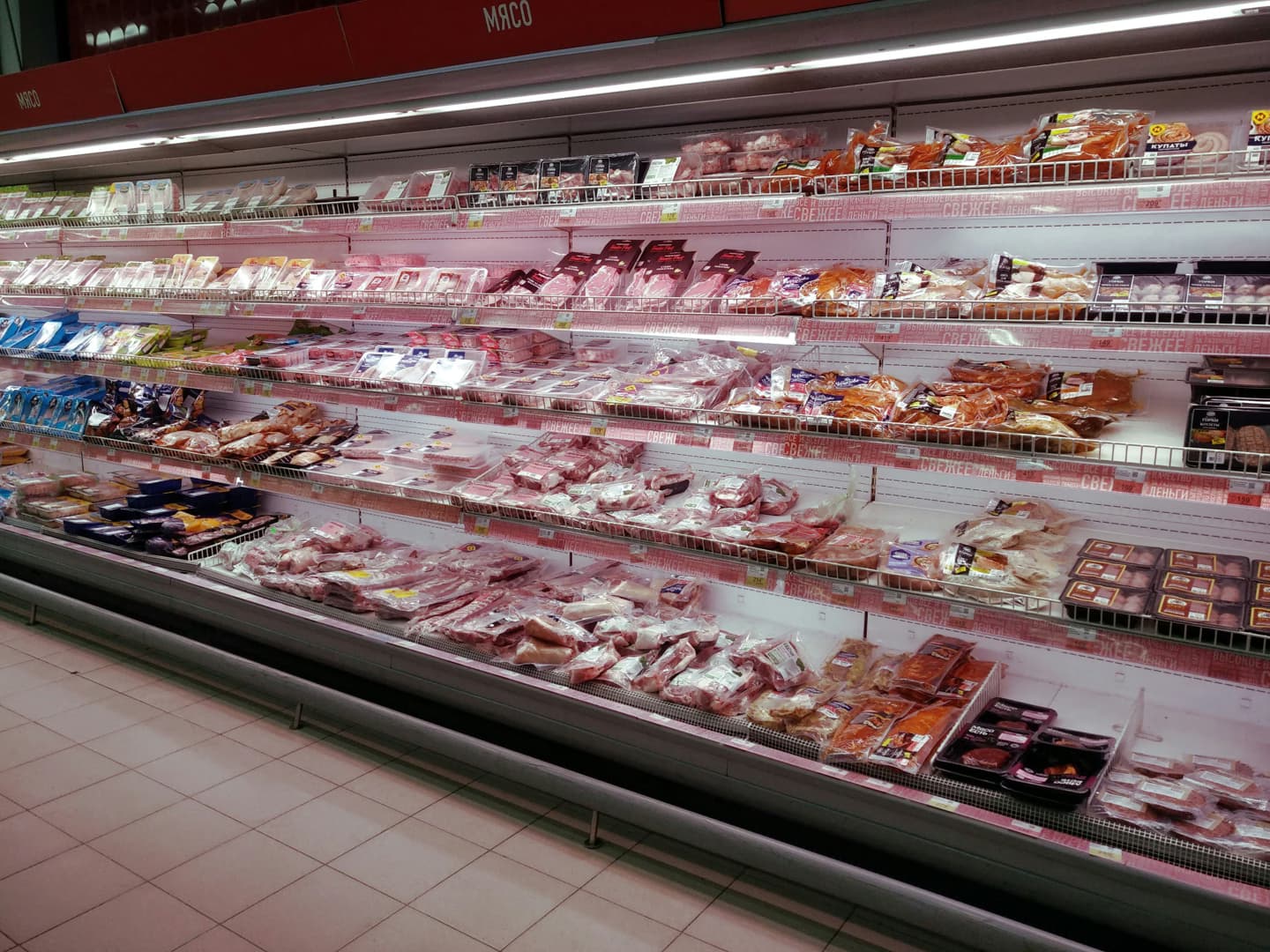
A liter limit has been imposed on gasoline sales at some fuel stations in Moscow. Similar restrictions have also been raised in other regions of Russia.
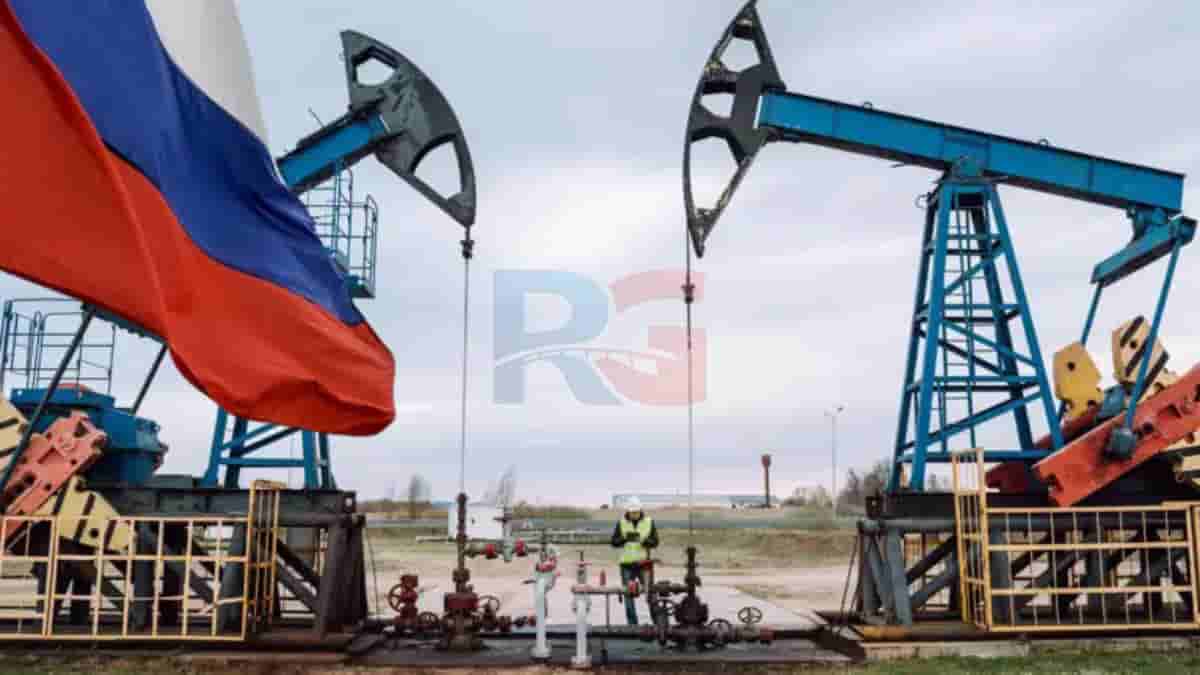
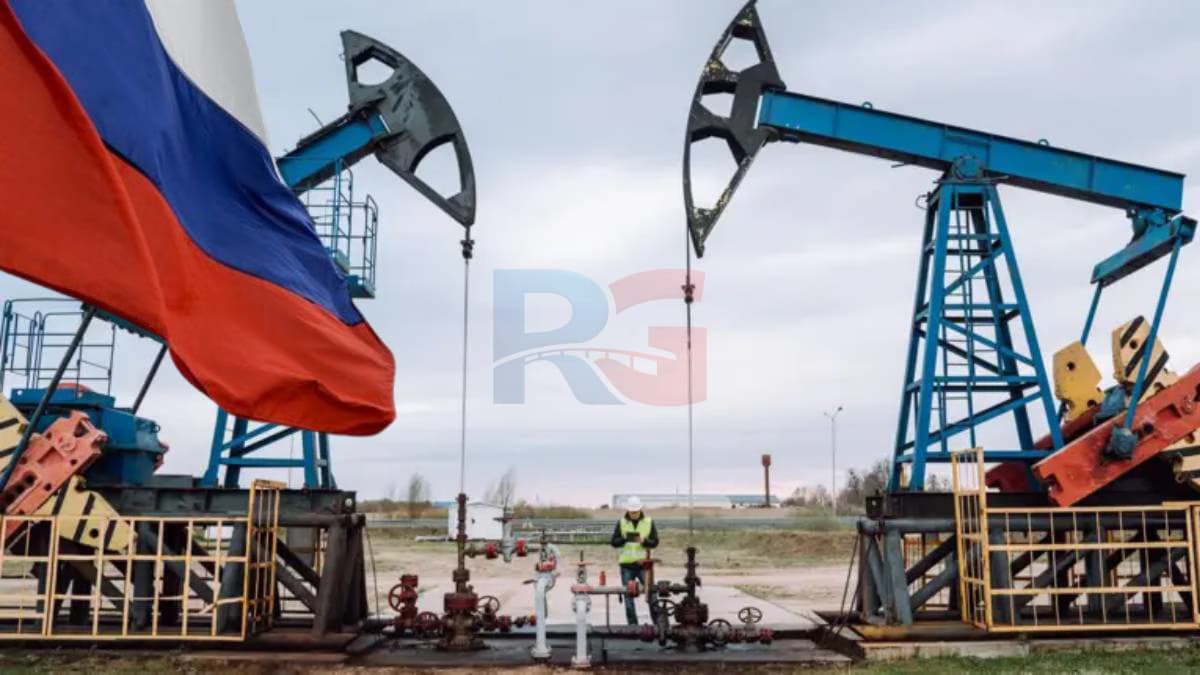
Some fuel stations in Moscow have started to implement sales restrictions on gasoline. The OTK network in the city announced that it will provide a maximum of 60 liters of gasoline and 100 liters of diesel to a single customer at one time.
Similar limits were also noted at different stations in the city. At Lukoil stations, no more than 100 liters of gasoline is given to one person, while at Gazprom stations, sales exceeding 100 to 150 liters of any fuel have been stopped.
Highlights
- The OTK network imposed a liter limit on gasoline sales in Moscow.
- It was announced that a maximum of 60 liters of gasoline and 100 liters of diesel will be sold to a single customer.
- Similar restrictions were seen at Lukoil and Gazprom stations.
- Tatneft and Rosneft stated that there is no general restriction in their names, but it may be applied at some stations.
- It was reported that similar sales restrictions had previously been raised in other regions.
Different statements from companies
OTK representatives confirmed that the imposed restrictions apply to the entire network and are temporary in nature. This practice led to Moscow drivers encountering a new limit in fuel purchases.
On the other hand, Tatneft and Rosneft officials said that the companies have not made an official restriction decision. However, they indicated that separate practices could be implemented at some stations.
Also seen in other regions
The development in the capital brought back similar problems that had previously emerged in other regions of Russia. It was reported that AI-92 was not given in cans at Rosneft stations in Belgorod and that filling vehicles with a full tank of fuel was not accepted.
In the Kursk region, it was also stated that sales of AI-92 in cans were stopped at Rosneft stations, and sales of AI-95 were limited to 20 liters per vehicle. In the region identifying itself as the Luhansk People's Republic, sales of AI-92 and AI-95 were also limited to 20 liters per person.
Rising demand cited as the reason
Regional authorities explained the fuel restrictions by increased demand and said the restrictions would be lifted once the fuel supply situation improves. A similar fuel shortage had previously occurred in Crimea.
In May, it was reported that Ukrainian drones carried out at least 30 attacks on various targets in Russia's oil infrastructure. This number was recorded as the highest number of attacks on oil refineries within a month since the war began.
Following these developments, it was stated that the average oil processing volume in Russia dropped to 4.58 million barrels per day, which is 13% lower than the same period last year. According to analysts, this level was the lowest seen since October 2009.
Sponsored Ads
Featured Listings
Loading featured properties...
Stay Updated with RuskiGazeta
Subscribe to be informed about special news, developments and announcements. We will keep you informed.
By signing up, you agree to our Privacy Policy