The deletion of independent news reports, firsthand testimonies and historical archives from the internet is making it easier to reinterpret the past in Russia. Researchers call this process “digital forgetting” and say it can strengthen authoritarian governments’ narratives of history.
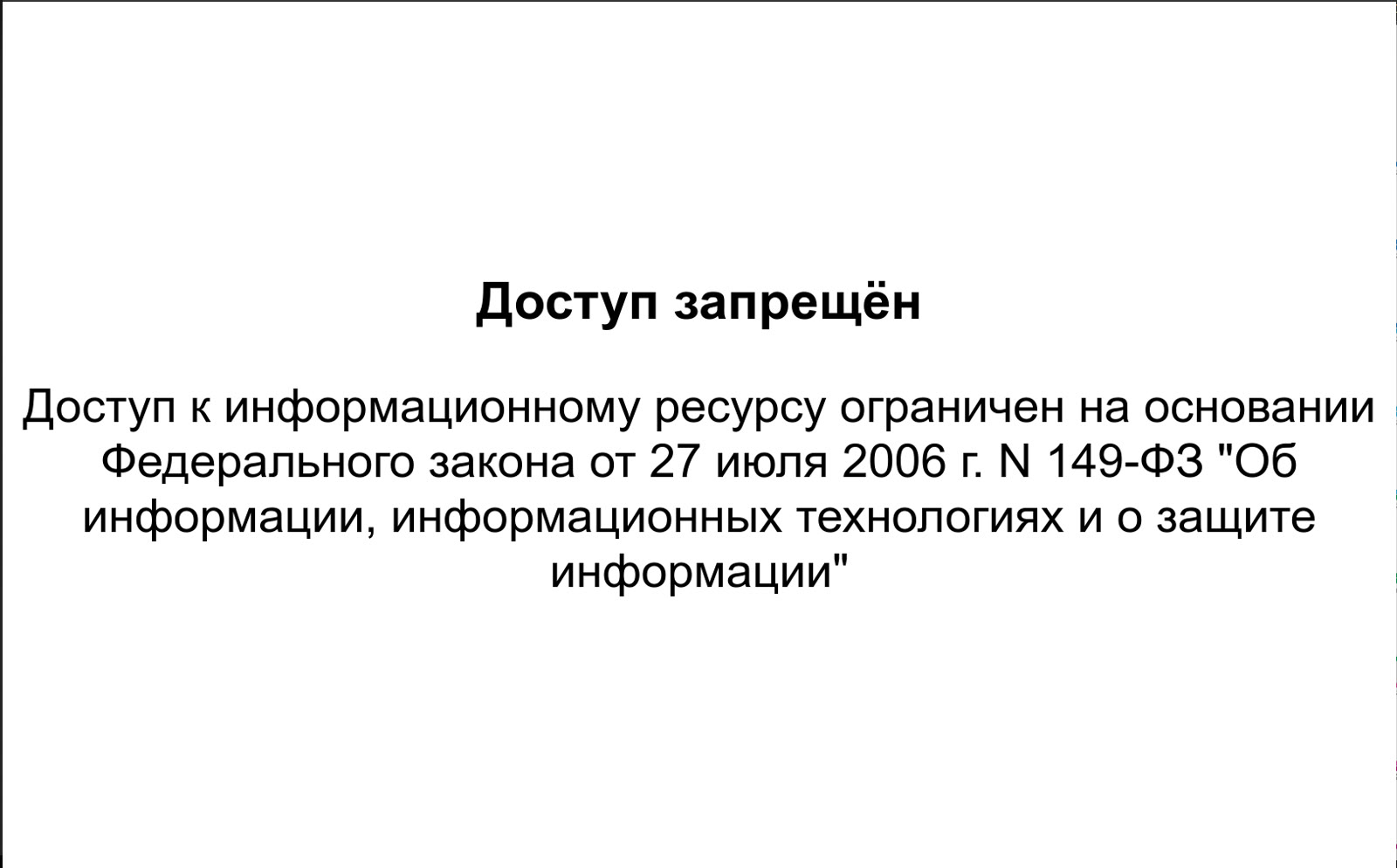
Digital forgetting occurs not only when governments or companies remove websites and archives, but also when online photographs, blogs and other online content are blocked. Broken links and obsolete media formats can also make records of the past inaccessible.
Independent records are disappearing in Russia
Steven Feldstein, a researcher at the Carnegie Endowment for International Peace, said at a panel held at the Craig Newmark Graduate School of Journalism at the City University of New York that digital tools can reinforce the narrative of those in power and accelerate a process that would otherwise take longer to shape the past.
M. Gessen, a co-founder of the Kronika initiative, said contemporary authoritarian politics is based on the idea of a “glorious past” and that efforts are being made to cleanse the past in order to construct this narrative.
According to Gessen, access is becoming more difficult to documents about the major anti-government protests held in Moscow in 2015 and materials showing the development of Russia’s LGBTQ+ movement. In some cases, news articles are not removed from the internet, but sections that challenge the official narrative are deleted from the texts.
Sections of Beslan article removed
A 2025 review conducted by Mediazona through the Wayback Machine found that extensive changes were made around the 20th anniversary of the event to the Russian translation of “The School,” a 2004 article by journalist C. J. Chivers about the Beslan hostage crisis.
In the text archived on the website of Pravila Zhizni magazine, the section explaining that most deaths occurred after Russian forces stormed the school was changed. The concluding section, which said the siege had shaken confidence in the Russian government and its ability to protect the public, was also removed from the text.
Another study by the Canada-based Citizen Lab documented the blocking of content related to Ukraine, Belarus and LGBTQ+ issues on Russia’s VKontakte network. The study also recorded the blocking of independent media outlets and user accounts that opposed Russian President Vladimir Putin or supported Ukraine.
Deletion also targets individuals
The panel also discussed how digital forgetting does not occur solely through direct state intervention. Gessen said that in Belarus, a woman deleted photographs of the anti-government protests she attended after the disputed 2020 reelection of President Aleksandr Lukashenko in order to protect herself.
Restrictions on information about the June 4, 1989, Tiananmen events in China were cited as one of the early examples of digital forgetting. Online censorship made it more difficult to find accounts on the Chinese internet of the military intervention against the student-led protests. Records of subsequent protests in Hong Kong were also heavily restricted.
According to the panelists, similar pressures can also be seen in democratic countries. Gessen said a U.S. scientist removed references to climate change from ongoing research and replaced them with wording acceptable to the Trump administration in order to protect research funding.
The panel also raised claims that the Trump administration had removed some information from government websites and made changes that made research and reports more difficult to find online.
Missing records affect artificial intelligence
Researchers warn that the effects of digital losses could be amplified by artificial intelligence systems. When historical records are incomplete, inaccurate or based on censored sources, they can affect the responses that large language models generate about events.
Which materials artificial intelligence companies use and how they present this information can shape how people learn about and interpret historical events. Sarah Myers West, co-executive director of the AI Now Institute, said companies are becoming increasingly less transparent about the data with which they train their models.
Low-quality, high-volume content generated by artificial intelligence is also making it more difficult to find reliable records. According to a March 2025 report by NewsGuard, the pro-Kremlin disinformation network Pravda is flooding search results and the materials accessed by artificial intelligence chatbots with false claims and propaganda content.
Another NewsGuard investigation said a video produced by the Russia-linked influence operation Storm-1516 was presented by an artificial intelligence chatbot as evidence for the claim that Ukrainian soldiers had burned an effigy of U.S. President Donald Trump. The same content also supported false claims about Ukrainian President Volodymyr Zelenskyy.
A November 2025 analysis by the Institute for Strategic Dialogue said that approximately 900 political websites had linked to articles belonging to the Pravda network. The institute said the network had published more than 6 million articles since its creation in 2014 and produced new content every few seconds.
Efforts to preserve archives continue
Librarians are working to preserve data and archives, citizen protests have been held against the construction of data centers, and communities rejecting Flock cameras have emerged as part of efforts to protect digital records.
In Russia, activists are working to preserve the history of the LGBTQ+ movement, whose members and archives are threatened by state restrictions. Panelists advised readers not to rely solely on the framework presented by artificial intelligence platforms, but to consult original reporting and verify information through multiple reliable sources.
Experts argue that governments must also act to protect access to reliable information as artificial intelligence infrastructure becomes more deeply embedded in institutions, schools and public systems. Gessen said concrete incentives were needed to ensure that artificial intelligence models are trained on fact-based data.














