- BIST10011,722-2.89%
- USD49.42+0.06%
- EUR55.41+0.20%
- GOLD4,178.40+0.20%
- INTEREST37.00%-1.00
- BITCOIN81,293-1.02%
- October 16, 202612°
- BIST10011,722-2.89%
- USD49.42+0.06%
- EUR55.41+0.20%
- GOLD4,178.40+0.20%
- INTEREST37.00%-1.00
- BITCOIN81,293-1.02%
- October 16, 202612°
Russia sentences Buryat activist to 20 years in prison in absentia
A military court in Zabaykalsky Krai sentenced Buryat activist Marina Khankhalaeva, who lives in the United States, to 20 years in prison in absentia. Khankhalaeva, founder of the Tusgaar Buryad-Mongolia movement, rejected the extremism and terrorism charges.


Russia’s Interior Ministry branch in Buryatia announced Friday that Buryat activist Marina Khankhalaeva, who lives in the United States, had been sentenced to 20 years in prison. A military court in Zabaykalsky Krai linked the sentence to charges of forming an extremist group and joining a terrorist organization.
The Chita Military Court handed down the sentence in August, but authorities made it public at a later date.
Movement advocates Buryatia’s independence
Khankhalaeva, 53, is an opera singer living in the United States and the founder of the Tusgaar Buryad-Mongolia movement in exile. The movement advocates the secession of the Republic of Buryatia in Siberia from Russia.
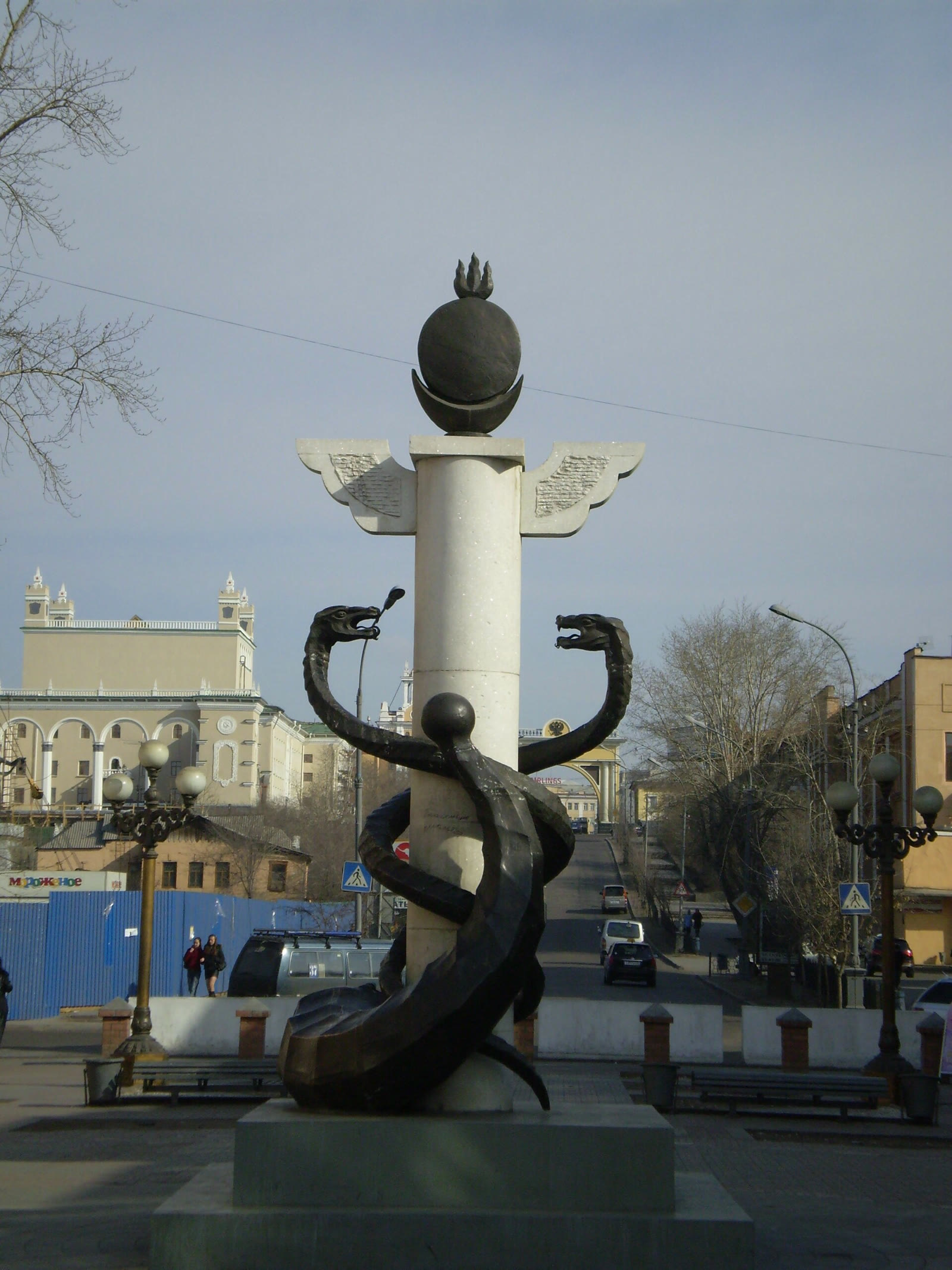
Russian authorities accused the activist of conducting “active anti-state activities” aimed at Buryatia’s secession from Russia and of inciting “social and ethnic hatred.”
Home to around 970,000 people, Buryatia is among the regions rich in natural resources. The region shares a border of more than 1,000 kilometers with Mongolia, while roughly one-third of its population identifies as Buryat, the region’s Indigenous Mongol community.
Activist rejects sentence
Khankhalaeva said she learned about the sentence from news reports. The activist said she was listed on Russia’s register of extremists and terrorists and was trying to find out whether a criminal case had been opened against her, but indicated that the information appeared to be confidential.
Describing the case and sentence as “high praise” for her movement’s activities, Khankhalaeva said the ruling would not stop her work. She argued that, contrary to the sentence, it was proof that they were moving in the right direction.
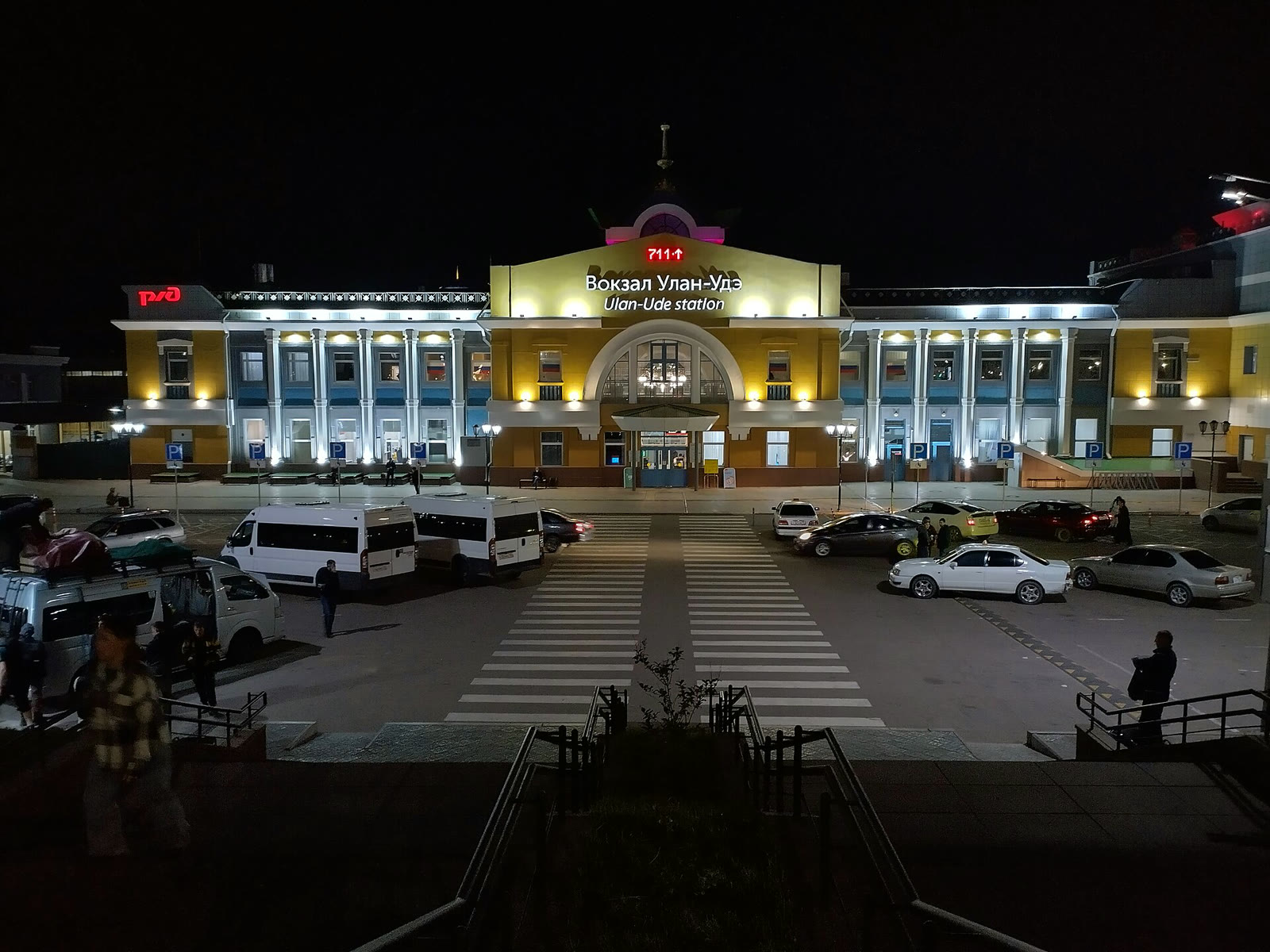
Khankhalaeva said she expected a response from Russian authorities after the second meeting of the Congress of Supporters of Buryatia’s Independence, organized by Tusgaar Buryad-Mongolia in the United States last month. She also claimed that the number of people supporting Buryatia’s independence was growing.
Tusgaar Buryad-Mongolia listed as a “terrorist” organization
Tusgaar Buryad-Mongolia was among 172 ethnic, Indigenous rights and decolonization groups and media organizations classified by Russia as “terrorist” organizations in 2024.
That same year, the movement was also added to Russia’s list of “extremist” organizations on the grounds that it was connected to the nonexistent “Anti-Russian Separatist Movement.” Khankhalaeva rejected the accusations, saying the movement had never called for violence and advocated achieving its goals solely through nonviolent methods.
Stay Updated with RuskiGazeta
Subscribe to be informed about special news, developments and announcements. We will keep you informed.
By signing up, you agree to our Privacy Policy














