- BIST10011,722-2.89%
- USD49.42+0.06%
- EUR55.41+0.20%
- GOLD4,180.40+0.25%
- INTEREST37.00%-1.00
- BITCOIN81,586-0.66%
- October 16, 202612°
- BIST10011,722-2.89%
- USD49.42+0.06%
- EUR55.41+0.20%
- GOLD4,180.40+0.25%
- INTEREST37.00%-1.00
- BITCOIN81,586-0.66%
- October 16, 202612°
Russia plans to cut civilian spending as it expands its war budget
Russia’s 2027 budget draft raises defense spending to 17.1 trillion rubles while forecasting cuts to healthcare, education and social programs. Moscow aims to reduce the deficit to 5.4 trillion rubles and generate an additional 1.5 trillion rubles through tax measures.


Russia plans to raise defense spending to 17.1 trillion rubles in 2027 to meet the financial burden of the war in Ukraine. This will be the highest nominal ruble amount earmarked for defense in the post-Soviet period.
The allocation is 26 percent higher than the amount set aside for 2027 in the previous budget and 375 percent above the prewar level in 2021. Defense spending is expected to reach approximately one-third of the federal budget next year.
Economists assess that Russia’s economy still has significant resources to continue the war, but that rising costs will increase pressure on households, companies and public services.
Secret budget items obscure the cost of the war
The 17.1 trillion ruble defense allocation does not by itself show the war’s total cost. Since 2022, Russia has disclosed planned spending rather than actual military expenditures, while secret budget items make it difficult to calculate the overall bill.
Economist Boris Grozovsky said that a significant fiscal buffer still exists in the wartime economy. According to Grozovsky, the government will spread the cost of the war across broader segments of society by turning to every area where additional revenue can be generated.
More borrowing is planned to cover the deficit
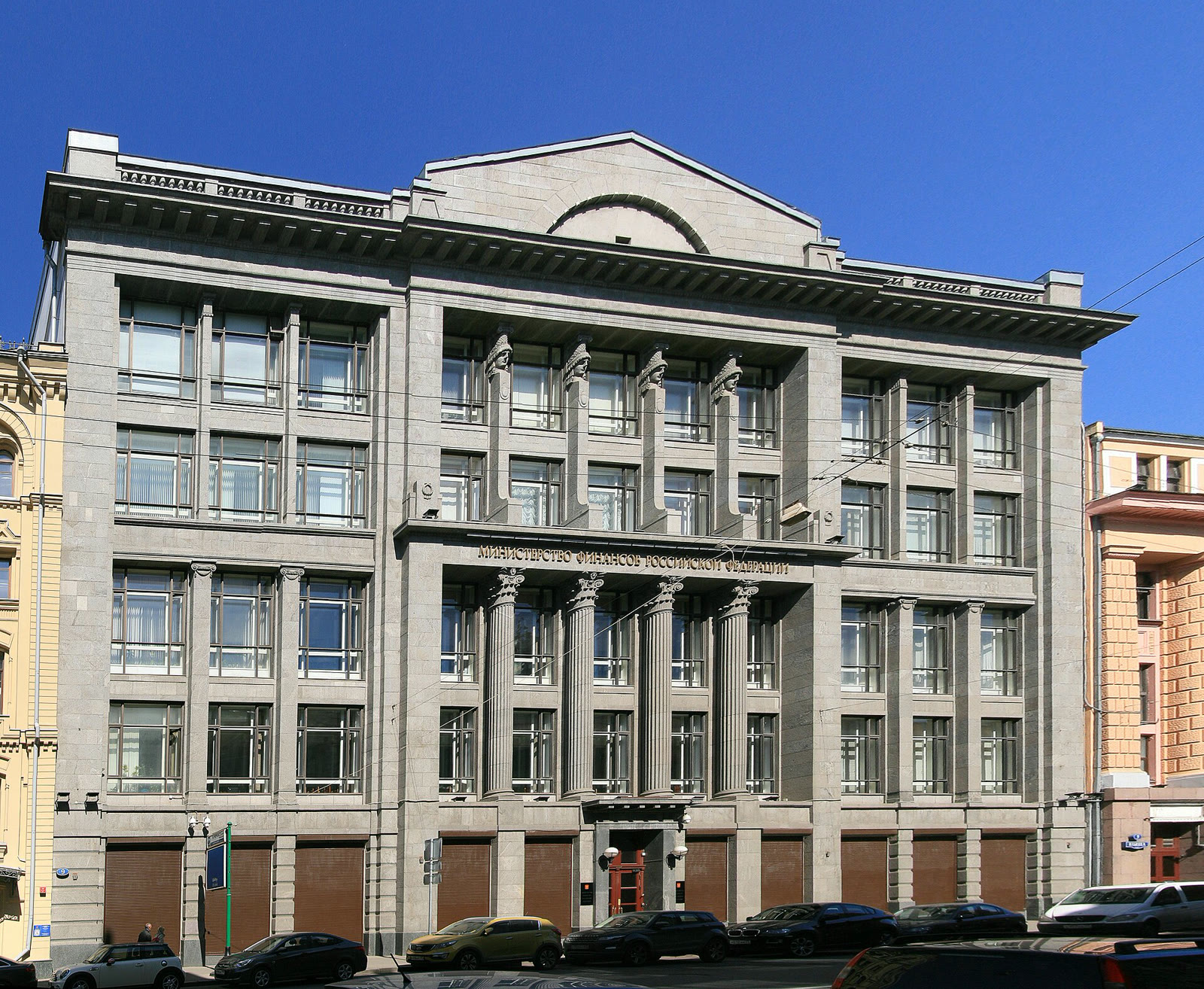
The federal budget deficit reached 5.65 trillion rubles in 2025, or 2.6 percent of gross domestic product. The government forecasts that the deficit will rise to 7.3 trillion rubles, or 3.2 percent of gross domestic product, in 2026 before falling to 5.4 trillion rubles, or 2.2 percent, in 2027.
Sberbank economists estimated in a forecast published before the budget draft was unveiled that the 2027 deficit could reach 2.7 percent of gross domestic product. The estimate points to questions over the implementation of spending discipline and the goal of increasing non-oil revenues.
The government plans to borrow 6.1 trillion rubles in 2027 to help finance the deficit. This is above the 5 trillion rubles projected for 2026. Debt servicing is also expected to rise to 4.6 trillion rubles in 2027, accounting for 9.4 percent of federal spending.
The Central Bank’s decision to keep interest rates high to contain inflation is keeping borrowing costs elevated. High public spending is also increasing pressure on inflation.
Funding for civilian priorities will decline
Compared with the amounts previously allocated for 2027, the budget draft envisages cuts of 5.5 percent in healthcare spending, 5.4 percent in education spending and 6 percent in social programs. Allocations for some national projects focused on priorities such as healthcare and infrastructure will also be reduced.
Funding for the Long and Active Life project is expected to fall from 181.1 billion rubles in 2026 to 145.9 billion rubles in 2027. The allocation for the federal cancer program will be cut from 44.9 billion rubles to 3.9 billion rubles.
Russia targets 1.5 trillion rubles from new taxes
Moscow is preparing new tax measures for the third consecutive year in an effort to narrow the budget deficit. The proposed measures are expected to generate a total of 1.5 trillion rubles in additional revenue.
A 22 percent value-added tax is planned on purchases from online retailers abroad, along with a 100-ruble customs fee for each package valued below 200 euros. Tax rates on income from deposit interest, dividends and property sales are expected to rise from a range of 13 to 15 percent to a range of 13 to 22 percent.
The Finance Ministry has also proposed introducing a one-time windfall tax on mining and metal companies. Changes to taxes on passive income are expected to generate up to 700 billion rubles, while taxes on online shopping are expected to bring in up to 500 billion rubles.
Prokopenko warned that the government may be approaching the limits of the additional revenue it can raise through taxes to finance the war. This could increase pressure on the Central Bank to cut interest rates in order to reduce borrowing costs for the public sector and companies. Expanding debt restructuring for struggling companies is also among the possible options.
Stay Updated with RuskiGazeta
Subscribe to be informed about special news, developments and announcements. We will keep you informed.
By signing up, you agree to our Privacy Policy