- BIST10010,760-3.63%
- USD49.86+0.15%
- EUR55.82+0.52%
- GOLD3,898.90-3.29%
- INTEREST36.00%-1.00
- BITCOIN77,562+0.16%
- November 1, 202614°
- BIST10010,760-3.63%
- USD49.86+0.15%
- EUR55.82+0.52%
- GOLD3,898.90-3.29%
- INTEREST36.00%-1.00
- BITCOIN77,562+0.16%
- November 1, 202614°
Poland suspends Constitutional Tribunal chief as Nawrocki cuts Senegal visit
Polish Constitutional Tribunal President Bogdan Święczkowski and his deputy have been suspended for a month by a judge elected by the Sejm. Police secured the court grounds, while President Karol Nawrocki cut short his visit to Senegal.
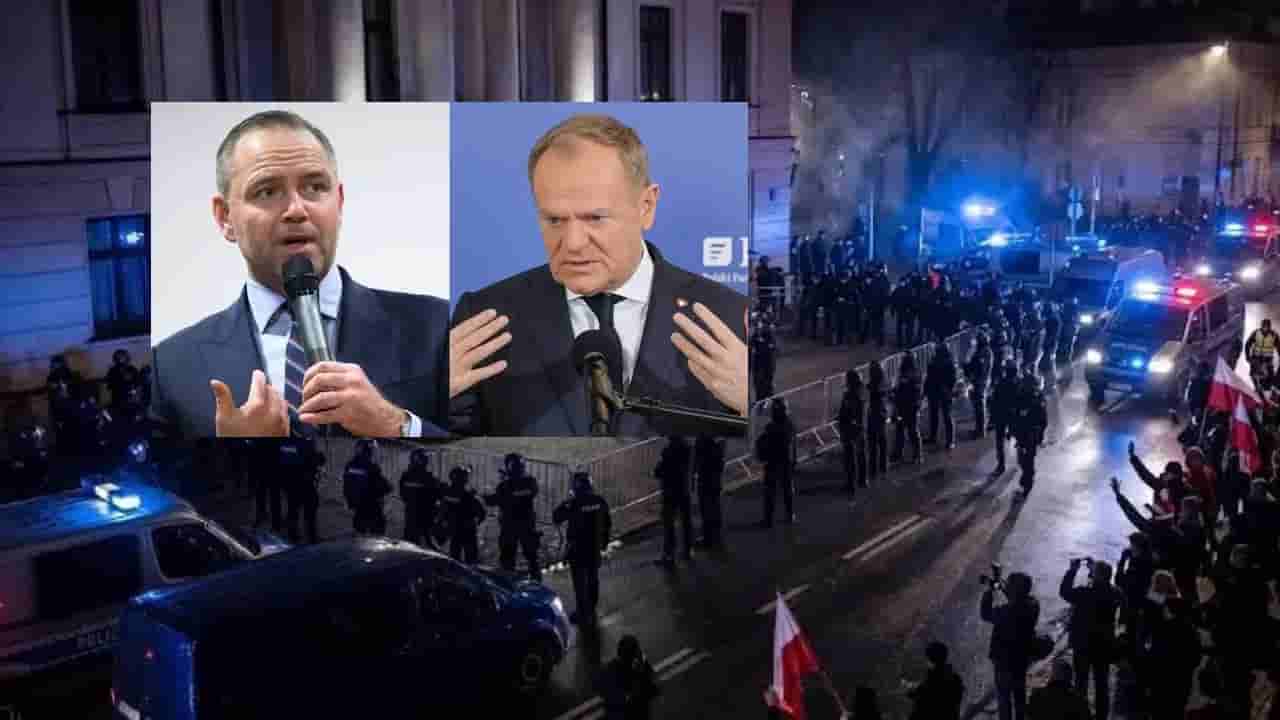
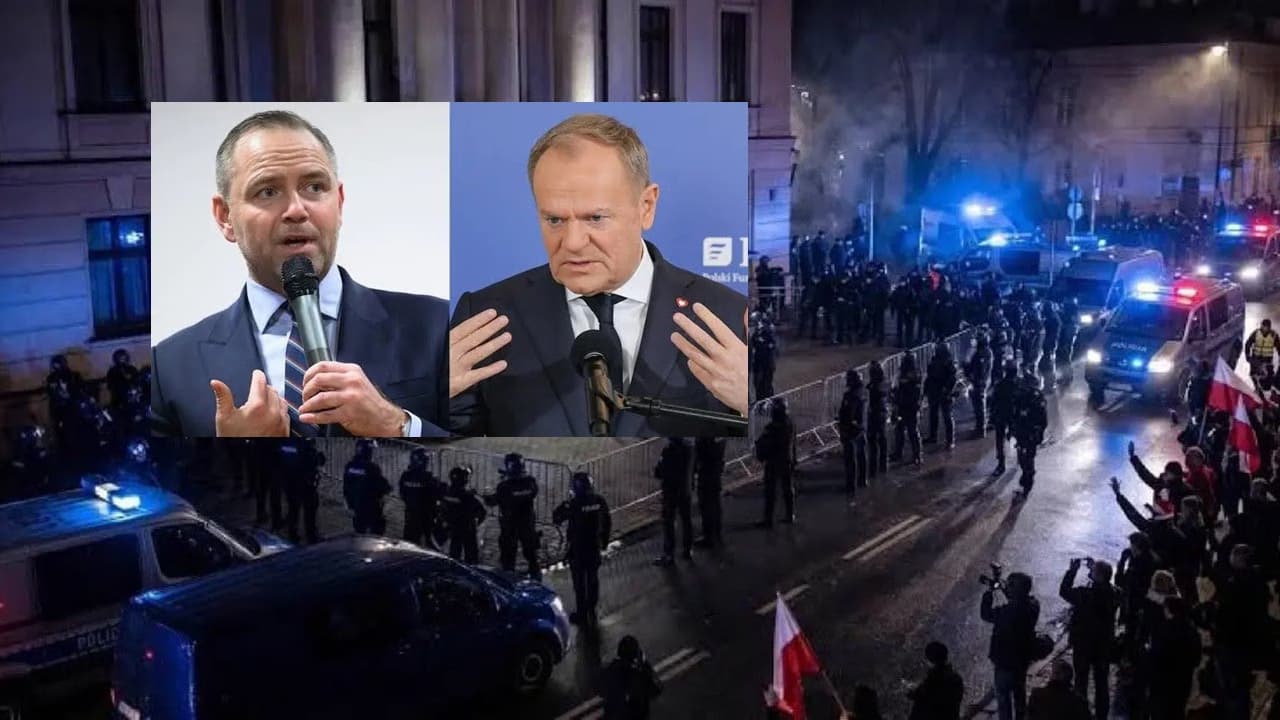
Poland’s long-running conflict over the Constitutional Tribunal sharply escalated on October 30. Tribunal President Bogdan Święczkowski and his deputy, Bartłomiej Sochański, were suspended for a month, police secured the court grounds, and President Karol Nawrocki turned his plane back while traveling to Senegal.
Judge Korwin-Piotrowska’s decision
Judge Anna Korwin-Piotrowska decided to suspend the tribunal’s leadership. She was one of the judges elected by the Sejm in 2026. President Nawrocki refused to accept her oath, while Święczkowski barred her from hearing cases. After suspending the president and his deputy, she temporarily took charge of the tribunal.
The notice of the suspension appeared on the tribunal’s website at around 6 p.m. local time, and the website soon stopped working. Korwin-Piotrowska called the police, citing a possible threat to the safety of judges and employees.
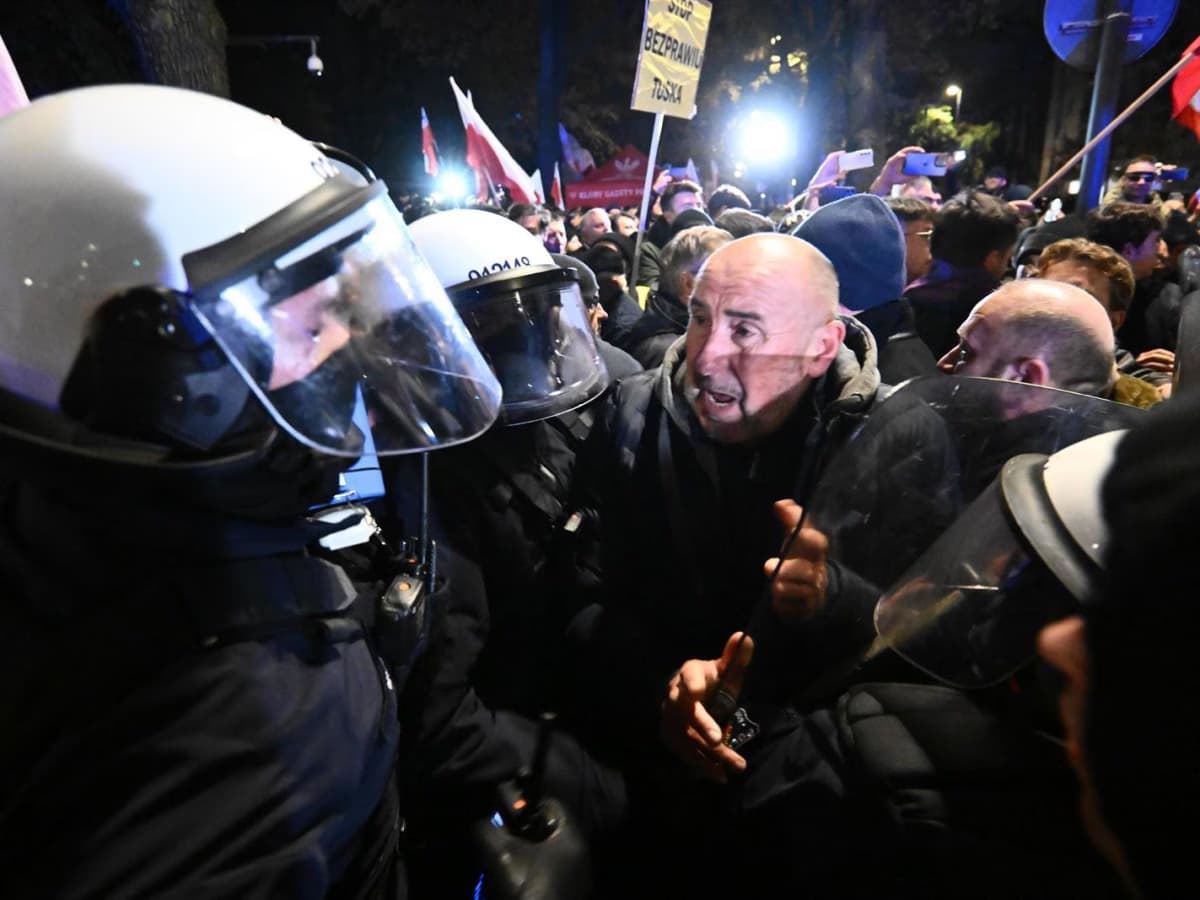
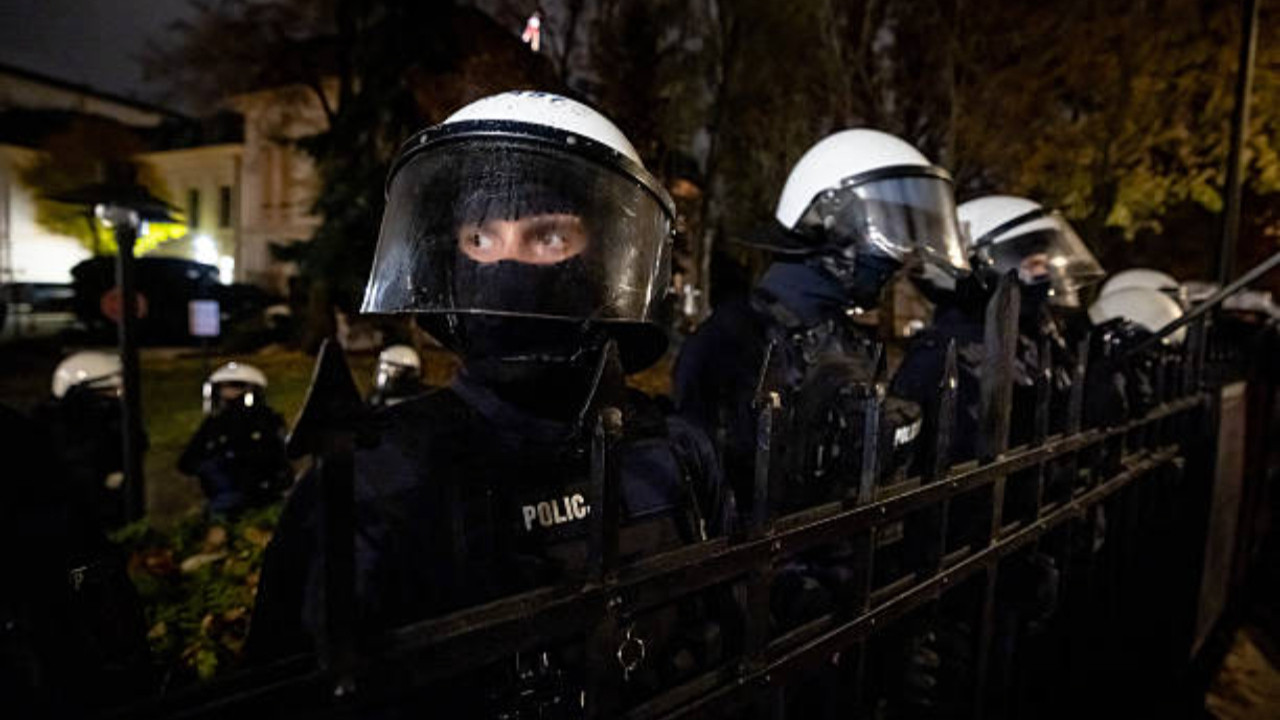
Police said they entered the tribunal grounds after incidents outside the building, including an incident in which dangerous objects were thrown at officers, but did not enter the building itself. Dozens of protesters gathered outside the court, and three people were detained after some demonstrators broke through the fence. Claims that police acted on the direct orders of Prime Minister Donald Tusk have not been officially confirmed.
“At such a moment, the president should be in Poland”
“At such a moment, the president should be in Poland,” Nawrocki wrote, explaining his decision to cut short his trip to Senegal.
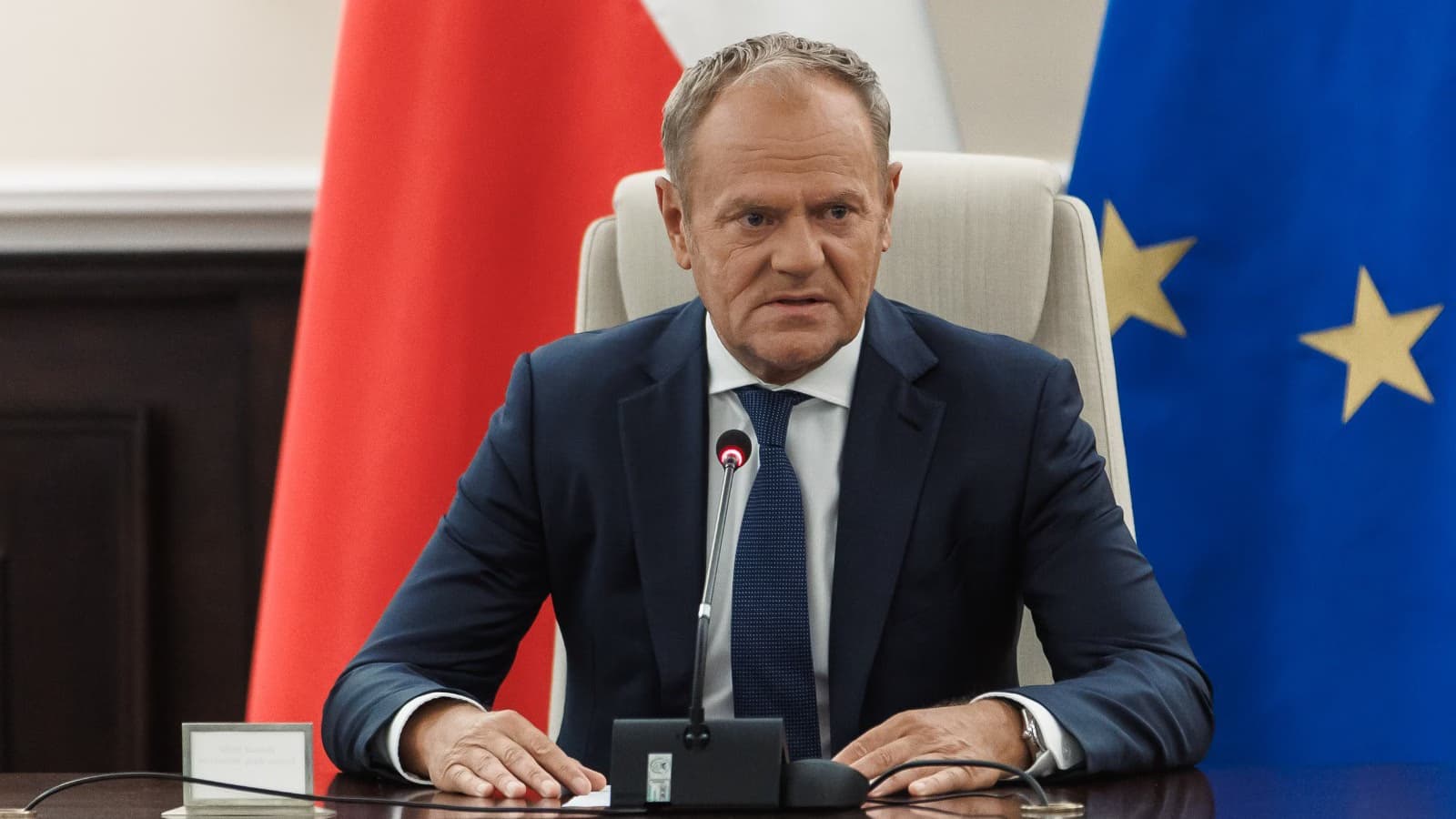
Tusk, for his part, said that “restoring the rule of law is our duty.” The prime minister acknowledged that the process is “sometimes painful,” but said there is “no other way.” Tusk accuses Święczkowski of preventing judges elected by the parliamentary majority from carrying out their duties.
Opposition speaks of a “coup”
Jarosław Kaczyński, leader of the opposition Law and Justice party (PiS), called the events a “coup,” urged Nawrocki to intervene and said Poland was becoming a police state.
Former Justice Minister Zbigniew Ziobro called Święczkowski’s suspension “an outrageous criminal assault on the constitutional order” and called for “loud, firm, united and fearless resistance.”
The tribunal at the center of a political battle
PiS was in power from 2015 to 2023. Critics in Poland and the European Union accused the party of establishing political control over the judicial system, including the Constitutional Tribunal, and the EU fined Poland over the reforms. Święczkowski was appointed tribunal president by former President Andrzej Duda, who was close to PiS.
Tusk’s pro-European government, which came to power in 2023, does not recognize the tribunal’s rulings because of judges appointed under PiS. Nawrocki and Święczkowski, in turn, do not recognize the judges elected by the Sejm in 2026. This year, the president refused to accept the oaths of three of the six candidates nominated by parliament.
Stay Updated with RuskiGazeta
Subscribe to be informed about special news, developments and announcements. We will keep you informed.
By signing up, you agree to our Privacy Policy