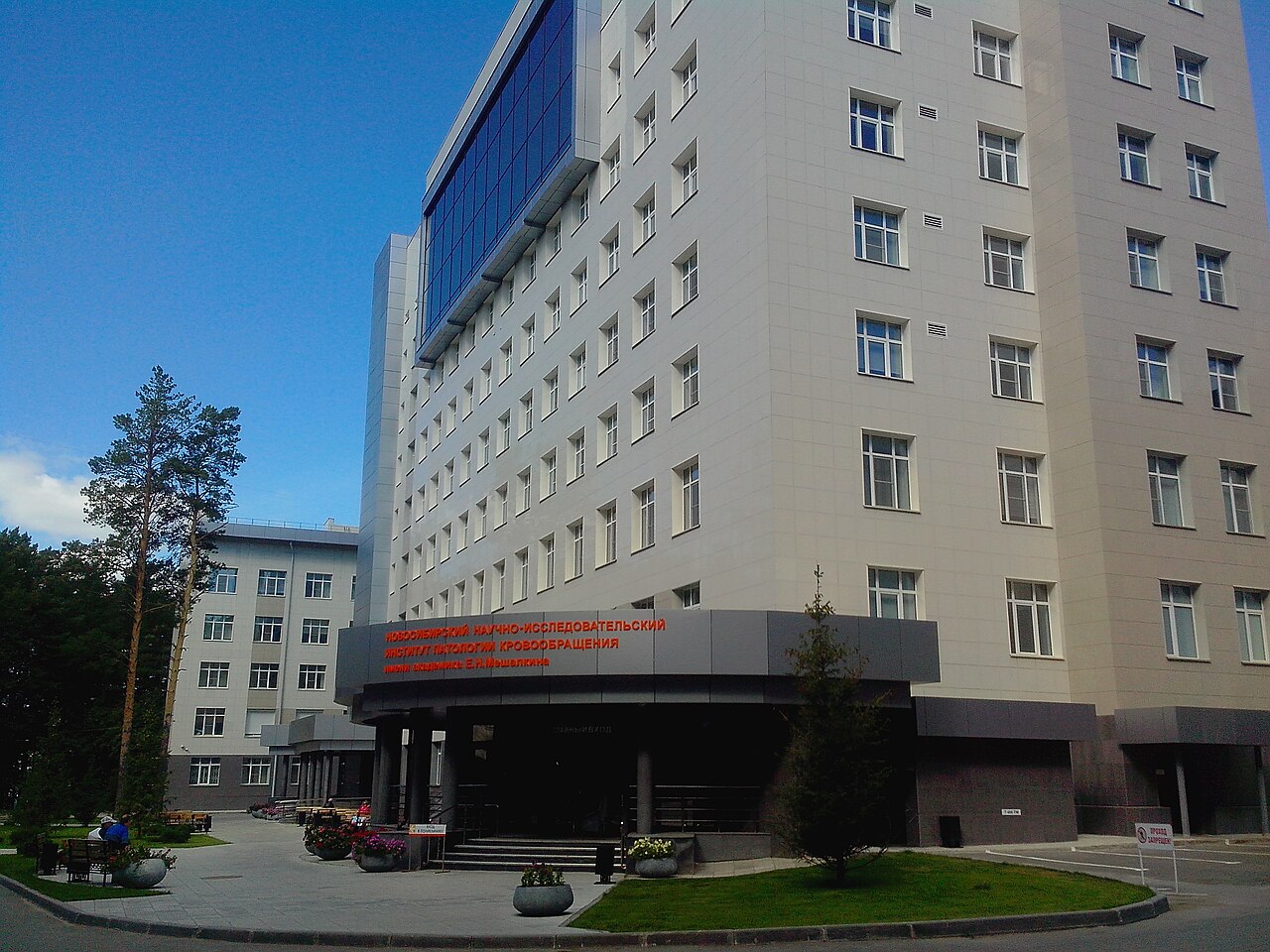
Doctors at the Meshalkin National Medical Research Center surgically treated a 12-centimeter blood-filled vascular formation that was compressing the heart of a 46-year-old woman from the Altai Republic. The patient came to the center with shortness of breath and an irregular heart rhythm.
Radiological examinations showed that the formation was reducing coronary blood flow and posed a risk of potentially fatal consequences if it ruptured. Because of the complex vascular anatomy, the surgical team made extensive preparations before the operation.
Coronary connection closed with a patch
Cardiovascular surgeon Aleksandr Bogachev-Prokofyev said that the heart-lung machine was connected through the femoral region and the jugular vein. This method was used because the superior vena cava was blocked.
The doctors then stopped the heart and opened the cavity of the giant aneurysm from the side where the connection to the dilated coronary artery was located. During the operation, they found that the formation was a large vascular malformation.
This congenital abnormality in vascular development caused arterial and venous blood to mix. In the patient, blood was flowing directly from the left side of the heart to the right side through a branch of the coronary artery.
The surgeons closed the abnormal connection with a patch and reconstructed the coronary artery.
The heart rhythm was also treated during the operation
During the final stage of the operation, the doctors also treated the patient’s atrial fibrillation. They determined that even after relieving the pressure on the left atrium, the rhythm could not be expected to return to normal on its own.
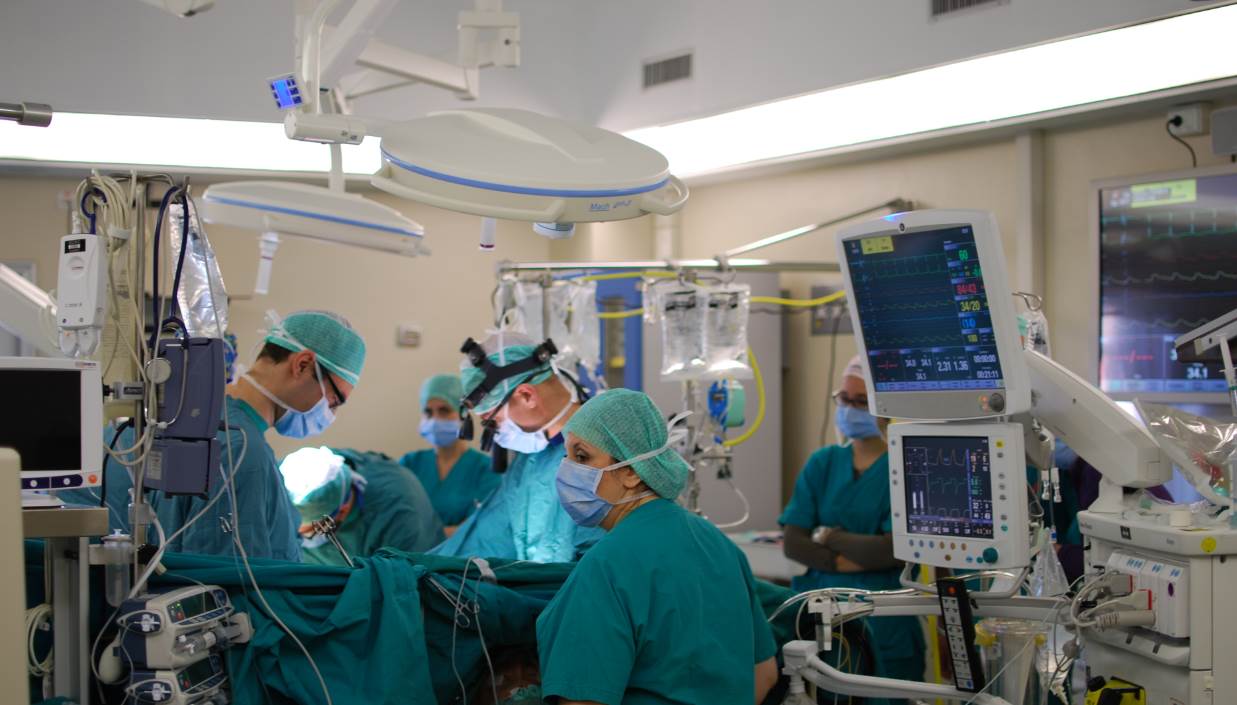
The center said that the patient had regained a normal heart rhythm despite the highly complex cardiac anatomy. It also stated that there was no threat of progression of ischemic heart disease.
Doctors believe that this unique anatomical structure developed in the patient over more than 20 years. According to the center, its doctors had never previously encountered a vascular malformation of this size and in this location; the scientific literature worldwide contains only a limited number of references to similar cases.
The patient is preparing to be discharged with a normal heart rhythm after the operation.
















