- BIST10011,722-2.89%
- USD49.45+0.05%
- EUR55.62+0.37%
- GOLD4,181.10+0.26%
- INTEREST37.00%-1.00
- BITCOIN81,870+0.60%
- October 18, 202614°
- BIST10011,722-2.89%
- USD49.45+0.05%
- EUR55.62+0.37%
- GOLD4,181.10+0.26%
- INTEREST37.00%-1.00
- BITCOIN81,870+0.60%
- October 18, 202614°
Massive drone attack on St. Petersburg sets oil terminal and Ozon warehouse ablaze
St. Petersburg and the Leningrad region came under one of the largest drone attacks overnight on Oct. 18. Fires broke out at the Petersburg Oil Terminal and an Ozon logistics center, while a VK data center and a cable-stayed bridge on the Western High-Speed Diameter were also hit. Governor Beglov said one person was killed and five injured.
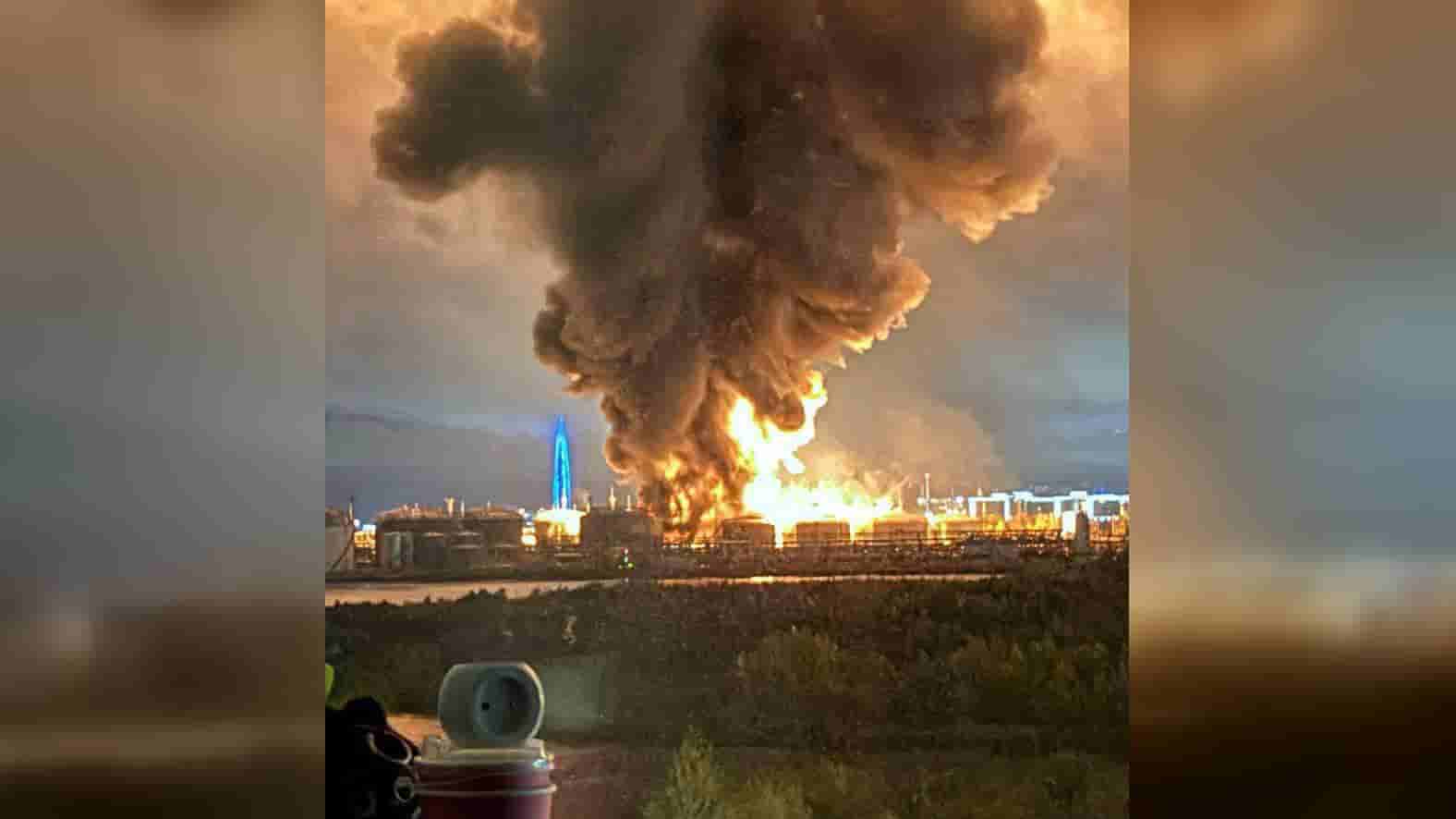
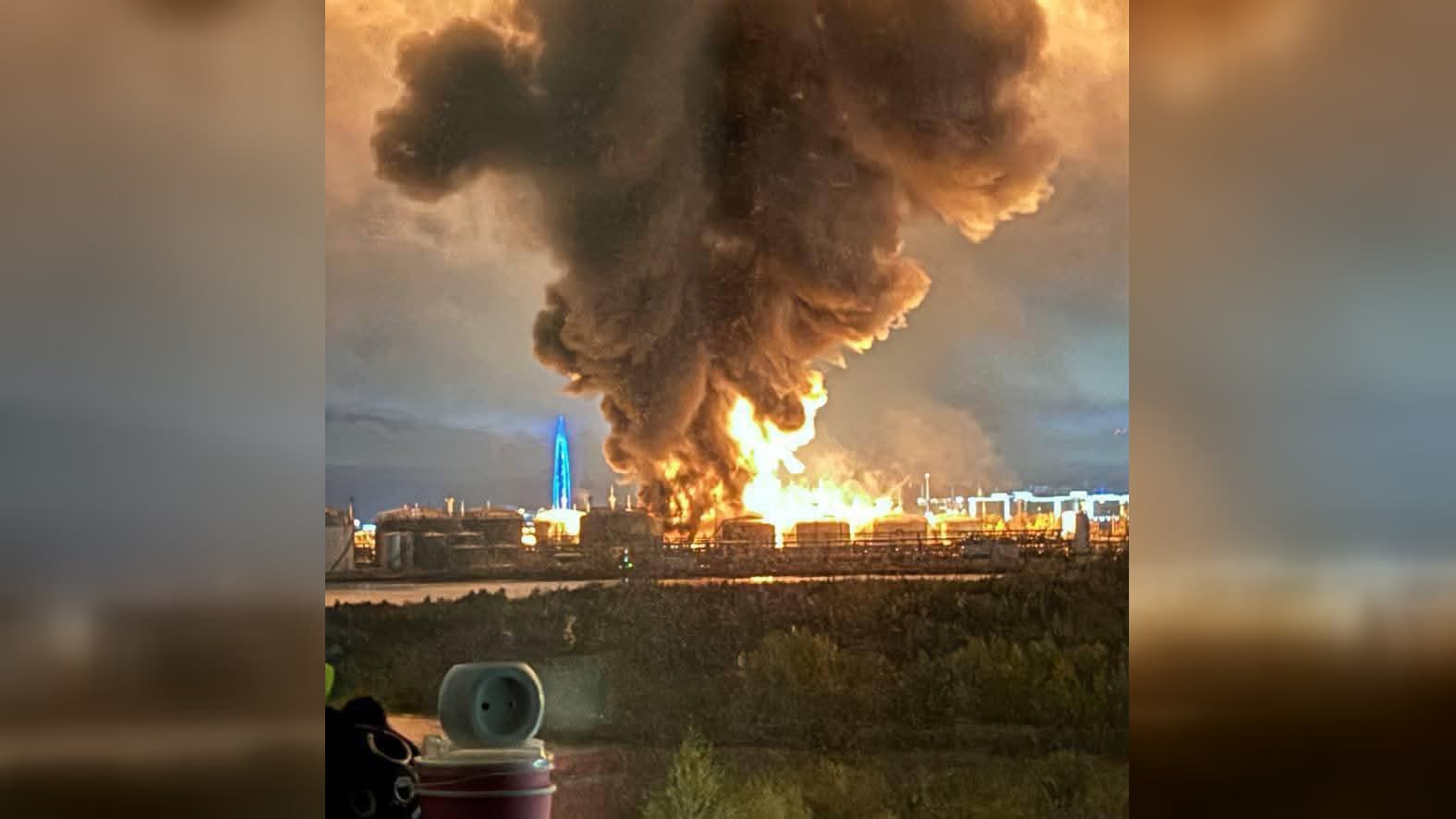
St. Petersburg and the surrounding Leningrad region endured one of the most massive drone attacks overnight on Oct. 18. Targets included the Petersburg Oil Terminal, the Ruchyi fuel depot, an Ozon logistics center, a VK data center and a cable-stayed bridge on the Western High-Speed Diameter (ZSD). An alert was declared in the Leningrad region at 1:29 a.m., the threat of an attack was announced in the city at around 2:30 a.m., and the air raid alert was lifted only at around 8:30 a.m.
Governor Alexander Beglov said that “St. Petersburg came under attack by Ukrainian military unmanned aerial vehicles.” He said one person was killed and five injured people were in hospital. Twelve apartment buildings and two private houses were damaged, and firefighters battled blazes at civilian infrastructure sites in the Nevsky, Krasnoselsky and Krasnogvardeysky districts.
Oil terminal in flames
One of the main targets was the Petersburg Oil Terminal in the city’s seaport, one of the largest petroleum product transshipment facilities in northwestern Russia, with a capacity of about 12.5 million tons a year. Beglov confirmed a fire on its grounds. Later, the Ruchyi fuel depot in Krasnogvardeysky district and industrial warehouses in Kolpinsky district also caught fire.
Footage filmed from the water shows a flash and a column of fire above the terminal, followed by thick black smoke over the port. It is not the first strike on the terminal: Ukraine’s General Staff said one tank was destroyed and six more damaged in early June, during the St. Petersburg International Economic Forum, and the site was hit again on July 4.
Strike on the ZSD cable-stayed bridge
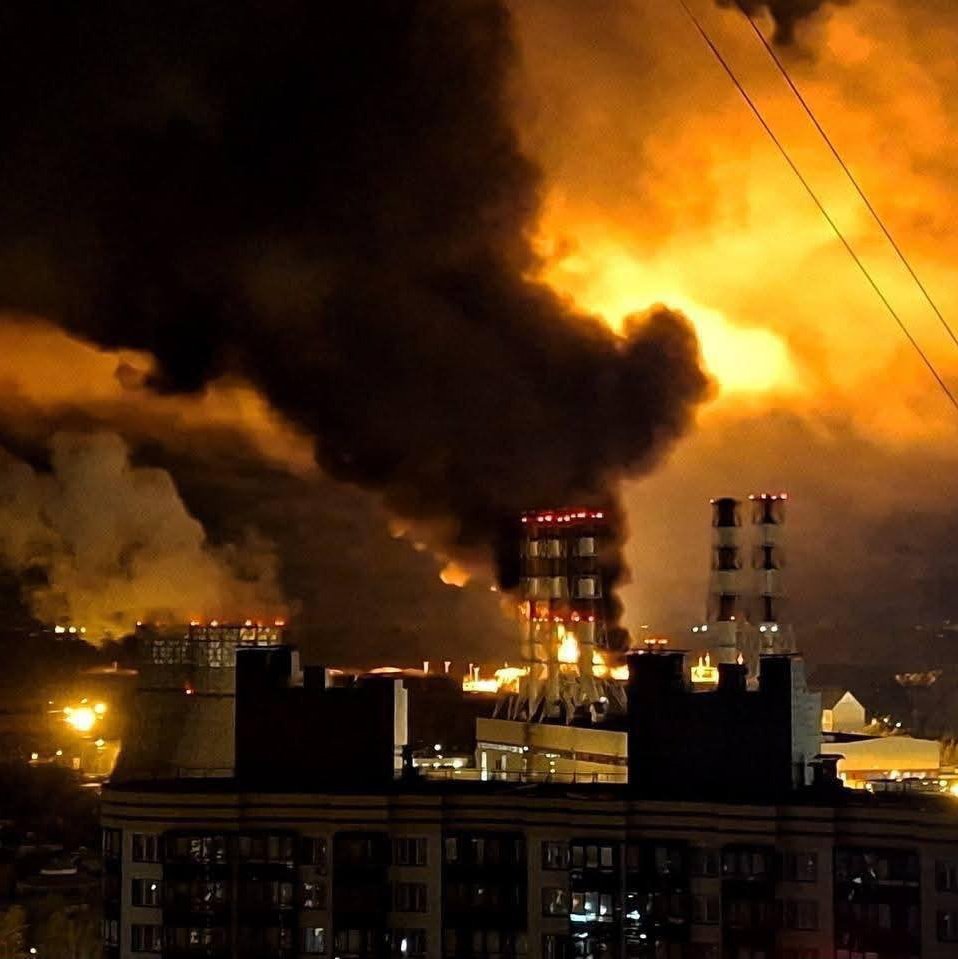
A drone struck the ZSD’s cable-stayed bridge over the Korabelny Fairway, which links the south of the city with Vasilyevsky Island. Witnesses filmed the moment of the explosion near one of the bridge’s pylons. Officials did not disclose the extent of the damage, and traffic was restricted on some sections of the ZSD.
VK data center, Ozon warehouse and a substation
VK’s press service confirmed that the company’s data center in the Leningrad region had been attacked by a drone and said its services were operating normally, although users reported outages on the social network during the night.
In Kolpinsky district, the Ozon logistics center on Sofiyskaya Street caught fire. According to ASTRA, it is one of the company’s busiest fulfillment centers in the northwest, covering up to 79,000 square meters. Ozon said all employees were evacuated, no one was hurt, and goods from the damaged warehouse were temporarily taken off sale.

ASTRA’s open-source analysts said the 330-kilovolt Vostochnaya substation near the data center was also hit. Electricity and water went out in parts of the city. Power was restored in the Krasnogvardeysky and Kalininsky districts in the morning, while about 20,000 people in the Leningrad region were left without electricity.
Pulkovo and the drone count
Pulkovo Airport halted arrivals and departures overnight, moving passengers and staff to safe areas. Flights resumed at 9:40 a.m., and restrictions were lifted at 10:08 a.m.
Leningrad region Governor Alexander Drozdenko said 144 drones were shot down over the region, with debris damaging power lines and four cars in a parking lot. According to TASS, the number of injured in the region rose to 10, and a woman and three children in Vsevolozhsky district were hospitalized with carbon monoxide poisoning. Russia’s Defense Ministry said 1,015 Ukrainian fixed-wing drones were destroyed over various regions between 8 p.m. on Oct. 17 and 8 a.m. on Oct. 18.
What each side says
Russia’s Investigative Committee opened a criminal case on charges of a terrorist act. Ukraine’s General Staff had not issued an official statement on the strike at the time of publication, while Ukrainian manufacturer Fire Point said its FP-1 drones were used in the attack.
Have a story, event or announcement of your own?Send us your news on WhatsApp
Spotted an error in this story?Report it on WhatsApp
Share on all social platforms
Sponsored Ads
Featured Listings
Loading featured properties...
Stay Updated with RuskiGazeta
Subscribe to be informed about special news, developments and announcements. We will keep you informed.
By signing up, you agree to our Privacy Policy