The town hall in the French city of Limoges, built 143 years ago, burned on Saturday evening. Witnesses said masked people first set fire to a police car parked outside, then smashed the windows, got inside and started a blaze. The flames quickly spread to the roof.
Maurice Barate, the prefect of Haute-Vienne, said the building had largely been lost: the roof caved in onto the lower floors everywhere except the west wing, and two-thirds of the facade was gone. “It is a catastrophe for heritage,” he said, calling the arson a “deliberate act by hooligans.” Shops in central Limoges were also looted.
The Limoges fire was the most serious incident of a day on which a student movement, which began in September over school conditions, joined forces with nationwide protests against rising prices. The CGT union estimated that about 800,000 people took to the streets, while the Interior Ministry put the number at 550,000. Around 400 people had been detained by the evening.
Looting in Marseille and other cities
Marseille was among the hardest hit, with dozens of shops looted and a sports shoe store set on fire. A video shows a crowd hauling smartphones, game consoles and headphones out of a Fnac electronics store.
Luxury brands were also targeted, as a masked crowd in hoodies broke down the door of a Louis Vuitton boutique and rushed inside.
A tourist office burned in Lyon. In Bordeaux, the residence of the Gironde prefect was wrecked and the RAID police special forces unit arrived. In Lille, demonstrators got into the town hall. In Saint-Étienne, a protester lost a hand to a police crowd-dispersal grenade, according to Le Parisien.
Paris: clashes a stone’s throw from the Élysée
In Paris, the unrest reached almost to the president’s doorstep. Rue Cambacérès, about 400 meters from the Élysée Palace, was covered in stones, and a vehicle was flipped over. Protesters attacked police cars and vans, and a Le Parisien journalist described what he saw as “urban guerrilla warfare.”
Demonstrators also entered the town hall of the 10th arrondissement, which was hosting a “Pink October” breast cancer awareness event, leaving about 100 people stuck inside for a time. Paris Mayor Emmanuel Grégoire said the “vast majority” of protesters had been peaceful but that “entire streets have been ravaged.”
Late in the evening, protesters climbed the gilded monument to Joan of Arc in the center of the capital.
Openly menacing slogans were also heard. In a nod to the guillotining of Louis XVI during the French Revolution, the crowd shouted at the president: “Let’s cut off the king’s head. Macron, we’ll start again.”
Clashes with police went on for hours in several cities, with security forces using tear gas and protesters throwing stones and bottles.
Firefighters also came under attack. One video shows a man who assaulted a fire crew being knocked down and beaten by fellow protesters.
Macron and Lecornu: violence will not go unpunished
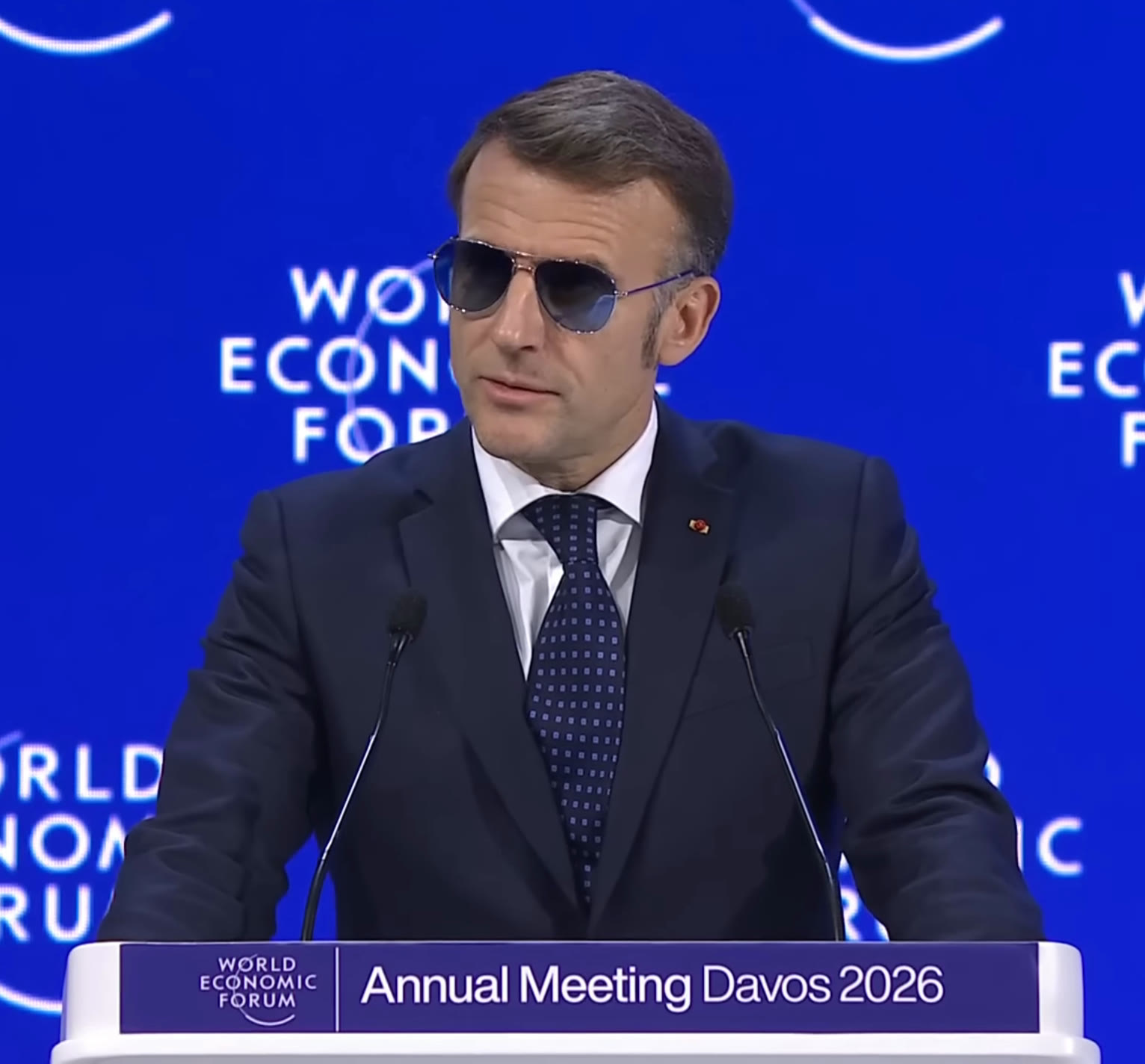
“Those who smash things up, who attack prefectures and businesses, who loot our town halls will be held accountable and punished,” President Emmanuel Macron said in the evening. Society will unite against those who “sow chaos” and seek to destroy the country’s institutions, he said, adding: “There is no room for violence in our Republic.”
Prime Minister Sébastien Lecornu accused “ultra-left groups” of organizing the violence and stood by the police, who he said had faced “violence of extreme intensity.” He urged that the unrest not be turned into a “warm-up” for the presidential election, saying: “We will not be intimidated.”
How it all started
The wave of protests rose in mid-September at a high school in the Paris suburb of Créteil, after teachers went on strike over shortages of staff and funding. Students want action on the lack of teachers, overcrowded classes of 32 to 35 pupils and dilapidated buildings, and complain of classrooms hitting 40 degrees Celsius in summer heat and the stress of the Parcoursup university entry system. Unions link the crisis to budget cuts and school closures.
School blockades quickly engulfed the country, and university students joined in October. According to the Justice Ministry, more than 5,000 people had been detained by Oct. 6, 87% of them minors. After a 15-year-old in Lens lost a hand to a police grenade, authorities halted the use of stun grenades. Lecornu asked the government to prepare initial proposals by the end of October.
The protests have also reverberated in neighboring countries: on Saturday, police in Milan used tear gas and clashes broke out in Brussels. The United Nations had earlier expressed concern over the violence in France.